Marsilius of Padua
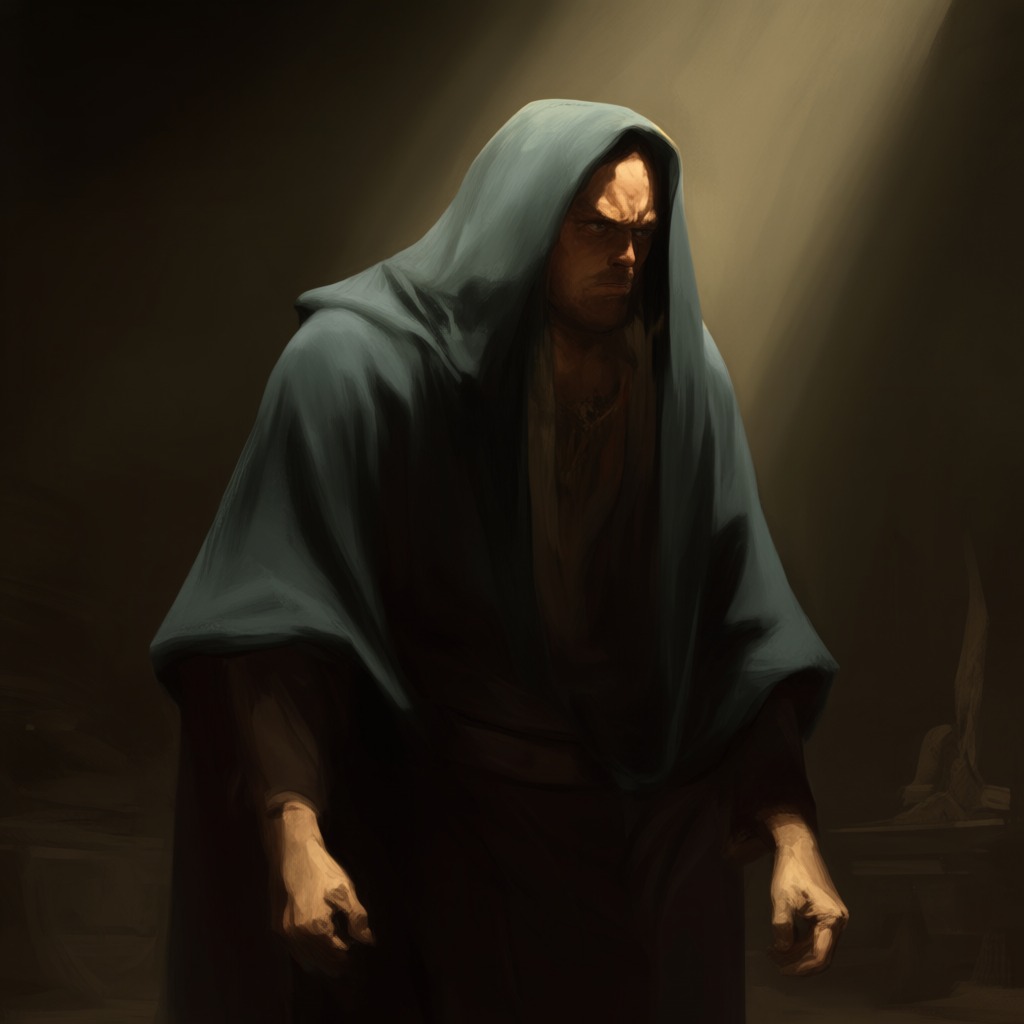
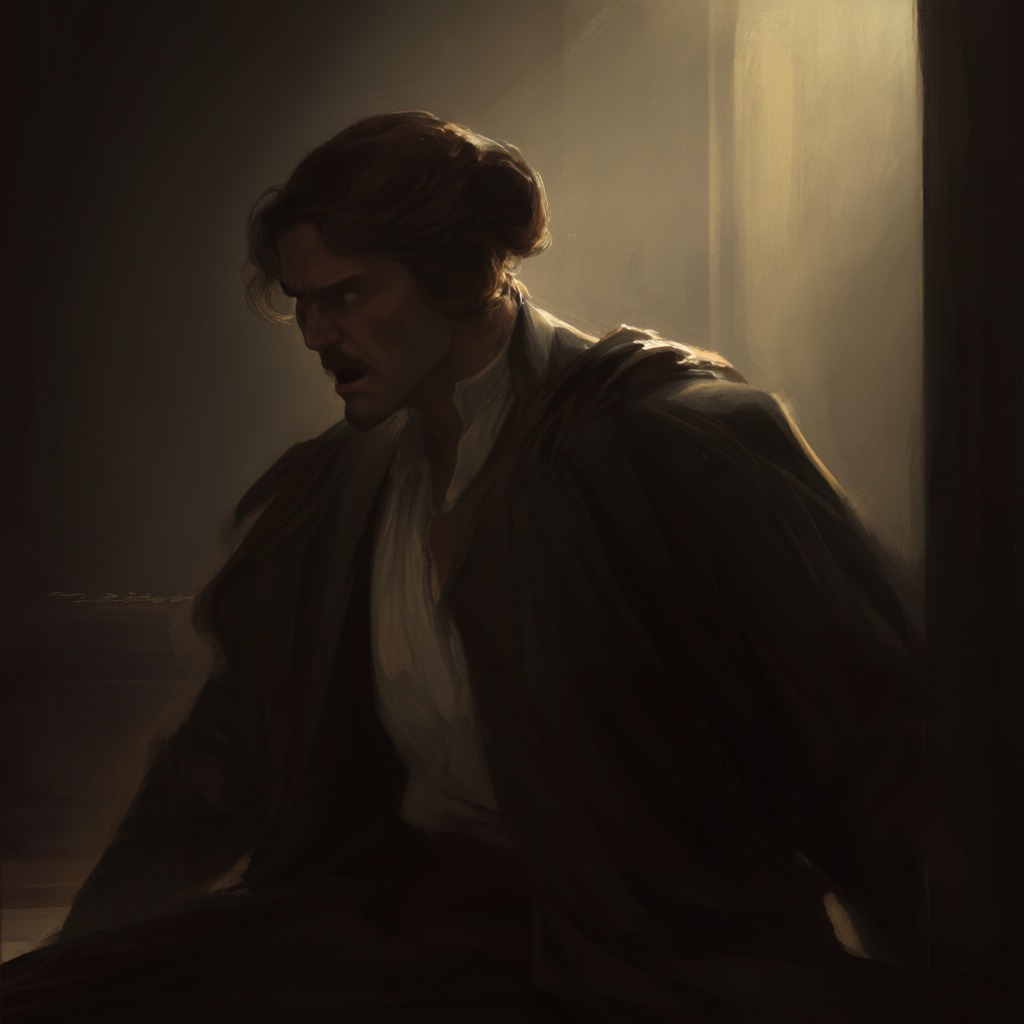
Marsilius of Padua, a master of arts and medicine at the University of Paris and later a key adviser to Emperor Louis the Bavarian, is the intellectual architect of the imperial position that William of Baskerville represents at the abbey. His treatise Defensor Pacis (The Defender of Peace), written with John of Jandun, provides the most systematic medieval argument for the separation of spiritual and temporal power, asserting that the ultimate source of political authority lies in the people, not in the pope. In the novel, Marsilius's ideas are the unspoken foundation of the diplomatic confrontation between the Franciscan and papal legations, and his name is repeatedly invoked as the source of the most radical propositions about poverty and governance.
Role in the Imperial-Papal Conflict
Marsilius's influence is first felt in the novel's historical prologue, where Adso of Melk recounts that Louis the Bavarian's imperial theologians, including Marsilius and John of Jandun, strengthened the emperor's position by affirming the poverty of Christ. This doctrine, which the Franciscan chapter at Perugia had proclaimed as a matter of faith, was condemned by Pope John XXII in the decretal Cum inter nonnullos (1323). Marsilius's writings provided the logical and legal framework for arguing that the pope had no authority over temporal rulers, a position that directly threatened the Avignon papacy's claims to universal dominion. When Adso's father, a baron in Louis's train, decides to place the young novice under William's guidance, it is on the advice of Marsilius, who had taken a liking to the boy, establishing a personal link between the philosopher and the novel's protagonists.
The Failed Diplomatic Mission
Marsilius's ideas are the subtext of the entire diplomatic meeting at the abbey. William of Baskerville, as the emperor's envoy, is tasked with negotiating a preliminary agreement that would allow Michael of Cesena to travel to Avignon with guarantees of safety. The central theological debate—whether Christ and the apostles owned property—is the very issue that Marsilius had weaponized against the papacy. When William finally expounds the imperial theologians' position in the chapter house, he echoes Marsilius's arguments: that temporal rule and secular jurisdiction have nothing to do with the church, that the people are the legislator and effective first cause of the law, and that the pope has no greater rights over the empire than over other kingdoms. The papal legates, led by Cardinal Bertrand del Poggetto and the inquisitor Bernard Gui, recognize the danger of these ideas, and Bernard Gui's subsequent trial of the cellarer Remigio is designed to discredit the entire Franciscan-imperial alliance by associating it with the violent heresy of Fra Dolcino.
Marsilius's Absence and Influence
Marsilius never appears in the abbey, but his presence is felt in every political discussion. William of Baskerville, who has come to know Marsilius and been attracted by his ideas about empire, the people, and a new law for the kingdoms of the earth, serves as his surrogate. When Ubertino of Casale accuses William of lacking fervor, William replies that he has given the emperor ideas taken from Ubertino's own writings and from those of Pierre Olieu, but the deeper intellectual debt is to Marsilius's systematic political philosophy. The novel's tragic outcome—the failure of the meeting, the burning of the library, and the dispersal of the monks—can be read as a commentary on the impossibility of translating Marsilius's rational, secular vision of governance into a world still dominated by apocalyptic fears and ecclesiastical power.
Thematic Significance
Marsilius of Padua represents the voice of rational, secular political theory in a novel dominated by religious conflict and mystical dread. His ideas about popular sovereignty and the separation of powers anticipate modern political thought, but in the context of 1327, they are dangerous heresies that threaten the entire edifice of papal authority. William's reluctant advocacy of these positions—he admits to Ubertino that he gave the emperor the ideas because "they were the right ideas for the Emperor, at that moment"—reveals the pragmatic and often compromised nature of political engagement. Marsilius's absence from the abbey is itself significant: the pure theory of the Defensor Pacis cannot survive the messy, violent reality of medieval politics, where ideas are twisted by inquisitors, exploited by emperors, and ultimately consumed by fire.