Michael of Cesena
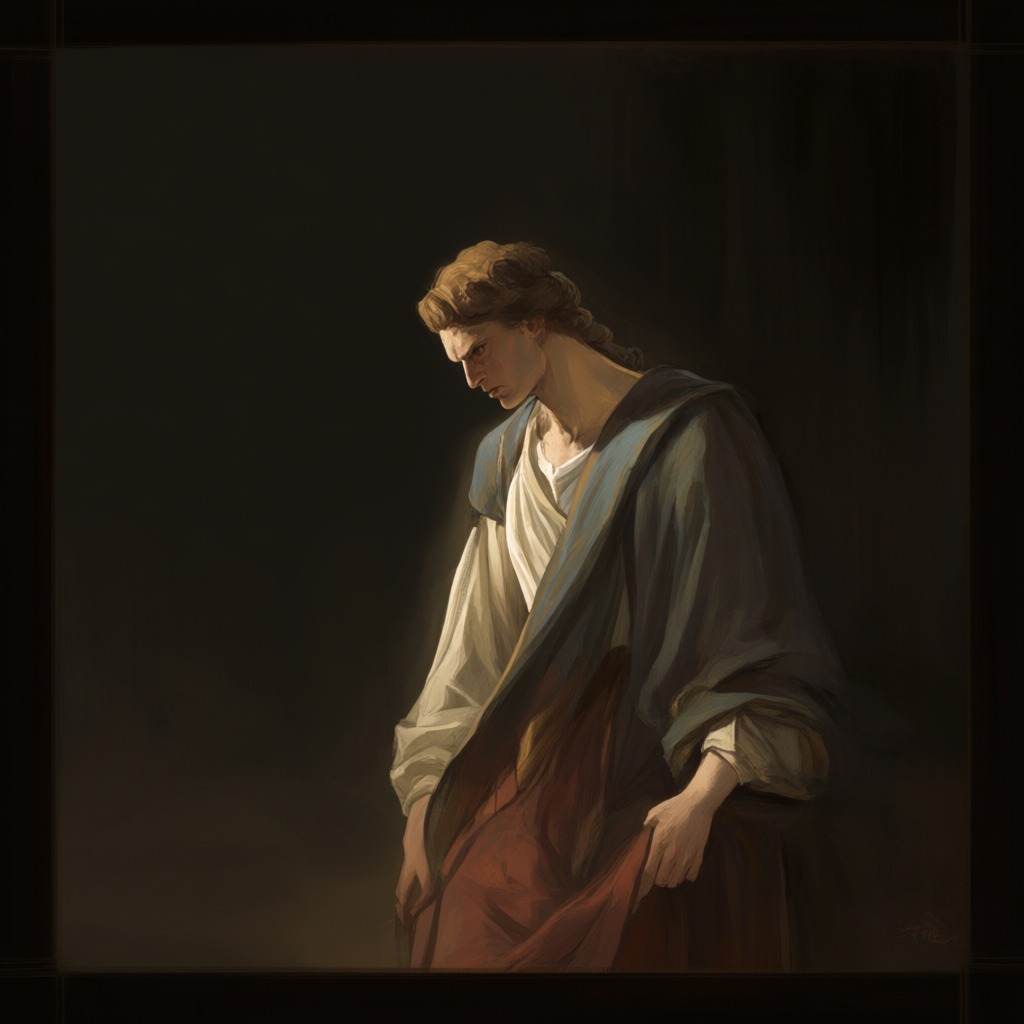
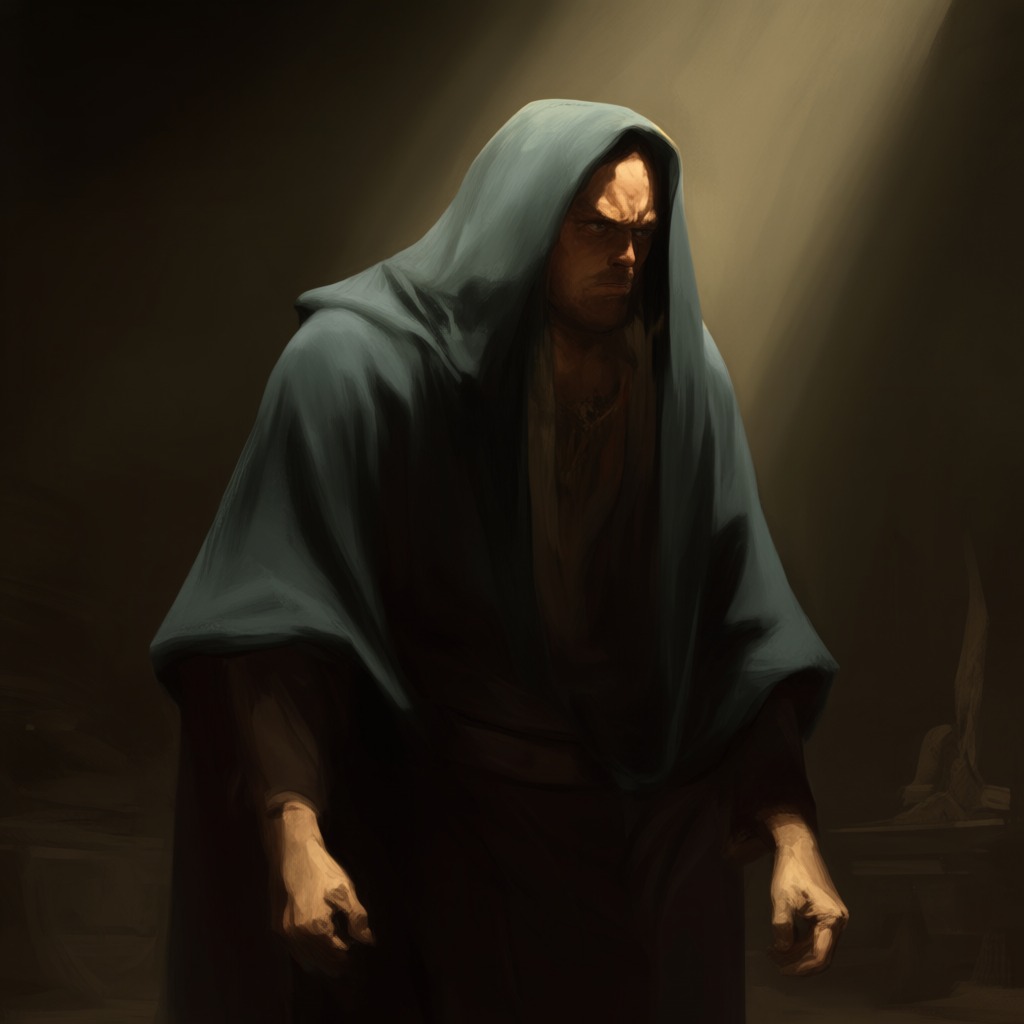
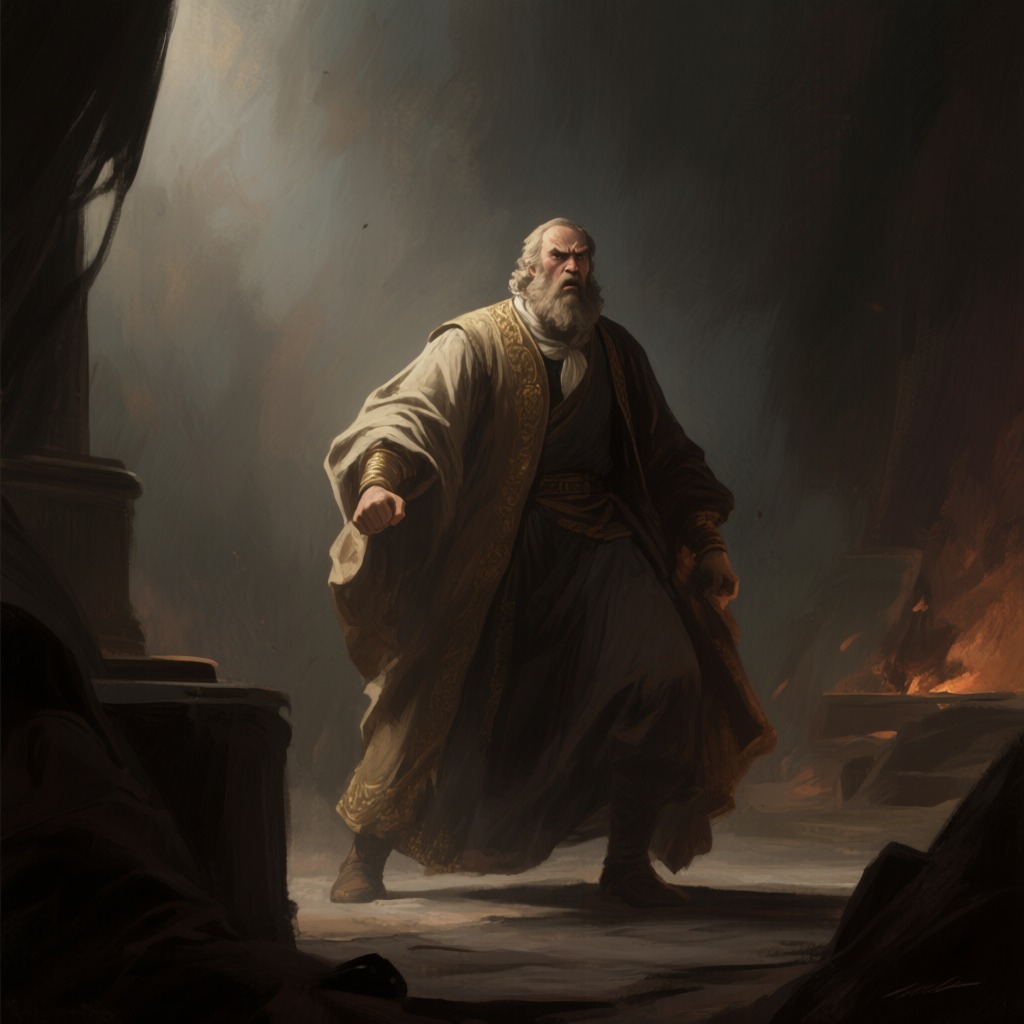
Michael of Cesena, the Minister General of the Franciscan Order, arrives at the abbey as the central figure in a high-stakes theological and political negotiation. His mission is to defend the doctrine of evangelical poverty—the belief that Christ and the apostles owned nothing, either individually or in common—which the Perugia chapter of 1322 had declared a matter of Catholic faith. This position, however, has been condemned by Pope John XXII, who sees it as a threat to papal authority and a justification for heresy. Michael's presence at the abbey, alongside imperial envoys like William of Baskerville, is meant to broker a compromise before he is forced to appear before the Pope in Avignon, a journey many fear will lead to his imprisonment or death.
Life and Political Trajectory
Michael's career is marked by a series of contradictory maneuvers that reflect the impossible pressures on the Franciscan order. As Minister General, he is the heir of Saint Francis, but also the administrator of a vast and powerful institution. He has previously handed over five rebellious Spiritual Franciscans to be burned at the stake by the Pope, an act of obedience that haunts him. Yet, he also presided over the Perugia chapter that endorsed the very ideas for which those men died. William of Baskerville notes that Michael has “come around” to the Spirituals' cause, but Ubertino of Casale recalls that in 1318, Michael “gave in to the Pope and turned over to him five Spirituals of Provence who were resisting submission. Burned, William... Oh, it is horrible!” This history of vacillation makes Michael a figure of deep internal conflict, torn between his duty to the institutional Church and his sympathy for the radical poverty movement.
Key Actions and Objectives
Michael's primary objective at the abbey is to secure a safe and honorable path to Avignon, where he hopes to persuade the Pope to accept the Franciscan position on poverty without forcing a schism. He is acutely aware of the dangers: the papal legation is led by the ruthless inquisitor Bernard Gui, and the Emperor Louis the Bavarian's support is a double-edged sword. During the debate on poverty, Michael listens as Ubertino of Casale and others argue passionately for the Franciscan cause, but he also hears the sharp rebuttals from the papal theologians. When William of Baskerville presents the radical imperial view that the Pope has no temporal authority, Michael is visibly troubled, later telling William, “I do not want a schism... I will go to Avignon, and if necessary I will make an act of submission to John. I will compromise on everything except the principle of poverty.” This statement reveals his core conviction: the ideal of poverty is non-negotiable, even if it means personal humiliation.
Relationships and Conflict
Michael's relationships are defined by the conflicting loyalties of his position. He is a friend and ally of William of Baskerville, whose intellectual brilliance he respects, but he is wary of William's radical political theories. He is deeply moved by the presence of Ubertino of Casale, the legendary Spiritual leader, yet he is also aware that Ubertino's uncompromising zeal has made him a hunted man. His most fraught relationship is with the papal legates, particularly Bernard Gui, who views Michael not as a negotiating partner but as a heretic to be ensnared. The abbot, Abo, acts as a mediator, but his authority is undermined by the murders occurring in the abbey. Michael is caught in a web of alliances: the Emperor uses him to weaken the Pope, the Spirituals see him as their champion, and the Pope sees him as a rebel. He confesses his own past weakness, admitting that he “dared not oppose John at the time of the events in Provence,” a reference to his complicity in the burning of the Spirituals.
Change and Ending
Michael's fate is sealed by the events at the abbey. The trial of the cellarer, Remigio of Varagine, a former Dolcinian heretic, allows Bernard Gui to tar the entire Franciscan poverty movement with the brush of violent heresy. The meeting collapses, and Michael's hope for a negotiated settlement is destroyed. Despite William's warnings that he is walking into a trap, Michael decides to go to Avignon anyway, saying, “Better than risking my soul.” This decision, born of a desperate faith in the possibility of reconciliation, proves disastrous. As the novel's epilogue recounts, Michael was held in Avignon for months, denounced by the Pope as a “madman, a reckless, stubborn, tyrannical fomenter of heresy,” and was eventually forced to flee for his life, joining the Emperor's court in exile. His journey from a hopeful negotiator to a condemned fugitive illustrates the novel's central tragedy: the impossibility of reconciling a radical spiritual ideal with the corrupting demands of institutional power.
Narrative Role and Evaluation
Michael of Cesena serves as a tragic counterpoint to both William of Baskerville and Jorge of Burgos. Unlike William, who embraces doubt and intellectual freedom, Michael is a man of faith who desperately wants to believe in the possibility of a unified Church. Unlike Jorge, who is willing to kill to preserve a single, absolute truth, Michael is a compromiser, a leader who tries to hold together a fracturing order. His story is a microcosm of the novel's larger theme: the struggle between the purity of an idea and the messy, violent reality of its implementation. He is not a hero or a villain, but a deeply human figure whose failure is not a lack of conviction, but an excess of hope in a world that has no room for it. His ultimate fate—exile and defeat—underscores the novel's bleak conclusion that in the struggle for power, the truth is often the first casualty.