the black cat and eggs
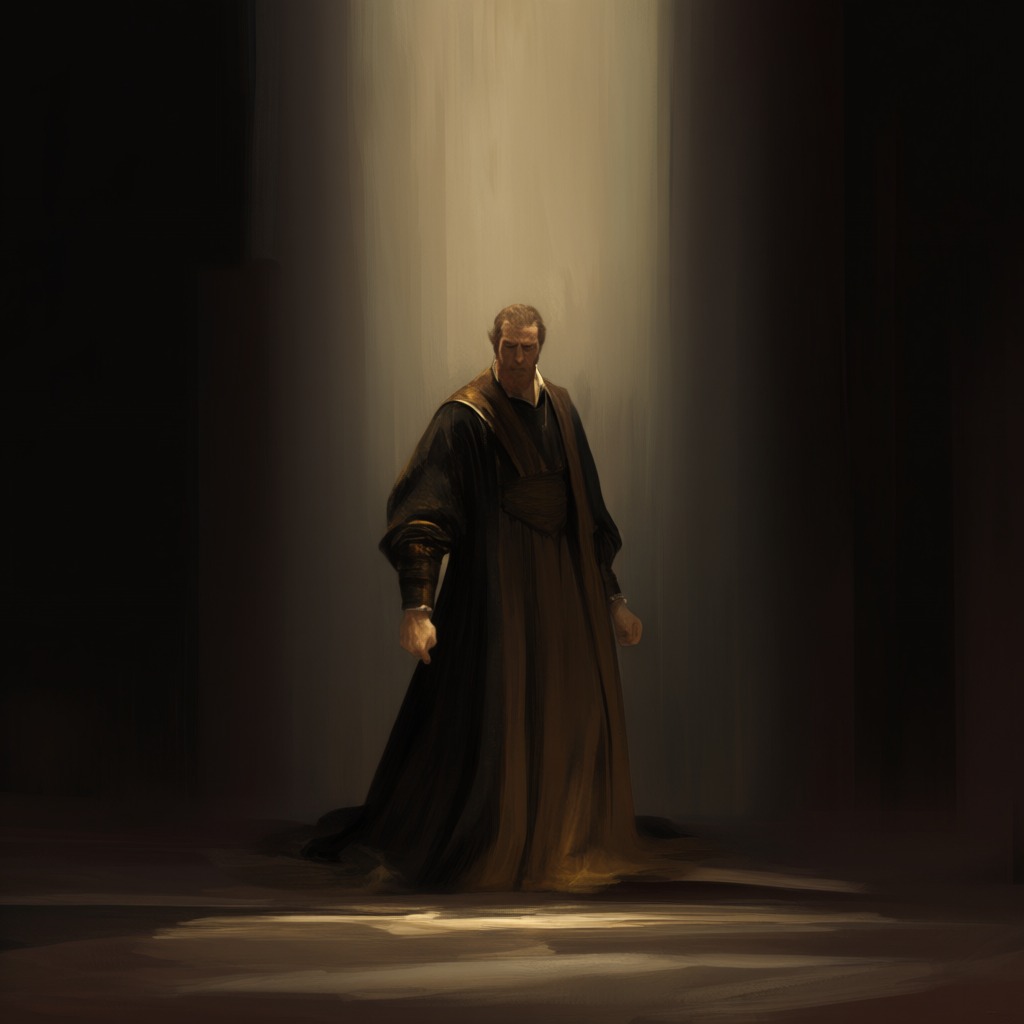
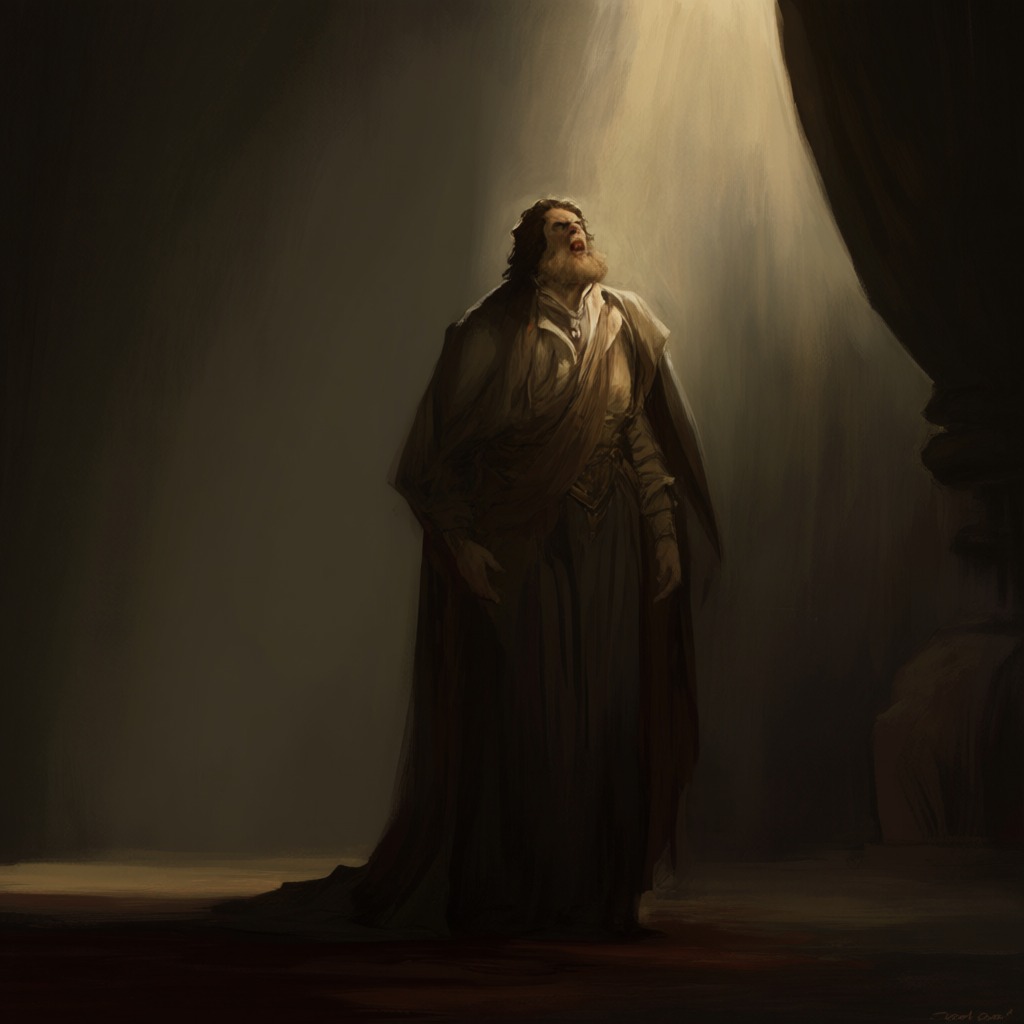
The black cat and two eggs appear in the novel as the paraphernalia of a crude love spell that Salvatore, the grotesque and linguistically confused lay brother, attempts to perform. The objects are not merely folkloric curiosities; they become the material evidence that Bernard Gui, the formidable inquisitor, uses to construct a case of witchcraft, thereby entangling the abbey’s internal crimes with the wider heresy hunt and sealing the fate of an innocent peasant girl.
Appearance and Ritual Purpose
On the night of the fourth day, Adso of Melk, still shaken by his own encounter with the girl, finds Salvatore in the vegetable garden with a bundle that moves as if alive. Salvatore reveals that he is carrying a black cat, which he intends to kill and from which he will extract the eyes. He explains the spell: the eyes are to be placed inside two eggs from a black hen, and the eggs are then to be buried in horse dung, where, he claims, a little devil will be born from each, capable of procuring any woman’s love. The ritual requires the desired woman to spit on the eggs before they are buried, a condition that torments Salvatore because he cannot secure the girl’s cooperation without revealing his purpose. The objects thus represent a desperate, superstitious attempt by a man who, because of his ugliness and low status, believes he cannot win affection through natural means.
Seizure and Interpretation by Bernard Gui
Later that same night, archers patrolling the abbey on Bernard Gui’s orders capture Salvatore in the company of a peasant girl. Bernard immediately seizes the bundle from Salvatore’s bosom. When unwrapped, the black cat escapes with a furious yowl, and the two eggs are broken and slimy, appearing to the onlookers like blood or bile. Bernard Gui, drawing on his vast experience as an inquisitor, interprets these objects not as the ingredients of a folk charm but as the unmistakable tools of diabolical witchcraft. He cites authorities such as Stephen of Bourbon and Alanus de Insulis, linking the black cat to the Catharists and to Satanic rituals involving the kissing of the animal’s posterior. He further connects the cat and the cock (a small dead rooster also found on the girl) to the preparation of poisons and necromantic figures intended to harm the Pope himself. The objects, in Bernard’s hands, are transformed from the pathetic props of a superstitious lay brother into damning proof of a heretical and murderous conspiracy.
Consequences and Narrative Significance
The seizure of the black cat and eggs has immediate and devastating consequences. Salvatore is imprisoned and subjected to interrogation, during which he reveals his and the cellarer Remigio’s shared past as followers of the heretic Fra Dolcino. The peasant girl, whom Adso had come to love, is condemned as a witch and will be burned. The objects thus serve as the catalyst that allows Bernard Gui to link the abbey’s recent murders to the broader heresy of the Dolcinians, effectively destroying the credibility of the Franciscan delegation and sealing the fate of the two prisoners. The black cat and eggs are a potent symbol of how the simple, desperate acts of the powerless can be twisted by the powerful into instruments of destruction. They represent the chasm between the superstitious, bodily world of Salvatore and the cold, doctrinal machinery of the Inquisition, a machinery that reads evil intent into any object it chooses to condemn.