Melk
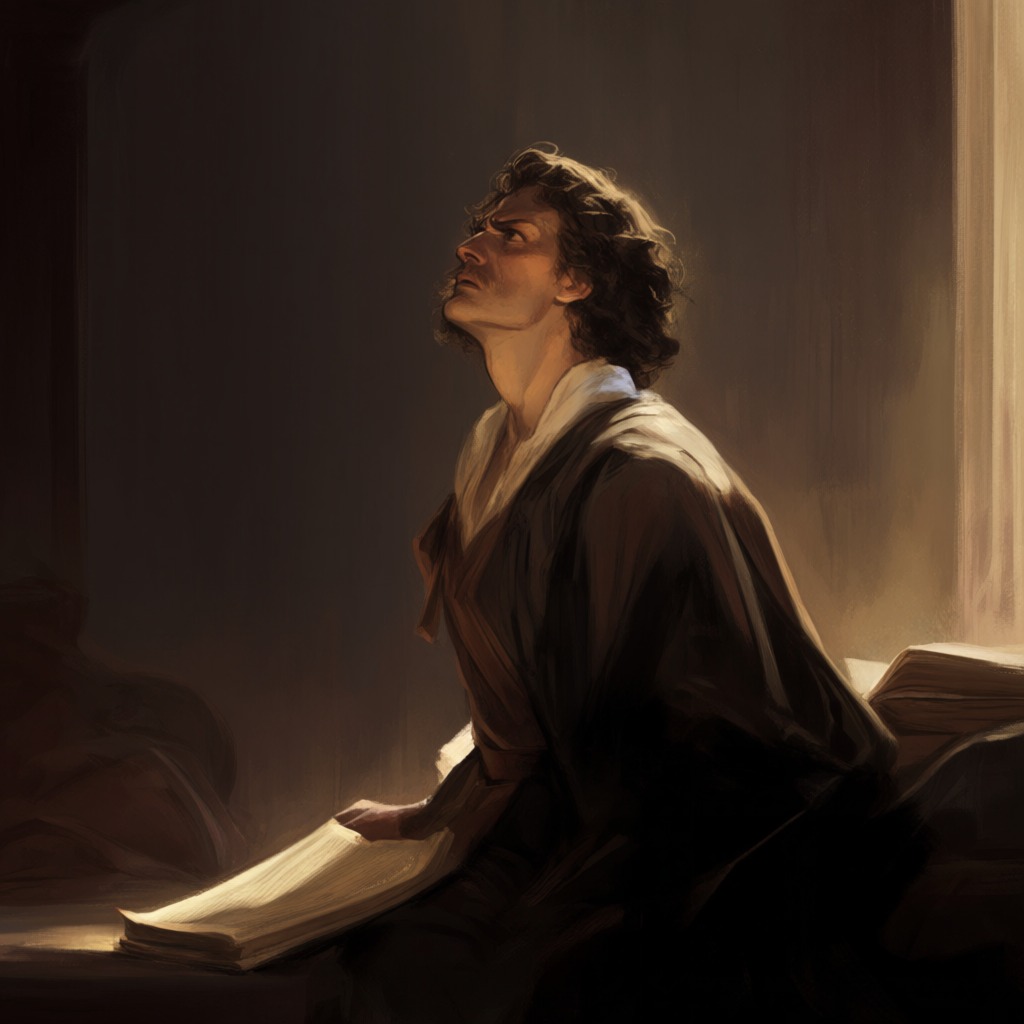
Melk is the Benedictine monastery in Austria where the elderly Adso of Melk, now an old monk, writes his manuscript recounting the wondrous and terrible events he witnessed in his youth. It is the framing location for the entire narrative, the place from which the story is told, and the site of Adso's final, somber reflections on the meaning of the events he has recorded. The monastery's library, where Adso writes, is the only place he finds any trace of the lost manuscript, and it is here that he composes his testimony, leaving it for those who will come after, if the Antichrist has not come first.
Identity and Setting
Melk is a real, historically significant Benedictine abbey in Austria, perched on a rocky outcrop overlooking the Danube River. In the novel, it is the home monastery of Adso of Melk, who was a novice there before being sent to accompany William of Baskerville. The monastery is described as a place of peace and serene meditation, a haven from the turbulent world outside. It is from his cell in this monastery that the elderly Adso writes his manuscript, having returned there after his adventures in Italy. The monastery's library, however, contains no trace of Adso's original manuscript, a fact the fictional editor discovers when he visits.
Narrative Role and Significance
Melk serves as the narrative frame for the entire novel. The story is presented as a translation of a manuscript written by Adso in his old age at Melk. The novel begins with a preface describing the discovery of this manuscript and ends with Adso's final words, written in the scriptorium of Melk. The monastery thus provides the temporal and spatial distance from which the events of 1327 are recalled and interpreted. It is the place of memory, reflection, and writing, contrasting sharply with the chaotic, violent, and intellectually charged atmosphere of the unnamed abbey where the main events take place. Adso's final, mystical meditations on the nature of God, truth, and silence are delivered from his cell at Melk, giving the entire narrative a retrospective, elegiac quality.
Thematic Significance
Melk represents the stability and continuity of monastic life, a world of order, prayer, and learning that stands in stark contrast to the destructive passions and intellectual pride that consumed the unnamed abbey. It is the place where Adso, after a lifetime of experience, seeks to make sense of the chaos he witnessed. The monastery's library, where he writes, is a symbol of the preservation of knowledge, a task he undertakes by recording his story. The final line of the novel, "Stat rosa pristina nomine, nomina nuda tenemus" (The rose of old exists only in its name; we possess only naked names), is written in the cold scriptorium of Melk, underscoring the theme of loss and the ephemeral nature of all things, even the grandest of libraries and the most profound of truths.