
The Critique of Fanaticism
The Name of the RoseThe novel's condemnation of absolute certainty and the violence it can justify.
increasing Bearing strength in each event
 decreasing
Bearing strength in each eventdecreasingJorge's Fanaticism
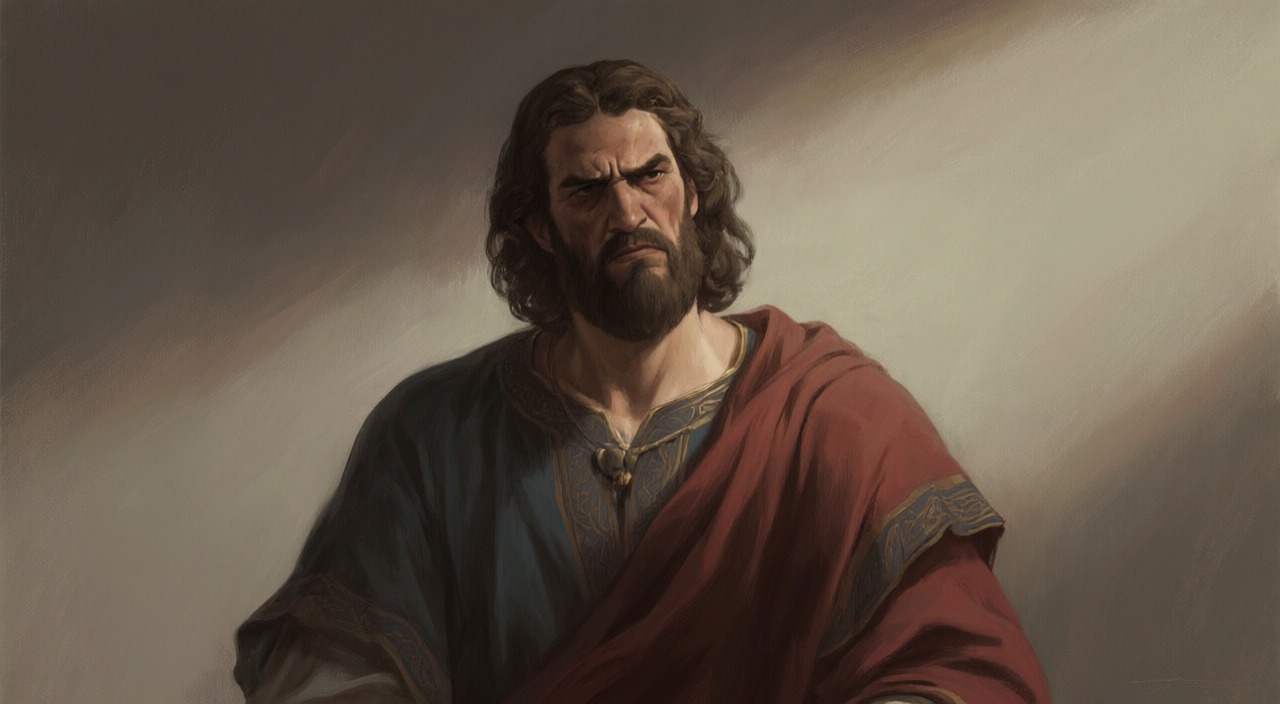
The Blind Guardian
Absolute Certainty
Jorge of Burgos is certain that he is right. He believes that the ends justify the means. He kills to protect his truth.
The Poisoned Book
He poisons the book, knowing it will kill readers. He sees this as a holy act. His fanaticism is terrifying.
The Final Speech
Jorge argues that laughter is dangerous. He would rather destroy knowledge than allow it to be misused. His fanaticism leads to the destruction of everything he loves.
Bernard Gui's Inquisition
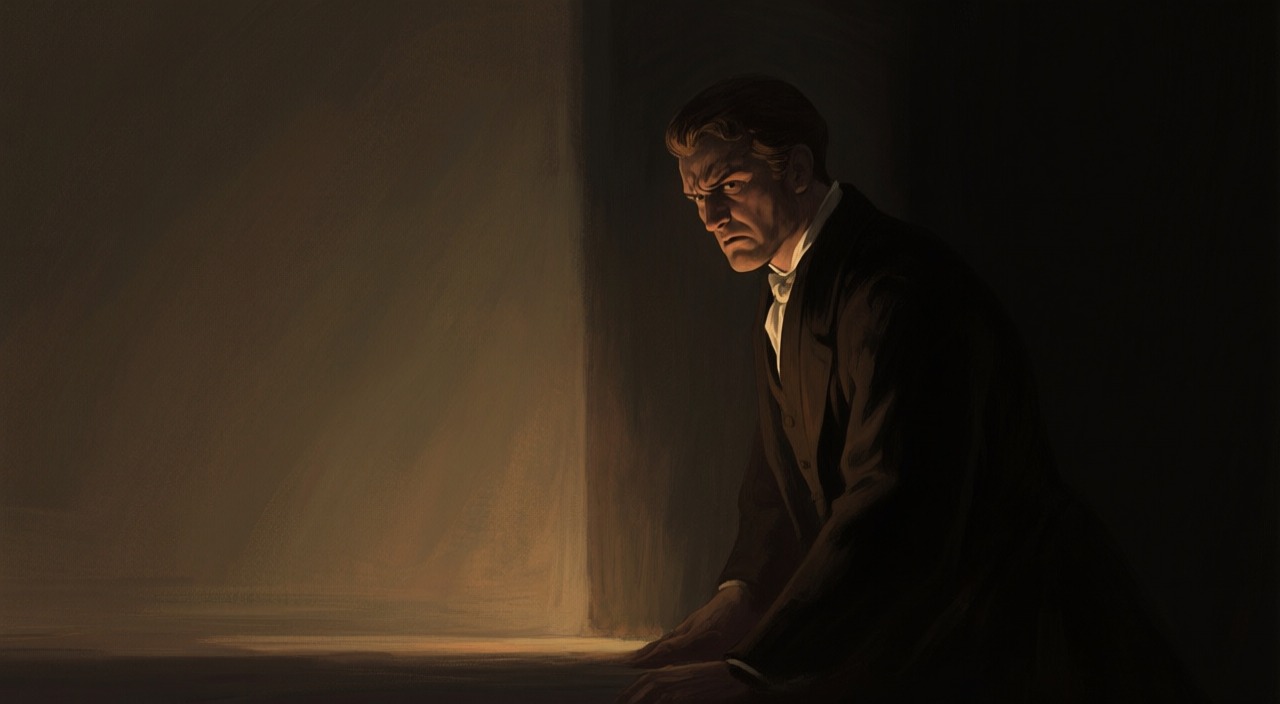
The Inquisitor's Zeal
The Trial
Bernard Gui uses torture and fear to extract confessions. He is not interested in the truth, only in victory.
The Political Use of Heresy
He links the Franciscan poverty movement to the Dolcinians. He destroys the meeting. His fanaticism serves the Pope's power.
The Victims
Remigio, Salvatore, and the girl are all victims of his fanaticism. They die not for their crimes but for political reasons.
Throughout the story
Fifth day
