
The Nature of Monstrosity and Humanity
The Phantom of the OperaThe theme of what makes a monster and what makes a human being.
increasing Bearing strength in each event
 decreasing
Bearing strength in each eventdecreasingThe Monster's Heart
The Monster's Heart
The Outcast
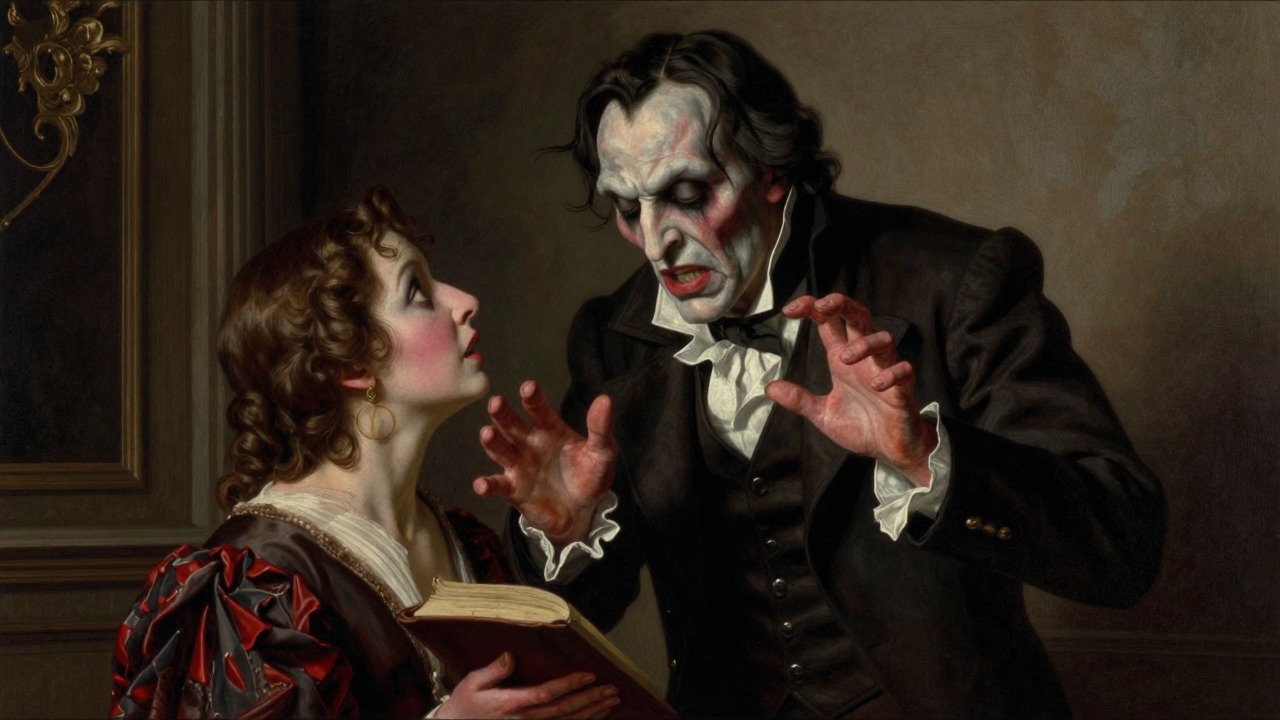
Erik is born with a monstrous face. He is rejected by his own mother. He is forced to live outside society. His ugliness defines his life.
The Genius and the Monster
Erik is also a genius: a composer, architect, and magician. His talents are extraordinary, but they are used for evil. The novel asks: does genius excuse monstrosity?
The Capacity for Love
Erik loves Christine with a depth that is human. He is capable of tenderness and tears. But his love is possessive and destructive. The novel shows that a monster can love, but that love can be monstrous.
The Human Response
The Human Response
Christine's Compassion
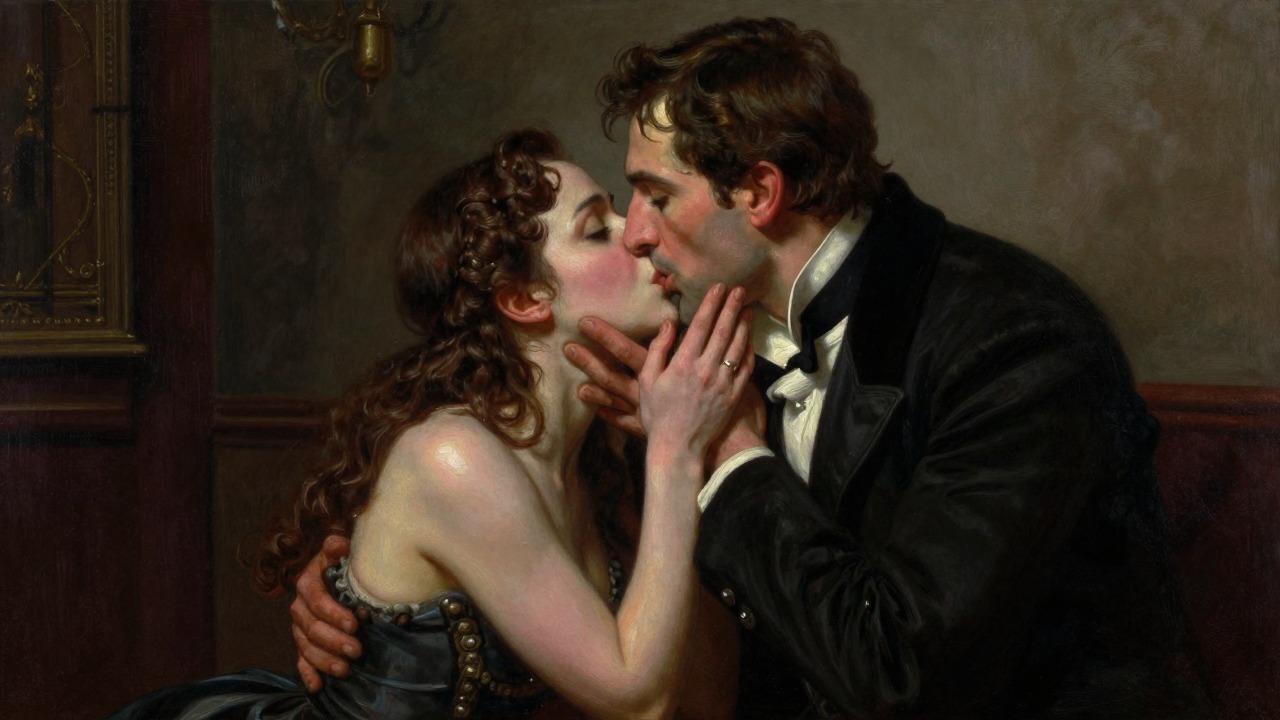
Christine, despite her fear, shows Erik pity. She kisses him. This human gesture redeems him. It shows that humanity is defined by compassion, not appearance.
The Persian's Understanding
The Persian does not hate Erik. He pities him. He sees the man behind the monster. His understanding is a model of human empathy.
The Final Judgment
The novel concludes that Erik is more sinned against than sinning. He is a product of his rejection. The true monster is society's cruelty. The theme of monstrosity is turned inward.
throughout the novel
during the climax
