
The Varsouviana as a Symbol of Trauma
A Streetcar Named DesireThe polka tune that plays in Blanche's mind whenever she is reminded of her husband's suicide is a symbol of her unresolved guilt and psychological fragmentation.
increasing Bearing strength in each event
 decreasing
Bearing strength in each eventdecreasingThe First Sound of the Varsouviana
The Trigger of Memory
The Polka Begins
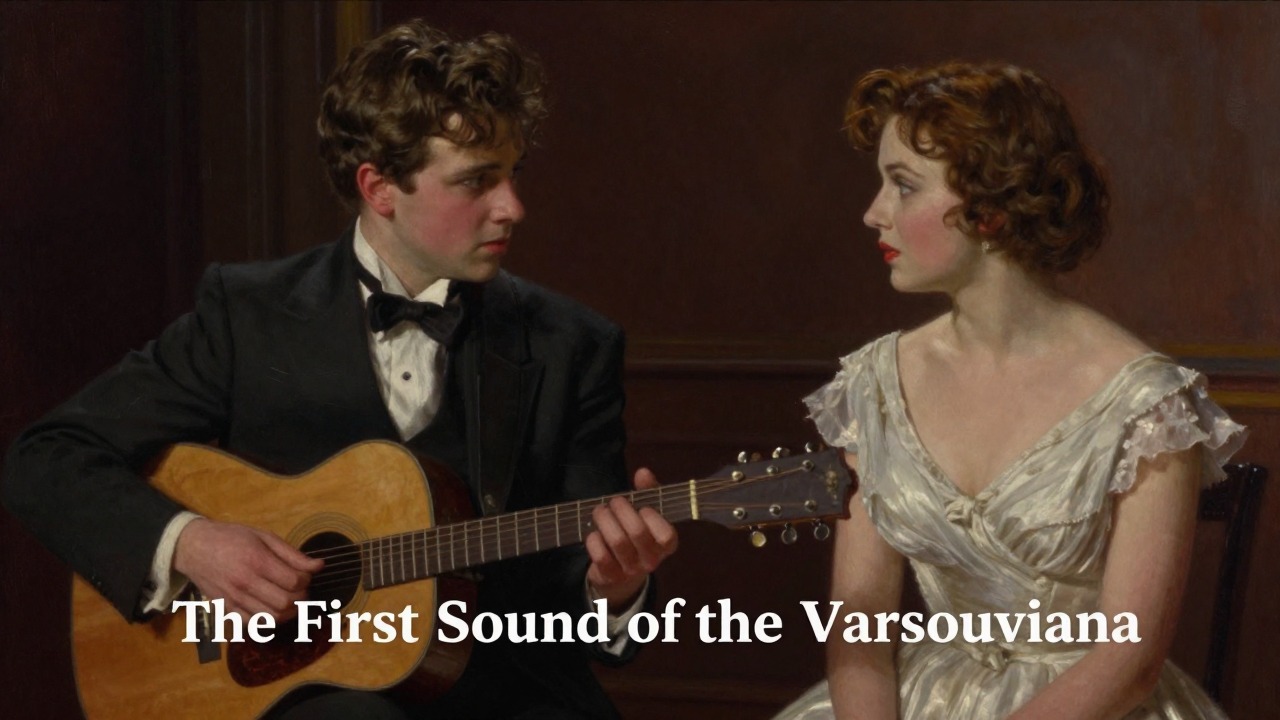
The first time the Varsouviana is heard is when Stanley asks Blanche about her marriage. The music rises up faintly, and Blanche responds with a mention of the dead boy. This is the first indication that the polka is a psychological trigger, associated with the trauma of Allan Grey's suicide.
The Inescapable Sound
The Varsouviana recurs throughout the play, always in moments of stress. It is a sound that only Blanche hears, and it drives her to drink. The music is a symbol of her guilt and her inability to escape the past. It is a constant reminder of the moment she told Allan she was disgusted, and the shot that followed. The polka is a psychological prison from which she cannot break free.
The Varsouviana Stops After the Shot
The End of the Tune
The Ritual Completion
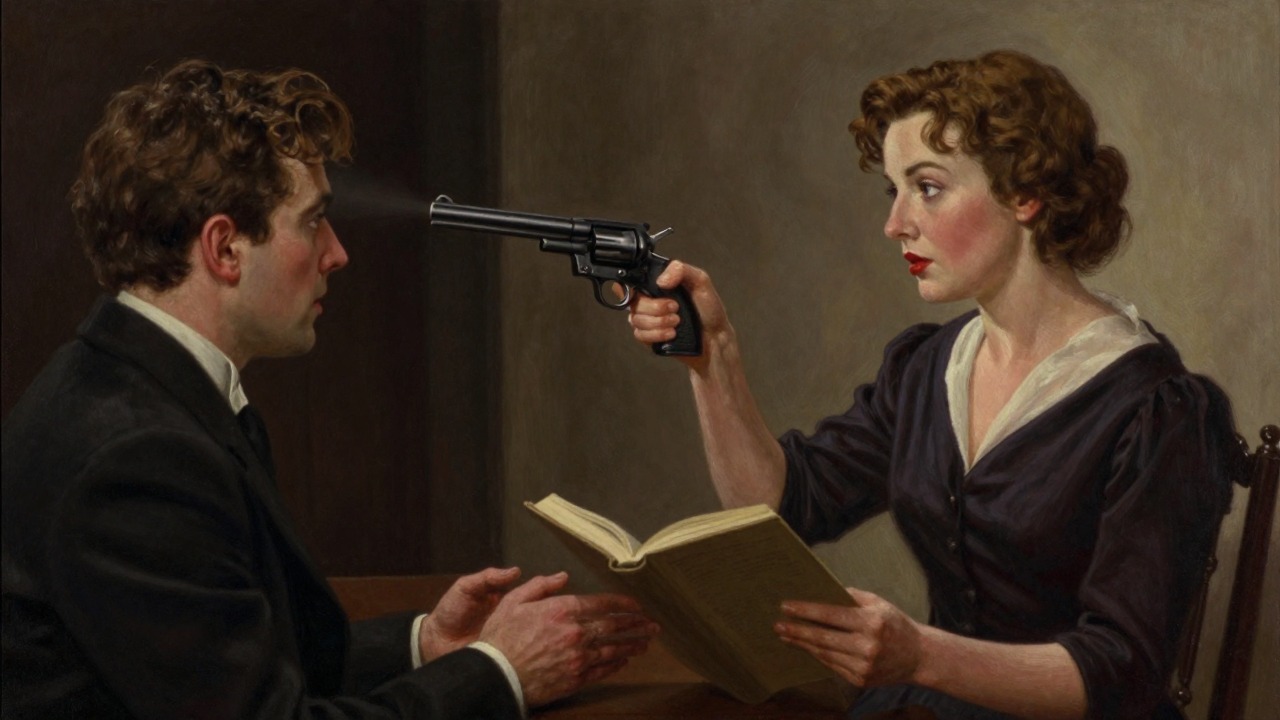
In scene nine, the polka tune plays in Blanche's mind until she hears the imaginary revolver shot. Then it stops. This is a ritual that has been repeated since Allan's death. The polka builds to a climax, and the shot releases the tension. Blanche is relieved when the music stops, but it inevitably returns.
The Meaning of the Ritual
The Varsouviana is a symbol of the way trauma works. It is a repetitive, inescapable cycle. The shot is the moment of death, but it is also a moment of release. Blanche's mind is trapped in this cycle, and she cannot find a way out. The polka is a powerful theatrical device that conveys her psychological state without words. It is a reminder that the past is never truly past.
scene one, when Stanley asks about Blanche's marriage
scene nine, when Blanche hears the imaginary shot
