Skip to content
Readipedia
Open Readify

StoryFlow

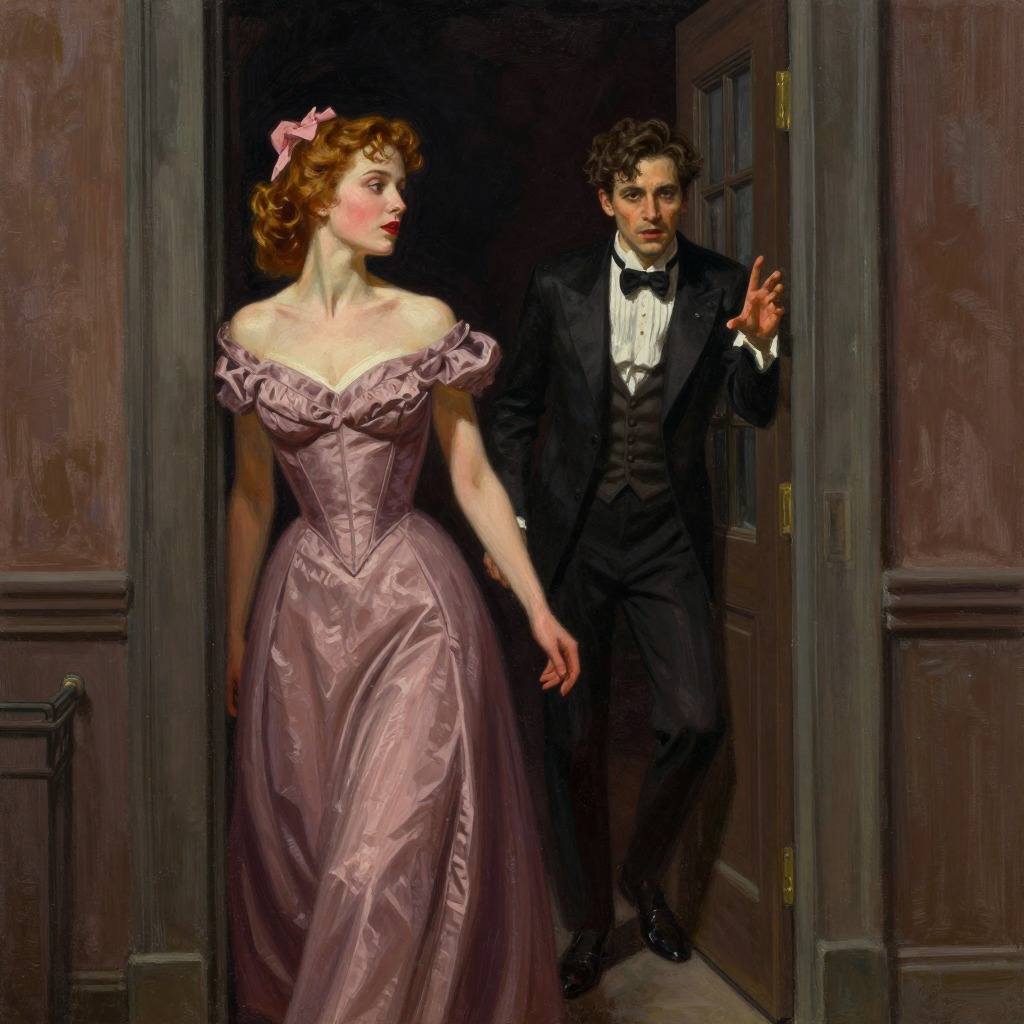
Blanche's Arrival and Descent from "A Streetcar Named Desire". Blanche DuBois arrives in New Orleans seeking refuge, but her fragile illusions and hidden past lead to a devastating confrontation with reality.
Blanche's Arrival and Descent

Blanche DuBois arrives in New Orleans seeking refuge, but her fragile illusions and hidden past lead to a devastating confrontation with reality.

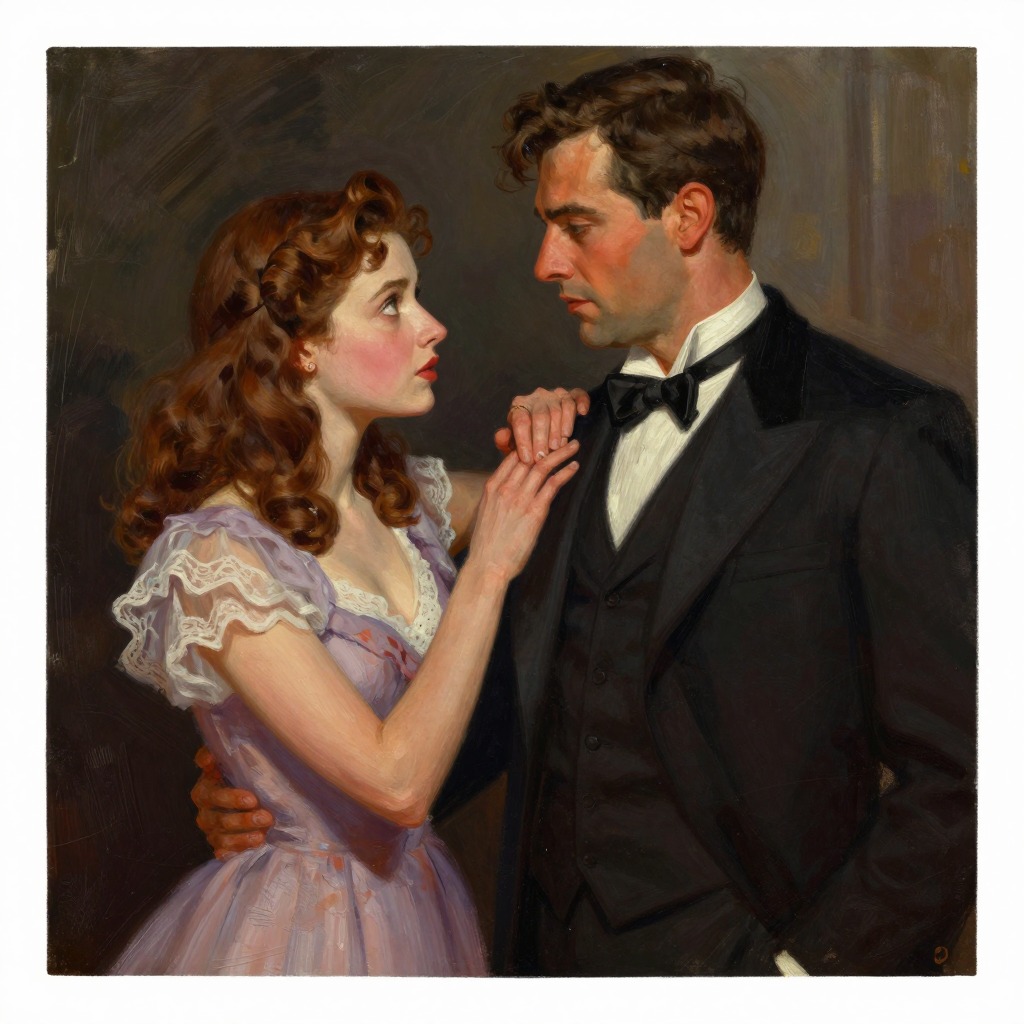
Stella's Choice Between Sister and Husband from "A Streetcar Named Desire". Stella Kowalski is torn between loyalty to her sister Blanche and her passionate commitment to her husband Stanley, ultimately choosing the latter.
Stella's Choice Between Sister and Husband

Stella Kowalski is torn between loyalty to her sister Blanche and her passionate commitment to her husband Stanley, ultimately choosing the latter.

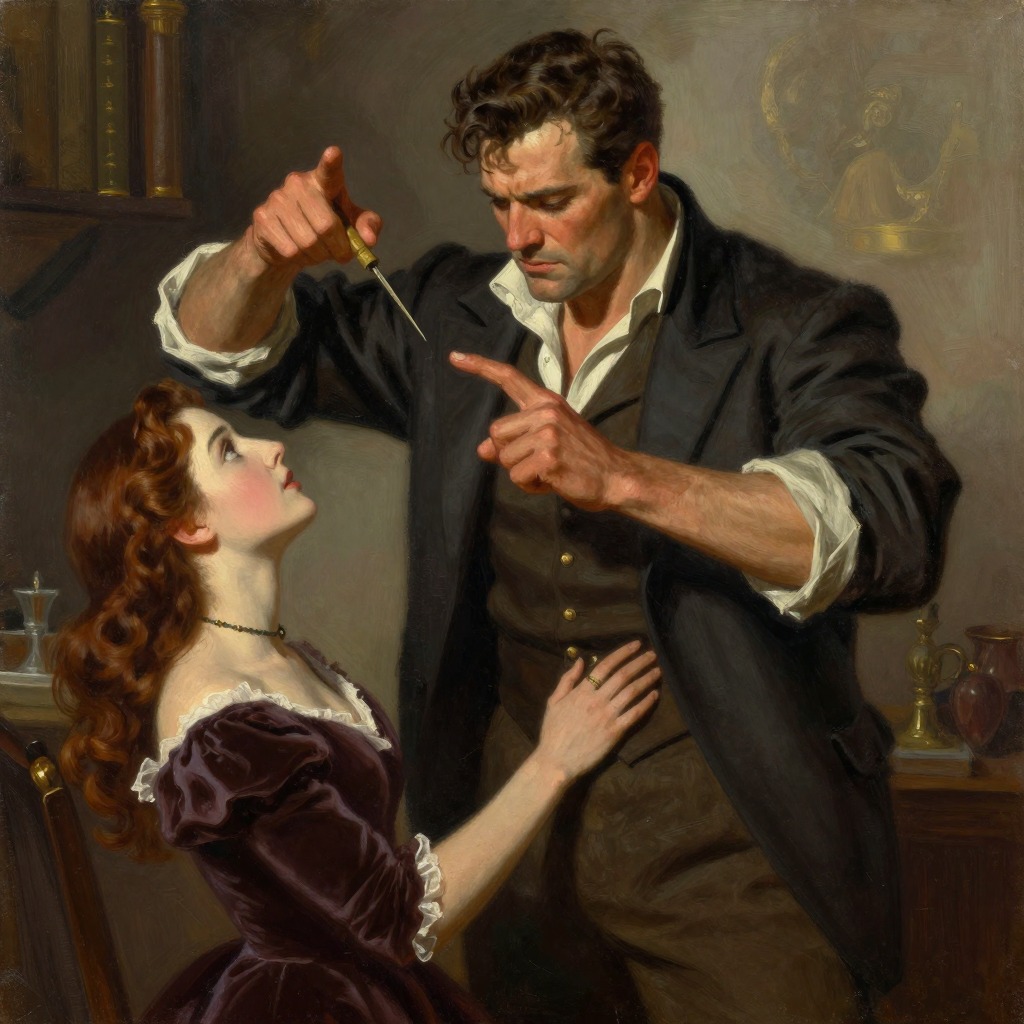
Stanley's Assertion of Dominance from "A Streetcar Named Desire". Stanley Kowalski, a man of primal force, systematically dismantles Blanche's illusions to protect his territory and reaffirm his power.
Stanley's Assertion of Dominance

Stanley Kowalski, a man of primal force, systematically dismantles Blanche's illusions to protect his territory and reaffirm his power.

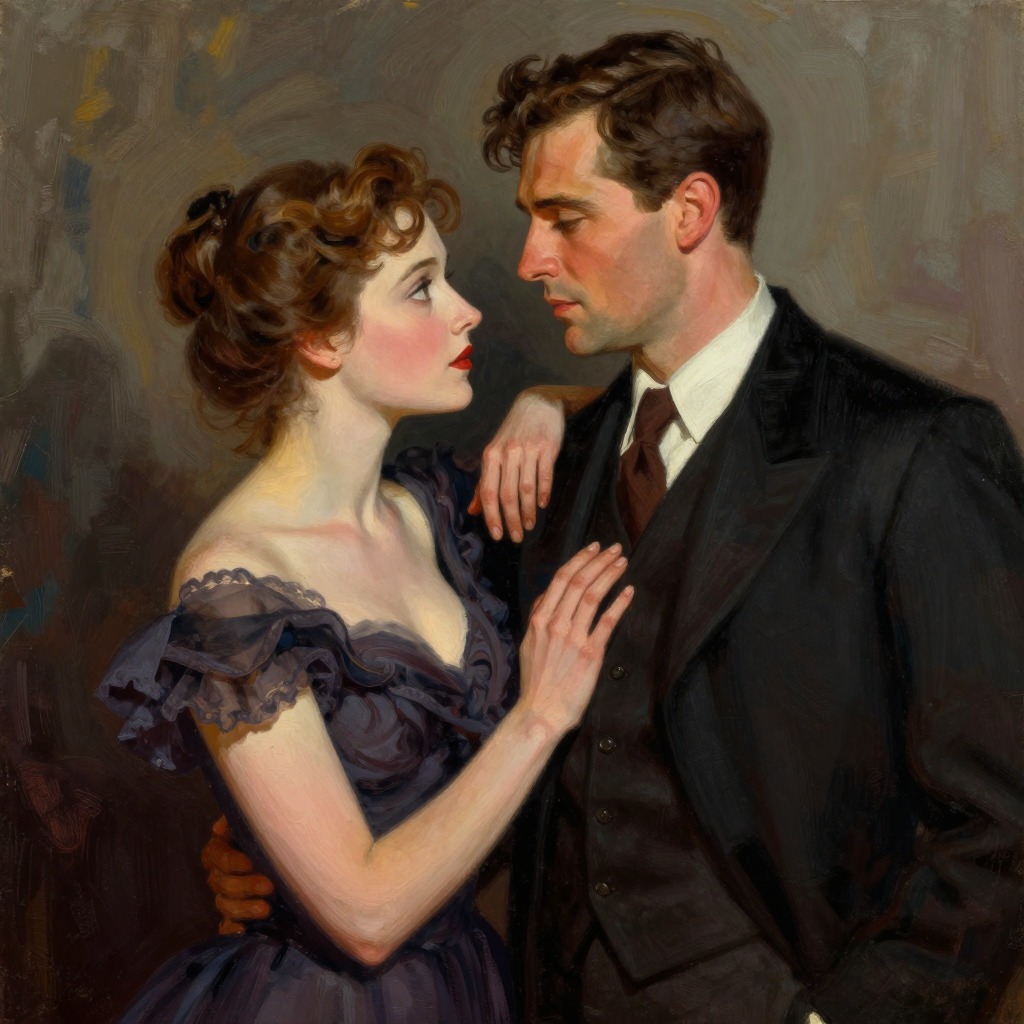
Blanche's Romance with Mitch from "A Streetcar Named Desire". Blanche DuBois and Harold Mitchell form a tentative bond based on mutual need for companionship, but it is shattered by the revelation of Blanche's past.

Blanche's Romance with Mitch

Blanche DuBois and Harold Mitchell form a tentative bond based on mutual need for companionship, but it is shattered by the revelation of Blanche's past.

The Poker Night Culture from "A Streetcar Named Desire". The recurring poker games serve as a ritual of male bonding, violence, and the assertion of primal masculinity in the Kowalski household.
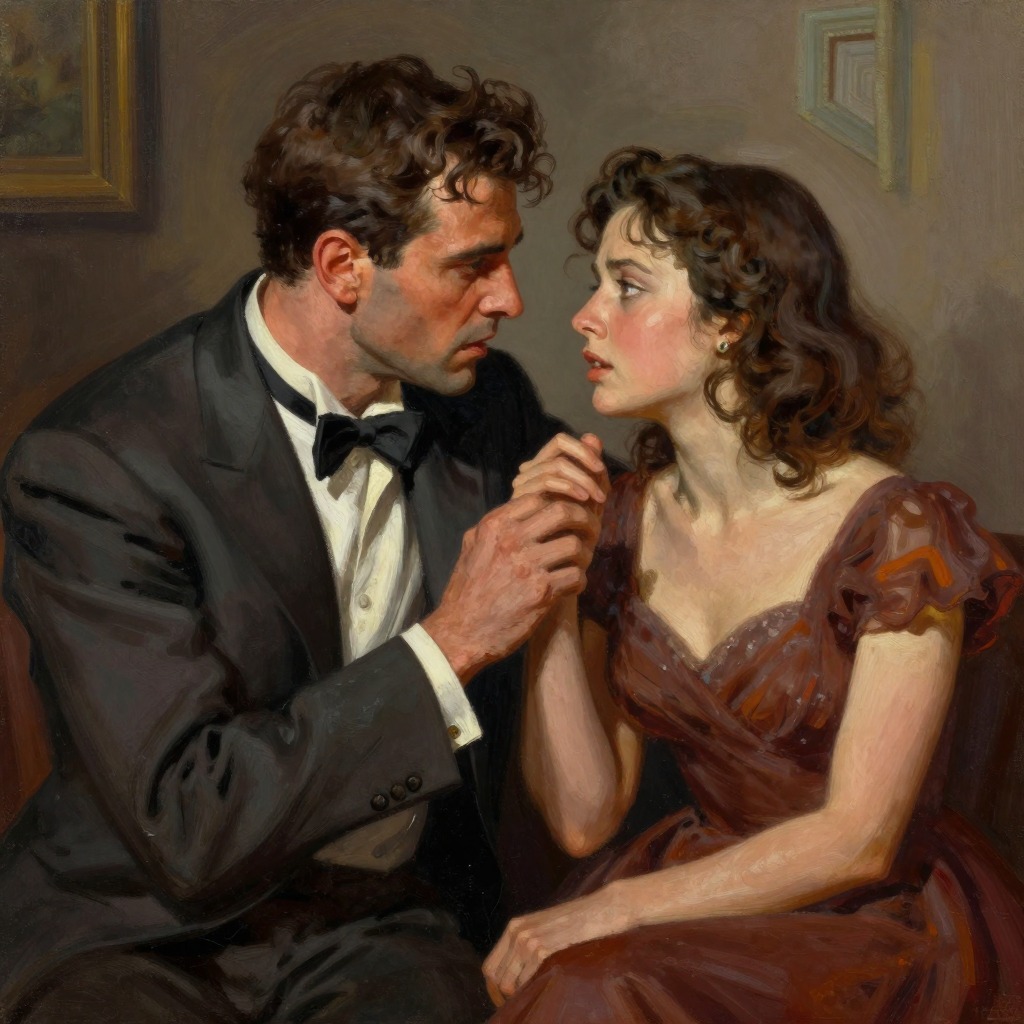
The Poker Night Culture

The recurring poker games serve as a ritual of male bonding, violence, and the assertion of primal masculinity in the Kowalski household.

The Hubbell's Volatile Marriage from "A Streetcar Named Desire". The relationship between Steve and Eunice Hubbell mirrors the Stanley-Stella dynamic, mixing violence, reconciliation, and raw emotional dependency.
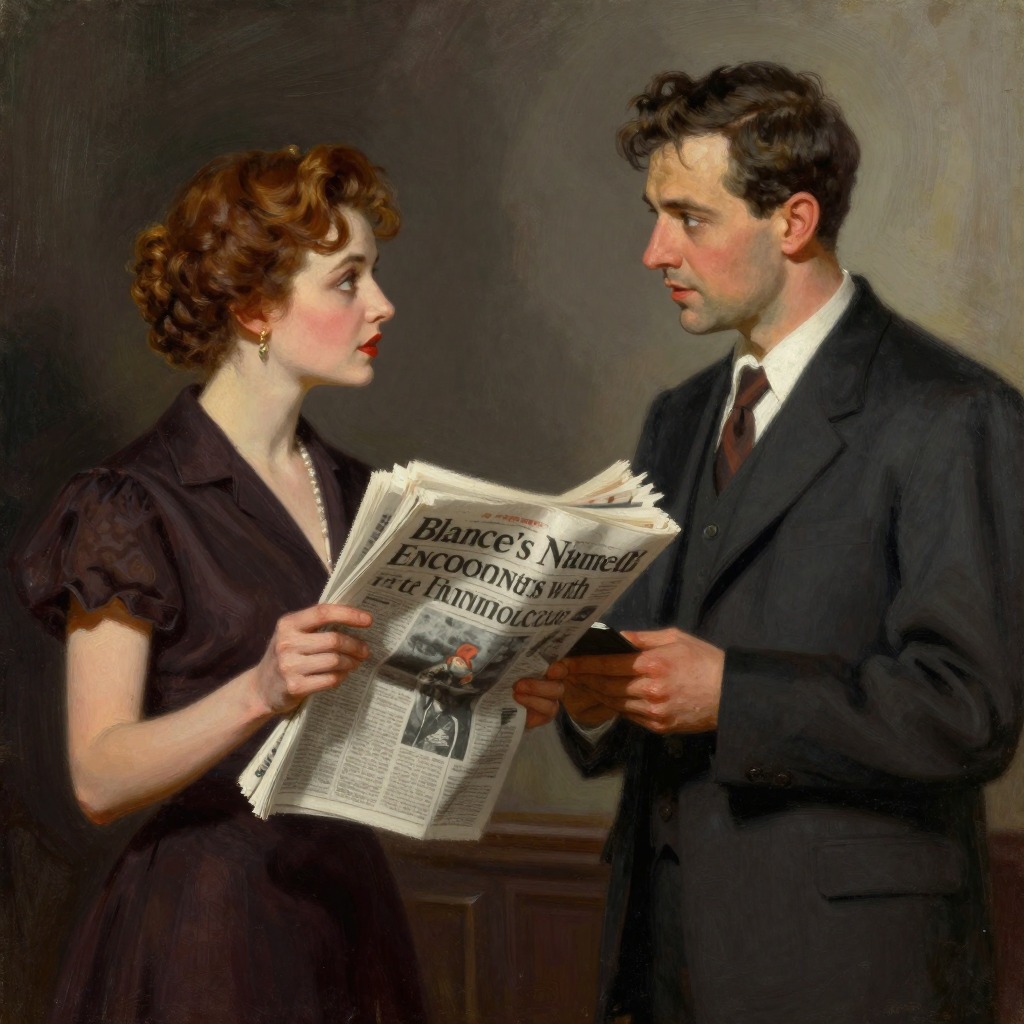
The Hubbell's Volatile Marriage

The relationship between Steve and Eunice Hubbell mirrors the Stanley-Stella dynamic, mixing violence, reconciliation, and raw emotional dependency.

Blanche's Encounters with the Young Collector from "A Streetcar Named Desire". Blanche's brief, flirtatious interaction with a young newspaper collector reveals her desperate need for validation and her tendency to blur boundaries.

Blanche's Encounters with the Young Collector

Blanche's brief, flirtatious interaction with a young newspaper collector reveals her desperate need for validation and her tendency to blur boundaries.

The Ghost of Allan Grey from "A Streetcar Named Desire". The memory of Blanche's dead husband, Allan Grey, haunts her throughout the play, shaping her guilt, her fear of exposure, and her need for delusion.
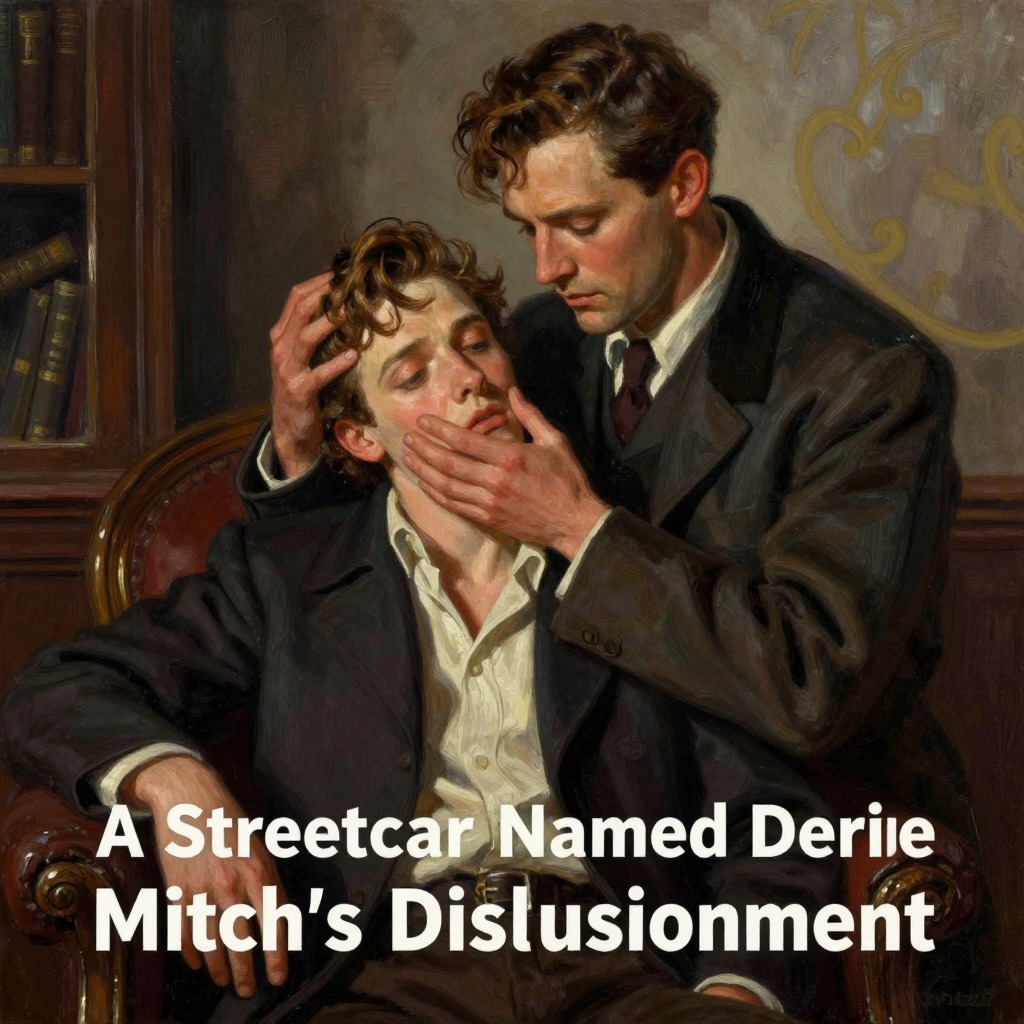
The Ghost of Allan Grey

The memory of Blanche's dead husband, Allan Grey, haunts her throughout the play, shaping her guilt, her fear of exposure, and her need for delusion.

Mitch's Disillusionment from "A Streetcar Named Desire". Harold Mitchell, a lonely man seeking love, is seduced by Blanche's illusions and then shattered by the truth, retreating into bitterness.
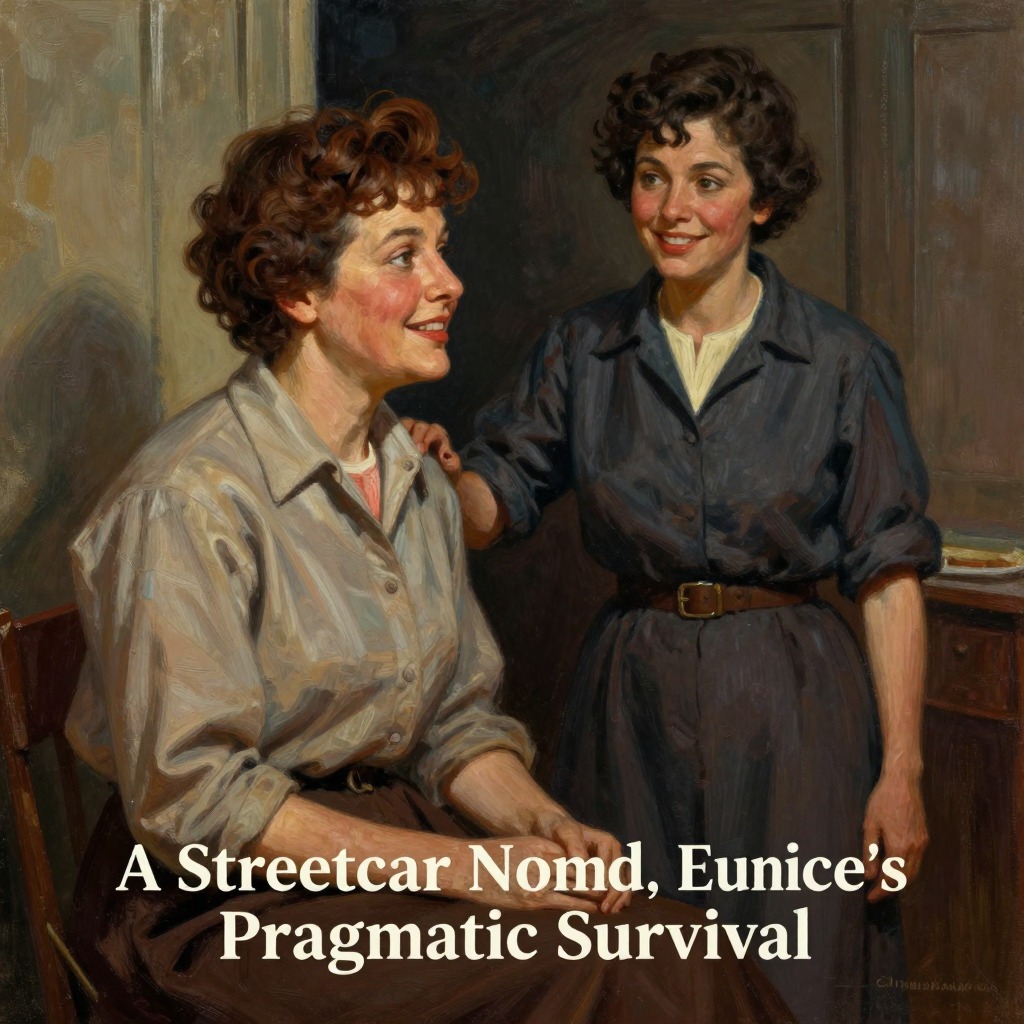
Mitch's Disillusionment

Harold Mitchell, a lonely man seeking love, is seduced by Blanche's illusions and then shattered by the truth, retreating into bitterness.

Eunice's Pragmatic Survival from "A Streetcar Named Desire". Eunice Hubbell, the upstairs neighbor, represents the practical wisdom of enduring hardship, accepting violence as part of life, and finding joy in simple…

Eunice's Pragmatic Survival

Eunice Hubbell, the upstairs neighbor, represents the practical wisdom of enduring hardship, accepting violence as part of life, and finding joy in simple pleasures.

The Doctor's Kindness from "A Streetcar Named Desire". The unnamed doctor who comes to take Blanche away offers her a moment of genuine compassion, in stark contrast to the cruelty of the other characters.
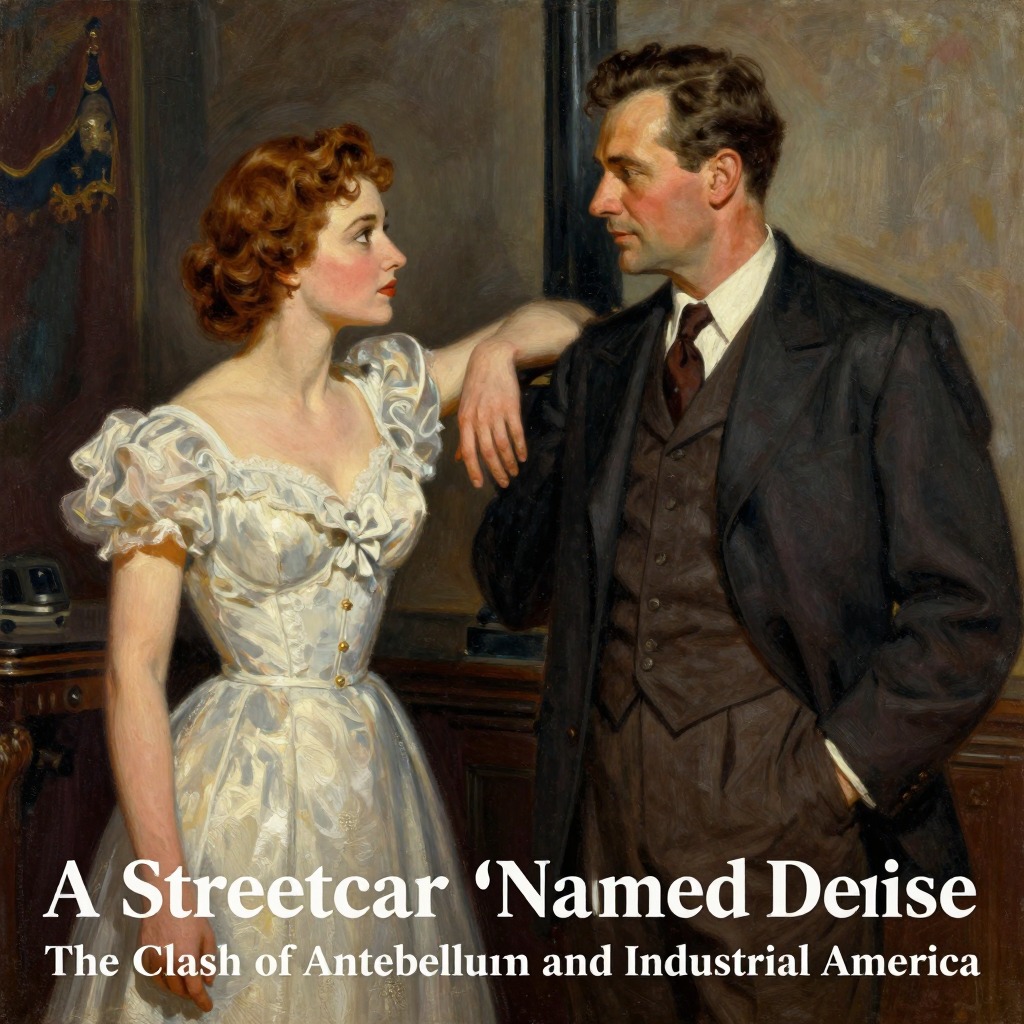
The Doctor's Kindness

The unnamed doctor who comes to take Blanche away offers her a moment of genuine compassion, in stark contrast to the cruelty of the other characters.

The Clash of Antebellum and Industrial America from "A Streetcar Named Desire". The conflict between Blanche's faded Southern aristocracy and Stanley's working-class pragmatism represents the broader cultural clash of post-war America.
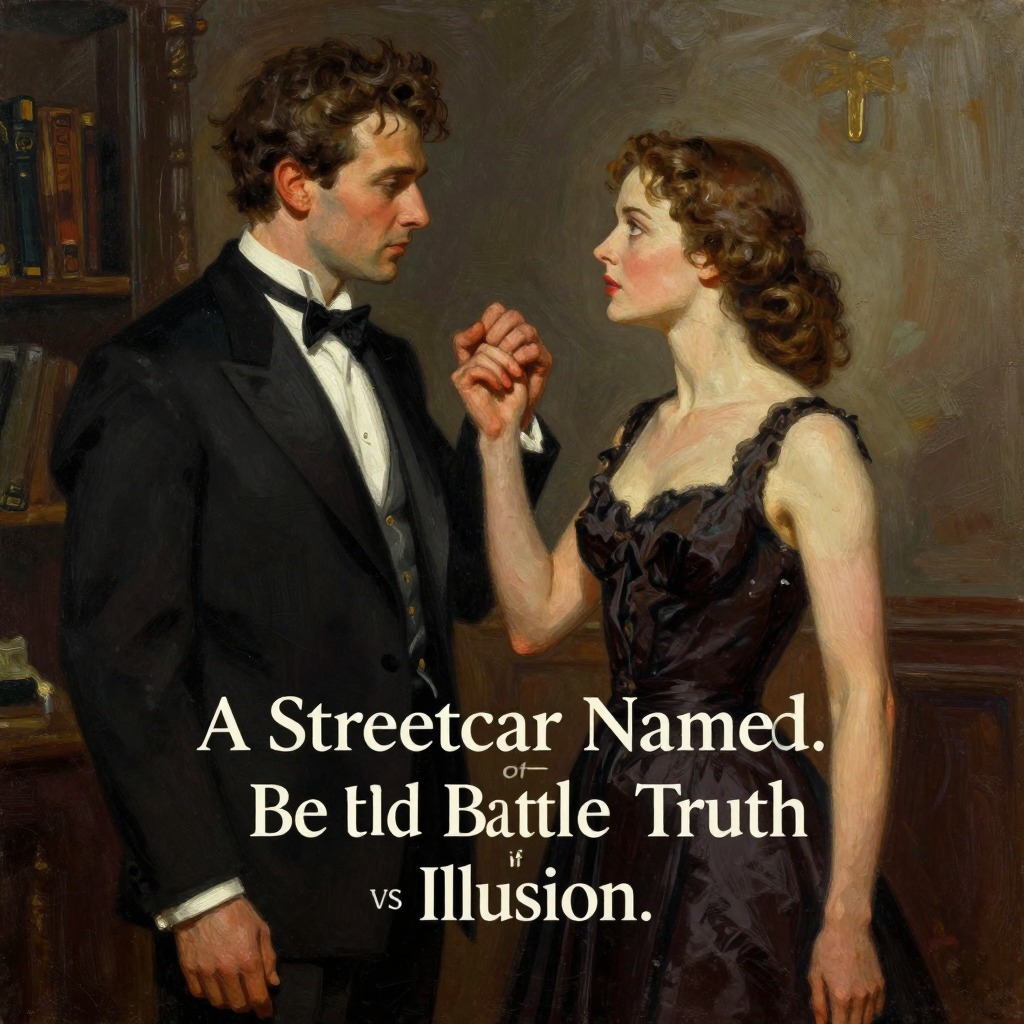
The Clash of Antebellum and Industrial America

The conflict between Blanche's faded Southern aristocracy and Stanley's working-class pragmatism represents the broader cultural clash of post-war America.

The Battle of Truth vs. Illusion from "A Streetcar Named Desire". The play's central thematic conflict is between Blanche's need for beautiful lies and Stanley's insistence on harsh reality, a struggle that ultimately…

The Battle of Truth vs. Illusion

The play's central thematic conflict is between Blanche's need for beautiful lies and Stanley's insistence on harsh reality, a struggle that ultimately destroys her.
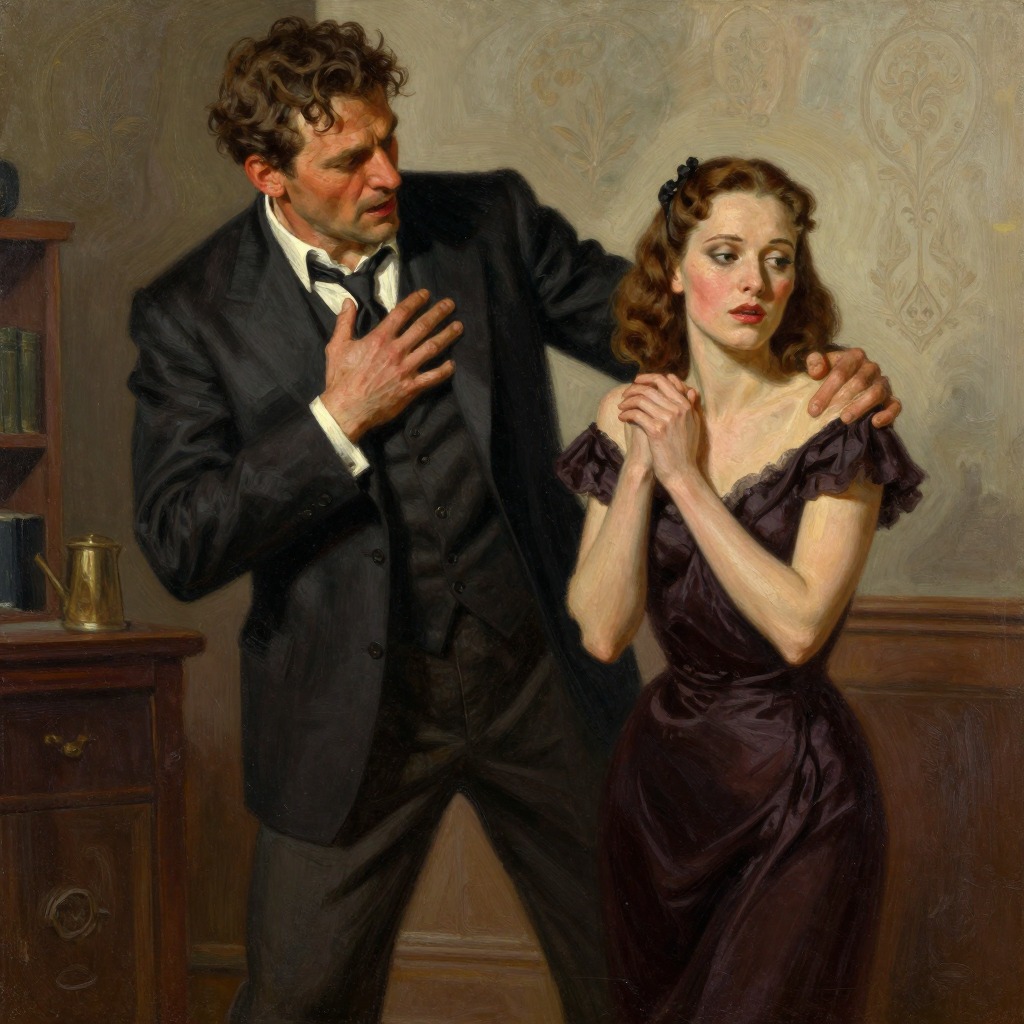
The Escalation of Violence from "A Streetcar Named Desire". The play traces a rising trajectory of violence, from Stanley's outbursts to the rape, culminating in Blanche's institutionalization.
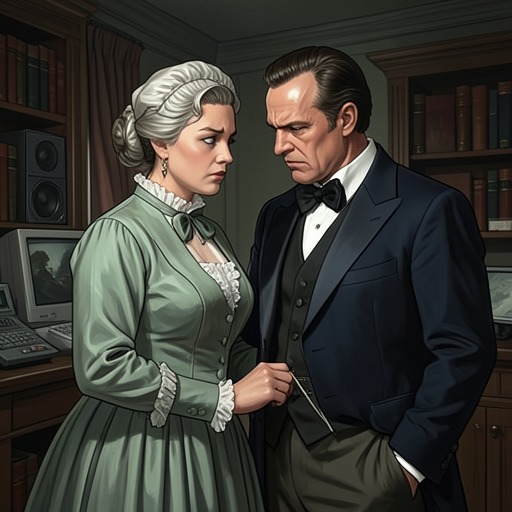
The Escalation of Violence

The play traces a rising trajectory of violence, from Stanley's outbursts to the rape, culminating in Blanche's institutionalization.

The Sexual Tension Between Blanche and Stanley from "A Streetcar Named Desire". From the moment they meet, there is a dangerous undercurrent of sexual attraction and repulsion between Blanche and Stanley, which culminates in the rape.

The Sexual Tension Between Blanche and Stanley

From the moment they meet, there is a dangerous undercurrent of sexual attraction and repulsion between Blanche and Stanley, which culminates in the rape.

Stella and Stanley's Passionate Bond from "A Streetcar Named Desire". The marriage of Stella and Stanley is built on powerful physical desire, which both sustains and traps them, ultimately leading Stella to betray her sister.
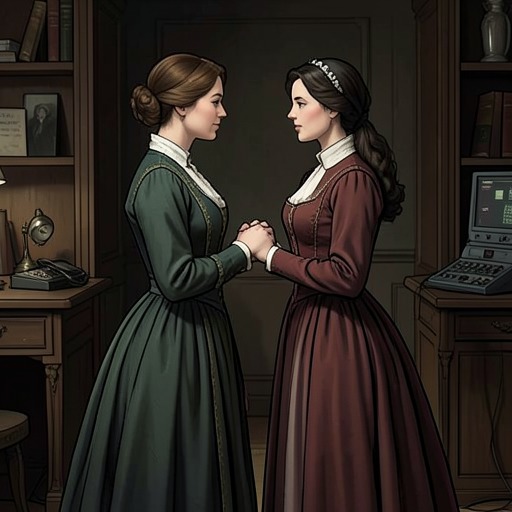
Stella and Stanley's Passionate Bond

The marriage of Stella and Stanley is built on powerful physical desire, which both sustains and traps them, ultimately leading Stella to betray her sister.

The Sisterly Bond of Blanche and Stella from "A Streetcar Named Desire". The relationship between Blanche and Stella is a complex mix of love, resentment, and dependence, ultimately broken by the conflicting loyalties of marriage.

The Sisterly Bond of Blanche and Stella

The relationship between Blanche and Stella is a complex mix of love, resentment, and dependence, ultimately broken by the conflicting loyalties of marriage.

Blanche's Love for Allan Grey from "A Streetcar Named Desire". The memory of her dead husband, Allan Grey, haunts Blanche, shaping her guilt and her need for love, and her confession to Mitch creates a brief moment of…

Blanche's Love for Allan Grey

The memory of her dead husband, Allan Grey, haunts Blanche, shaping her guilt and her need for love, and her confession to Mitch creates a brief moment of intimacy.

The Friendship of Stanley and Mitch from "A Streetcar Named Desire". The bond between Stanley and Mitch is tested by the arrival of Blanche, leading to a rift when Stanley reveals the truth and Mitch is forced to reject Blanche.
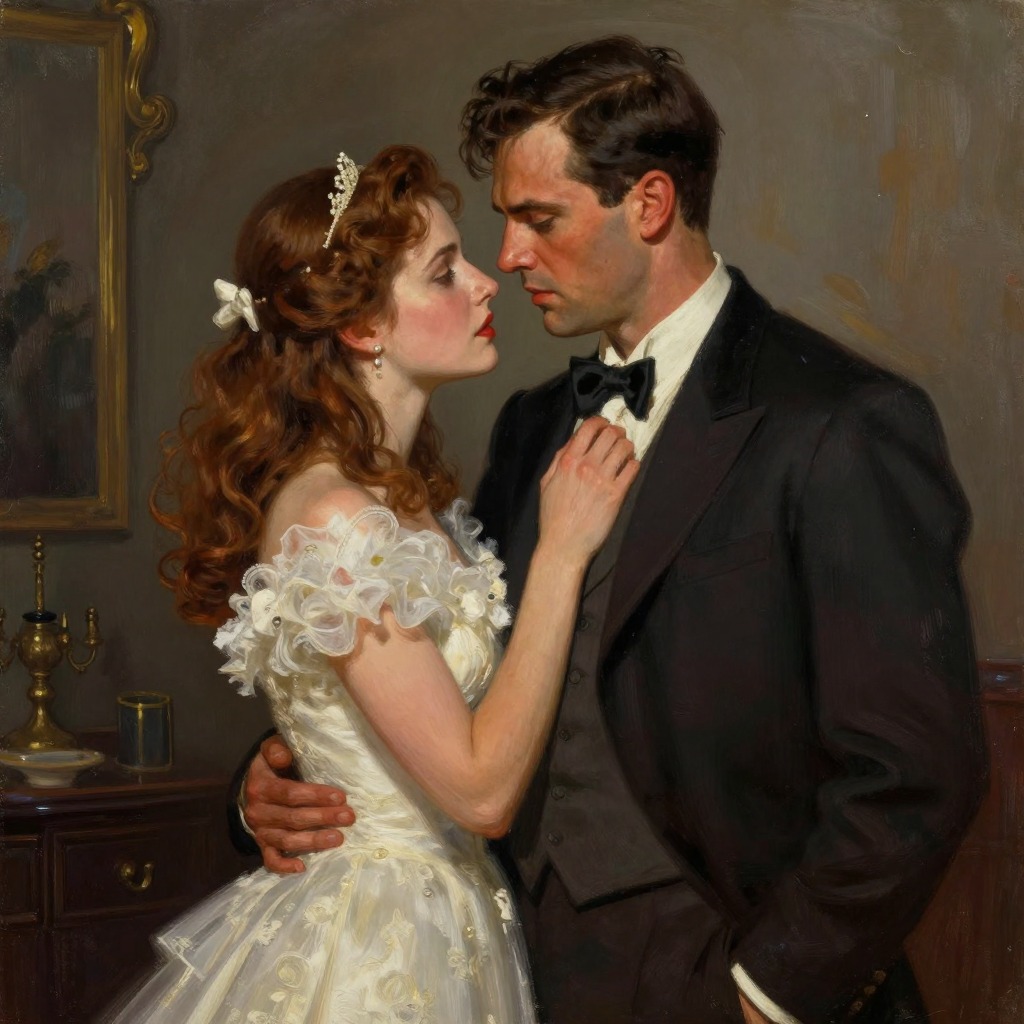
The Friendship of Stanley and Mitch

The bond between Stanley and Mitch is tested by the arrival of Blanche, leading to a rift when Stanley reveals the truth and Mitch is forced to reject Blanche.

The Marital Bond of Steve and Eunice from "A Streetcar Named Desire". Steve and Eunice's marriage is a mirror of Stanley and Stella's, characterized by violence, jealousy, and quick reconciliation, emphasizing the cycle of…

The Marital Bond of Steve and Eunice

Steve and Eunice's marriage is a mirror of Stanley and Stella's, characterized by violence, jealousy, and quick reconciliation, emphasizing the cycle of passion in the Quarter.
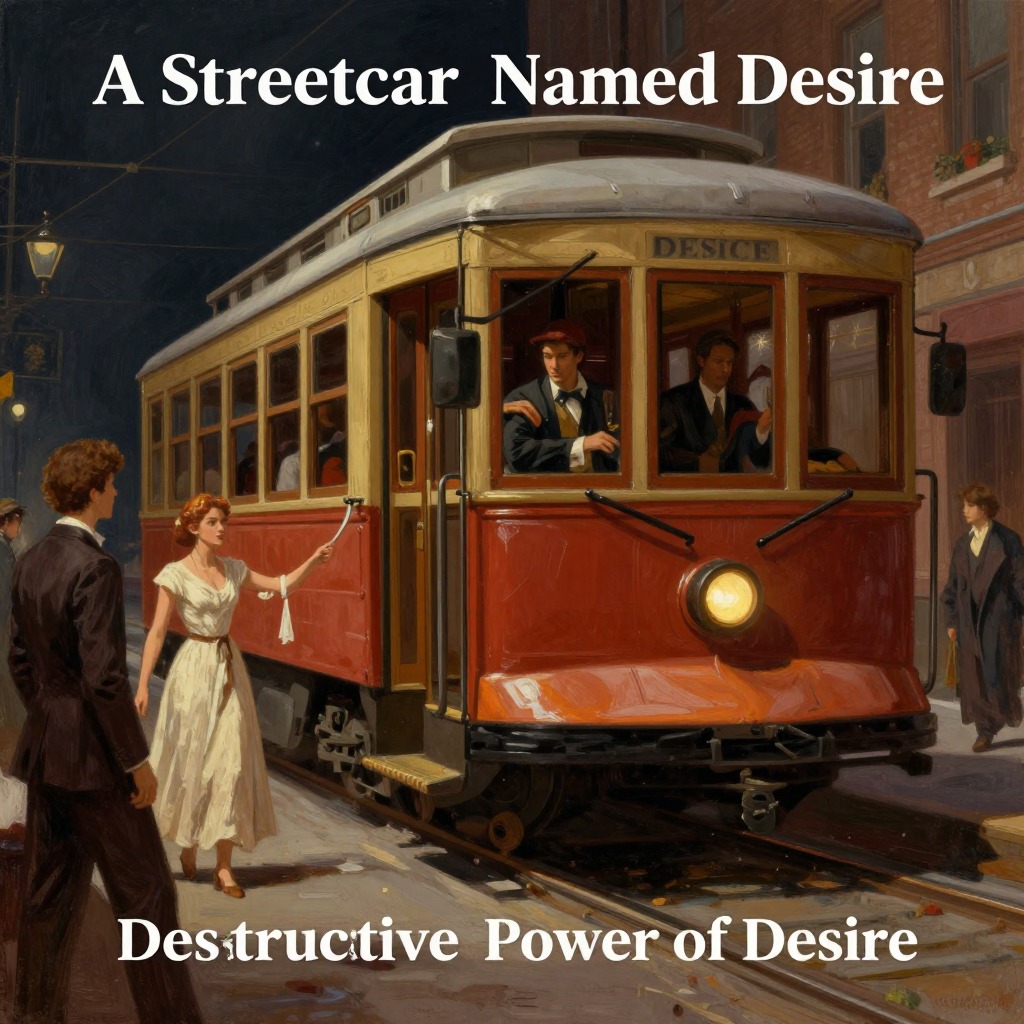
The Destructive Power of Desire from "A Streetcar Named Desire". The play uses the streetcar named Desire as a central metaphor for the uncontrollable force that drives the characters, leading to both pleasure and ruin.
The Destructive Power of Desire

The play uses the streetcar named Desire as a central metaphor for the uncontrollable force that drives the characters, leading to both pleasure and ruin.

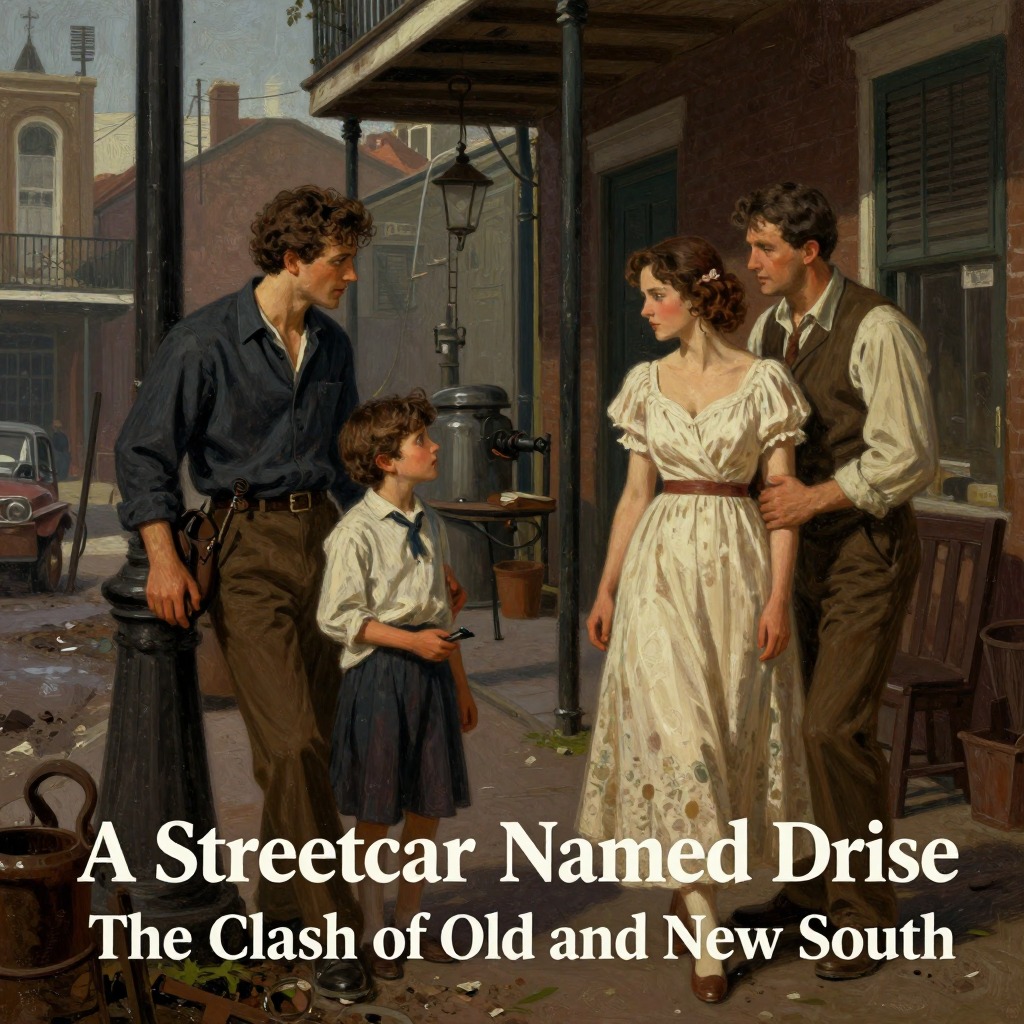
The Clash of Old and New South from "A Streetcar Named Desire". The play explores the tension between the romanticized plantation culture of the DuBois family and the gritty, industrial, multicultural reality of post-war…

The Clash of Old and New South

The play explores the tension between the romanticized plantation culture of the DuBois family and the gritty, industrial, multicultural reality of post-war New Orleans.

The Role of Illusion in Survival from "A Streetcar Named Desire". Blanche's reliance on illusion is both her weakness and her strength, allowing her to survive but also making her vulnerable to destruction.

The Role of Illusion in Survival

Blanche's reliance on illusion is both her weakness and her strength, allowing her to survive but also making her vulnerable to destruction.

The Kindness of Strangers from "A Streetcar Named Desire". The play's final line encapsulates Blanche's dependence on fleeting kindness, which is both her salvation and her tragedy.

The Kindness of Strangers

The play's final line encapsulates Blanche's dependence on fleeting kindness, which is both her salvation and her tragedy.

The Inevitability of Fate from "A Streetcar Named Desire". The play suggests that the characters are trapped by forces beyond their control—class, gender, and desire—leading to a predetermined tragic outcome.
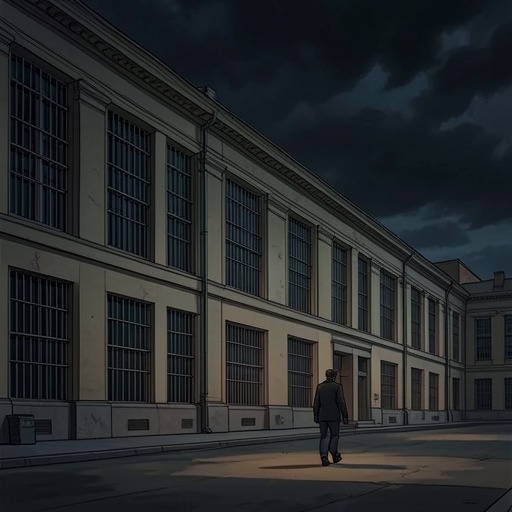
The Inevitability of Fate

The play suggests that the characters are trapped by forces beyond their control—class, gender, and desire—leading to a predetermined tragic outcome.

The Dehumanization of Institutions from "A Streetcar Named Desire". The state institution that takes Blanche away represents the cold, bureaucratic side of society, which offers no real help but only labels and confinement.

The Dehumanization of Institutions

The state institution that takes Blanche away represents the cold, bureaucratic side of society, which offers no real help but only labels and confinement.

The Blue Piano as a Symbol of the Spirit of the Quarter from "A Streetcar Named Desire". The recurring blue piano music represents the emotional and sensual life of the French Quarter, a constant backdrop to the drama.
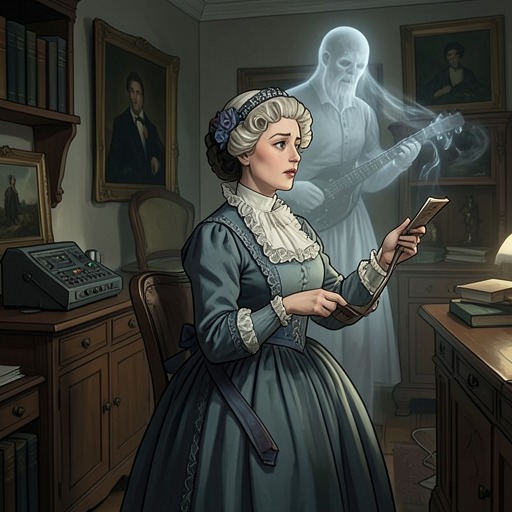
The Blue Piano as a Symbol of the Spirit of the Quarter

The recurring blue piano music represents the emotional and sensual life of the French Quarter, a constant backdrop to the drama.

The Varsouviana as a Symbol of Trauma from "A Streetcar Named Desire". The polka tune that plays in Blanche's mind whenever she is reminded of her husband's suicide is a symbol of her unresolved guilt and psychological…

The Varsouviana as a Symbol of Trauma

The polka tune that plays in Blanche's mind whenever she is reminded of her husband's suicide is a symbol of her unresolved guilt and psychological fragmentation.
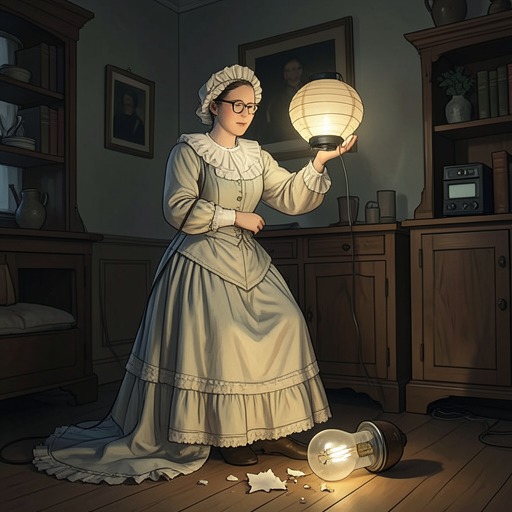
The Paper Lantern as a Symbol of Fragile Beauty from "A Streetcar Named Desire". The paper lantern that Blanche uses to cover the light bulb is a symbol of her need to soften reality, and its destruction represents the shattering of her…

The Paper Lantern as a Symbol of Fragile Beauty

The paper lantern that Blanche uses to cover the light bulb is a symbol of her need to soften reality, and its destruction represents the shattering of her illusions.
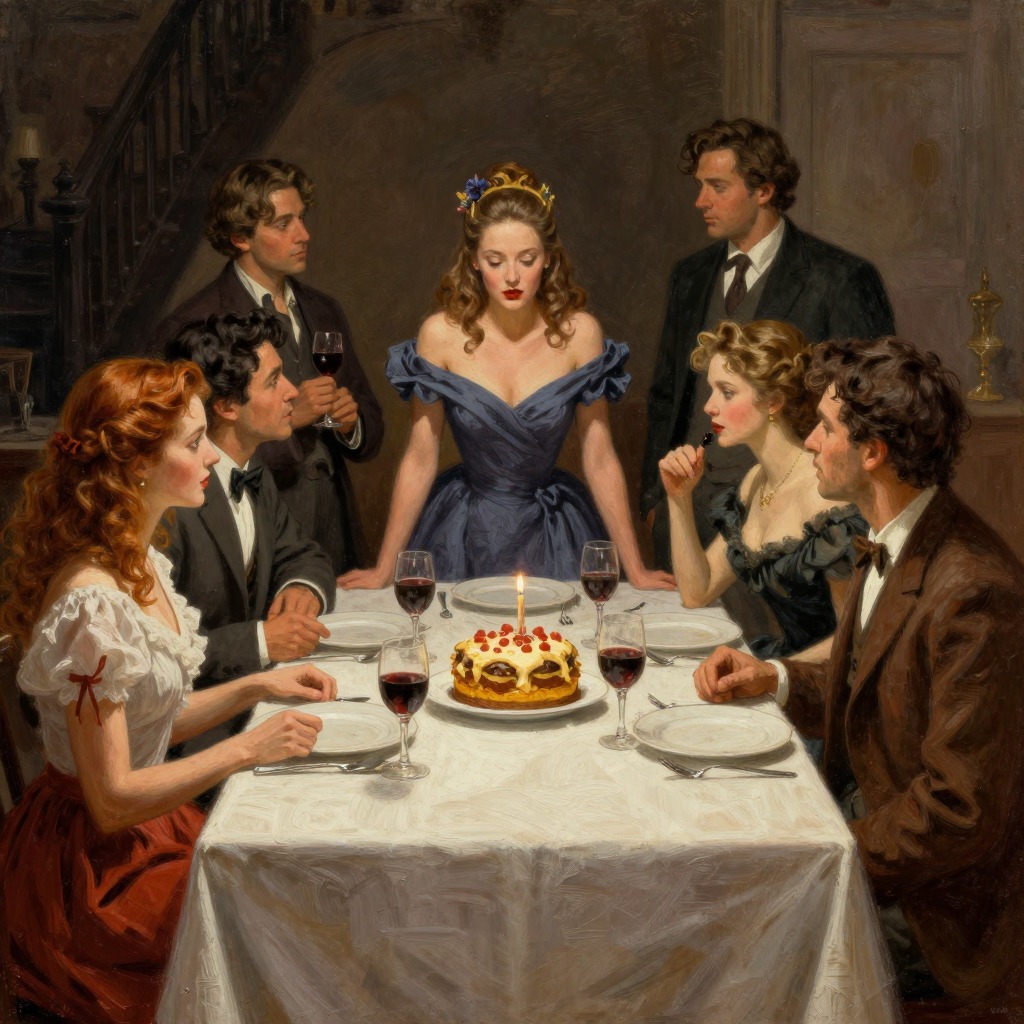
The Meal as a Failed Ritual from "A Streetcar Named Desire". The birthday supper is a ritual of community that goes horribly wrong, symbolizing the breakdown of the family and the expulsion of Blanche.

The Meal as a Failed Ritual

The birthday supper is a ritual of community that goes horribly wrong, symbolizing the breakdown of the family and the expulsion of Blanche.