The Loss of the Sampo
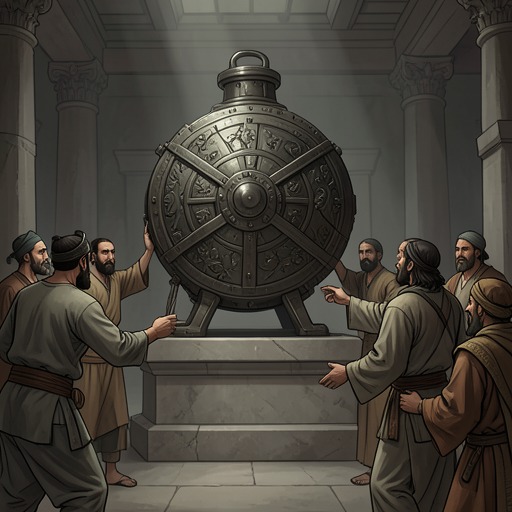
KalevalaThe Loss of the Sampo is the turning point in which the treasure sought by Wainamoinen and his companions is dragged into the sea and shattered. Louhi, hostess of Pohyola, enters the struggle as a formidable adversary, transforming into a monster-eagle to seize the Sampo; its destruction ends possession of the whole treasure but leaves fragments that promise renewed abundance.
The pursuit at sea
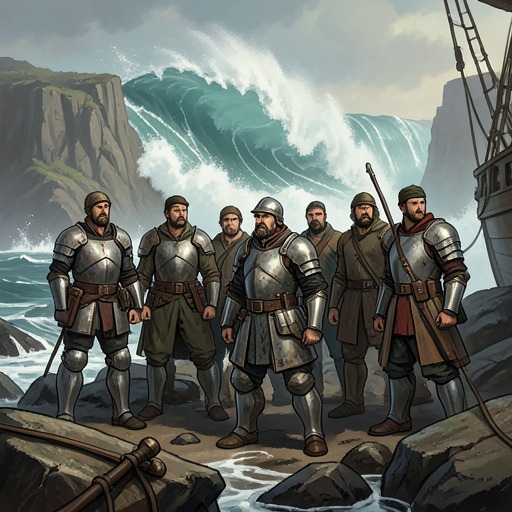
The episode unfolds amid the dangers of a sea crossing: the voyagers pass through a whirlpool and deep waters, while winds and waves carry them through hardship. Louhi calls her many tribes together, bringing the conflict between Pohyola and Wainamoinen’s party onto the water. The vessel is in danger of sinking, and Louhi tries to free it and rescue it from destruction. The struggle is therefore not simply over who will possess the Sampo; the ship and those aboard it are also threatened by the perilous conditions.
Louhi attacks
Louhi quickly spreads her powerful pinions and rises as a monster-eagle. Wainamoinen addresses her during the confrontation, naming her as the hostess of Pohyola. Louhi then swoops down upon the Sampo’s many-colored lid and grasps the treasure in her talons. In the continuing struggle she holds the Sampo with one talon, drags it toward the water, and drops the magic lid into the sea. The action turns a contest over the treasure into its physical loss: what Louhi seizes cannot remain intact in the violence of the encounter.
Fragments and aftermath
The Sampo breaks apart, and many fragments float across the boundless waters. Its destruction is consequential, but the ending does not present the fragments as worthless debris. Wainamoinen declares that they will bring forth sprouting seed-grain, begin good fortune, and provide resources without end. The conclusion thus holds loss and renewal together: the complete Sampo has vanished beneath the sea, while its scattered remains carry the promise of fertility and future prosperity. The episode closes not with the recovery of the treasure, but with a new account of what its fragments can make possible.