Simon Illyan
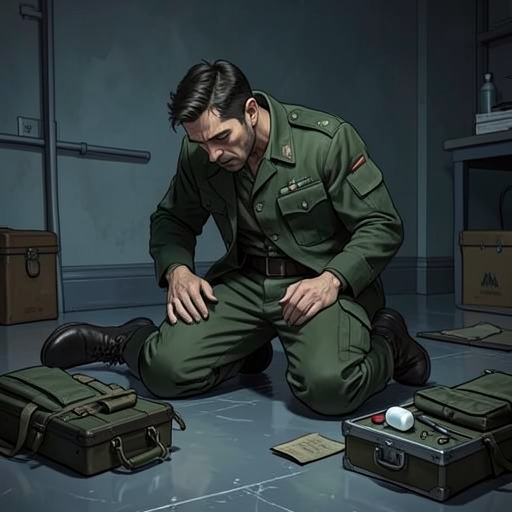
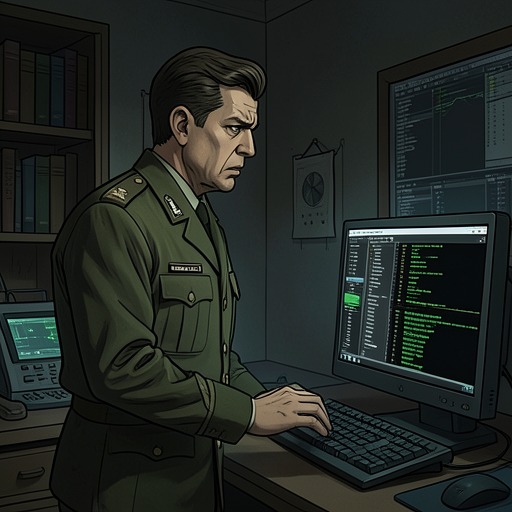
MemorySimon Illyan is ImpSec’s formidable chief, a trusted servant of the Imperium, and one of the most consequential figures in Miles Vorkosigan’s life. The failure of Illyan’s eidetic memory chip turns a private medical crisis into an institutional emergency: his memories become unreliable, his authority is compromised, and an artificial attack on the chip is eventually uncovered. Its removal saves him from continuing damage but costs him the stored record on which his work and identity have long depended. His recovery begins not with the return of perfect recall, but with new relationships and practical ways to navigate a world he can no longer retrieve automatically.
Identity and Command
Illyan’s authority rests on a reputation for exacting judgment and restraint. As chief of ImpSec, he delegates dangerous work to Miles Vorkosigan, including the rescue of Lieutenant Vorberg after hijackers seized a freighter registered to Zoave Twilight. Illyan’s concerns reach beyond recovering the courier and his diplomatic packets: he also wants to establish whether the kidnapping was accidental or deliberate, since an intentional abduction would point toward an internal security problem. The mission is backed by the Empire as well as the ship’s insurer, an indication of how seriously Illyan treats the protection of Imperial personnel and communications.
That institutional concern also has a personal dimension. After the rescue, an embassy case reaches Miles aboard the Peregrine with an interim credit payment for the mission. Miles understands the payment as evidence that Illyan had acted to ensure the fleet would not lack resources before headquarters learned that the operation was complete. Miles and Elli Quinn connect this protection of personnel to ImpSec’s older institutional values: the organization may present itself as modern, but it still takes care of its own. Illyan’s care is expressed through funding, assignments, and decisive attention to a subordinate’s safety rather than sentimentality.
Illyan’s command style shapes Miles’s understanding of authority. In a private meeting, he closes and locks the outer-office door before addressing Miles, creating the expectation of unusually important business. He generally controls anger through carefully chosen language rather than raised volume, a discipline Miles admires. The scene also reveals how closely Miles watches his commander: he reads a change in Illyan’s manner as a possible sign of a major assignment, while Illyan’s actual concern is the truth about Miles’s medical condition.
Miles Vorkosigan and the Breach of Trust
Illyan’s relationship with Miles combines professional dependence with a long familial history. Miles says that he served Illyan for nine years, across more than thirty missions, and invokes the lives and sacrifices involved when Illyan offers him a medical discharge without prejudice. Illyan acknowledges that record, but regards Miles’s concealment of his post-revival seizures as a knowing betrayal of both the subordinates who depended on him and the superiors who trusted him. Lieutenant Vorberg’s condition makes the consequences of Miles’s concealment concrete. Illyan presents resignation as the best course for Miles and for the Vorkosigan name, not as a denial of Miles’s past service.
The rupture is especially painful because Illyan has been more than a commander. Miles tells Gregor that, until entering the Service Academy at eighteen, he called Illyan Uncle Simon. Illyan had served Miles’s father for thirty years and had no surviving family of his own at the time Miles reflects on their bond. Miles consequently understands the chip not just as a work instrument but as something that may have occupied the place of a private life. His worry during Illyan’s illness draws on his own frightening experience of post-cryo-revival amnesia: he recognizes the loss of memory as a possible loss of self, while fearing that Illyan is disoriented among people who should be his friends.
Illyan later asks whether Miles has ever known him to make a simple mistake. Miles jokes that Illyan fired him, but Duv Galeni is asking about errors in Illyan’s ordinary functioning. Galeni reports four unusual incidents over three days, beginning when Illyan requested a digest a second time after it had already been delivered and logged. The repeated request, followed by Illyan’s apology after finding the relevant code card, appears minor in isolation. Galeni’s account gives it significance as an early, observable break in the reliability that had defined Illyan’s work.
Memory Failure and Medical Crisis
The explanation arrives through delayed medical records from Jackson’s Whole. Copies of the records made by Miles’s cryo-revival surgeon had taken months to emerge from the confusion surrounding the Durona Group’s departure and the dispersal of records between Escobar and House Fell. Illyan tells Miles that the analysis section finally recognized their significance: Miles had concealed seizures from the ImpSec physicians responsible for returning him to duty. The discovery turns Miles’s unreported condition into a question of professional trust and duty.
Illyan’s own crisis then makes memory itself the immediate danger. During an all-departments briefing, he breaks down; later, in the clinic, he recognizes Miles and urgently asks whether a five-year-old rescue mission has succeeded. He is thinking of the extraction of Lord Vorvane’s wife and children, and of a commander at Sector Four who had been waiting for news. Miles confirms that the family was brought out safely. Illyan’s question is not simply a mistake about dates: the past has become present to him with the force of an active responsibility.
Miles identifies the source as Illyan’s chip, not his brain. At roughly five-minute intervals, the failing device releases a different set of exceptionally vivid memories from random points in the past. The resulting mental disorder is devastating, and the available choices are stark: removing the chip will destroy the data still stored on it, while leaving it in place will continue to harm Illyan. Because Illyan cannot give informed consent in his condition, the decision requires others to act on his behalf. After surgery, he wakes uncertain of his location and asks why Miles is there. Miles explains that the eidetic chip has failed irreparably and has been removed.
The event is eventually shown to be more than a natural equipment failure. Admiral Avakli reports that investigators have found the damage to Illyan’s neural implant was artificially created. Illyan’s medical emergency is therefore bound to an attack within the security system he has spent his career protecting. The evidence of sabotage shifts the problem from treatment alone to accountability and makes restoring Illyan’s personhood inseparable from exposing the institutional betrayal behind his illness.
Recovery, Relationships, and Changed Memory
After the operation, Illyan’s memory is incomplete. When Miles asks about an earlier prokaryote sample, Illyan recalls Ser Galen’s plot, the discovery of Mark, and Miles’s report from Earth, but the period relevant to the investigation remains largely blank. He states that for thirty years he has taken no medication except what his personal physician gives him directly. That assurance narrows the possibilities Miles is considering, though it does not by itself resolve the investigation. Illyan can still reason and contribute; what he can retrieve, and when, is no longer the dependable archive it once was.
Illyan’s personal life becomes more visible during this recovery. At breakfast, he appears in bedroom slippers and a tunic beside Alys Vorpatril, whose warm greeting he echoes before noticing Miles’s exhausted appearance and turning to the investigation. Alys takes Illyan’s hand as he sits tensely listening to Miles’s report. Later, at a social gathering, Illyan dances with her well enough to surprise Miles and Ivan Vorpatril. Miles considers that the change may reflect an effect of chip removal, or simply the lifting of a responsibility Illyan had carried for decades. The scenes mark a change in how others see him: the man long understood as perpetually on duty is now present in an intimate and social life.
His recovery also depends on substitutes for the device that once supplied effortless recall. Cordelia Vorkosigan gives him a holocube containing a detailed map of the populated parts of the world, down to street and mountain-range scale. Illyan uses it to find his way back after walking around town alone. He is delighted by the device because it makes knowledge available in his hand, including information he did not previously know. Cordelia also gives him an audionote filer that automatically cross-references material by keyword. Illyan recognizes it as a crude but adequate aid to ordinary memory: not a restoration of the chip, but a tool that lets him function without it.
Accountability and Narrative Significance
When Miles and Illyan confront the case against Lucas Haroche, Illyan greets his former subordinate with cold composure. Miles observes that Haroche has avoided facing the people harmed by his actions, and that the consequences of a single choice have expanded beyond what Haroche could control. Illyan’s presence gives the confrontation a personal as well as official weight: the man whose mind was attacked must face the officer implicated in the deception. After Gregor leaves, Illyan follows Miles into the corridor, maintaining his old habit of not leaving Miles exposed to a possible hazard. His protective reflex survives the collapse of his former memory system.
The chip’s failure changes the terms of Illyan’s identity without erasing his history. For decades, his work has depended on a device that preserved an exact record; after its removal, memory is partial, assisted, and shared with other people. The maps and filing device make that alteration visible in everyday practice, while his renewed closeness with Alys and continued concern for Miles show other kinds of continuity. Illyan is no longer defined solely by what he can recall or by the office he commands. His recovery rests on judgment, relationships, and practical adaptation: capacities that remain even when the perfect archive is gone.