The Ritz, London
MunichThe Ritz, London is the setting for a brief but decisive collision between private life and public emergency: on 27 September 1938, Hugh Legat waits in its restaurant to meet Pamela, then abandons their lunch when 10 Downing Street calls him away. Its polished dining room gives the crisis a social, everyday surface even as the threat of war presses into the scene.
Setting and First Appearance
Shortly before one o’clock, Legat is shown to a table beside one of the restaurant’s floor-to-ceiling windows. He orders a half-bottle of 1921 Dom Perignon that he cannot afford, unfolds The Times to page seventeen, and reads for the third time Adolf Hitler’s speech from the previous night at Berlin Sportpalast. The window, the newspaper and the repeated reading place the widening European crisis directly inside a fashionable London lunch.
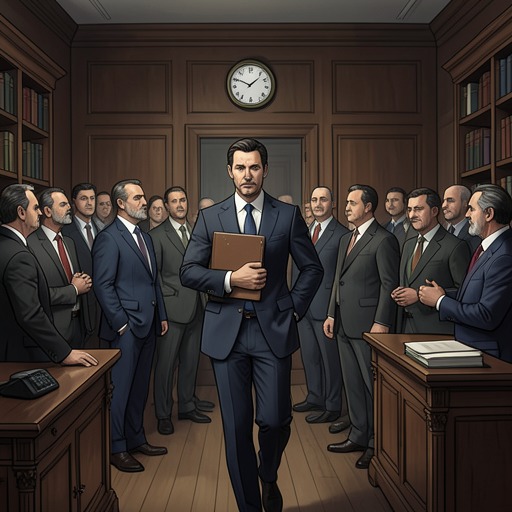
Legat has made the reservation a fortnight earlier, before the crisis has intensified. At twenty-eight, he appears older than his age: pale, grave, and dressed in a dark suit. As he waits, he checks the pocket watch he carries on a chain rather than on his wrist. The restaurant’s elegance does not relieve his anxiety; it frames his attempt to keep an ordinary appointment while events make ordinary time feel precarious.
Pamela’s Arrival
At a quarter past, Legat catches Pamela’s reflection among the flowers in the restaurant’s gilded mirrors. She is searching the room, nearly on tiptoe, her neck extended; he watches her as if she were a stranger and wonders what he would make of her if she were not his wife. The mirror briefly turns their reunion into an act of looking and recognition, while his attention to her appearance recalls the social judgments he overheard at their engagement party, where she was described as striking, handsome and far above his station.
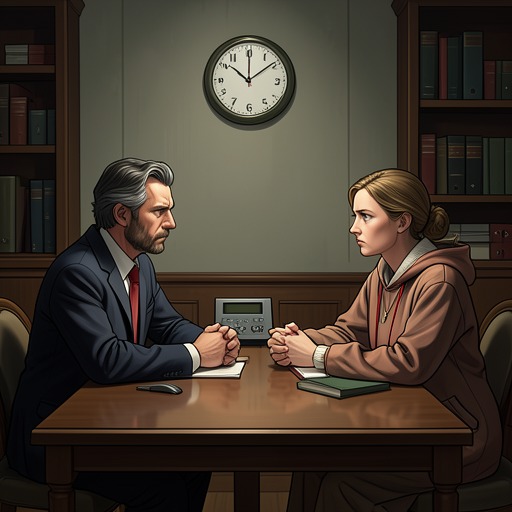
Pamela approaches in a tight skirt and tailored silk jacket, drawing the attention of other diners. She kisses him firmly and apologizes repeatedly for being late. Over the previous twelve months, Legat has learned not to ask where she has been. She brings a small cardboard box as well as her handbag, placing it on the table before taking off her gloves. Their lunch therefore begins with signs of strain and withheld explanation, rather than with the ease of a settled domestic meeting.
Interruption and Departure
The restaurant’s maître d’ announces that 10 Downing Street is on the telephone for Legat, loudly enough for nearby tables to hear. Legat throws down his napkin and rises to take the call. Pamela tells him to go and save the world, adding that they can have lunch another time, and begins packing her things into her handbag. The public summons interrupts the couple’s already uneasy meeting and makes Legat’s diplomatic work an immediate force within their private relationship.
After the call, Legat hurries back through the lobby, but the Ritz staff have already cleared their table. Outside, he cannot find a taxi in Piccadilly and sets off on foot, still glancing across the road in the hope of seeing Pamela. The empty table is the scene’s quiet consequence: the lunch has ended without a resolution between them, while Legat’s attention turns toward the city and the crisis beyond the hotel.
As he continues toward St James’s Park, Legat imagines Germany attacking Czechoslovakia, France declaring war on Germany, Britain supporting France, and his children wearing gas masks. He pictures the Ritz’s diners abandoning their white tablecloths to crouch in slit trenches in Green Park. The contrast gives the hotel’s composed dining room a fragile quality: it remains a place of lunch and manners even as Legat can imagine those same diners driven into wartime shelter.