Belt (father's)
Carl Decker's belt is the weapon he reaches for in the garage confrontation with his son Charlie, a scene that marks the climax of their long, corrosive relationship and Charlie's definitive refusal to submit to paternal violence. The belt, a standard Navy-issue piece, becomes the instrument through which the Deckers' buried hatred surfaces and the power balance between father and son finally shifts.
Appearance and Context
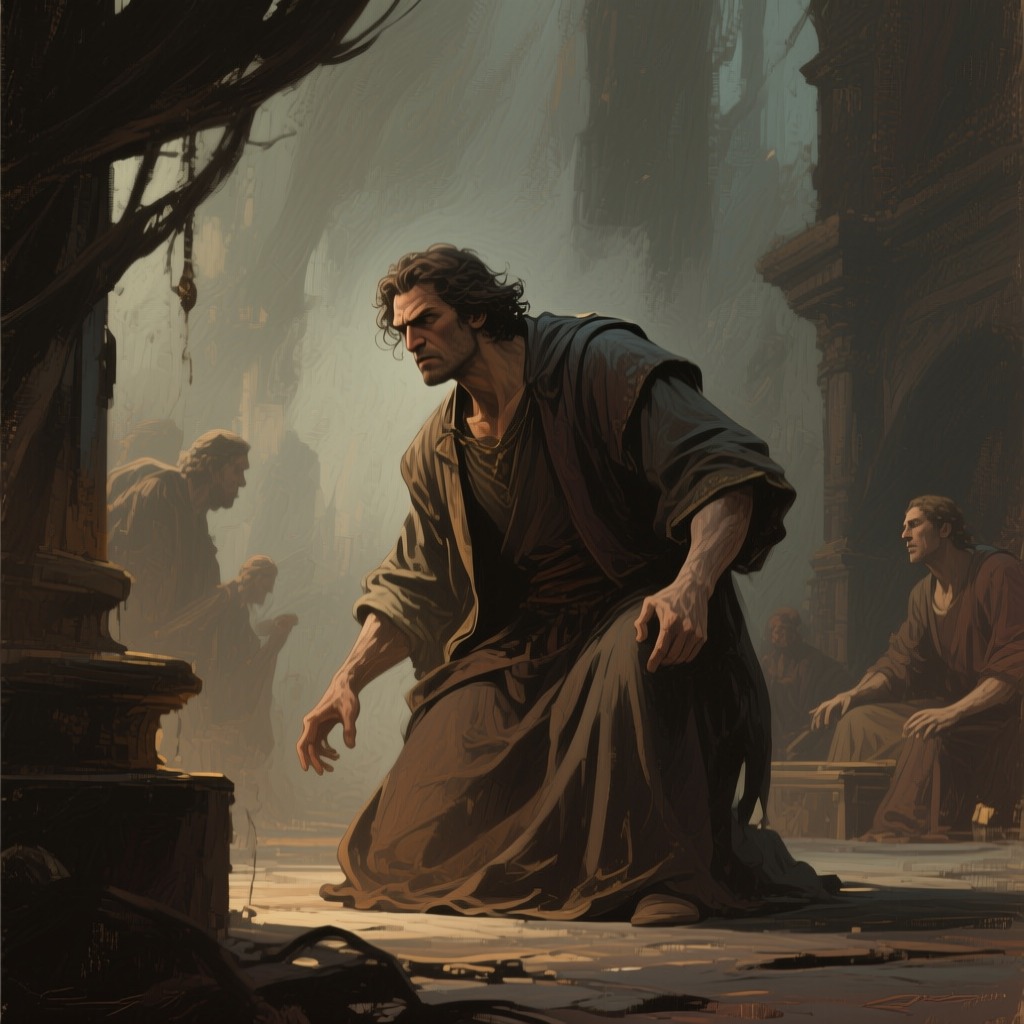
The belt appears in the Decker garage, a space Carl keeps "completely trim" and "shipshape" — a place for everything and everything in its place, with tools hung neatly on nails and the riding lawnmower placed precisely against the wall. Charlie has come out after changing into jeans and an old chambray workshirt, knowing that his father wants to see him following the incident with Mr. Carlson. Carl stands in faded twill khakis and a hunting shirt, and for the first time Charlie notices how old his father is starting to look — his belly bulging, veins burst in his nose, the lines around his mouth and eyes deeper. When Charlie says his mother is sleeping, Carl nods and says "That's how we want it, isn't it?" before starting to take off his belt.
The Confrontation
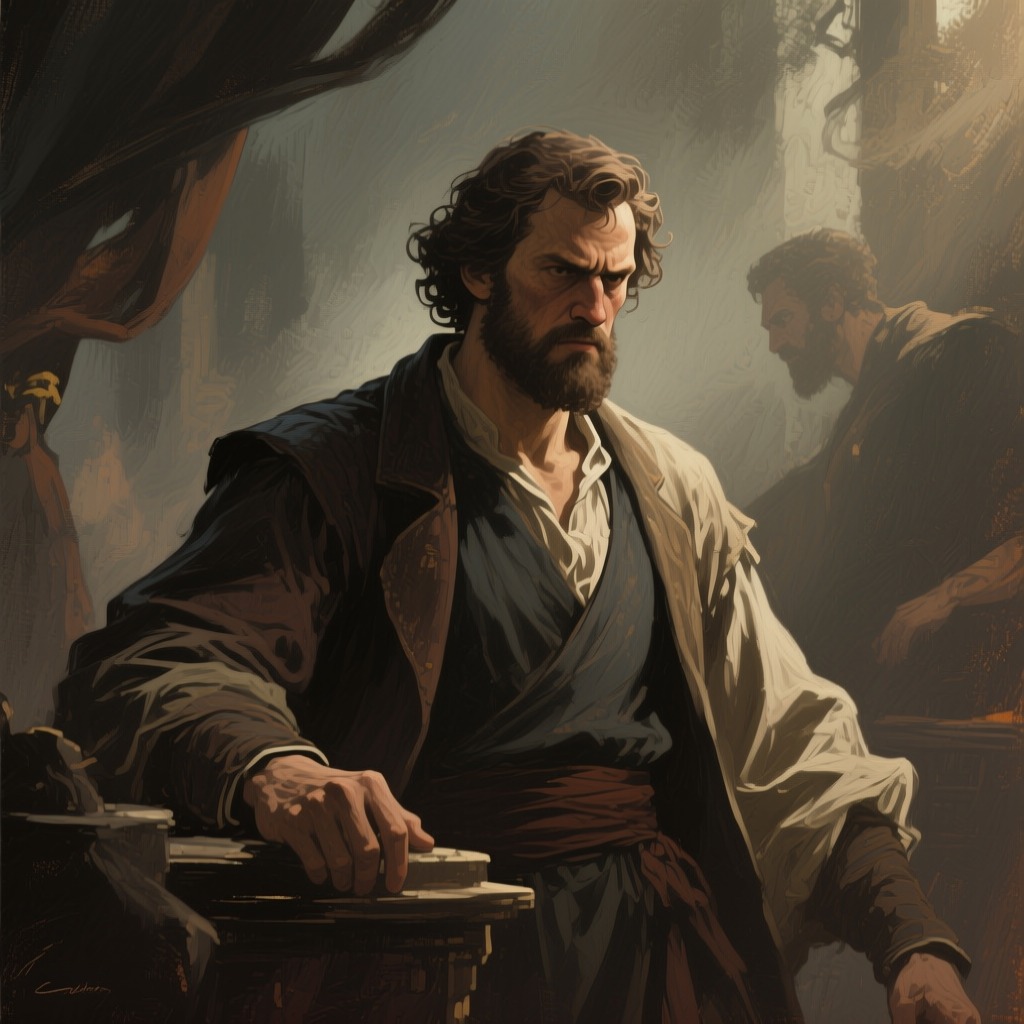
Carl declares "I'm going to take the hide off you," but Charlie responds "No. You're not." When Carl pauses, the belt half out of its loops, Charlie tells him that if he comes at him with it, he will take it away — for the time Carl threw him on the ground when he was little and then lied about it, for every time he belted Charlie across the face without giving a second chance, and for the hunting trip when Carl said he would slit his wife's nose if he ever caught her with another man. Carl goes deadly pale and calls Charlie a "gutless, spineless wonder," but Charlie continues, telling his father he stinks, that he fucked up his marriage and his only child. Carl warns him to stop before he stops wanting to punish and starts wanting to kill. Charlie, crying harder, says he has wanted to kill Carl for thirteen years.
The Violence
Carl comes at Charlie with the belt wrapped in his fist, the buckle end dangling. He swings, and Charlie ducks; the buckle hits the hood of the Country Squire wagon with a hard clank, scoring the finish. Carl's tongue is caught between his teeth, his eyes bulging — the same look he had the day Charlie broke the storm windows. Charlie wonders if that is the way Carl looks when he makes love to his mother, and the thought freezes him. The next swing catches him: the buckle rips into his cheek, pulling it open in a long furrow that bleeds heavily. Charlie grabs the end of the belt and pulls, jerking Carl off balance, then trips him so he thumps to the oil-stained concrete floor. Charlie doubles the belt and brings it down on Carl's broad khaki ass — a loud smack that probably doesn't hurt much but makes Carl cry out in surprise. When Carl gets up warily and suggests taking Charlie to the doctor, Charlie taunts him, and Carl lunges. Charlie hits him across the face with the belt, then drops it and punches him in the stomach as hard as he can. The air whiffles out of Carl, and he doubles over, his belly soft.
Aftermath and Significance
Carl straightens up, pale and sick, a red mark across his forehead from the belt. He pulls a hardhead rake off the wall, and Charlie reaches beside him and pulls the hatchet off the wall, holding it up with one hand. "Take one step, and I'll cut your head off, if I can," Charlie says. They stand there trying to figure out if they mean it. Then Carl puts the rake back, and Charlie puts the hatchet back. There is no love in the way they look at each other. Carl drives Charlie to the emergency room in Brunswick, where the doctor puts six stitches in his cheek, and they tell Charlie's mother he tripped over stove wood. They never discuss it again. Carl never tries to tell Charlie what to do again. They live in the same house but walk in wide circles around each other, like a pair of old toms. The belt, as an object, is the tangible instrument of this final rupture — the tool Carl reaches for to reassert a dominance that Charlie, now grown, refuses to accept, and the weapon that leaves a permanent scar on Charlie's face and on their relationship.