StoryFlow
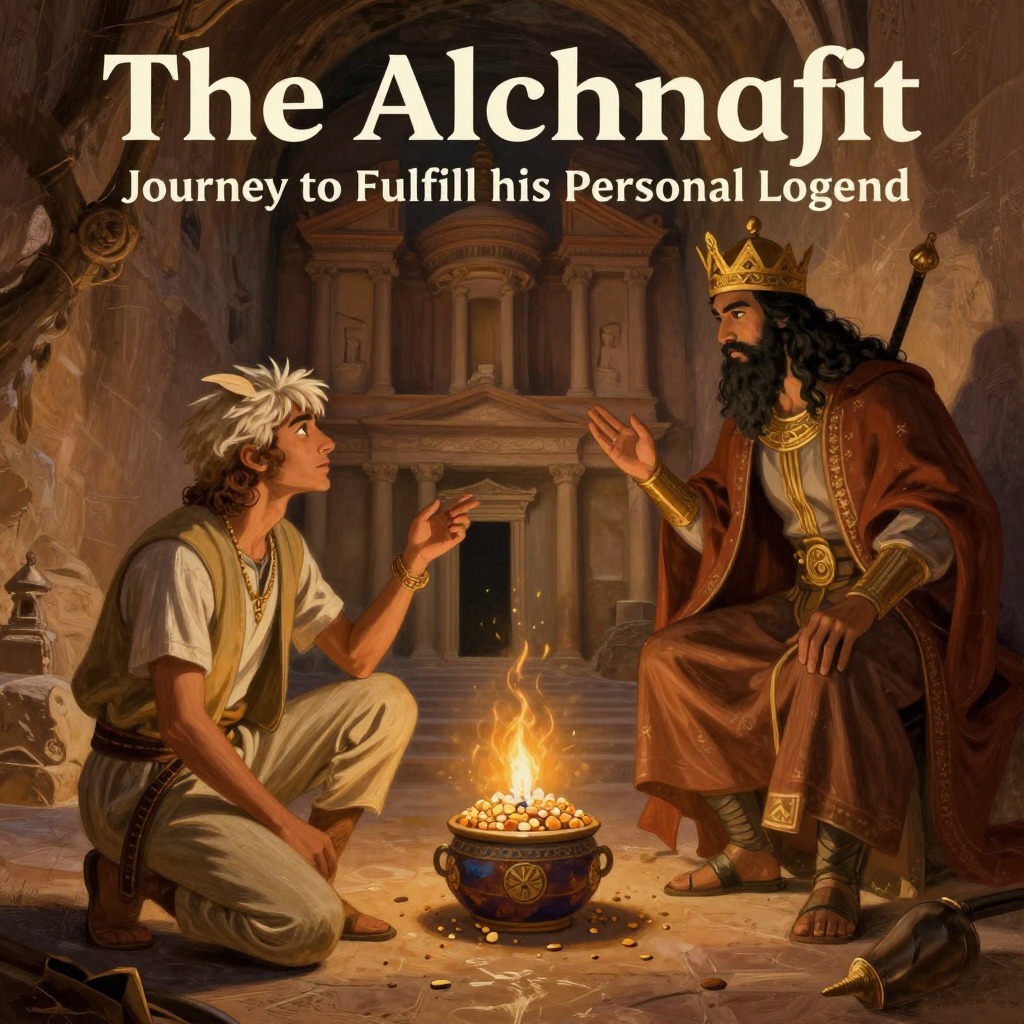
Santiago's Journey to Fulfill His Personal Legend
Santiago's entire arc from a shepherd in Andalusia to discovering the treasure at the abandoned church, following the guidance of omens and the king.
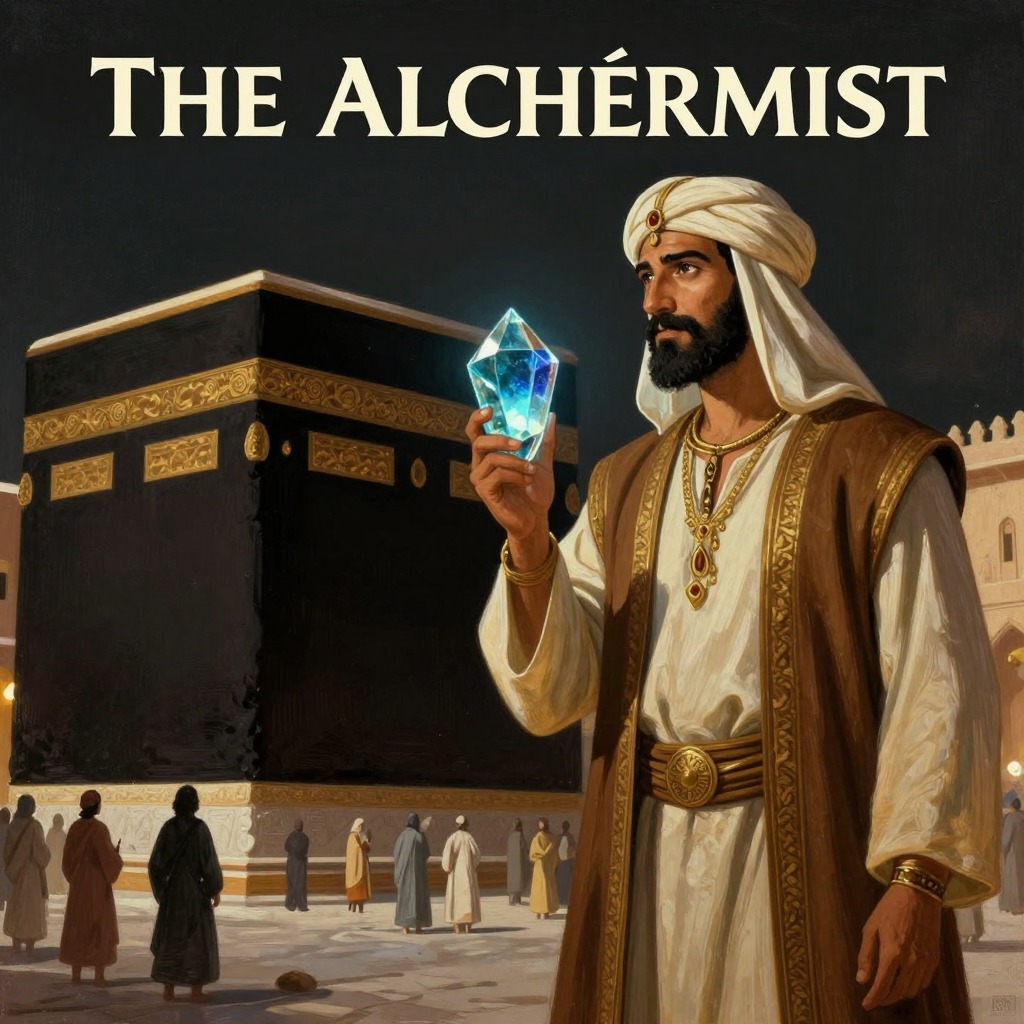
The Crystal Merchant's Dream of Mecca
The crystal merchant's lifelong desire to visit Mecca and his fear of realizing that dream, which serves as a foil to Santiago's determination.
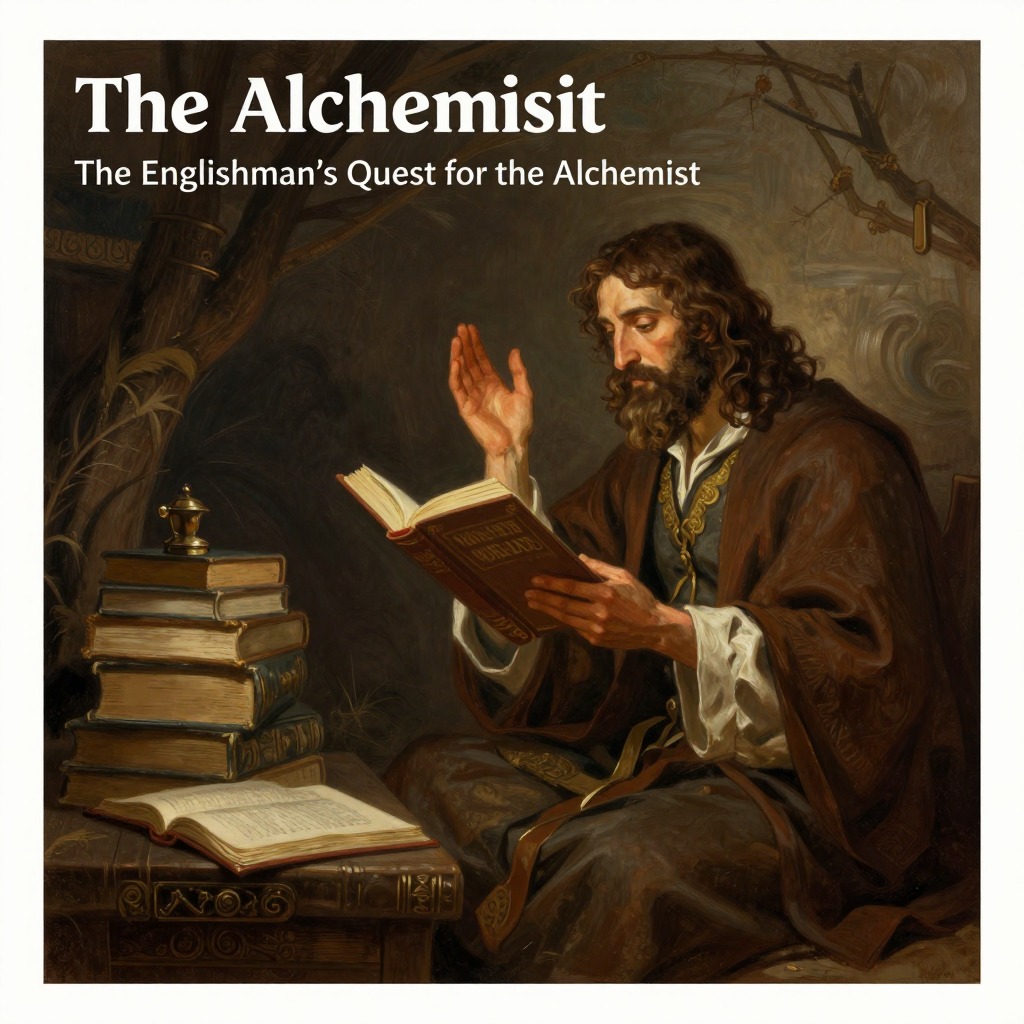
The Englishman's Quest for the Alchemist
The Englishman's intellectual pursuit of alchemy and his journey to find the legendary alchemist, contrasting book learning with experiential wisdom.
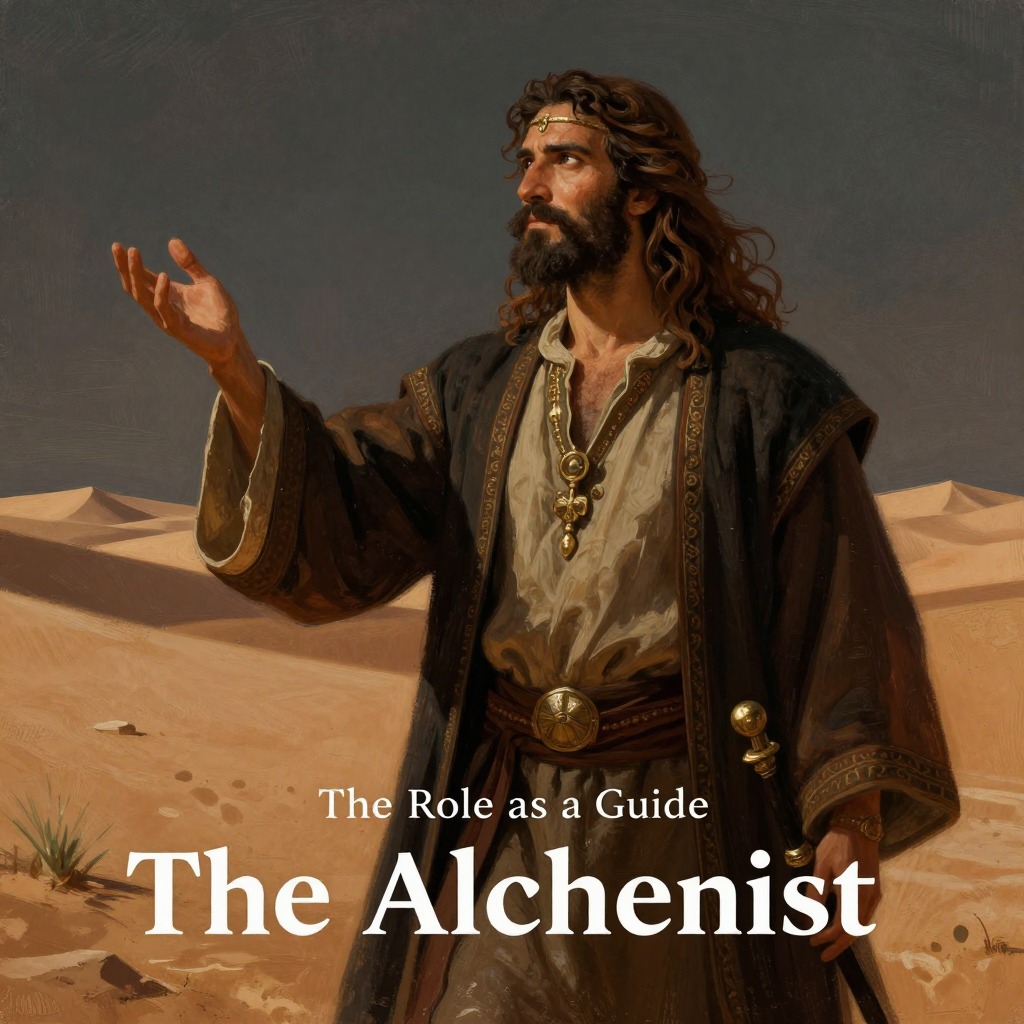
The Alchemist's Role as a Guide
The alchemist's mysterious presence and his mission to teach the final secrets to Santiago, embodying the wisdom of the desert.
The Camel Driver's Philosophy of the Present
The camel driver's wisdom of living in the moment, learned from personal tragedy, and his influence on Santiago.
The Gypsy Woman's Prophecy and Claim
The old Gypsy woman's interpretation of Santiago's dream and her demand for a share of the treasure, which creates a promise that is eventually fulfilled.
Santiago's Personal Growth: From Shepherd to Seer
Santiago's evolution from a naive boy who only knew sheep to a man who understands the Language of the World and can read omens.
Fatima's Destiny: Love and Waiting
Fatima's role as a desert woman who loves Santiago and supports his quest, embodying the ideal of love that does not hold back.
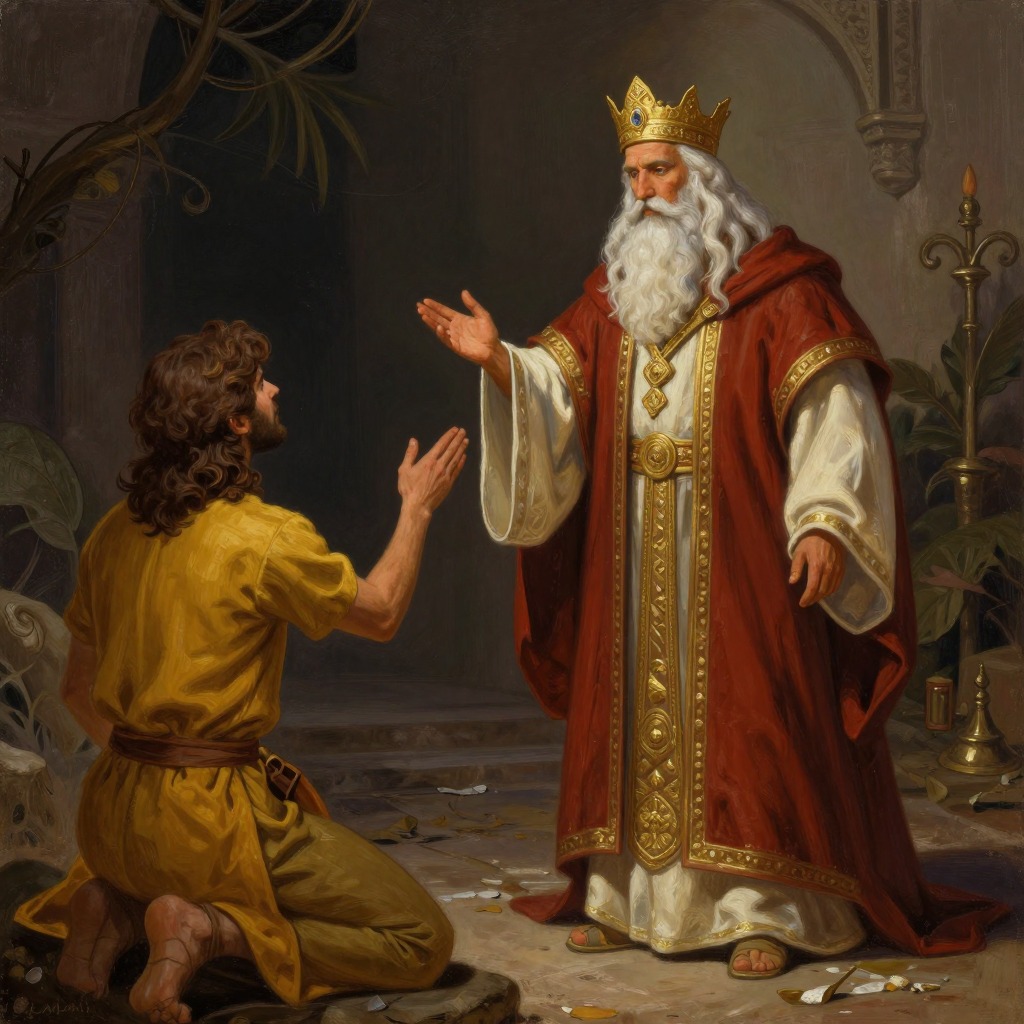
Melchizedek's Role as Divine Messenger
The king of Salem appears to guide Santiago at the beginning, setting him on the path of his Personal Legend.
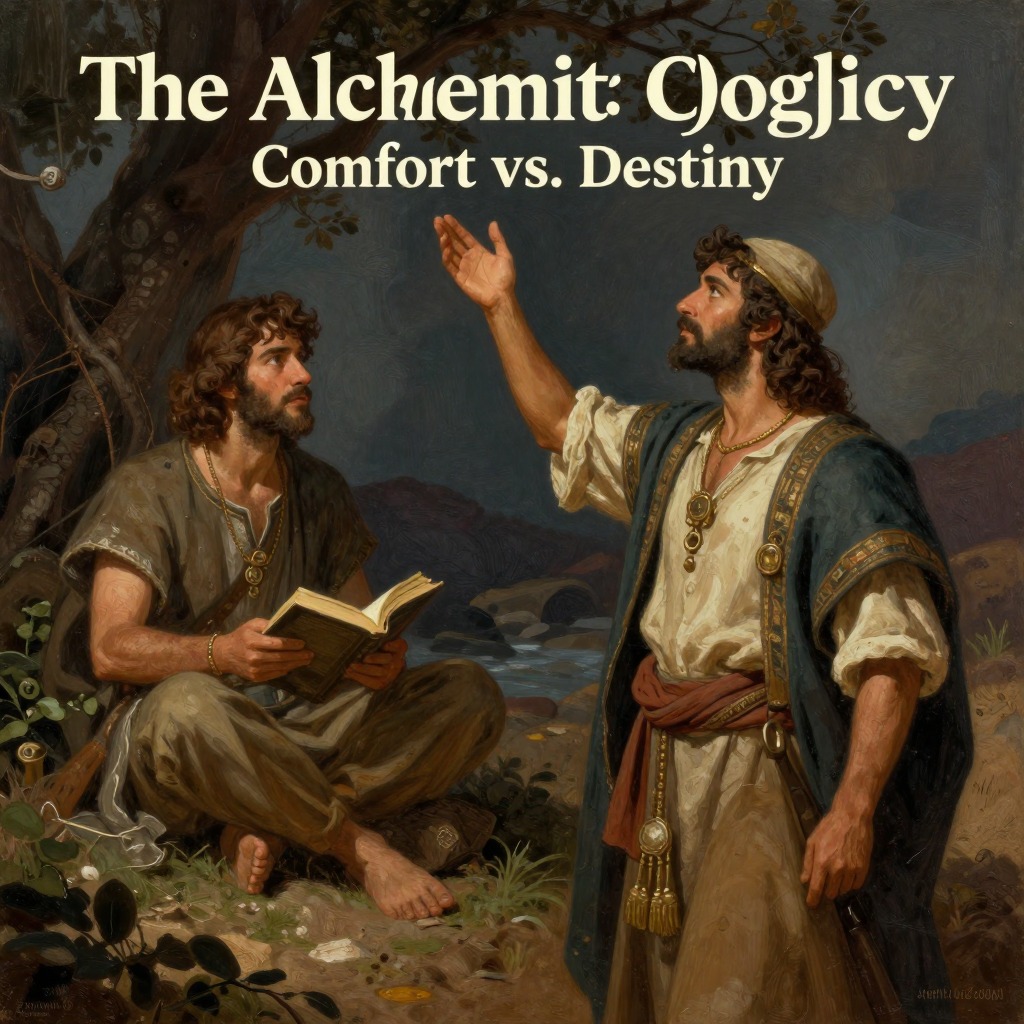
Santiago's Internal Conflict: Comfort vs. Destiny
Santiago's ongoing struggle between the safety of his old life and the call to pursue his dream, tested at multiple junctures.
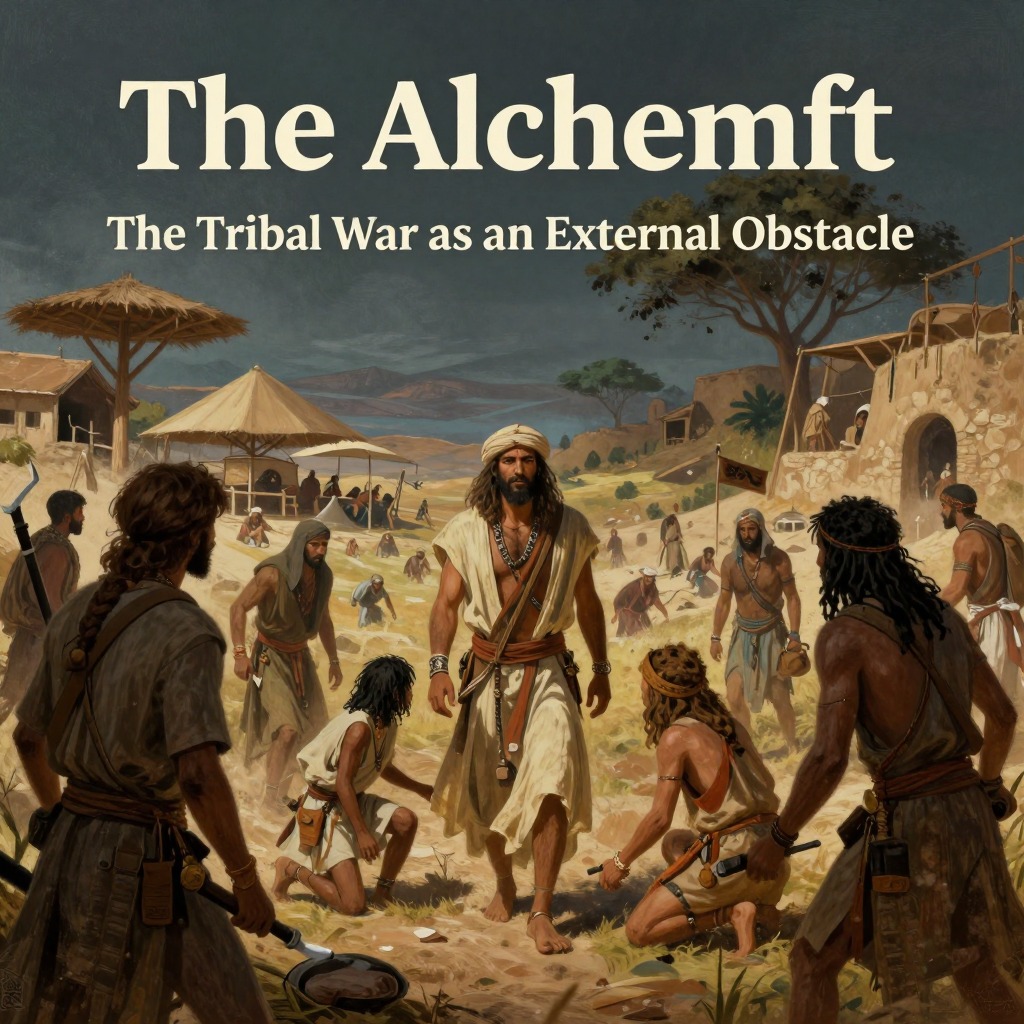
The Tribal War as an External Obstacle
The ongoing tribal war that threatens the journey and the oasis, creating a backdrop of danger and testing the characters.
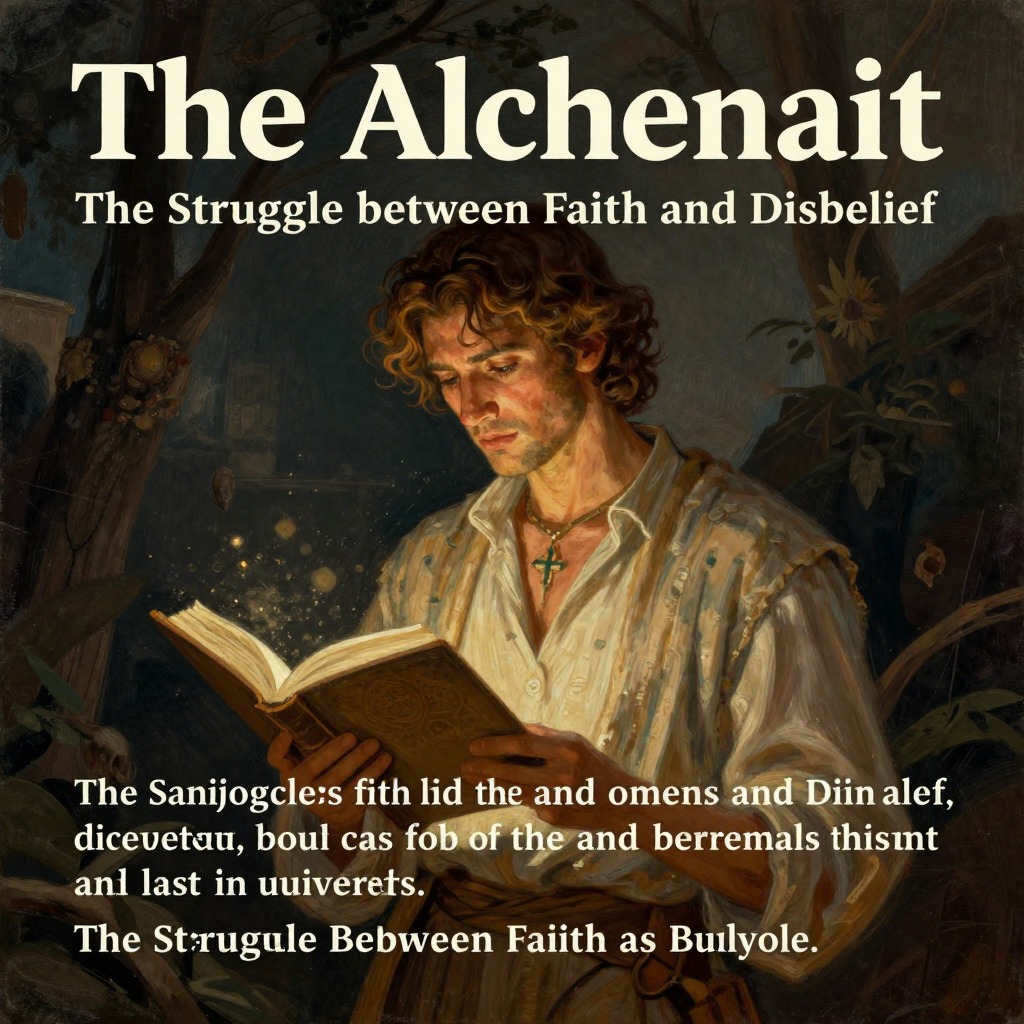
The Struggle Between Faith and Disbelief
Santiago's wavering faith in the omens and the universe, tested by betrayals and setbacks, and his ultimate reaffirmation.
The Conflict of Love vs. Destiny
The tension between Santiago's love for Fatima and his need to continue his quest, resolved by the understanding that true love supports destiny.
Santiago and Fatima's Love Story
The development of the romantic relationship between Santiago and Fatima, from first meeting to the promise of reunion.
Santiago and the Alchemist's Master-Disciple Bond
The relationship between Santiago and the alchemist, which develops from a test of courage to a deep transmission of wisdom.
Santiago and the Crystal Merchant's Mutual Influence
The relationship between Santiago and the crystal merchant, where each learns from the other, though the merchant ultimately cannot change.
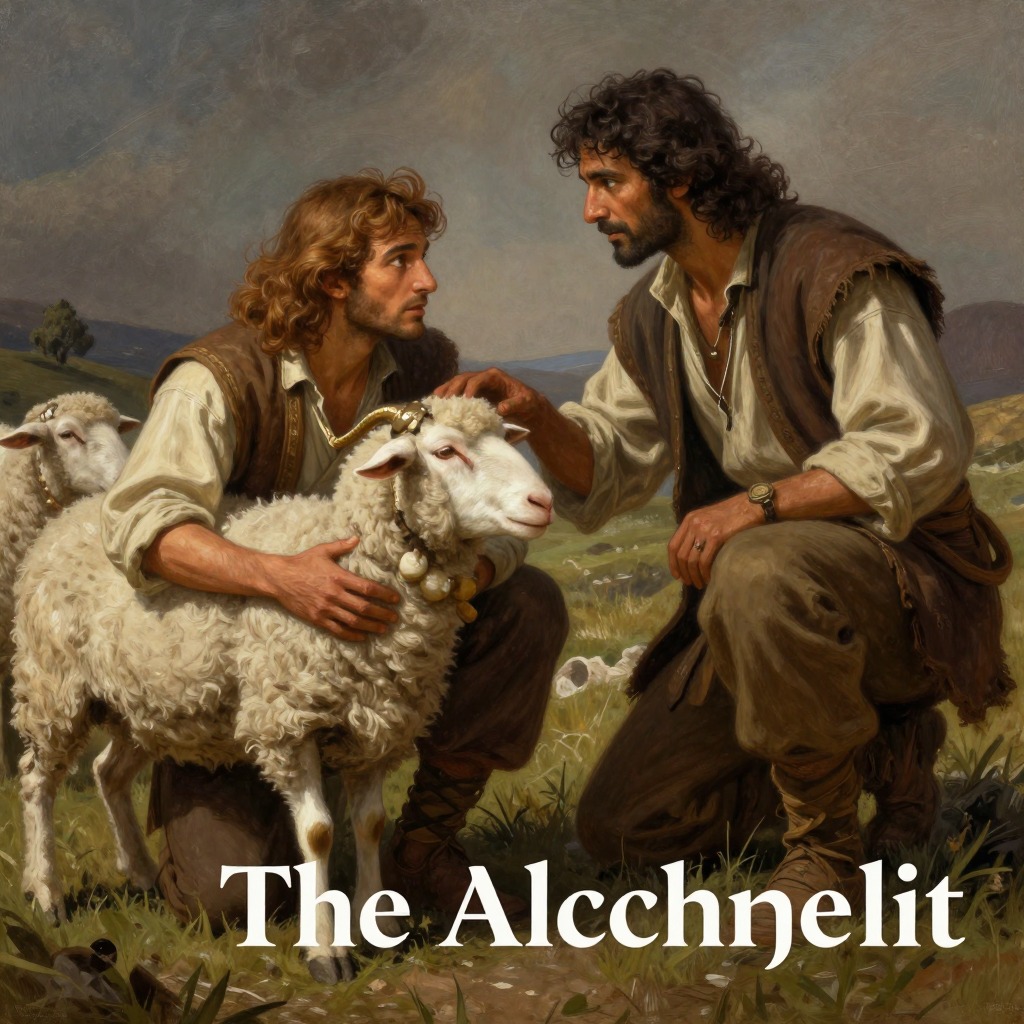
Santiago's Connection to His Sheep and the Shepherd's Life
The emotional bond Santiago has with his sheep, representing his old life, and his eventual detachment from them as he follows his destiny.
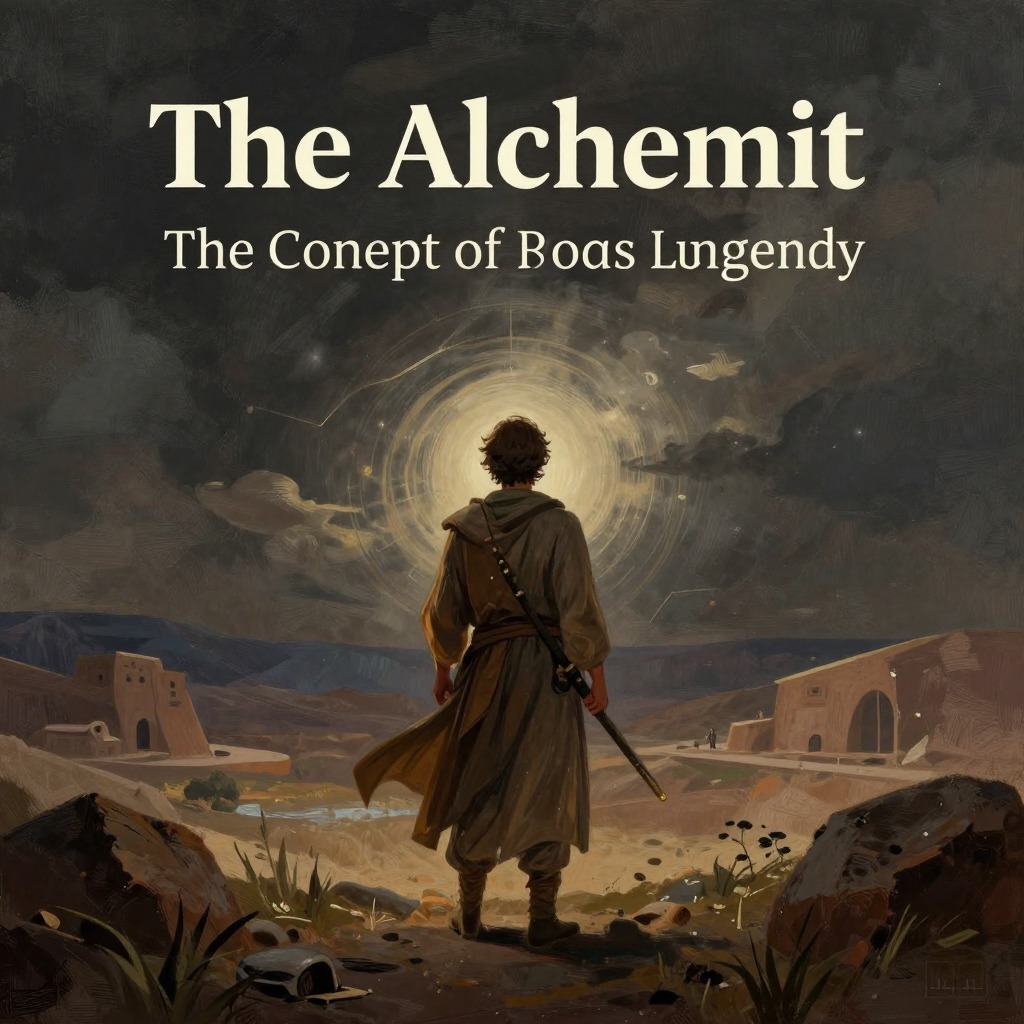
The Concept of Personal Legend and the Universe's Conspiracy
The central philosophical theme that everyone has a destiny, and the universe helps those who pursue it, illustrated through Santiago's journey.
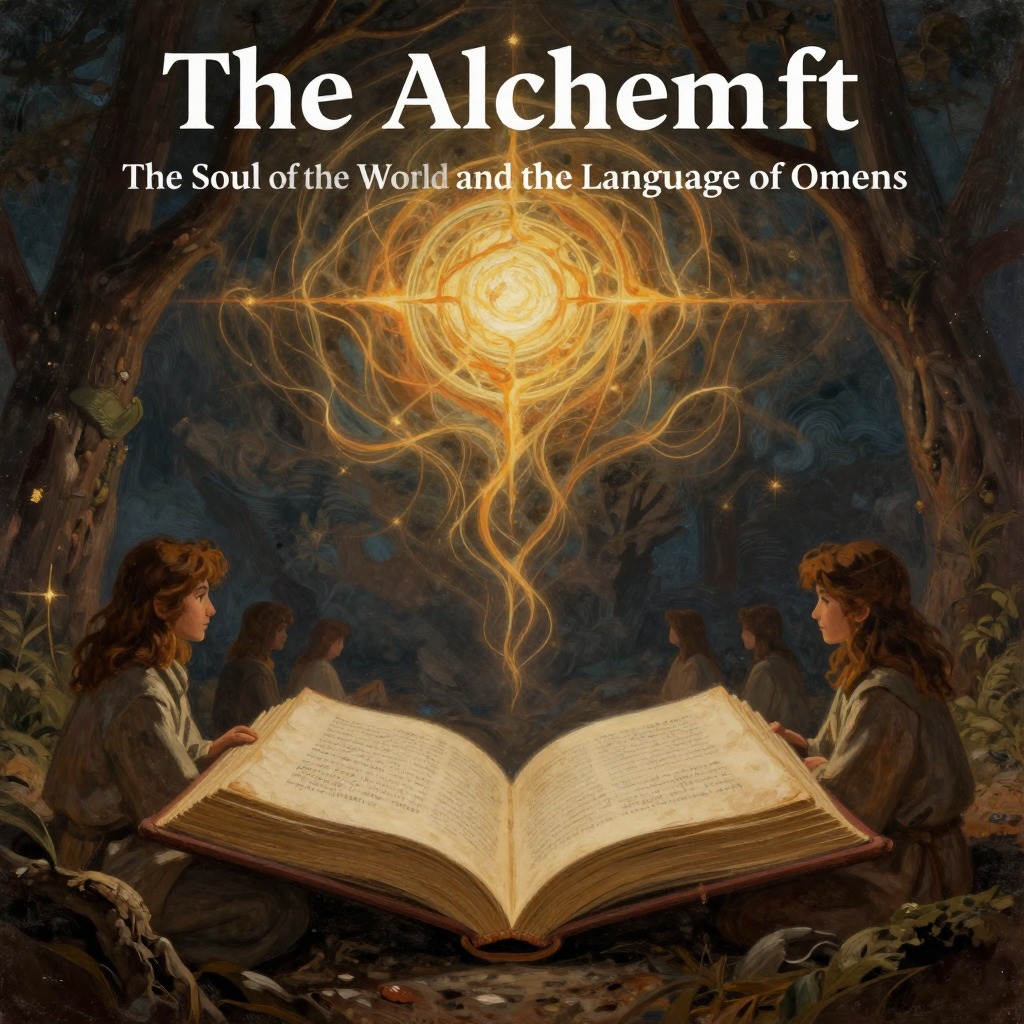
The Soul of the World and the Language of Omens
The idea that all things are connected through a universal soul, and that one can learn to read the signs (omens) that guide one's path.
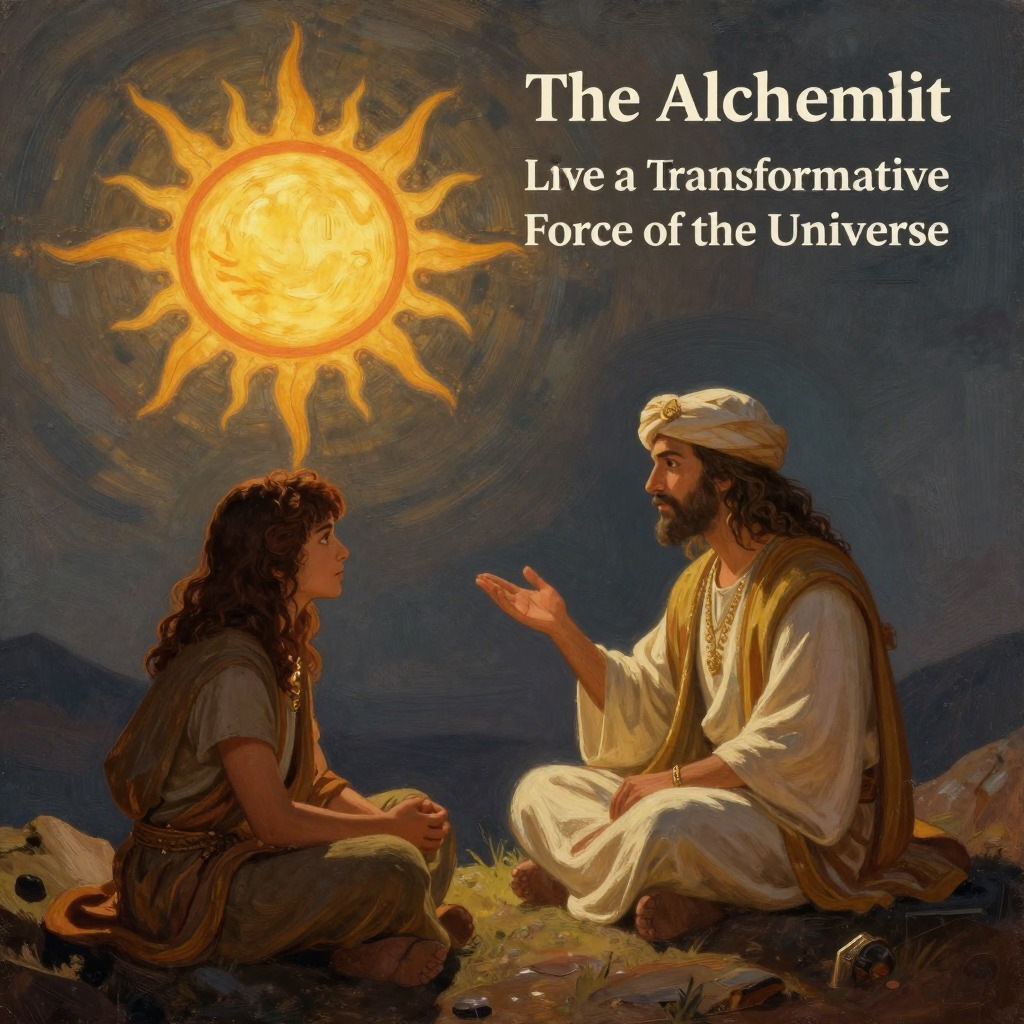
Love as the Transformative Force of the Universe
The theme that love is the ultimate power that drives transformation and connects all things, as explained by Santiago in his dialogue with the sun.
The Nature of True Wealth: Treasure vs. Spiritual Fulfillment
The understanding that the real treasure is not the gold but the wisdom, love, and experiences gained along the journey.
The Illusion of Control: Maktub and the Future
The philosophy that the future is already written (Maktub), but that one can still influence it by living well in the present, as taught by the camel driver and the seer.
The Alchemy of Life: Personal Transformation as the Master Work
The metaphor of alchemy applied to human life: the process of purifying oneself through trials, transforming lead into gold, i.e., becoming one's best self.
The Role of Beginner's Luck and Final Tests
The recurring pattern that every quest starts with easy success and ends with a severe trial, as taught by Melchizedek and experienced by Santiago.
The Symbolism of the Wind and the Desert
The desert and the wind as characters and teachers, representing the forces of nature that test and guide Santiago.
The Importance of Action Over Words
The theme that true knowledge comes from doing, not just reading or listening, as demonstrated by the alchemist's teaching method and Santiago's experiences.

The Concept of the Hand that Wrote All
The idea of a divine hand that writes the destiny of all things, and the power of prayer to connect with it, culminating in Santiago's miracle.
The Cycle of Return and the Treasure at Home
The theme that the journey outward leads back to the starting point, where the true treasure is found, mirroring the hero's journey archetype.
The Subplot of the Caravan's Journey
The caravan as a microcosm of society, with its own rules, dangers, and the collective experience of crossing the desert.
The Seer's Philosophy of the Present
The seer's teaching that the future is best left unknown, and that one should focus on improving the present moment.
The Baker's Lost Dream
The baker in Tarifa, mentioned by Melchizedek as an example of someone who gave up his dream of travel, serving as a cautionary tale.
The Candy Seller's Joyful Contentment
A brief but meaningful encounter with a candy seller who is happy in his work, showing an alternative path of fulfillment.
The Tribal Chieftain's Wisdom and Tradition
The wise old chieftain who balances tradition with the need to believe omens, rewarding Santiago for his warning.
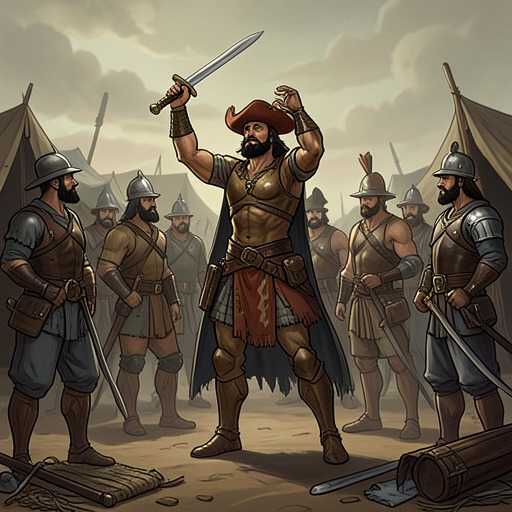
The Hostile Chief's Ruthlessness and the Test of Death
The powerful chief who captures Santiago and forces him to perform the ultimate test, representing the final obstacle.
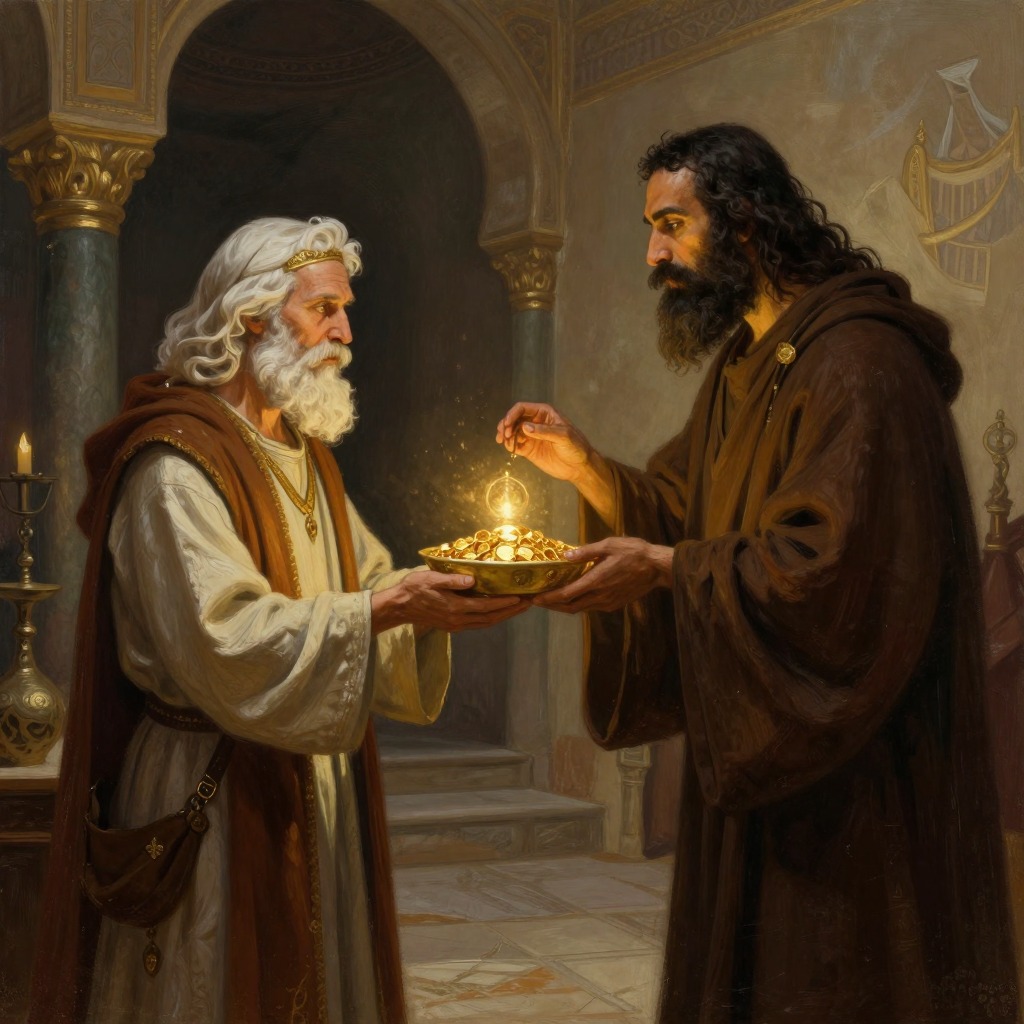
The Coptic Monk's Hospitality and the Gold
The monk at the Coptic monastery who provides a place for the alchemist to demonstrate the transformation, and receives a share of the gold.