Gate 7
VinelandGate 7 is a small suburb on the edge of a vast, largely invisible military base, a place where everyday commerce has grown up beside a system of restricted access. Its defining contrast is between the ordinary routines clustered around the entrance and the immense, difficult-to-map institution beyond it. In the novel, that contrast becomes personal when Frenesi comes to cash a check and discovers that the protections surrounding her life may no longer hold.
Setting and Structure
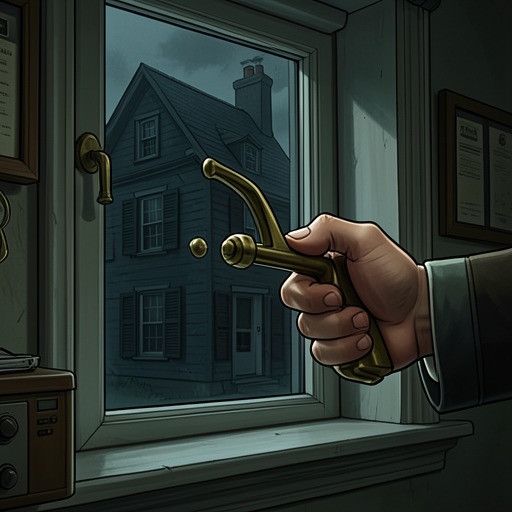
Gate 7, also called Settima Porta, developed over the years beside the military base. The numbered entrance is only one of at least a hundred gates, according to the signs along old roads that run past tall, shadowed concrete structures. Each gate admits—or denies—its own category of visitor, but the exact number is unknown. Some entrances are isolated, hard to reach by car, well protected, and rarely used; Gate 7, by contrast, has generated a surrounding suburb of service businesses, homes, and squares.
This geography makes the gate more than a neighborhood name. It marks an interface between civilian routines and an institution whose scale and boundaries remain obscure. The suburb’s shops and residences imply settled community life, while the entrances distribute access according to rules that residents and outsiders may not fully understand. The military base is present in the organization of the place even when it remains largely out of sight.
Frenesi’s Check-Cashing Errand
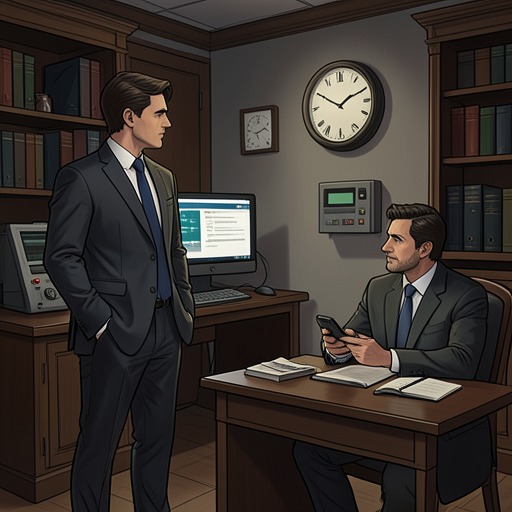
Frenesi drives to Gate 7 in a Cutlass Supreme assigned to Flash through the vehicle pool, intending to cash a check before she can. On a Friday, just after a work shift has ended, Quik Liquor and Dell is crowded. With the parking lot full, she leaves the car along the opposite curb beneath a streetlamp that is not lit. Inside, civilians and military personnel in work clothes and dress clothes press into a single line, many apparently hoping to cash checks. Two student cashiers are still working beyond the shops’ usual closing time, but when Frenesi reaches them after half an hour, neither is authorized to handle hers.
She asks for the manager and points out that the check carries the issuing agency’s telephone number at the Federal Building downtown. The employee dismisses the suggestion because the office is closed. The exchange is small, but it strips away the practical authority Frenesi once expected to have: she considers rebuking the cashier, then reflects that the young woman is about Prairie’s age and may remain behind that register for years. Frenesi remembers a time when a phone call could have settled such a problem. Now she leaves humiliated and unable to make herself heard.
From Local Refusal to Larger Insecurity
The failed attempt at Gate 7 does not resolve the check. Frenesi returns toward the center, tries another shop displaying a sign that checks are accepted, and is refused there too. At a different supermarket, an employee takes the check to the back to make a call. It is while waiting there—not at Gate 7—that Frenesi recognizes the wider threat implicit in the succession of refusals. She understands that the Reagan-era economy is darkening around her and Flash, and that the protection they have enjoyed may be withdrawn without warning.
Her thought links material security to computerized records. For years, she and Flash have lived in a kind of protected, timeless zone; now they may be forced back into a world of causes and effects, where unresolved matters can reopen. The danger, as she imagines it, need not arrive as a visible weapon. It may be carried out by keystrokes and by electronic systems that translate a person’s existence into patterns of presence and absence. Gate 7 is where the ordinary mechanism of that exposure first becomes tangible: a crowded shop, a check, and an employee who cannot or will not make an exception.
Narrative Significance
Gate 7 joins the novel’s hidden military geography to the less dramatic pressures of money, work, and administrative access. The base’s gates sort visitors into categories; the check-cashing counter similarly makes access conditional, though on more immediate rules of authorization. The parallel is not that the shop is itself part of the military installation, but that both settings place decisions about passage in the hands of systems and intermediaries Frenesi cannot control.
The suburb’s uncounted entrances and its busy, practical surroundings also sharpen the contrast between what is visible and what remains inaccessible. At Gate 7, people gather after work, queue, and try to turn checks into usable money, while the immense institution nearby keeps its full scale out of view. Frenesi’s errand converts that geography into a change in her own sense of safety: she no longer assumes that past protection will secure the future.