Henry Chinaski’s social isolation
WomenHenry Chinaski’s social isolation is not simply an absence of company: it is a chosen refuge that he defends as necessary to his life as a writer, even as it repeatedly strains his relationships. At fifty, he describes having no women friends and finding even a nonsexual relationship beyond his imagination; later, his attachment to solitary routines collides with Lydia Vance’s appetite for people and parties. The book presents withdrawal as both a preference and a vulnerability, one that does not keep intimacy, conflict, or dependence at a distance.
Identity and Background
Henry’s account of isolation begins with a long stretch of romantic and social disconnection. At fifty, he says he has not been with a woman for four years and has no women friends. He notices women in passing but describes no hope of forming a relationship, even on nonsexual terms. His life nevertheless includes a daughter, who lives with her mother, and an earlier marriage that ended in divorce. Those facts make his isolation a matter of emotional and social distance, not literal absence of human ties.
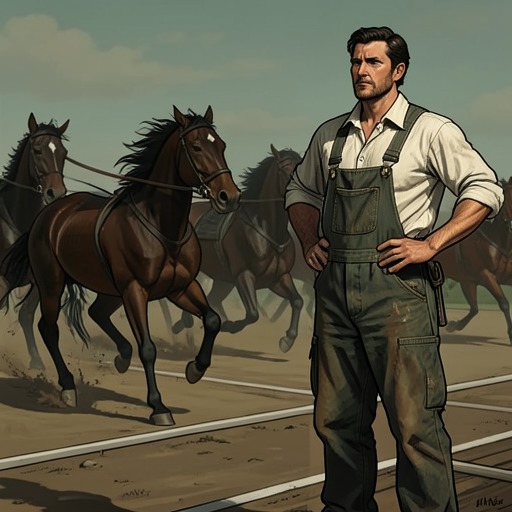
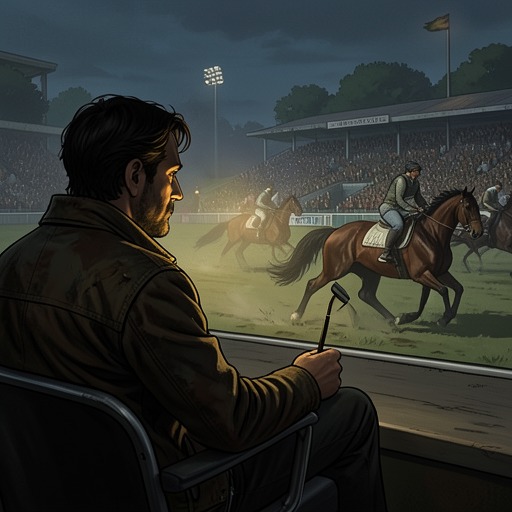
He also distinguishes ordinary company from the few routines he can accept. He is content to live with a woman, eat and sleep beside her, and walk with her, but resists conversation and most outings. The racetrack and boxing matches are exceptions. Television and moviegoing do not attract him, while parties leave him sickened by what he sees as social performance: flirting, small talk, amateur drunkenness, and boredom. His seclusion is therefore selective. He can tolerate shared life on restricted terms, but resists the broader social exchange that others may regard as part of it.
Writing and Withdrawal
Henry explicitly connects his reclusiveness to writing. During his attempt to write his first novel, he had recently left a twelve-year job as a postal clerk and was frightened about trying to become a writer. He drank heavily through the nights as he typed, set himself a ten-page goal, and often discovered in the morning that he had produced more. The work took twenty-one nights. This episode gives his defense of solitude a concrete context: withdrawal belongs to a period of intense, self-directed work, rather than being only a general dislike of company.
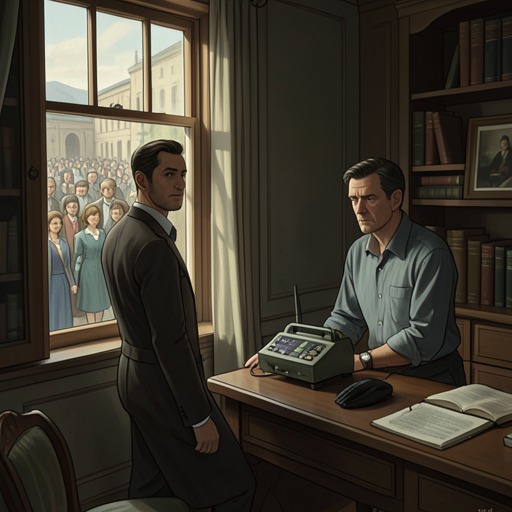
That explanation also becomes a point of conflict with Lydia. A couple of days before Mindy arrives, Henry tells Lydia that he is a loner and recluse and says he has to live that way to write. Lydia challenges the premise, asking how he can learn about people if he does not meet them. She says she observes and studies people; Henry rejects her claim and insists that he already knows about them. Their disagreement is more than a difference in preferred activities: it sets his claim to literary knowledge against her claim that observation requires social contact.
Lydia presses the issue by naming fear as the source of his withdrawal. Henry answers that he hates people, while she argues that his aversion to them undermines his identity as a writer. In another argument, he says plainly that he does not like people; Lydia reacts with disgust and says she wants room for parties and company. The exchange leaves the contradiction unresolved: Henry calls seclusion a requirement of his work, while Lydia treats it as fear and as a refusal to participate in a life she values.
Relationships and Social Encounters
The difference between them shapes the relationship’s recurrent divisions. Henry is satisfied with a narrow domestic arrangement and few shared activities; Lydia considers herself a social person, enjoys parties and dancing, and wants to see people more often. He regards parties as unpleasant and socially false, while she sees them as people relaxing and having a good time. The conflict is not incidental to their life together: the opposing wishes for almost no company and frequent company repeatedly provide grounds for argument.
Henry’s solitude does not prevent attachment or make separations painless. When Lydia is gone, he describes wanting to sit alone in a room with the shades down, yet also says that being broke and having a woman leave him is especially painful. During a social outing with Dee Dee Bronson, he feels like a kept man and finds that the attention and conversation help his blues. Dee Dee can make him laugh, and her company offers temporary relief even while his thoughts remain with Lydia. The scene complicates any simple picture of a man who wants no human contact: he rejects social life in general but can welcome care and companionship when he is distressed.
At a bar Dee Dee frequents, Henry encounters scriptwriters and theater people and immediately despises their air of cleverness and superiority. He compares their mutual proximity to flies around filth, then measures his own position against theirs: he earns sixty-five dollars a week while some of the writers earn a thousand. He imagines Lydia regretting leaving him once he becomes successful and recognized. The episode shows isolation turning outward as judgment of others, but also reveals that Henry is not indifferent to status or recognition; he resents the group even as he imagines joining the world of celebrated writers.
Defensiveness, Dependence, and Significance
Other people sometimes describe Henry in terms that echo his own isolation. After he has made a mess of a situation, Lydia tells him that he generally makes an ass of himself and calls him a lousy drunk. When Henry seeks a vacancy for Lydia, her two children, and her dog in his residential court, the landlady, Mrs. O’Keefe, says Lydia is crazy and asks whether Henry has noticed her eyes. Henry accepts that description of Lydia but insists that he cares for her and that she has good qualities. His willingness to defend her sits beside the contempt and irritation that surface in their disputes; his life is not free of attachment simply because he resists social demands.
Henry’s isolation is also entangled with age and mortality. While waiting at the airport for Mindy, he questions why he keeps pursuing new affairs and observes that initial excitement gives way as people’s flaws and difficulties emerge. He wonders whether being with younger women can make him feel less old or help him evade death. The passage does not make solitude a solution to that fear. Instead, it places withdrawal beside repeated attempts at intimacy, suggesting that neither social retreat nor new relationships settle his unease about aging.
The recurring pattern is therefore a tension rather than a stable escape: Henry seeks quiet and treats other people as an obstacle to writing, yet his own account records loneliness after separation, relief in Dee Dee’s company, and ongoing investment in Lydia. His isolation protects a preferred way of living, but it also narrows the terms on which he can share life with others. The conflict with Lydia makes that cost visible, while Henry’s occasional dependence on companionship shows that the recluse’s self-sufficiency is never complete.