Princeton University
1919Princeton University enters the narrative through Paxton Hibben’s education and alumni life. It first appears as the setting of his academic distinction and restless student persona; years later, at a class reunion, it becomes the backdrop for a hostile confrontation over his politics and his memorial gesture toward Jack Reed.
Hibben as a Princeton Student
Born in 1880, Hibben earned an A.B. from Princeton University in 1903 before receiving an A.M. from Harvard University the following year. At Princeton he edited the Tiger, excelled academically, and stood apart from the pious expectations surrounding him. The account presents him as a student who drank and pursued romantic adventures as well as scholarship, resisting the conventional path into law in favor of travel and romance.
An Alumni Gathering Turns Hostile
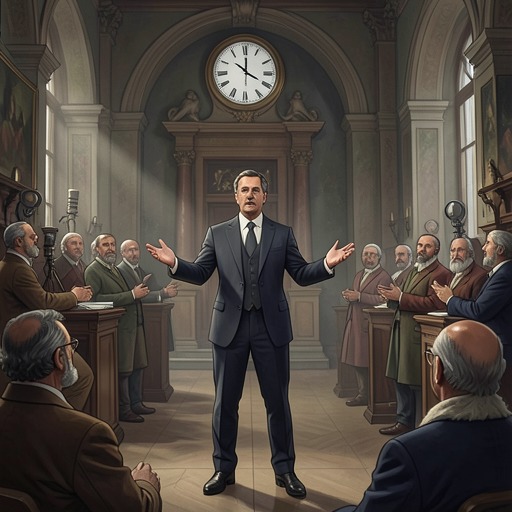
The university reappears when a photograph of Captain Paxton Hibben laying a wreath on Jack Reed’s grave prompted an effort to expel him from the O.R.C. At the twentieth reunion of his class, the conflict sharpened: classmates, described as drunk, threatened to lynch him. The episode is recounted as a possible college prank, but the threat was real enough to give the scene a coercive edge.
Princeton’s Narrative Significance
The contrast between Hibben’s student record and the reunion’s hostility makes Princeton a recurring point in the story of his changing public identity. The institution is not shown directing either episode; instead, its campus and alumni networks frame the distance between the brilliant young collegian and the radical his classmates later rejected. The reunion turns an occasion of shared educational history into a confrontation over whether social change and political dissent still have a place in American life.