Mandy
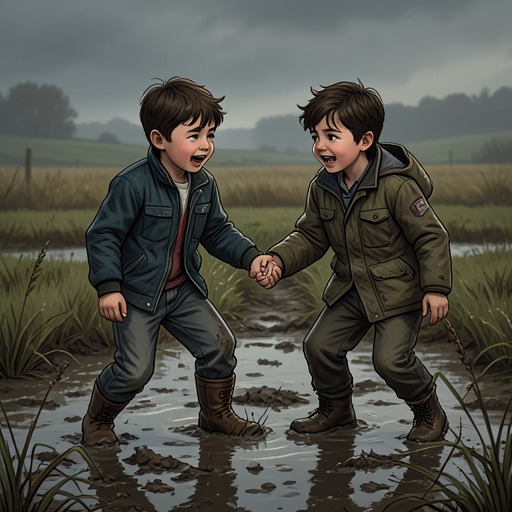
TrespassesMandy McGeown is one of the children displaced when the McGeown family’s home is attacked. Taken in by Cushla Lavery with her family, she becomes part of the story’s account of how political violence unsettles domestic life and separates children from one another. Her brief stay with Cushla ends with a return to her father, but not to a new family home: Mandy and Davy are placed in different foster families.
Displacement and Refuge
Mandy is at home with Davy when the family’s house is set alight. The children escape with their parents; the family leaves with almost none of its belongings. Cushla brings them to her house, where Mandy and Davy sit on the edge of a bed in their clothes. Cushla offers them T-shirts and old books from a box in the wardrobe, small provisions for a night made uncertain by the loss of home.
The next day, as Cushla drives the family away from the estate, Mandy begins to weep softly. Betty does not turn to comfort her, instead looking out of the window. The moment registers the strain of the family’s flight without assigning Mandy an explanation for her tears.
Loyalty and Separation
While staying with Cushla, Mandy insists that her brother Tommy McGeown is innocent of the killing for which he has been arrested. Her certainty gives voice to the family’s loyalty to him at a moment when the household is already uprooted and its members face an uncertain future.
When Cushla later returns the family to the area where Seamie McGeown’s brother lives, Mandy murmurs goodbye and slips out of the car toward her father, who is waiting by a wall. Davy stays behind long enough to tell Cushla he will write to her. The siblings’ different movements mark the end of their refuge with Cushla and the beginning of another separation.
Foster Placement and Narrative Significance
Mandy’s later circumstances emerge in Davy’s letter to Cushla: the family has not found a new house, and Mandy has been placed with a foster family, apart from Davy. The account gives no further details of her placement or of what happens to her afterward. That limit leaves her future unresolved, while making the consequences of the family’s displacement concrete: the children who escaped the fire together are not able to remain together.