The sun is but a morning star
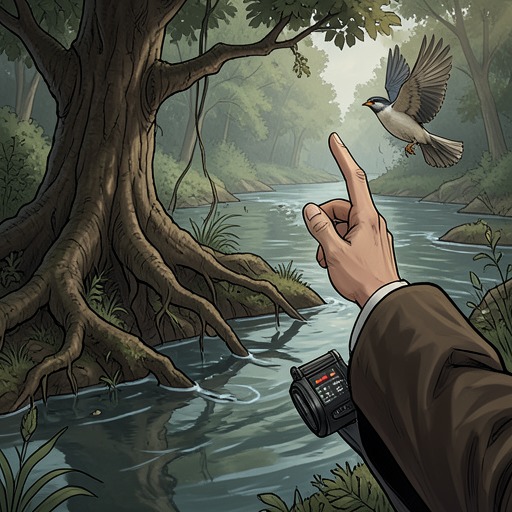
Walden“The sun is but a morning star” is the closing image of Walden, turning the apparent completion of sunrise into a promise of further awakening. The sun is not the day’s culmination but its beginning: more daylight remains to dawn, and perceiving it depends on spiritual alertness rather than the mere passage of time.
Meaning and Context
Near the end of the book, the narrator distinguishes chronological time from genuine renewal. Mere lapse of time, he says, cannot make the promised morrow dawn. The light that overwhelms the unprepared eye may seem like darkness; only the person who is awake can experience the day as day. Against the expectation that morning marks a finished arrival, the sun becomes a morning star, announcing what is still possible.
Relation to Awakening
The expression condenses Walden’s recurring insistence that wakefulness is a condition of living fully. Its image of dawn is not simply a description of the natural world: it gives spiritual attention a temporal shape. The day must be met consciously; it cannot be secured by waiting for the clock to advance. The adjacent assertion that there is more day to dawn makes awakening an ongoing prospect rather than a completed achievement.
Closing Function
As the final sentence of Walden, the image leaves the book facing forward. It does not present its experiment in living as a definitive end or a formula already exhausted. Instead, the morning star signals that the possibility of renewal continues beyond the narrator’s account, and that readers must be awake to recognize it.