Gary
CherryGary is one of the narrator’s drug contacts, offering a succession of substances and assurances in a world where the need to buy can outweigh the need to trust. His dealings move from a costly heroin purchase to a broken promise and the loss of $180; the narrator’s response to that final betrayal shows both the damage Gary causes and the narrowed calculations of addiction.
Identity and Place in the Drug Network
Gary operates through informal, personal transactions rather than any stable promise of supply. He relays what his own contact has told him about a product, presenting it as powerful while making clear that this assurance comes secondhand. The narrator pays him $140 for a gram, although he would rather have paid $100. He accepts Gary’s stated price, in part because he believes the quality must be taken into account. Their exchange rests on a fragile combination of hearsay, judgment, and immediate need.
Gary’s role is not limited to selling heroin. He also sells the narrator ten 4 mg Dilaudid tablets at seven dollars apiece. The narrator is pleased with the purchase, leaves, calls Emily, and goes home. The transaction is brief and practical, but it belongs to the same pattern: Gary can provide something the narrator wants, and that access gives his claims weight even when his reliability is uncertain.
Promises, Use, and Deception
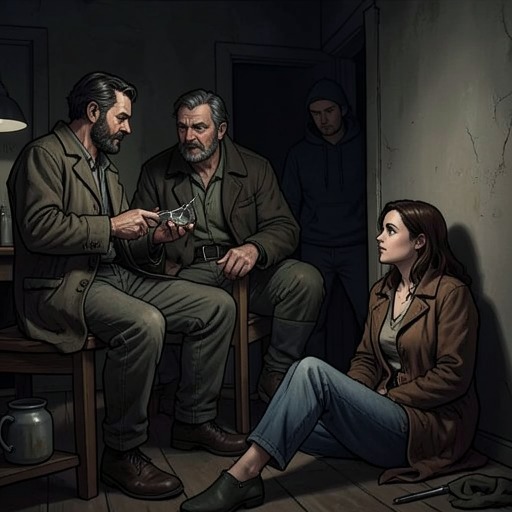
In one kitchen scene, the narrator and Ari inject drugs with Gary around a filthy sink while Shelley watches. The setting makes the transaction an exposed domestic occurrence, not a hidden or exceptional episode. Gary responds to the narrator’s request with an assurance that he will take care of him, but the relationship soon turns on whether Gary can actually deliver what he has promised.
On another occasion, Gary arrives without the drugs he had said he had. The narrator recognizes the lie and describes Gary as a habitual bluffer; Gary has only a twenty-dollar rock of crack. The incident does not end the narrator’s dependence on uncertain sellers. As the surrounding account observes, people in need of drugs may have little room to challenge a dealer’s lies for fear of losing access to a future supply. Gary’s deceit therefore has force beyond the immediate disappointment: it is backed by the narrator’s continuing need to find drugs elsewhere.
The $180 Betrayal
The sharpest break comes when Gary takes $180 and disappears. The narrator had been looking for something inexpensive but good, hoping that finding it would mean he and Emily could manage. Gary’s theft is substantial, but the narrator does not treat it as a catastrophe: he and Emily still have OxyContin that Big resold to them, so they have a temporary supply. He even frames the money as a price worth paying to be rid of Gary for good. That judgment is less a resolution than a measure of how scarcity reshapes loss: the money is gone, but the couple’s immediate drug supply remains.
Gary’s disappearance also cancels the arrangement that had kept Ari at an abandoned house. The narrator had promised to look after Ari while Gary returned with the drugs; once Gary has taken the money, the narrator decides their deal no longer holds and leaves Ari there, hoping he will manage. The narrator then goes home, where Emily has prepared food, and tells her what happened. Gary’s betrayal thus travels outward from a failed transaction, affecting not only the buyer who loses money but also the person left waiting under the narrator’s now-abandoned promise.
Narrative Significance
Gary’s episodes make the drug economy’s contradiction concrete: a seller may be necessary for a moment and untrustworthy in the next. His earlier sales and assurances establish the practical access that keeps the narrator returning; his lie about having drugs and his eventual flight with the cash expose the cost of treating access as a form of security. The narrator’s relief at still having OxyContin, and his willingness to regard $180 as a tolerable price for separation, do not undo the betrayal. They show how dependence can make even a serious loss seem manageable when it postpones withdrawal and ends one bad connection.