Manny
CherryManny is a meth-using heroin dealer and informant whose role in the narrator’s drug network rests on a corrosive contradiction: he is reliable when someone needs drugs, but that access can expose the same people to arrest. His willingness to serve customers quickly makes him useful; his repeated cooperation with police makes every transaction dangerous. The narrator recognizes both sides, and even his affection for Manny cannot remove the risk.
Identity and Setting
Manny is described as a genuine addict, as cornered by his circumstances as the people who come to him. Unlike dealers who make customers wait, he is willing to take them in his car to find drugs. The narrator values this practical urgency, though Manny’s usefulness also draws people to him in a city where many in Painesville reportedly wanted him dead. Manny therefore had to relocate to Cleveland, a change the narrator welcomed because it spared him the long journey to Painesville.
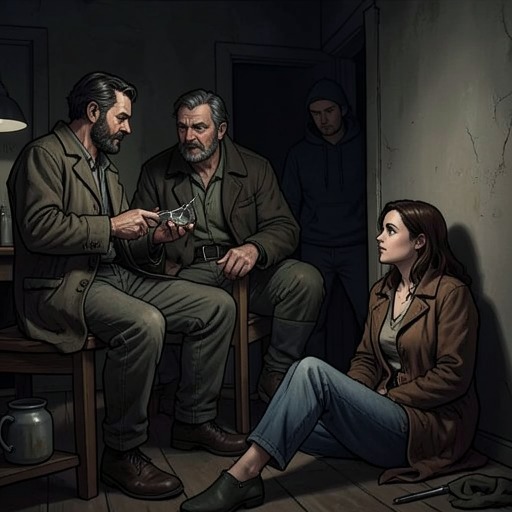
Manny lived in a room at the Euclid Lodge with his boyfriend, Chauncey, who also used meth. Chauncey was ten years older than Manny and said he came from Florida. Manny offered stories of family wealth: he claimed to have been disinherited and said that his family raised horses. The narrator did not care whether these claims were true, but understood that being believed mattered to Manny. On one trip past a stud farm in Painesville, Manny said it had once belonged to his grandfather; it was dark, and the narrator saw no horses.
Drug Access and Informant Work
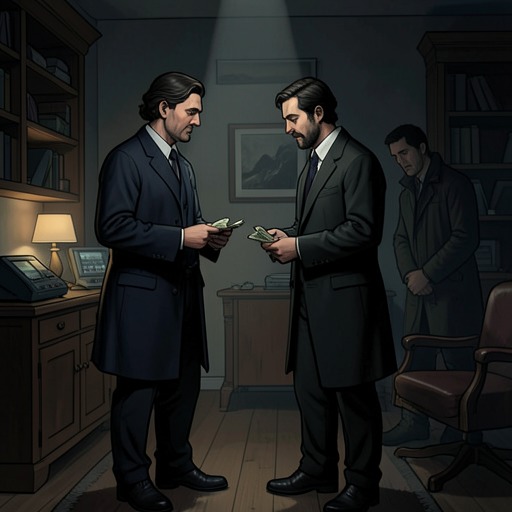
Manny’s usefulness depended on access to heroin, but his work as an informant repeatedly compromised that access for others. He had already sent many people to prison. Ari was one example: Manny offered him a scale for ten dollars, with drugs on it, making the deal appear attractive. Five minutes after buying it, Ari was arrested for possessing drugs and drug paraphernalia with intent to sell. The narrator identifies this as a setup by Manny, not an accidental consequence of the purchase.
Police activity at the Euclid Lodge made the arrangement unusually visible. When Manny needed someone caught, officers sometimes raided his room, searched everyone present, and took one or two young people away. Manny and Chauncey, however, were never jailed. Police had a room directly across the corridor from Manny’s, and an officer once called out to the narrator as he approached. The informant’s position was not hidden from the people arriving to buy; the narrator could see officers coming and going, and knew they could see him and his car’s license plates. He continued to go because that was where the heroin was.
Manny’s betrayals also extended to supply. He could obtain especially potent heroin, including a foul-smelling tar sold by two men for a hundred dollars a gram. The narrator and others had used it for only about two weeks when Manny was forced to identify the suppliers to police. The drugs’ unusual strength had made the connection valuable; the disclosure turned that value into exposure. The narrator recognized the episode as a warning to get out of the business while he still could, though the warning did not itself end his dependence on the supply network.
Debt, Suspicion, and the Narrator
Manny’s informant role was also bound up with debt. He owed Cookie six hundred dollars for drugs advanced to him, money he did not have and was unlikely to acquire soon. In similar situations, Manny’s usual response was to inform on the dealer to whom he owed money. This time, however, he had waited too long. On a Sunday morning he called the narrator, said he needed to discuss something important, and insisted they meet alone. His unusual voice made the request sound ominous.
The narrator suspected that Manny might be arranging to inform on him, but he needed to buy heroin and agreed to meet. His judgment is not presented as simple trust: he says that he liked Manny, and that Manny was a human being despite being a bastard. That reluctant recognition of personhood sits beside a clear-eyed understanding of betrayal. The narrator can see the danger in Manny’s conduct and still be drawn back by addiction, need, and personal familiarity. The available account ends with the proposed private meeting, leaving its outcome unstated.
Narrative Significance
Manny embodies the way the drug economy makes help and harm difficult to separate. He is not merely a supplier who happens to be dishonest: his willingness to drive customers for drugs, his access to potent heroin, his debt to Cookie, and his cooperation with police all operate within the same unstable network. Each connection can keep someone supplied, but it can also make that person legible to the police or expose another source to arrest.
The narrator’s repeated return to Manny’s supply, even while seeing the surveillance and knowing about the entrapment of Ari and the betrayal of the two heroin sellers, gives Manny’s character its central force. He is both a human being the narrator likes and a threat the narrator has reason to fear. Their relationship shows how dependence narrows the practical choices available: the narrator does not mistake Manny for safe, yet need keeps the relationship alive.