Losers' Club
The Losers' Club is the name adopted by seven misfit children in Derry, Maine, during the summer of 1958: Bill Denbrough, Beverly Marsh, Ben Hanscom, Richie Tozier, Eddie Kaspbrak, Stanley Uris, and Mike Hanlon. Bound together by their shared outsider status and a series of terrifying encounters with a shape-shifting entity they call It, the club becomes the vehicle through which they confront and temporarily defeat the monster. Their blood oath to return if It ever reawakens drives the novel's 1985 narrative, when the adult survivors reunite to finish the fight.
Formation and Identity
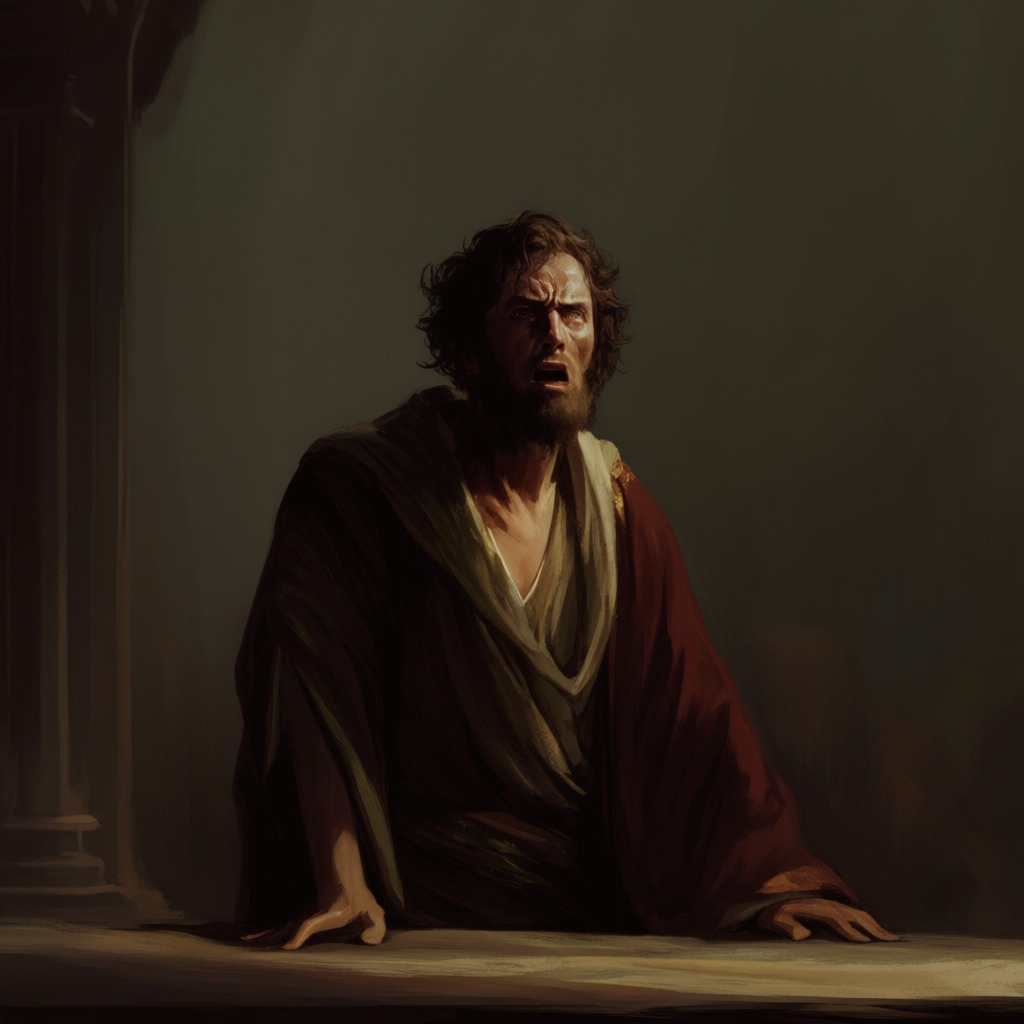
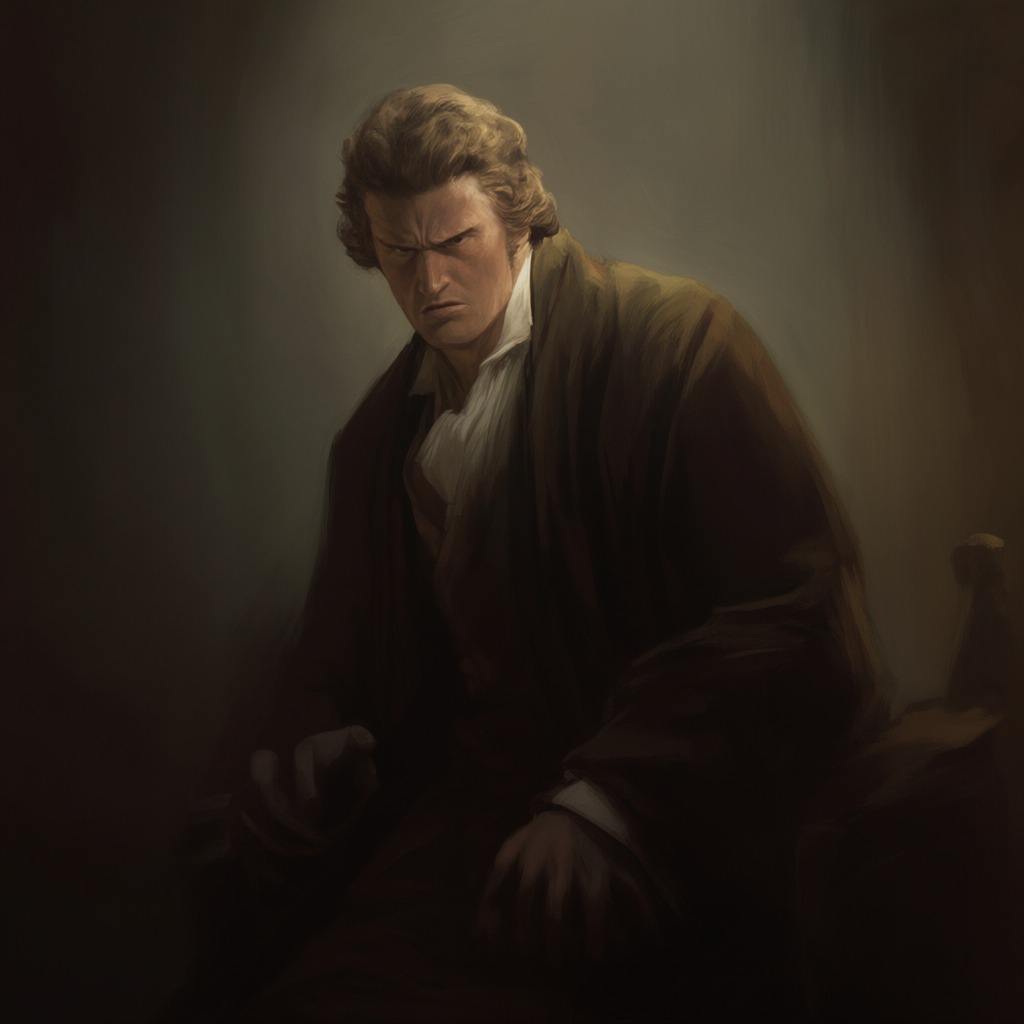
The Losers' Club coalesced gradually over the first weeks of summer vacation in 1958. Bill Denbrough, Eddie Kaspbrak, and Ben Hanscom first came together after Ben, fleeing Henry Bowers, stumbled upon Bill and Eddie by the remains of their failed dam in the Barrens. The group expanded to include Richie Tozier and Stanley Uris, who joined the dam-building project the next day, and Beverly Marsh, who was invited to the movies by Richie and then followed the boys into the Barrens afterward. Mike Hanlon completed the circle after the apocalyptic rockfight on July 3rd, 1958, when Henry Bowers and his gang chased him into the gravel-pit where the other six were gathered. The name "Losers' Club" was coined by Richie Tozier immediately after their first collective triumph—escaping Henry Bowers and his friends in an alley behind the Aladdin Theater. Exuberant, Richie yelled, "The Losers' Club Gets Off A Good One!" The name stuck, a defiant badge of their shared status as the town's outcasts: Bill the stutterer, Beverly the poor girl from Lower Main Street, Ben the fat kid, Richie the four-eyed wiseacre, Eddie the asthmatic, Stan the Jew, and Mike the only black child in Derry.
Shared Experiences and the Oath
The club's bond was forged not merely through friendship but through a series of increasingly terrifying encounters with a supernatural entity that preyed on their individual fears. Each member had a private nightmare: Ben saw a mummy on the frozen Canal, Eddie a leper under the porch of 29 Neibolt Street, Beverly heard voices and saw blood gush from her bathroom drain, Stan was confronted by dead boys in the Standpipe, and Bill and Richie witnessed a photograph come to life and a werewolf chase them from the Neibolt Street house. After sharing these stories, they realized they were all being hunted by the same creature. The pivotal moment of commitment came on an evening in August 1958, after they had emerged from the sewers following their first confrontation with It. Standing in the stream in the Barrens, Stanley Uris used a sliver of a broken Coke bottle to cut the palm of each member. They joined hands in a circle, their blood mingling, and swore a solemn oath: if It ever returned, they would come back to Derry and destroy it for good. This blood oath, sealed with the scars that would reappear on their palms decades later, became the invisible chain that would eventually pull them back to Derry in 1985.
The 1958 Confrontation
The Losers' Club's campaign against It was a summer-long project of research, preparation, and escalating confrontations. They built a hidden underground clubhouse in the Barrens, where they planned their strategy. Ben Hanscom, drawing on his innate engineering sense, showed them how to melt down one of his father's silver dollars to create two silver slugs for Bill's Bullseye slingshot. Beverly, the best shot among them, was chosen to wield the weapon. Their first direct assault came at 29 Neibolt Street, where they confronted the creature in the form of a werewolf. Beverly's silver slug struck it in the snout, driving it back into the drain. The final battle took place deep beneath Derry, in the creature's lair. There, they faced It in its ultimate form, a monstrous Spider. Bill, Richie, and Eddie engaged in the Ritual of Chüd, a psychic battle of wills. Eddie was killed, his arm torn off by the Spider's mandibles. But Bill, with Richie's help, managed to crush the creature's heart, seemingly killing it. The surviving six then found their way out of the sewers, emerging into the Barrens at dusk. There, they made their blood oath before parting, their memories of the summer's horrors already beginning to fade.
The 1985 Reunion and Final Victory
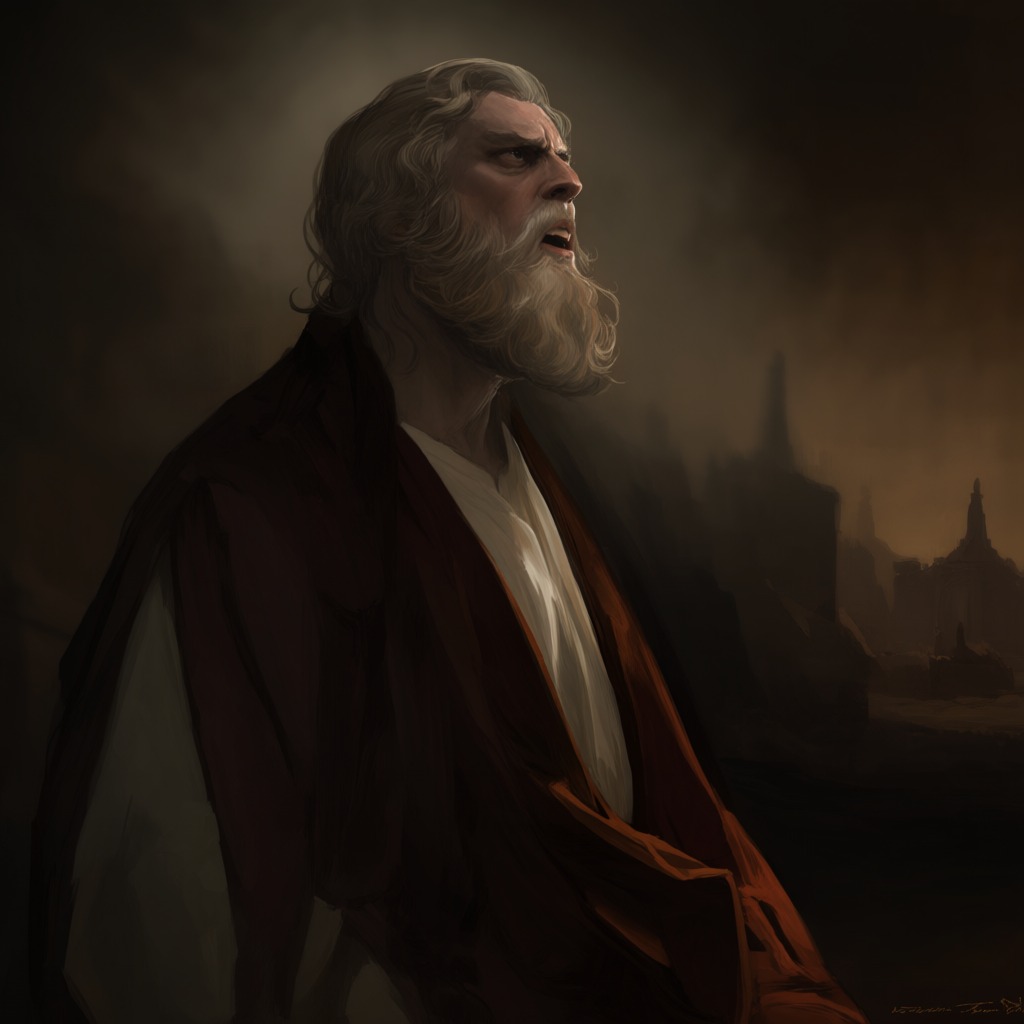
Twenty-seven years later, Mike Hanlon, the only member who had remained in Derry, called the others back. The cycle of violence had begun again, and the creature was once more killing children. The adult Losers—Bill, Beverly, Ben, Richie, Eddie, and Mike—reunited at the Jade of the Orient restaurant. Stanley Uris, unable to face the return, had committed suicide. Over the course of a long night at the Derry Public Library, they shared their fragmentary memories, which gradually coalesced into a complete picture of their childhood ordeal. The scars on their palms bled again, a sign that the circle was reforming. They descended once more into the sewers, this time armed with the knowledge of their past and the power of their renewed bond. In the creature's lair, they confronted It for the final time. Eddie was killed, but Bill and Richie, their combined will focused by decades of pent-up rage and love, destroyed the creature's heart for good. The Losers' Club, reduced to five, emerged from the collapsing tunnels into a Derry that was itself being torn apart by a supernatural storm. Their victory was complete, and with it, the memories of their shared past began to fade once more, allowing them to return to their separate lives.
Thematic Significance
The Losers' Club embodies the novel's central theme: the power of childhood belief and friendship to overcome evil. As children, their collective imagination and unwavering faith in each other gave them the strength to wound a being that had terrorized Derry for centuries. As adults, their reunion demonstrated that this bond, though buried by time and distance, remained potent. The club's name is a deliberate irony; they are losers only in the eyes of a society that values conformity and cruelty. In truth, their loyalty, courage, and love make them the only winners in the story. The club's dissolution and the subsequent forgetting of their shared history reflect the novel's bittersweet meditation on the loss of childhood wonder and the necessity of moving on, even from the most profound experiences.