Lucas’s arranged burglary of Edwina’s house
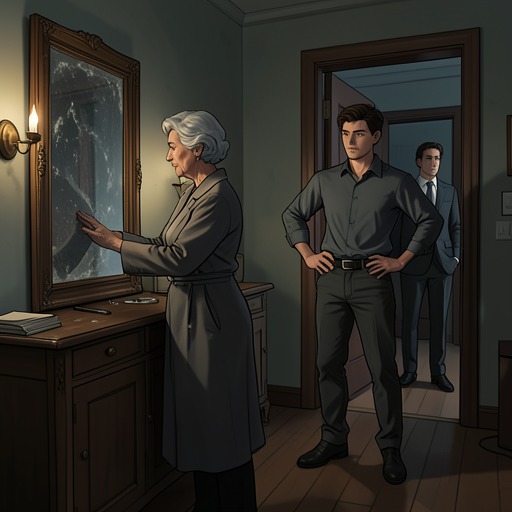
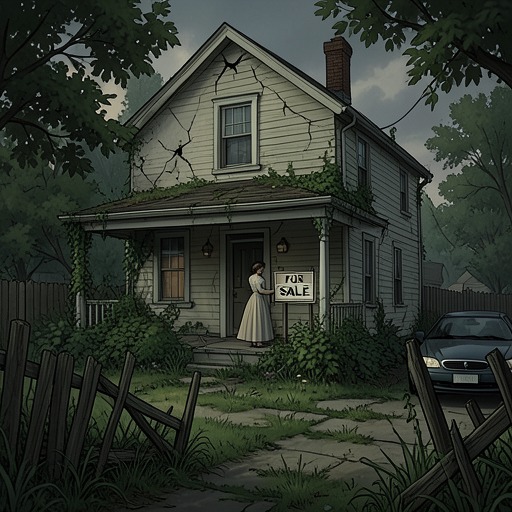
MovingLucas’s arranged burglary of Edwina’s house was a concealed crime driven by a gambling debt and fear of losing the future his father, Dickie, expected him to pursue. Its delayed disclosure turns an apparently emptied jewellery box into the one remaining link between Lucas and the theft: he had enabled the burglary by providing access and ensuring the house would be unoccupied.
Debt and pressure
At the time, Lucas was in the sixth form, close to the end of his schooling. Dickie expected him to go to Oxford, and Lucas feared expulsion at that late stage. His grades were slipping as he worried over the gambling debt he had to repay. When someone offered him a solution, the immediate relief came at the cost of a carefully concealed betrayal.
How the burglary was arranged
The arrangement depended on Lucas handing over the keys and guaranteeing that the house would be empty. The plan was simple enough that, as the account notes, no one found out at the time. Lucas did not merely benefit from a robbery after the fact: his provision of access and assurance about the house’s occupancy made the theft possible.
The jewellery and the surviving clue
The jewellery did not remain in the house. It was sold long before the later recollection, passing through intermediaries to buyers willing to take unfashionable post-war garnets and oversized pearls. The description of a trade conducted through contacts and pub acquaintances places the valuables within an informal chain of resale; Lucas ultimately exchanged his stepmother’s collection for a pile of crumpled five-pound notes.
The box’s near-emptiness therefore records both the removal of the jewellery and the passage of time. It had been ransacked, apart from items that people in that trade would not want. Yet the box itself remained important: it was the only evidence that could possibly connect Lucas to the burglary at Kennington Road.
Consequences and significance
The theft answered Lucas’s immediate financial crisis without exposing him at the time, but it left behind a material trace that could surface long after the valuables were gone. The episode binds his fear of failure at school to a crime against Edwina, and gives the apparently depleted box a double significance: the jewellery has vanished, while the possibility of proof remains.