
The Weight of an Untold Story versus the Release of Telling
The Little PrinceThe narrator's conflict between holding his painful secret for six years and finally confessing it to readers, easing his sorrow.
increasing Bearing strength in each event
 decreasing
Bearing strength in each eventdecreasingSix Years Buried
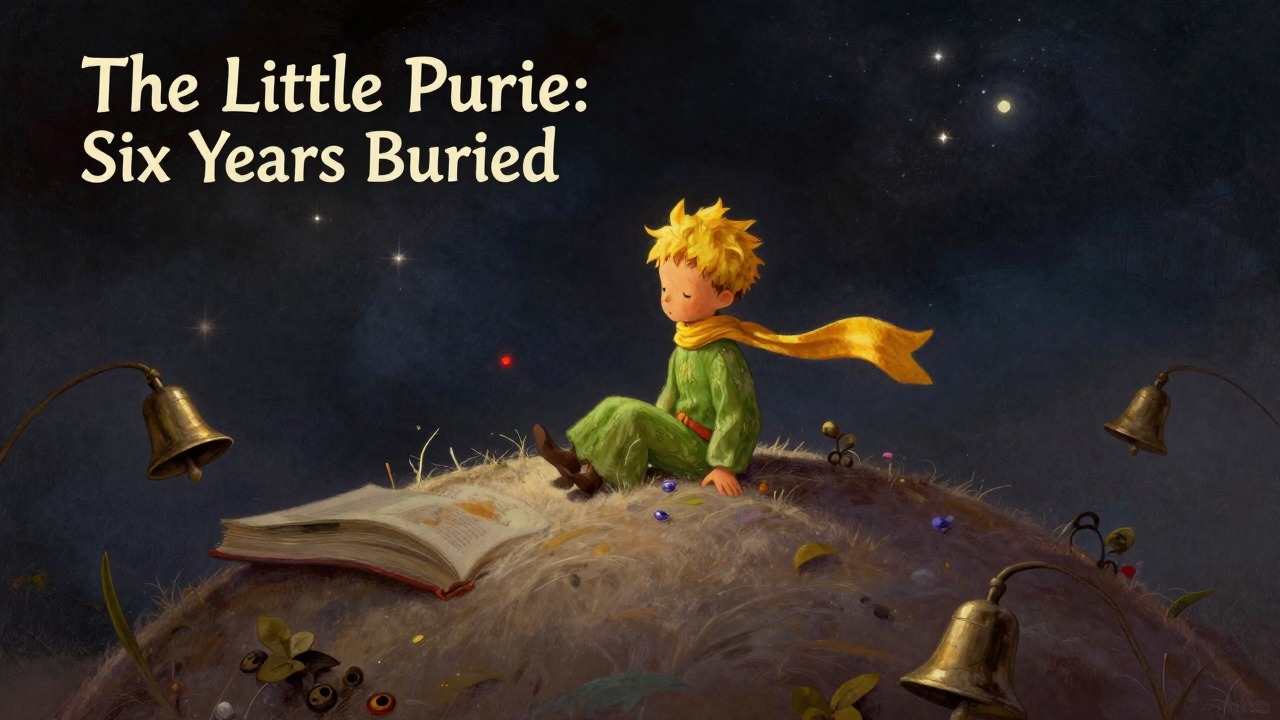
Six Years Buried
Context
The narrator carries the story for six years without telling it. The silence is a burden, pressing on his spirit whenever he looks at the stars.
Development
The buried story is not forgotten; it lives in his sleeplessness and his bells. The more he keeps it inside, the heavier it becomes. The epilogue is the release.
Significance
Six years buried establishes the cost of silence. The narrative act is not casual; it is a release of pressure.
Excuse of Tiredness
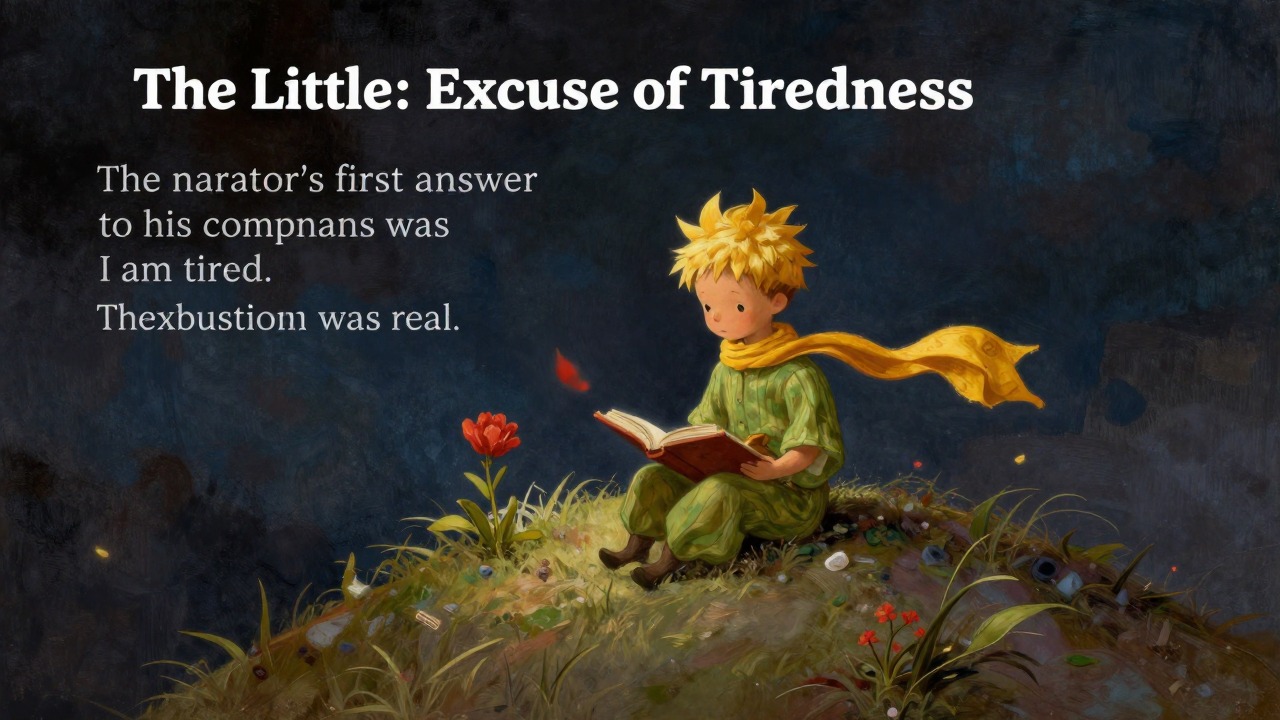
Excuse of Tiredness
Context
The narrator's first answer to his companions was "I am tired." The exhaustion was real, but the word also served as an excuse to avoid the story.
Development
Tiredness is a socially acceptable shield. It prevents questions and allows the narrator to withdraw. The real tiredness is emotional, but he cannot yet name it.
Significance
Excuse of tiredness represents the suppression stage. It shows how grief can masquerade as fatigue.
Nightly Pressure

Nightly Pressure
Context
At night, the stars turned into bells, and the bells carried the story's pressure. Every chime reminded the narrator of what he had not told.
Development
The cosmic sound was beautiful, but it was also demanding. The bells seemed to ask to be interpreted, retold, shared. Silence became increasingly unbearable.
Significance
Nightly pressure describes the internal buildup that precedes confession. The stars function as both comfort and provocateur.
Confession Opened
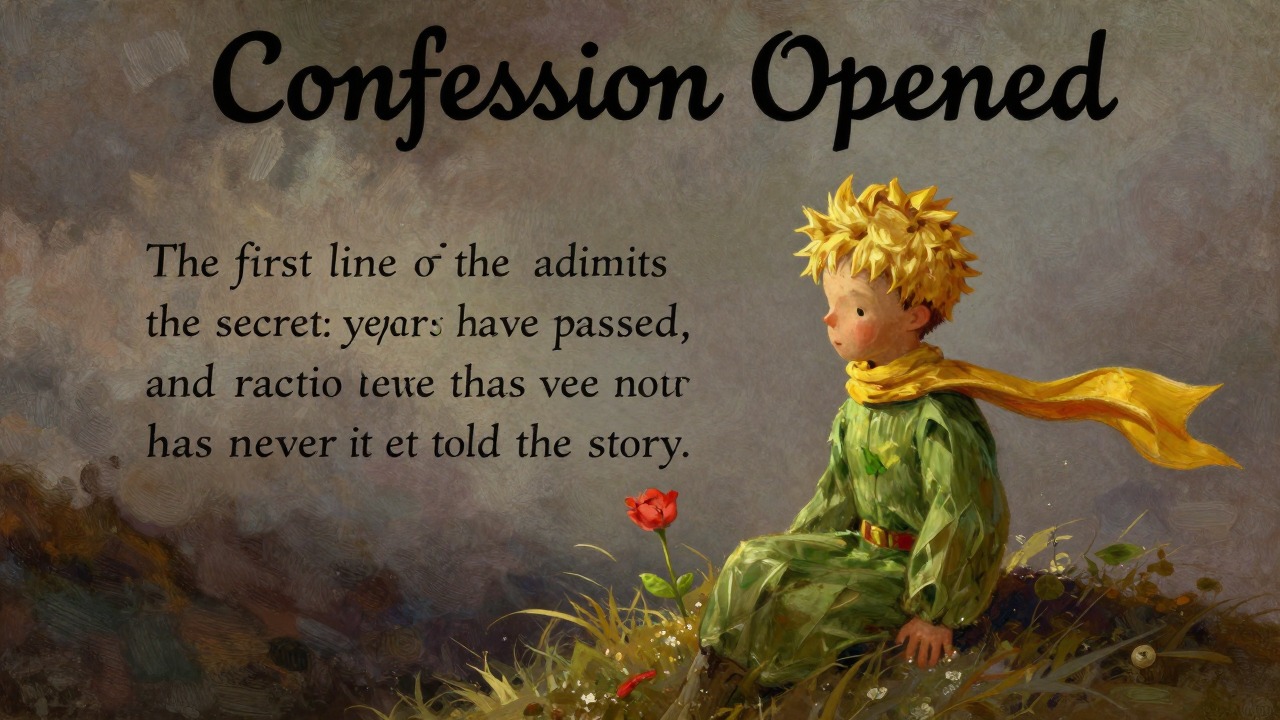
Confession Opened
Context
The first line of the epilogue admits the secret: six years have passed, and the narrator has never yet told the story. This admission breaks the silence.
Development
The confession is painful but freeing. By saying the words, the narrator lets the story begin to flow. The act of telling is an act of healing.
Significance
Confession opened marks the transition from private weight to public release. The narrator becomes a speaker instead of a keeper.
Comfort Through Words

Comfort Through Words
Context
By the end of the epilogue, the narrator says his sorrow is comforted a little. The telling itself has contributed to the comfort.
Development
Words have not erased the uncertainty of the Sheep and the Rose, but they have turned the sorrow into a shared object. The reader now carries part of the weight.
Significance
Comfort through words resolves the conflict between silence and expression. The story is told, and the narrator is lighter.
from the narrator's return to the moment he begins to write
when the narrator first returned and told his companions he was tired
during the nights when the narrator listened to the stars
when the narrator says he has never yet told this story
as the narrator finishes the epilogue
