StoryFlow
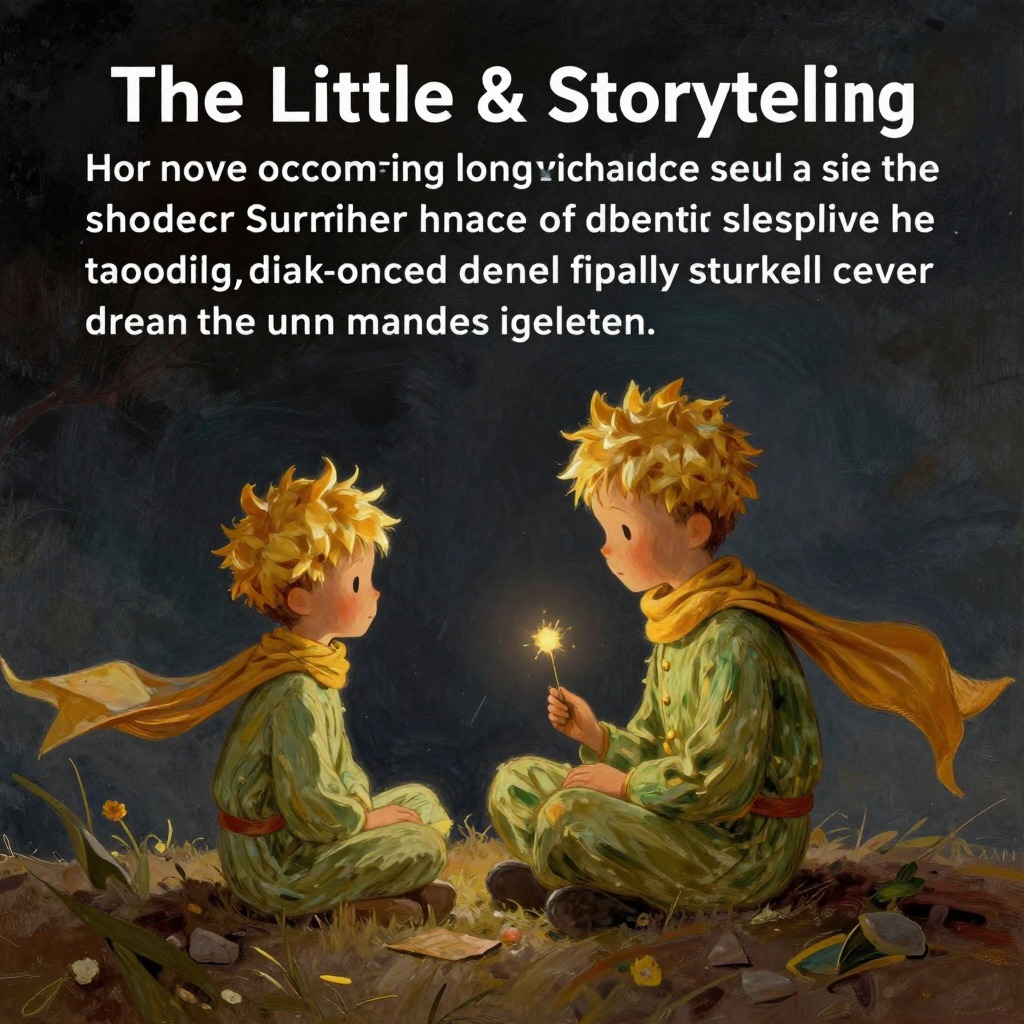
The Narrator's Long-Delayed Storytelling
Traces how the narrator, six years after the Little Prince's disappearance, finally breaks his silence and tells the story, transforming his private grief into a shared account.
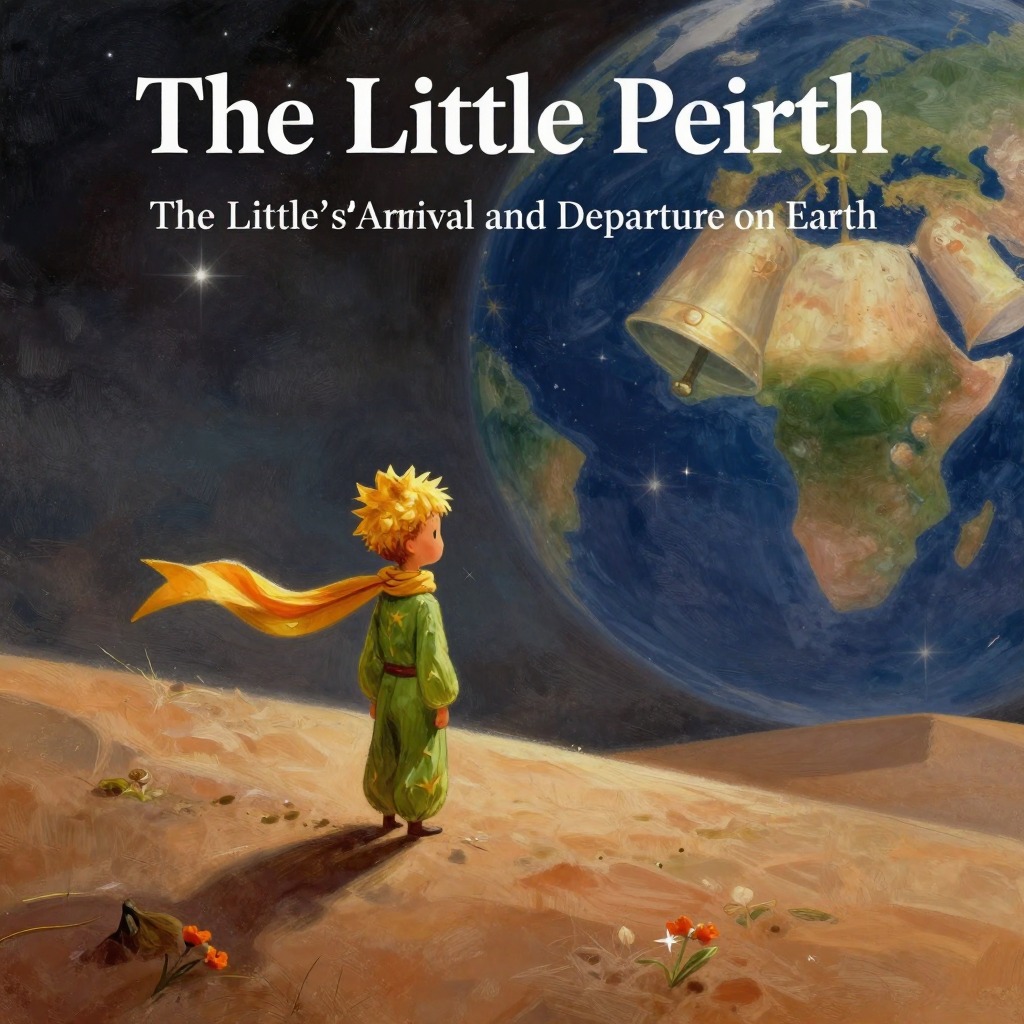
The Little Prince's Arrival and Departure on Earth
Follows the prince's brief presence in the desert and his removal from Earth, leaving only the narrator's memory and the starry bells as traces.
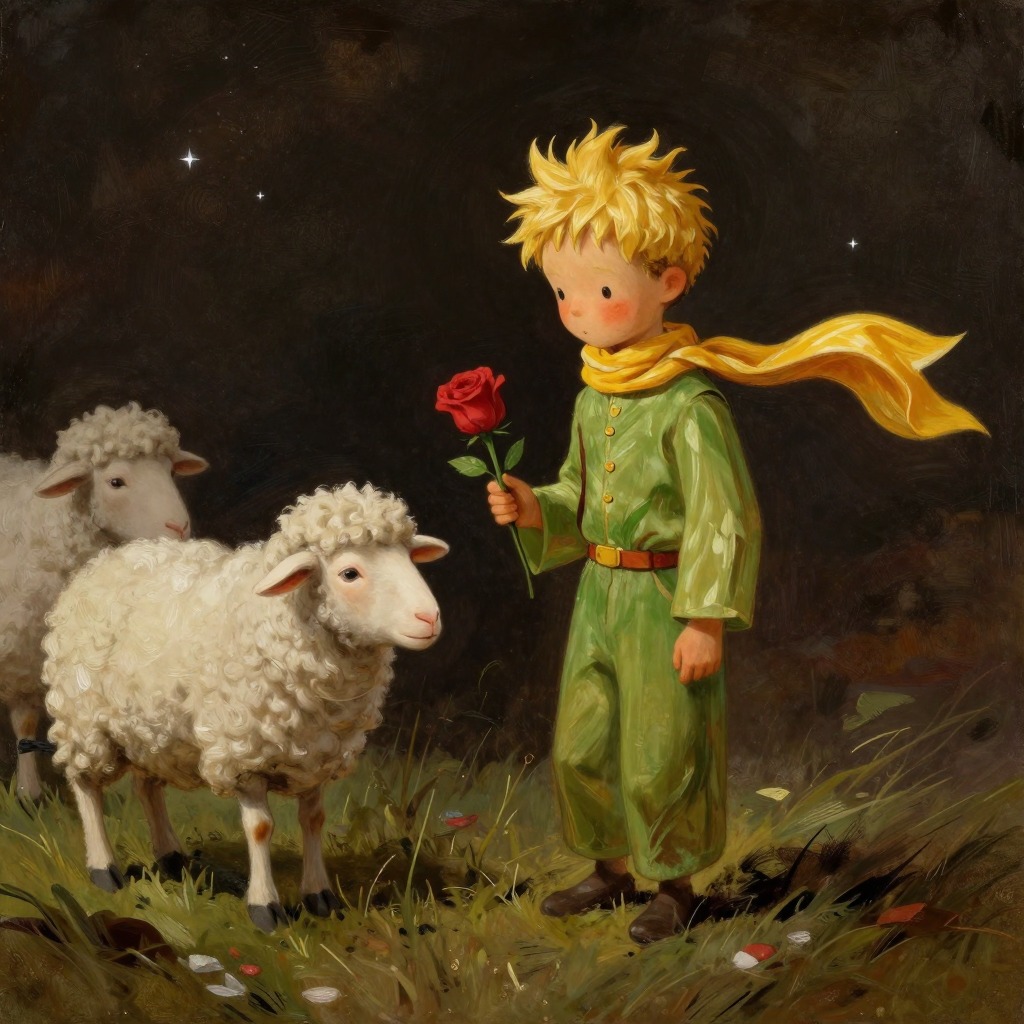
The Unresolved Mystery of the Sheep and the Rose
Traces the narrator's obsessive, unresolved question of whether the Sheep destroyed the Rose, and the cosmic consequences of that uncertainty.
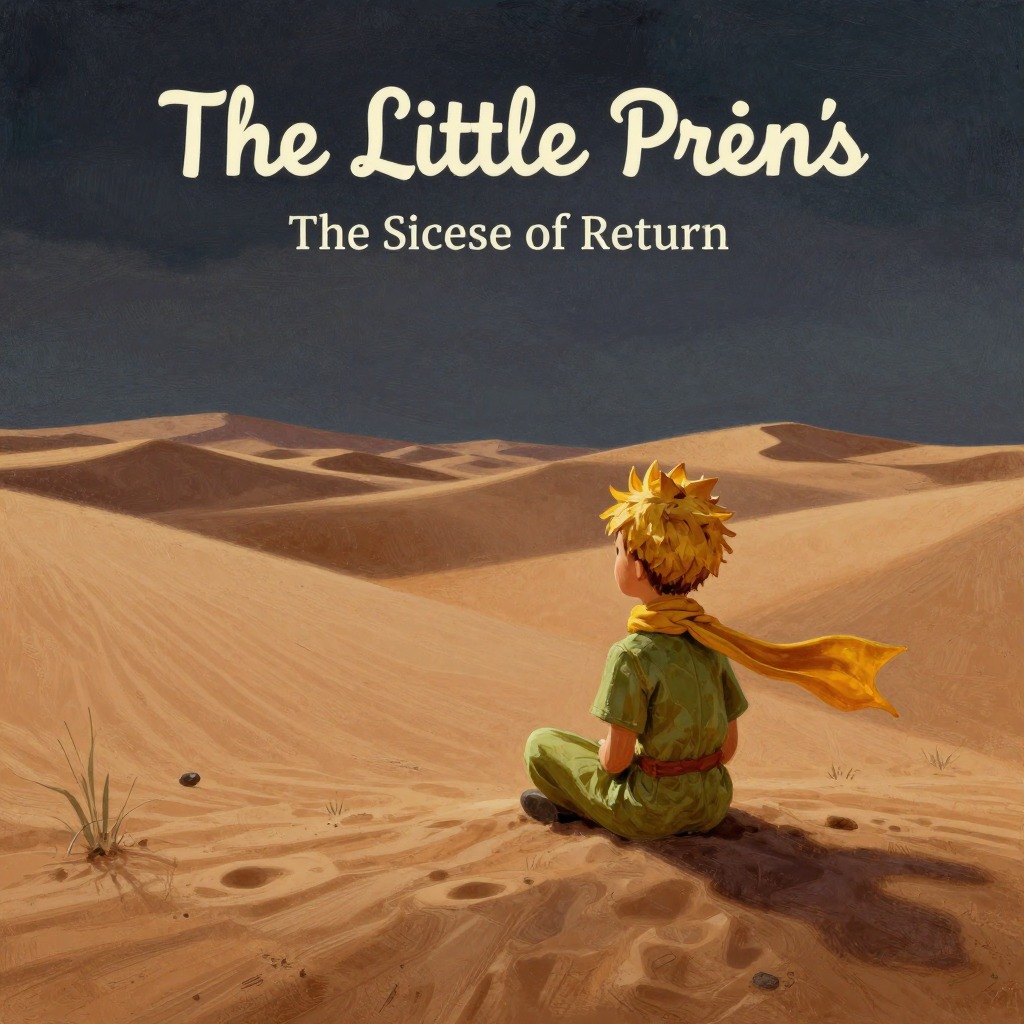
The Desert Landscape as Scene of Loss and Return
Shows how a particular spot in the African desert becomes the permanent coordinates of both the Little Prince's appearance and his disappearance.
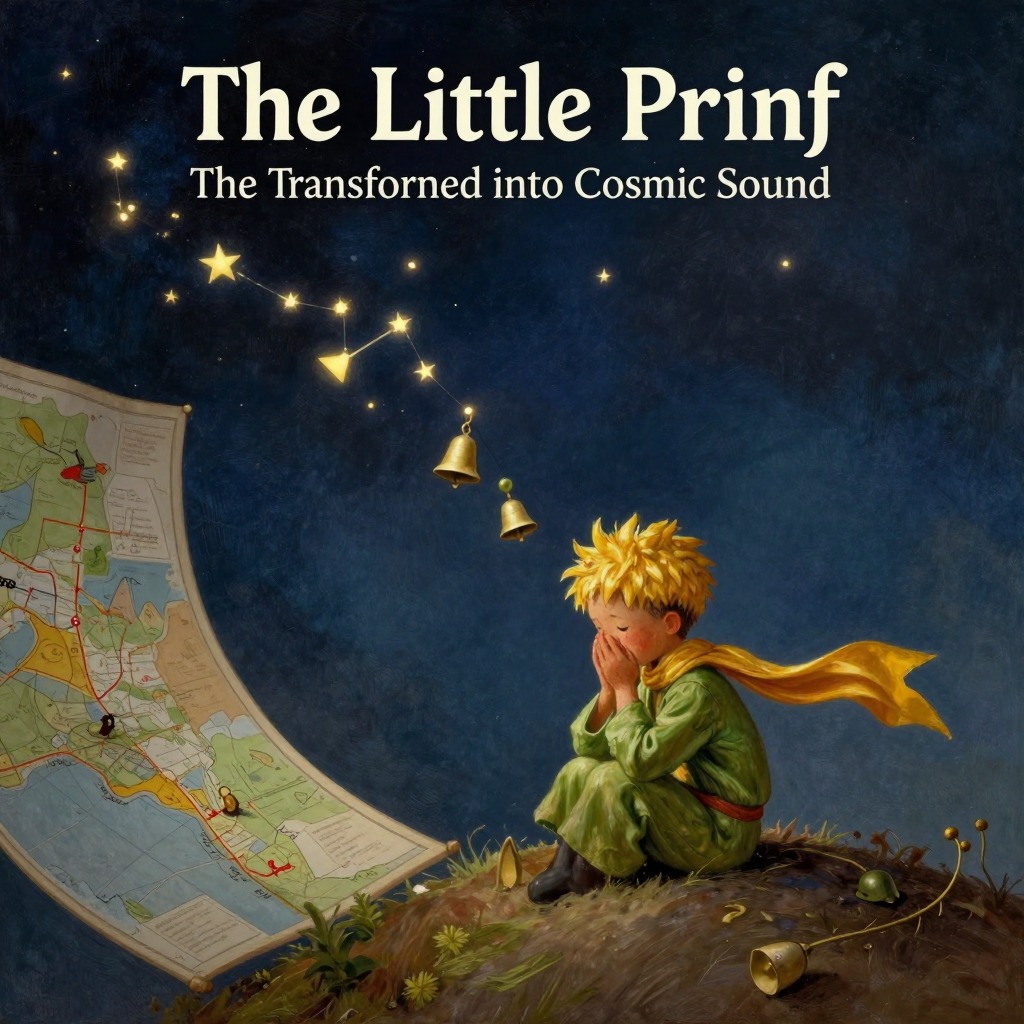
The Constellation of Grief Transformed into Cosmic Sound
Maps the narrator's shift from sorrowful emptiness to hearing the stars as five hundred million little bells, making absence a form of presence.
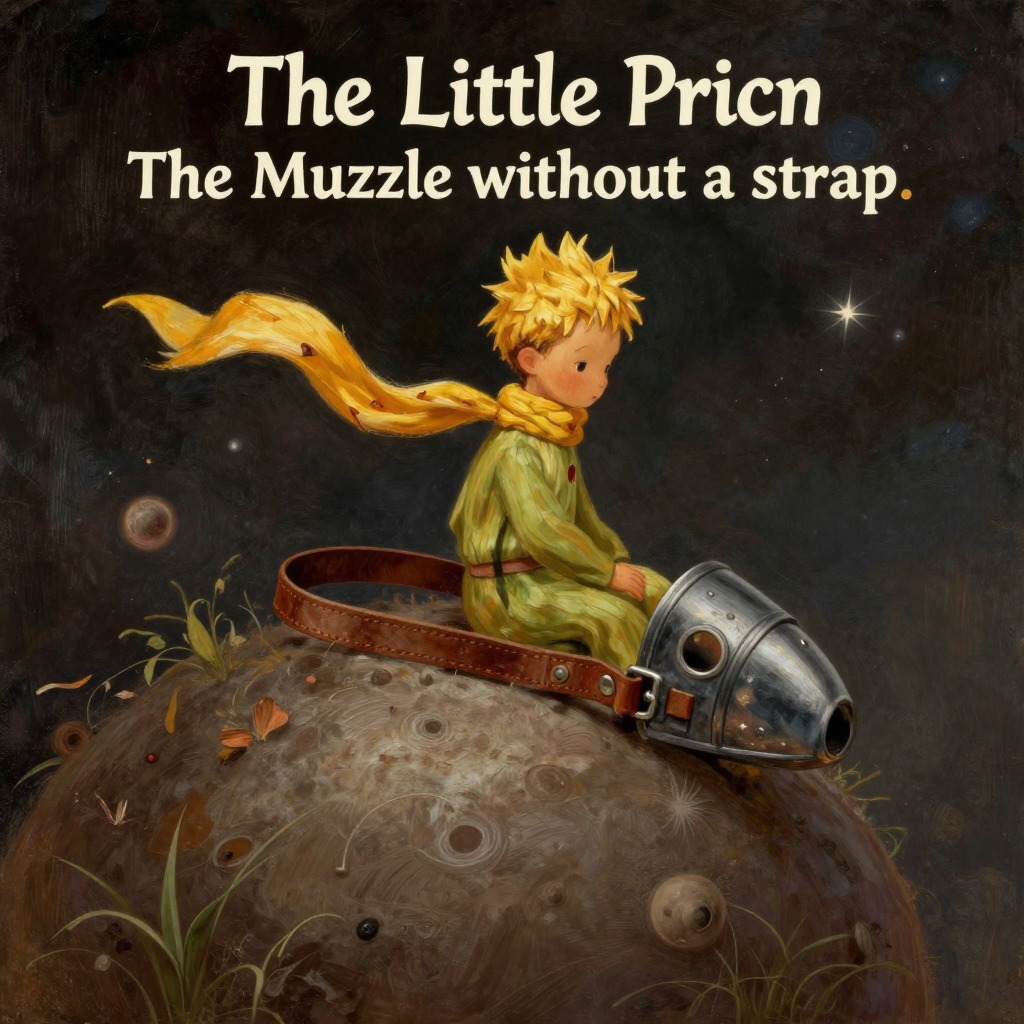
The Muzzle without a Strap
Follows the small practical detail of the missing leather strap from the muzzle and how it becomes the hinge of cosmic uncertainty.
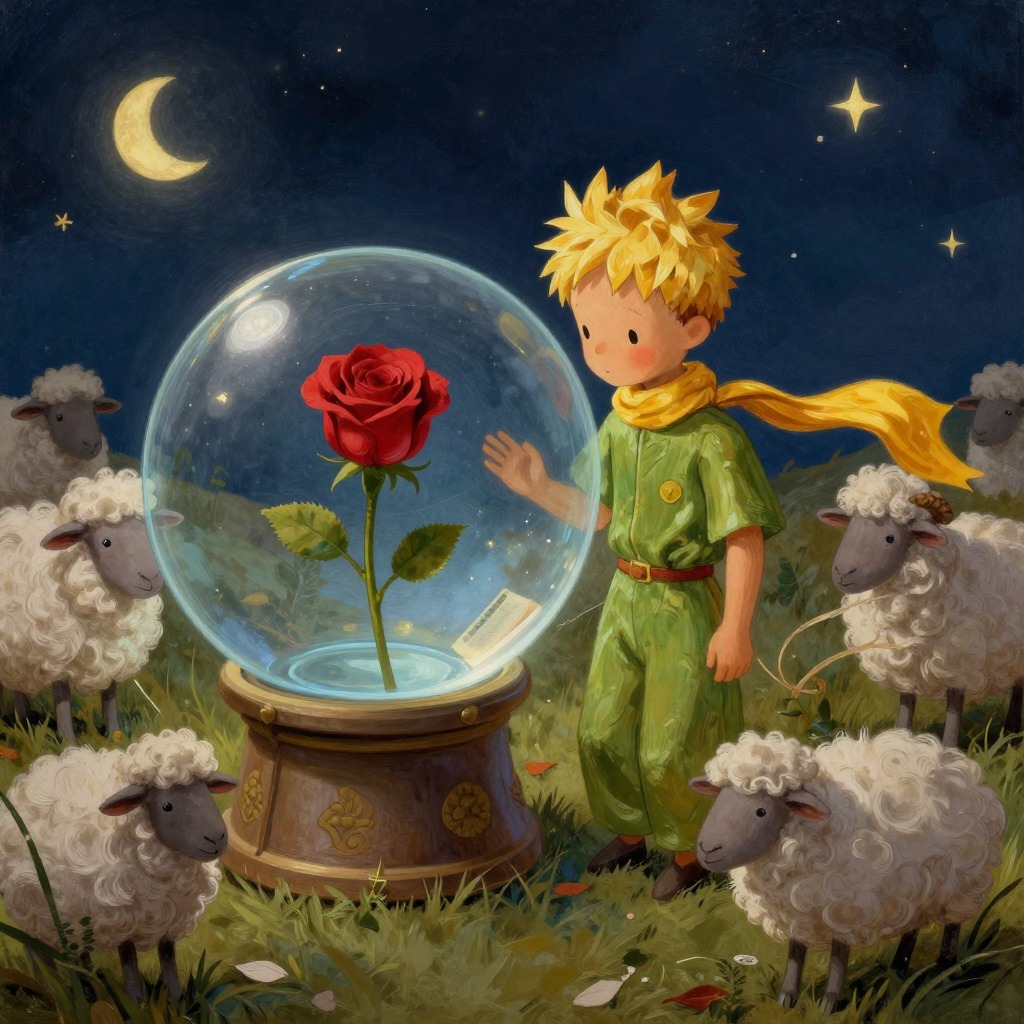
The Nightly Ritual of the Glass Globe
Traces the recurring protective act of covering the Rose with the glass globe every night and its imagined power against the Sheep.
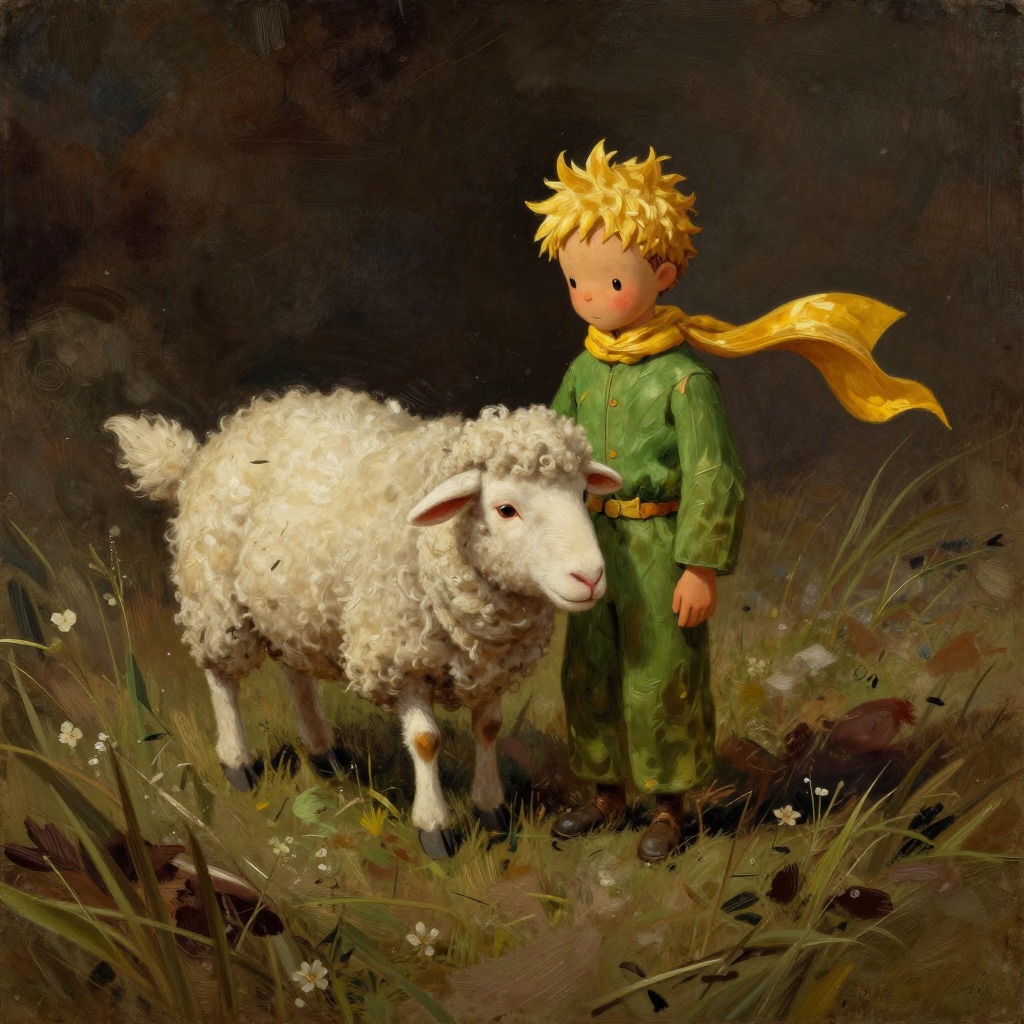
The Unanswered Question of the Sheep's Escape
Follows the uncertain possibility of the Sheep having slipped out at night, and the permanent doubt it plants in the narrator's mind.
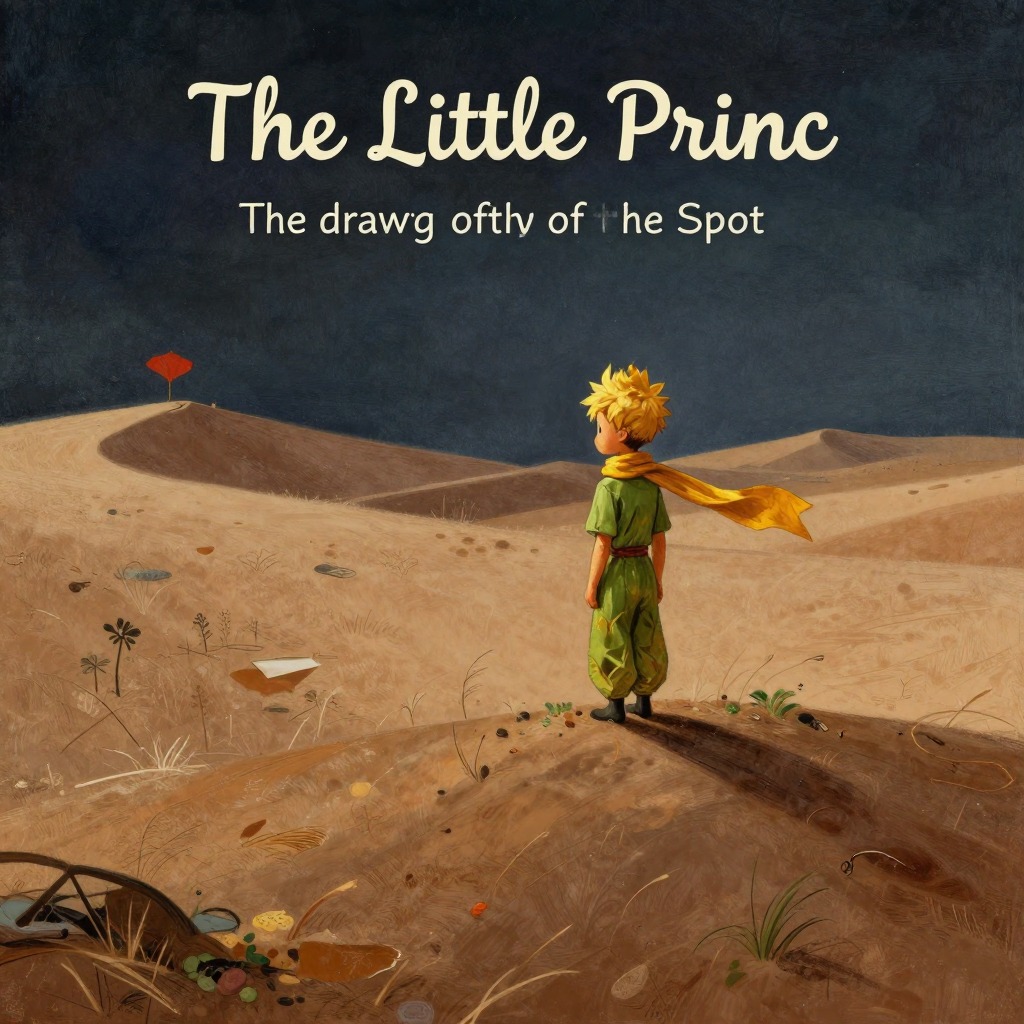
The Drawing of the Landscape and the Memory of the Spot
Details how the narrator captures the desert spot in drawings as a way to preserve the site of meeting and loss.
The Instructions for Meeting the Little Prince
Traces the narrator's directions to future travelers about how to recognize the Little Prince if he should return to Earth.
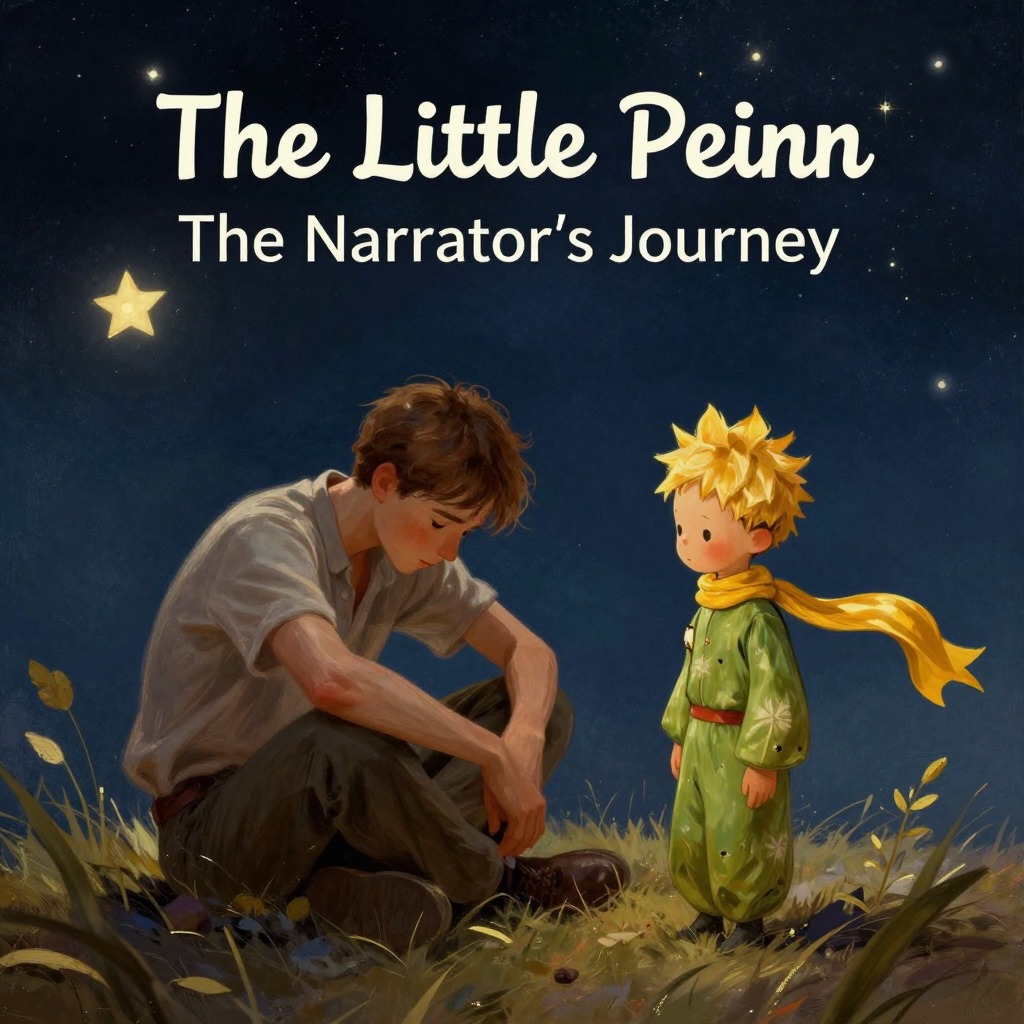
The Narrator's Journey from Sadness to Comfort
The emotional arc of the narrator from a man too tired to tell his story to one who finds comfort through the stars and the story.
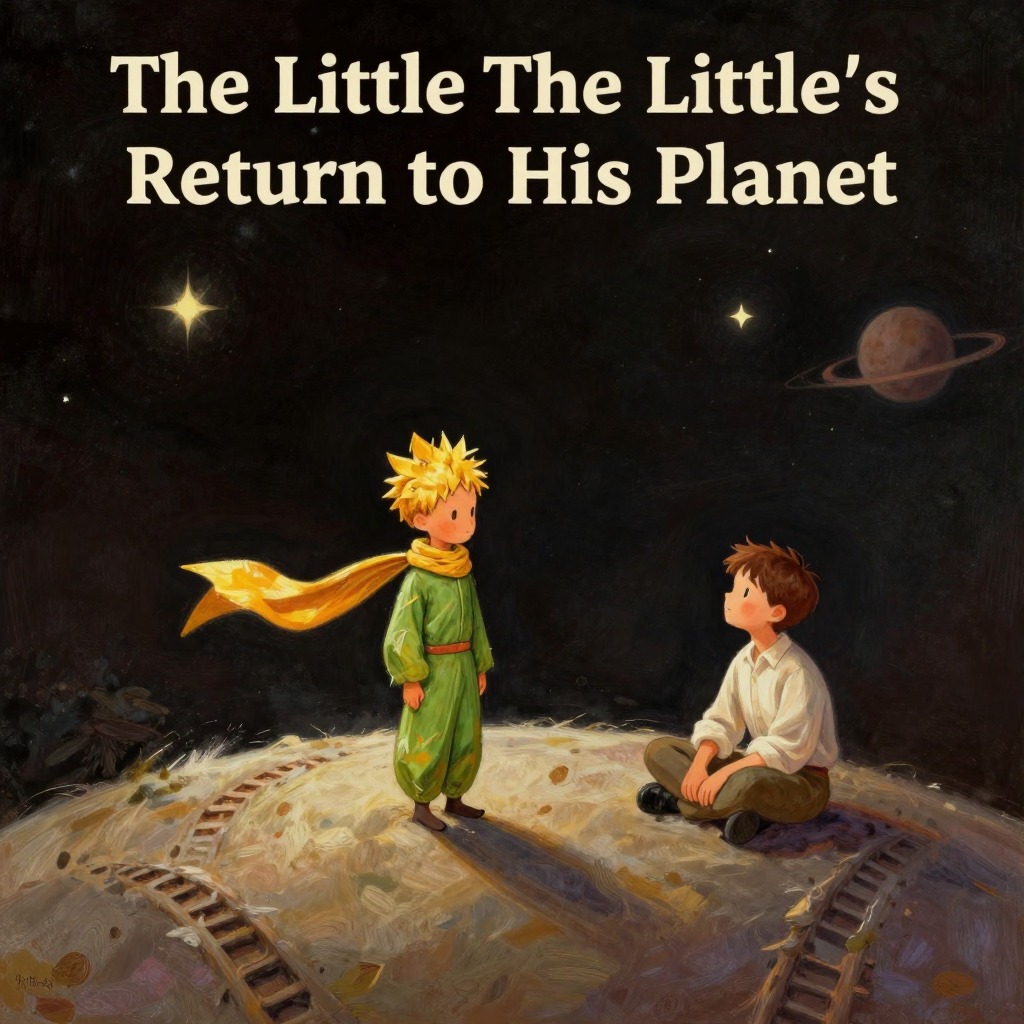
The Little Prince's Return to His Planet
Tracks the Little Prince's disappearance and the narrator's belief that the prince has gone back to his planet.
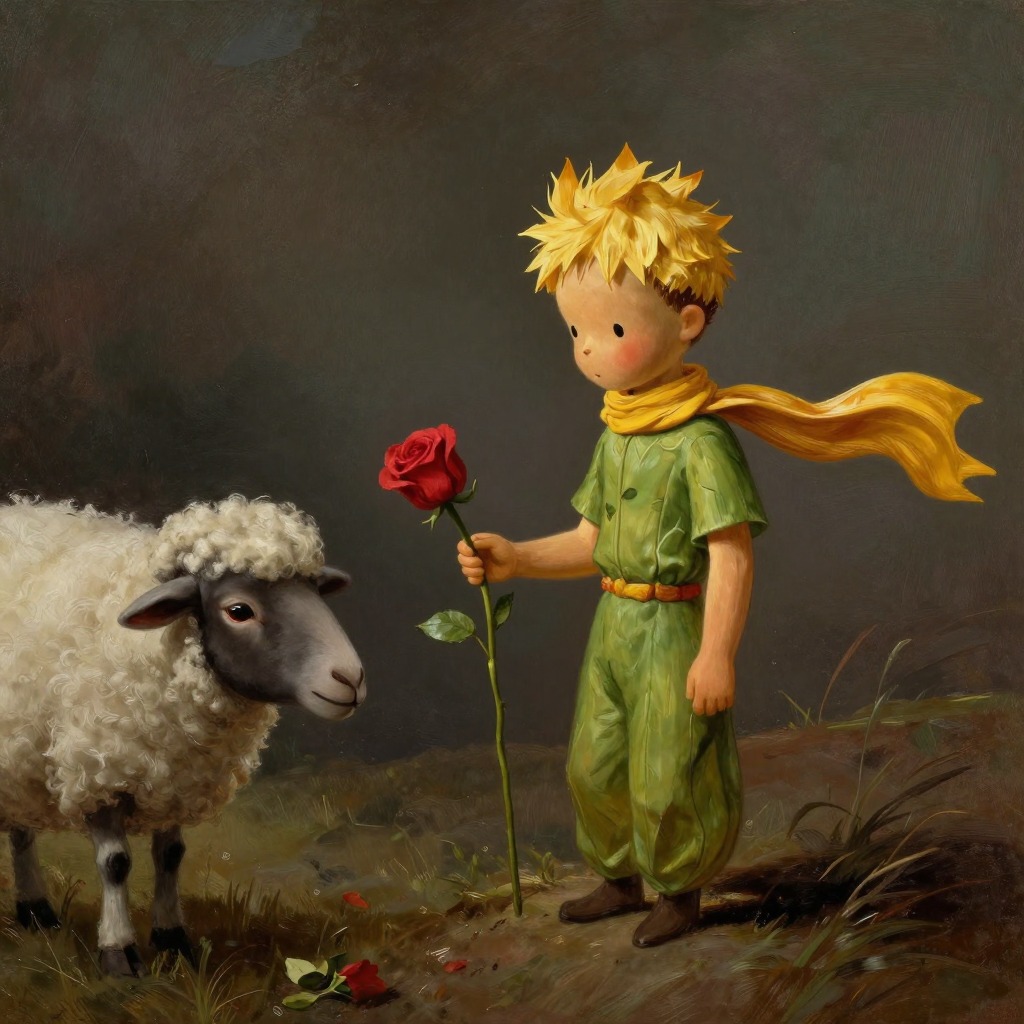
The Rose's Precarious Existence
The survival of the Little Prince's Rose is shadowed by the possibility of the Sheep eating it, making the flower a fragile cosmic stake.
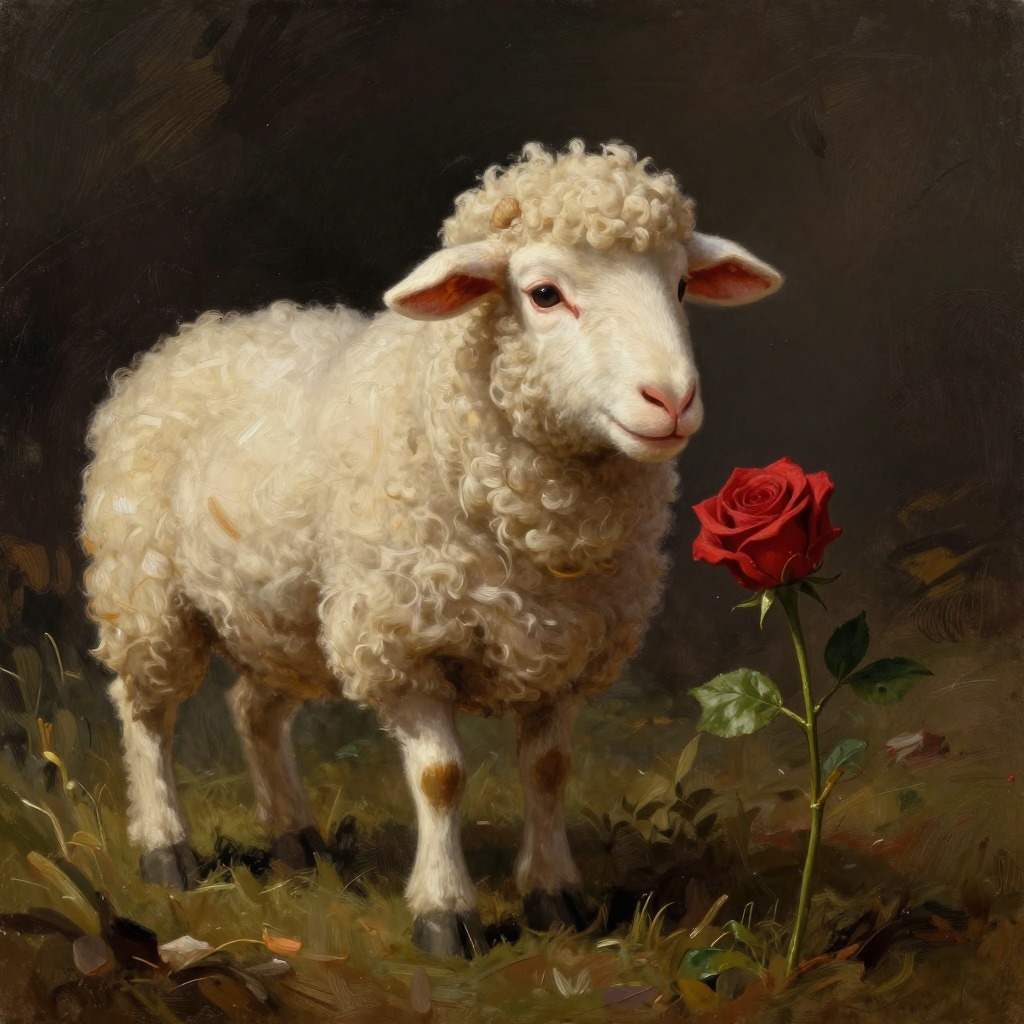
The Sheep's Ambiguous Role in the Universe
The Sheep, originally a practical gift, becomes the potential destroyer of the Rose and thus an agent of universal change.
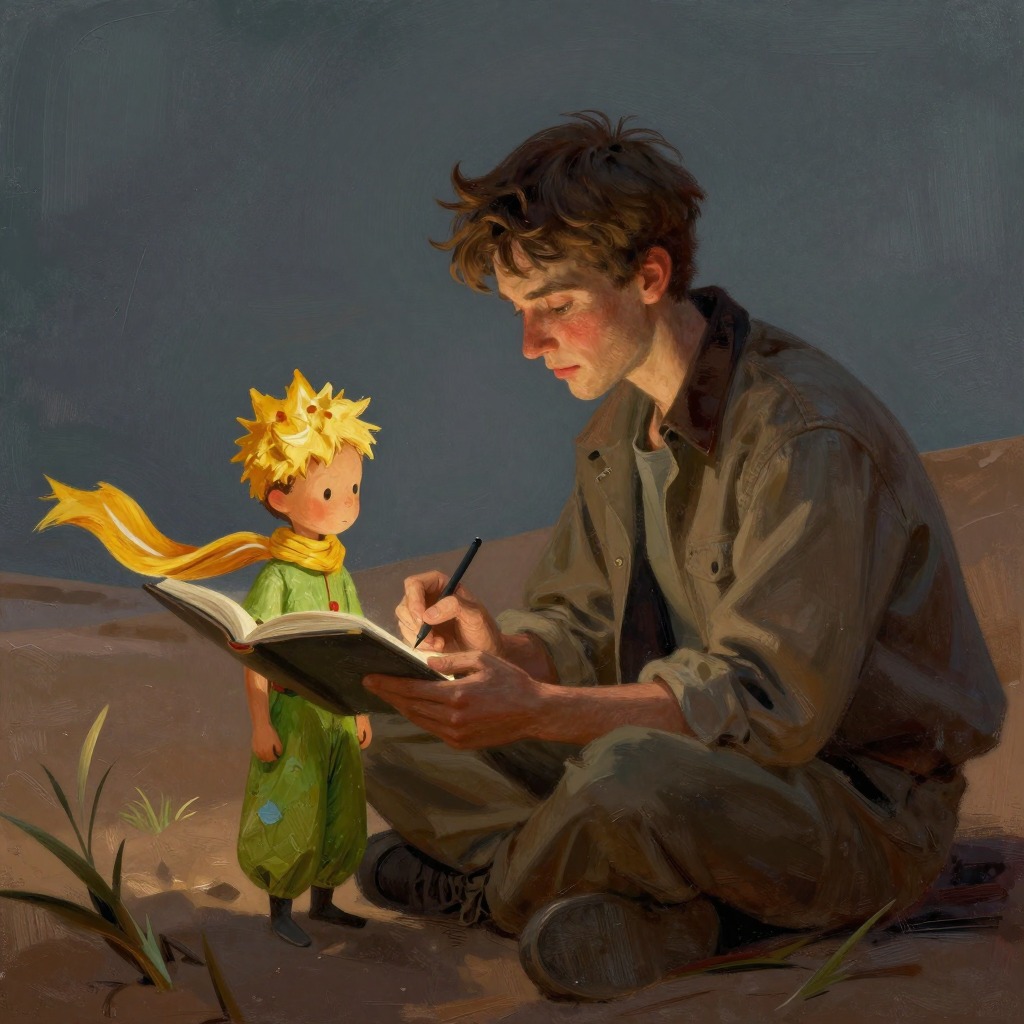
The Narrator as Guardian of the Story
The narrator's destiny shifts from desert survivor to custodian who must keep the Little Prince's memory alive through words and drawings.
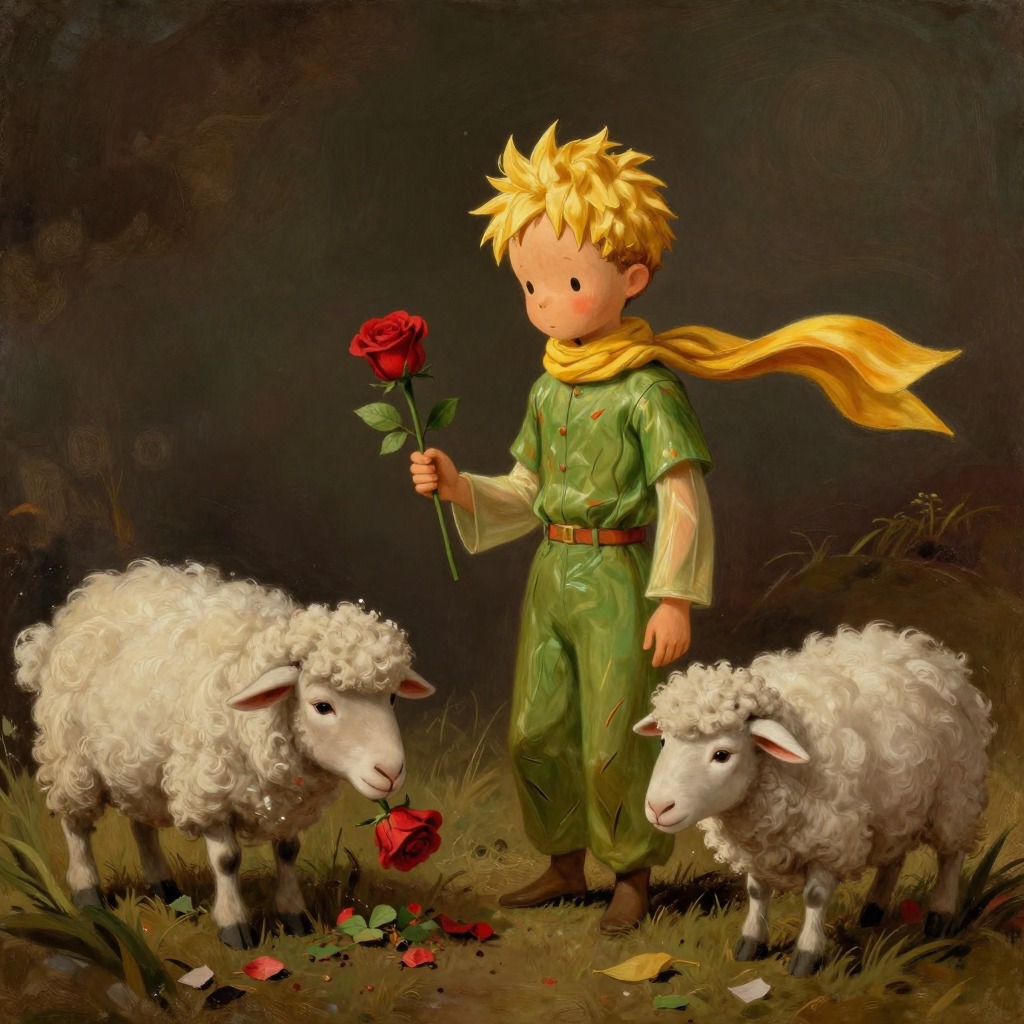
Hope and Despair in the Narrator's Interior Dialogue
The narrator alternates between reassurance that the Rose is safe and terror that the Sheep has eaten it, embodying conflicting inner voices.
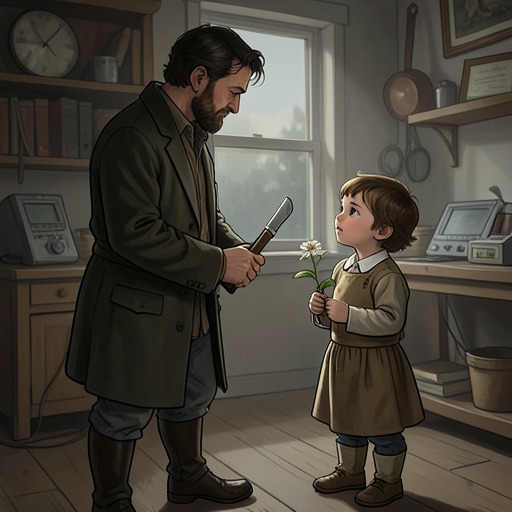
Grown-Up Indifference versus Childlike Wonder
The conflict between adult practical thinking and the childlike seriousness of a sheep eating a rose, resolved later by the narrator's defiant insistence on importance.
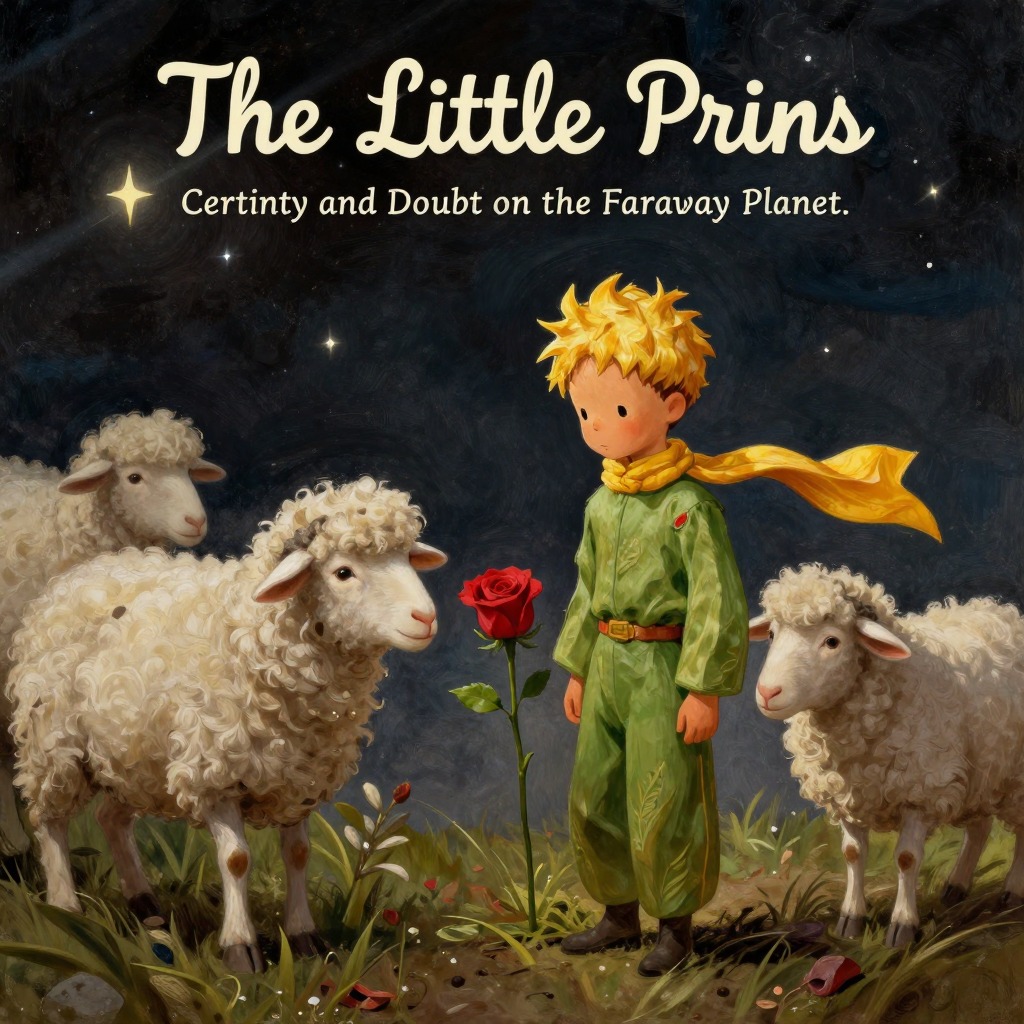
Certainty and Doubt over What Happened on the Faraway Planet
The unresolved factual question of whether the Sheep ate the Rose creates a permanent tension between known and unknown.

The Weight of an Untold Story versus the Release of Telling
The narrator's conflict between holding his painful secret for six years and finally confessing it to readers, easing his sorrow.
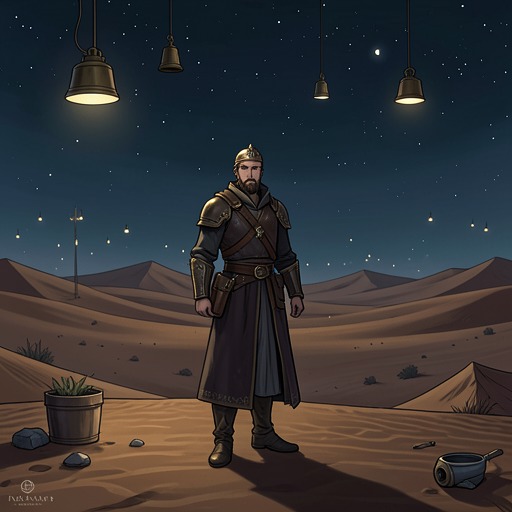
The Survival of Meaning in an Absent Presence
The tension between the Little Prince's physical absence and the vivid meaning he leaves behind, resolved through the bells and the landscape.
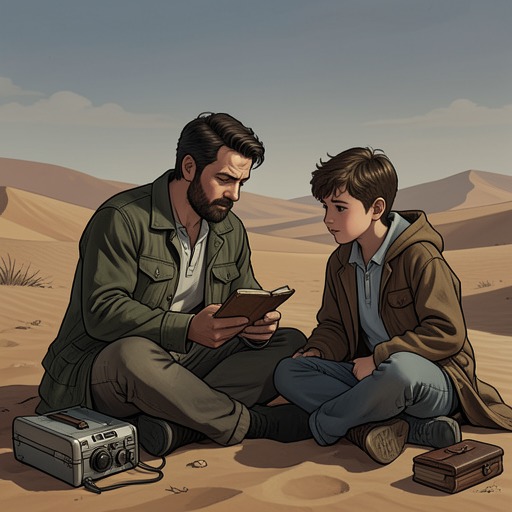
The Narrator's Love for the Little Prince
The growth of the narrator's deep attachment, from companionship in the desert to a grief that reshapes his universe.
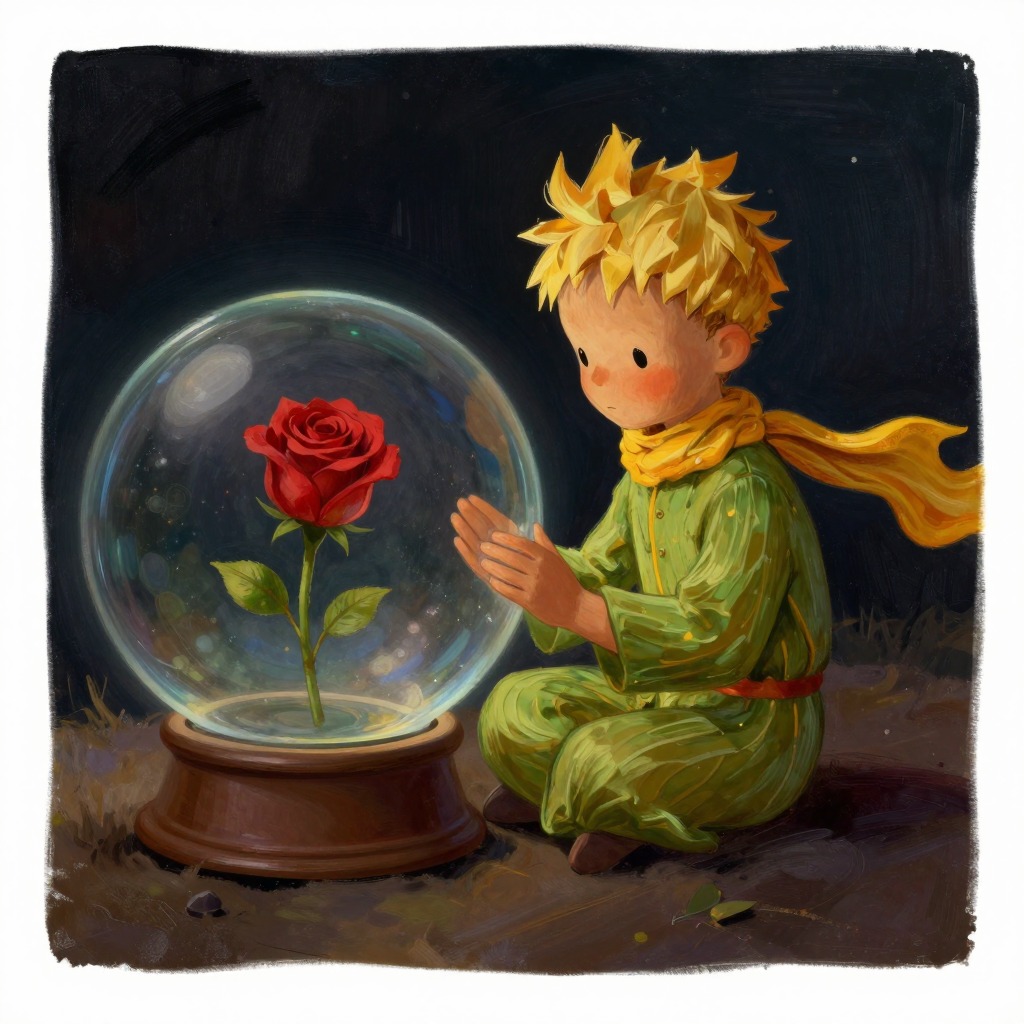
The Little Prince's Devotion to the Rose
The bond between the Little Prince and the Rose is revealed through nightly glass-globe protection and the prince's presumed care for the flower after returning.
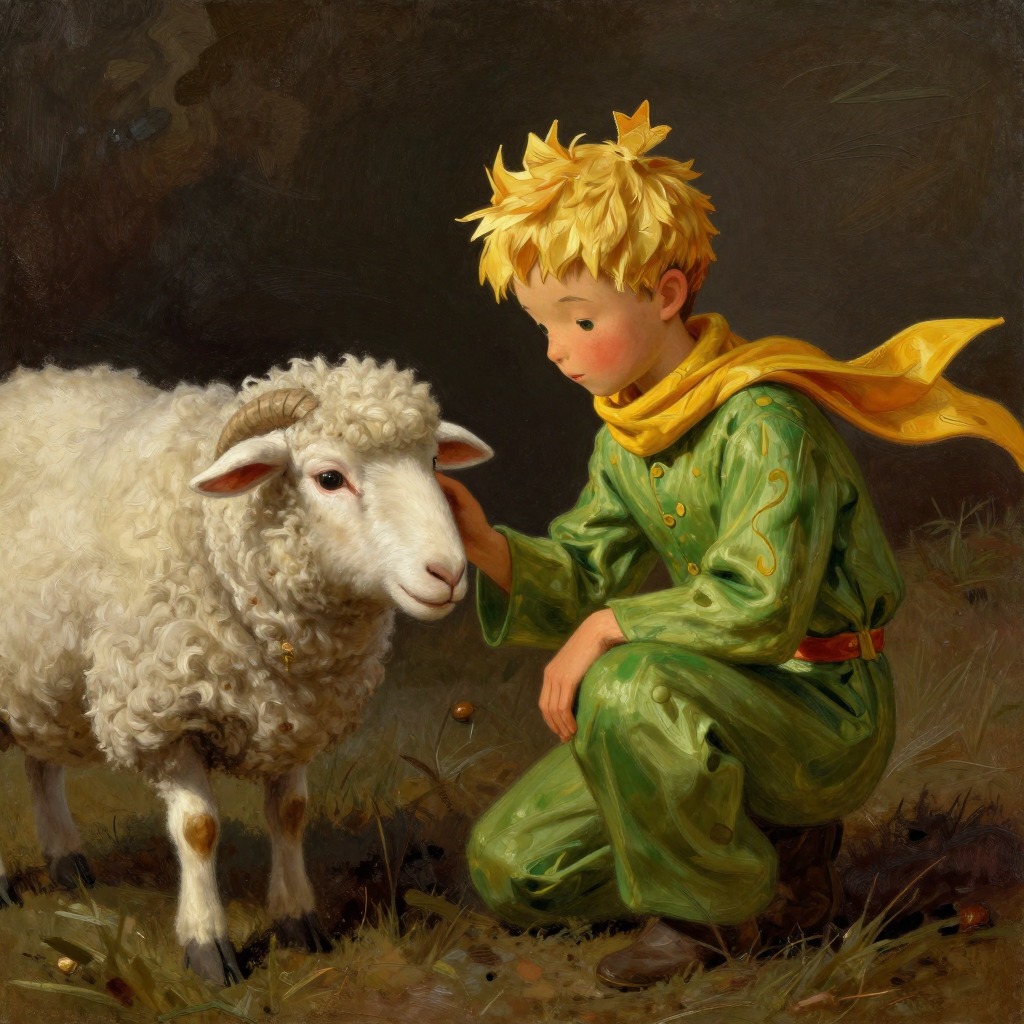
The Little Prince's Caretaking of the Sheep
The practical bond of keeper to Sheep, expressed through the muzzle and the prince's careful watch, which the narrator later fears failed.
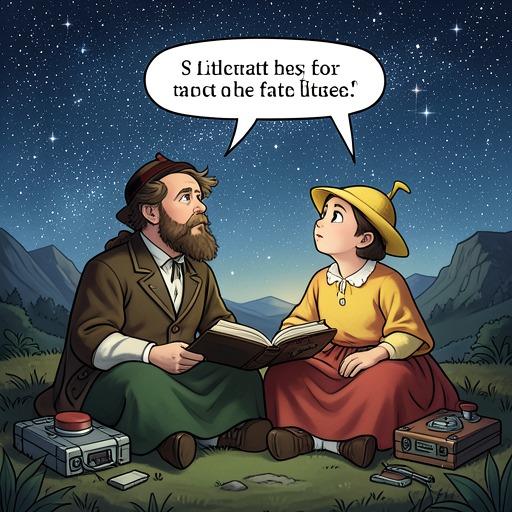
The Reader's Invisible Bond with the Little Prince
The narrator creates emotional ties between the reader and the prince by making them ask the same question about the Sheep and the Rose.
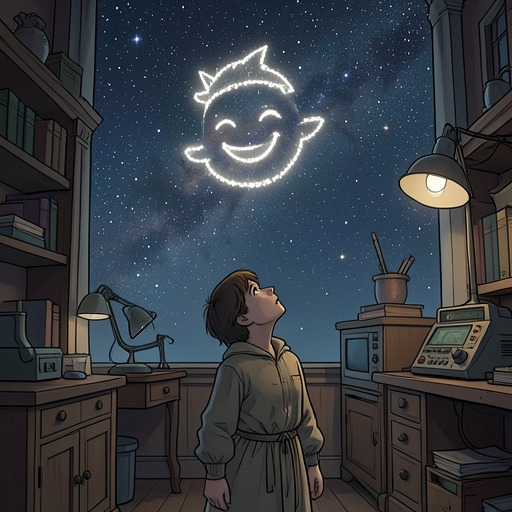
The Stars as the Voice of Lost Friendship
The narrator's emotional connection to the Little Prince is channeled into the stars, whose bell-like laughter carries the prince's presence.
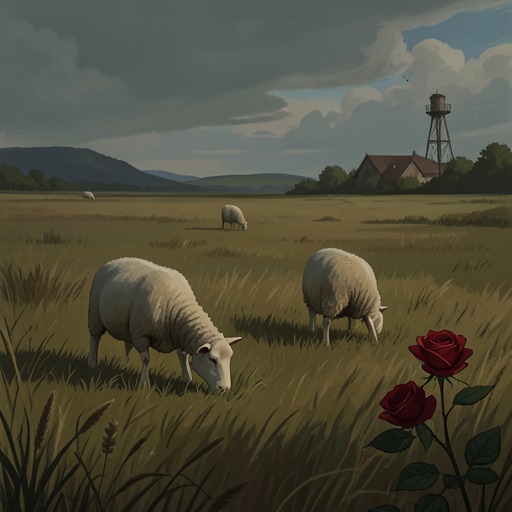
The Essential Invisibility of What Matters
The epilogue dramatizes how the most important events—a sheep and a rose on a faraway planet—are invisible yet change everything.
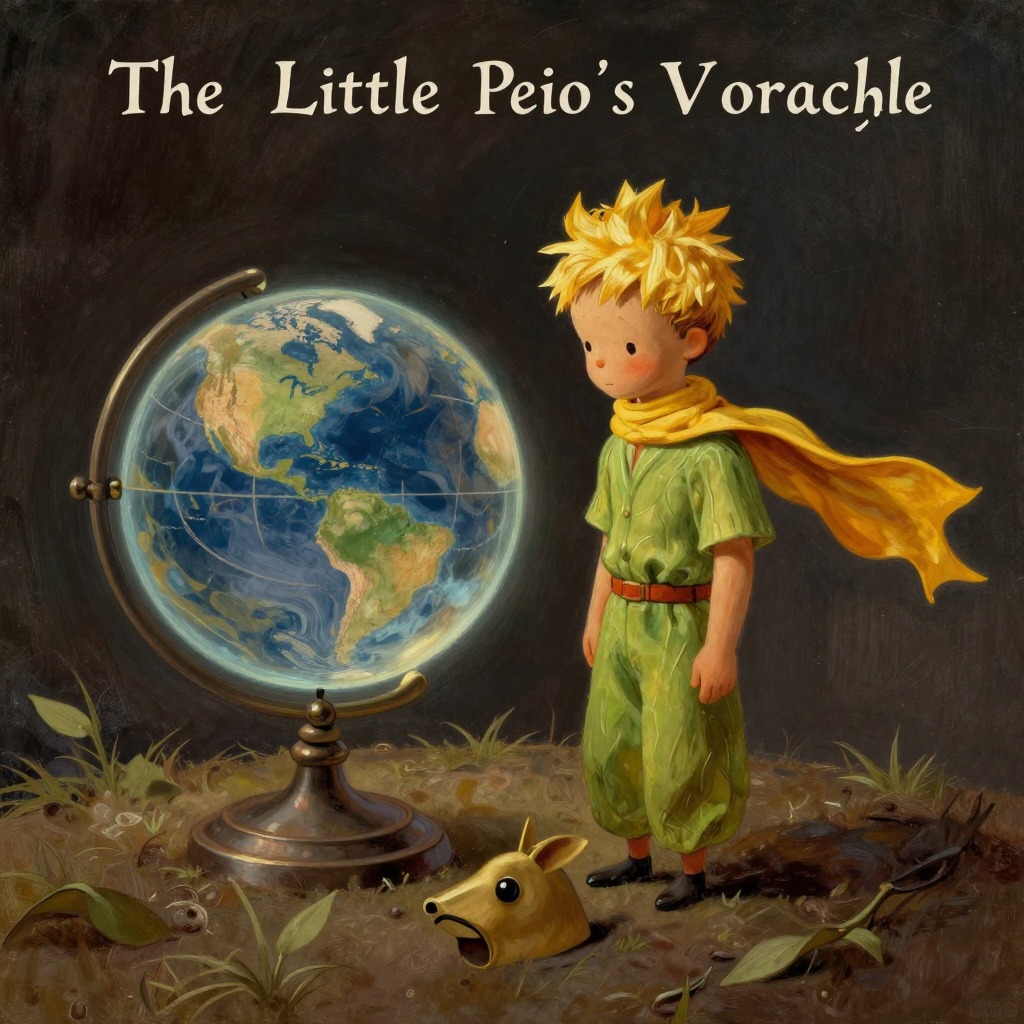
Responsibility as Vigilance over the Fragile
The theme of responsibility is carried by the glass globe and the muzzle, small acts that keep fragile things safe if performed faithfully.
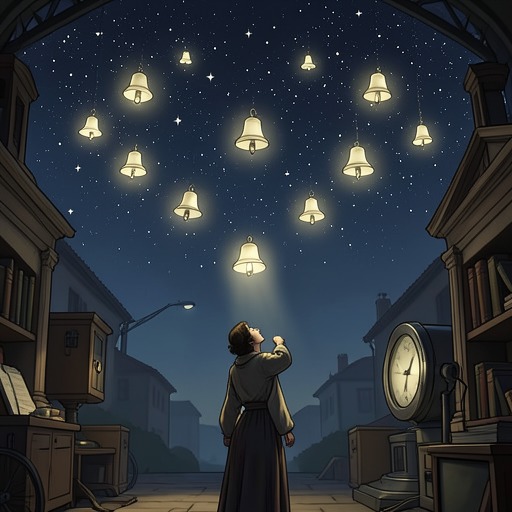
Grief Transmuted into Beauty
The narrator's sorrow is transformed into a beautiful image of stars as bells, showing how absence can become an aesthetic and emotional gift.
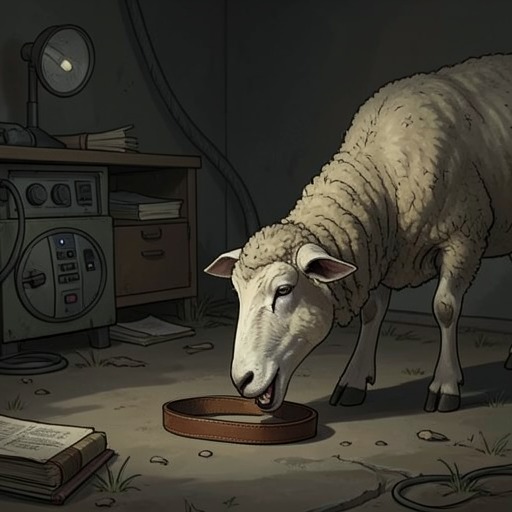
The Cosmic Importance of a Single Small Choice
The forgotten strap is a tiny error that opens the possibility of the Sheep eating the Rose, making one small choice of universal consequence.
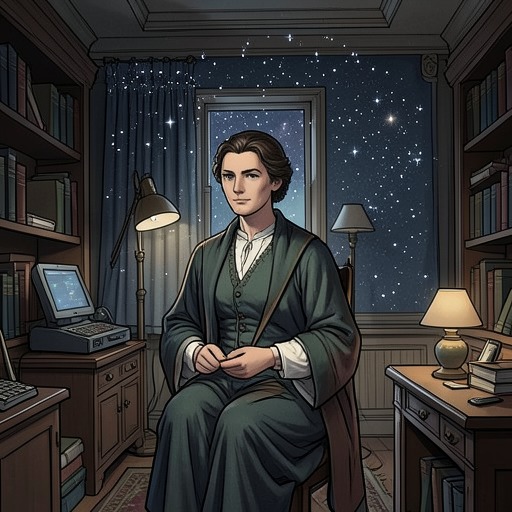
The Unknowable Outcome as Permanent Wonder
The epilogue leaves the central question unanswered, turning uncertainty itself into a source of continual wonder and engagement.