
The Narrator's Love for the Little Prince
The Little PrinceThe growth of the narrator's deep attachment, from companionship in the desert to a grief that reshapes his universe.
increasing Bearing strength in each event
 decreasing
Bearing strength in each eventdecreasingEncounter in the Desert
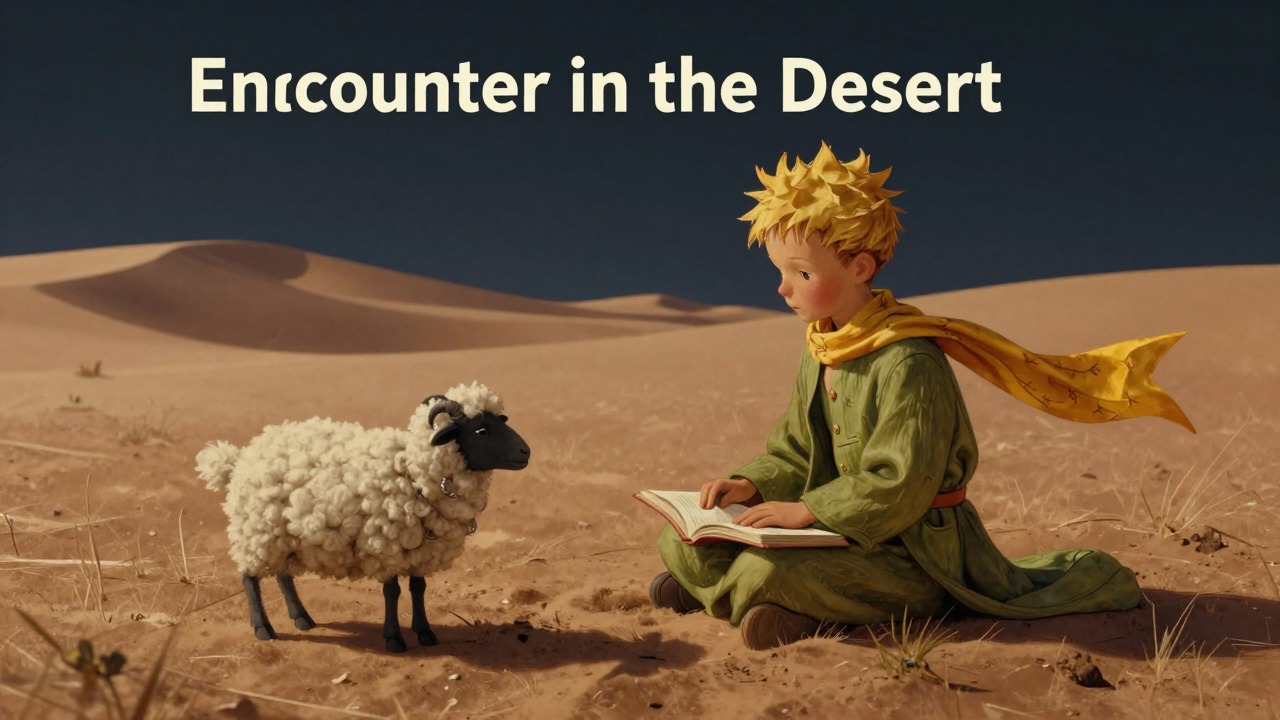
Encounter in the Desert
Context
The narrator meets the Little Prince in the African desert, a place of solitude. The encounter breaks his isolation and gives his life a mysterious focus.
Development
At first the prince is a strange child asking for a sheep; gradually, the narrator is won over by his sincerity. The affection grows through shared hours under the stars.
Significance
Invested in the prince, the narrator finds a new reason to care. The desert friendship becomes the seed of lifelong love.
Loss of the Prince
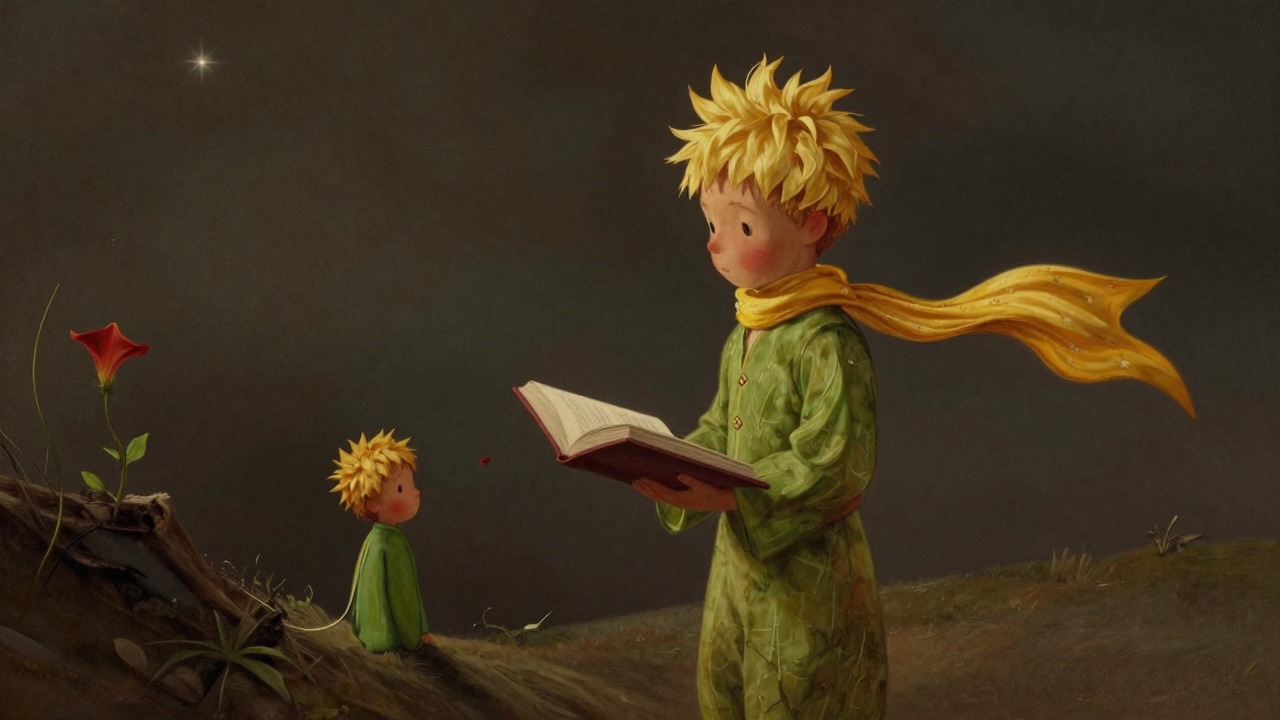
Loss of the Prince
Context
The narrator wakes to find the prince gone, with no body left behind. The loss is catastrophic because the love has become part of the narrator's inner landscape.
Development
The immediacy of the disappearance leaves no time for farewell. The narrator carries the unmet goodbye for six years. The love is now defined by its missing object.
Significance
Loss of the prince transforms affection into grief. The narrator's love must now survive in memory.
Perpetual Thought

Perpetual Thought
Context
The narrator cannot stop thinking about the prince: his nightly routines, the glass globe, the Sheep, the Rose. Love is sustained by obsession.
Development
Every bell in the stars seems to speak of the prince. The narrator's mind returns to the small planet, trying to imagine the prince's current life. Love becomes a habit of imagining.
Significance
Perpetual thought shows love's persistence. The absent prince remains the emotional center of the narrator's world.
Worrying for His World
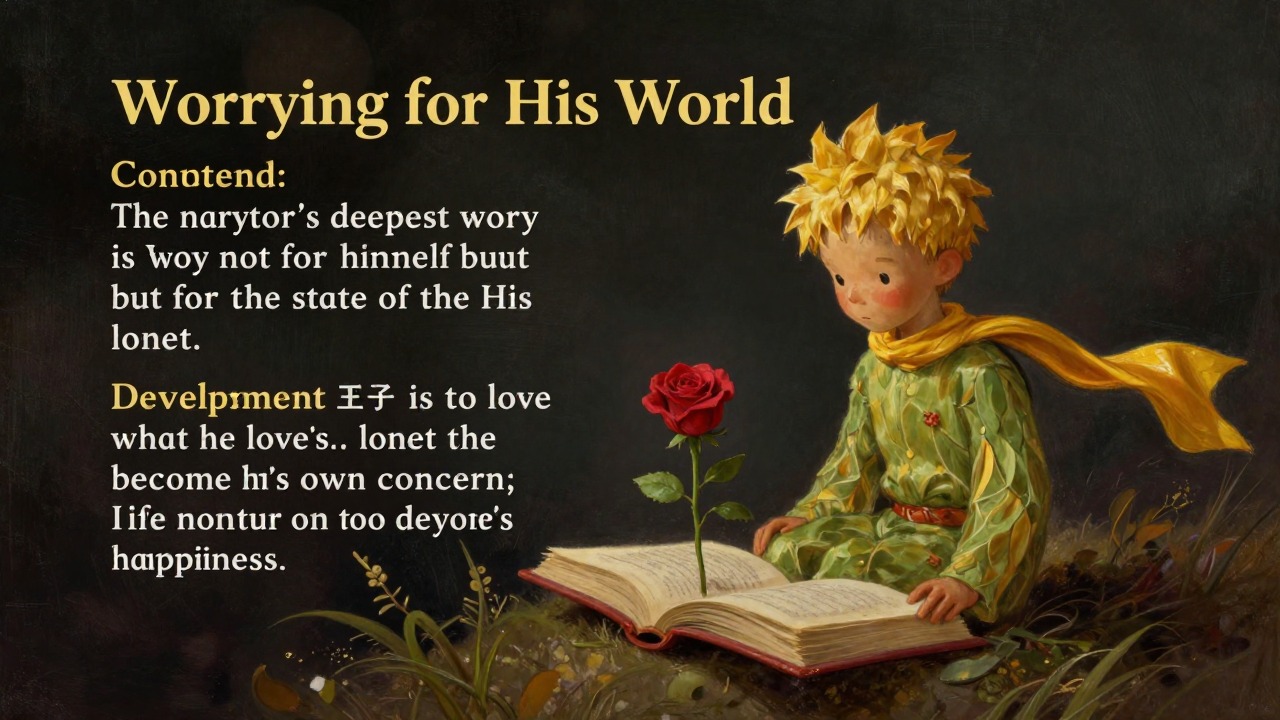
Worrying for His World
Context
The narrator's deepest worry is not for himself but for the state of the prince's planet. He fears for the Rose and for the prince's happiness.
Development
To love the prince is to love what he loves. The Rose becomes the narrator's own concern; her survival determines his peace. Love expands to include the beloved's world.
Significance
Worrying for his world reveals unselfish love. The narrator cares about the prince's fate more than his own comfort.
Pleading for Return
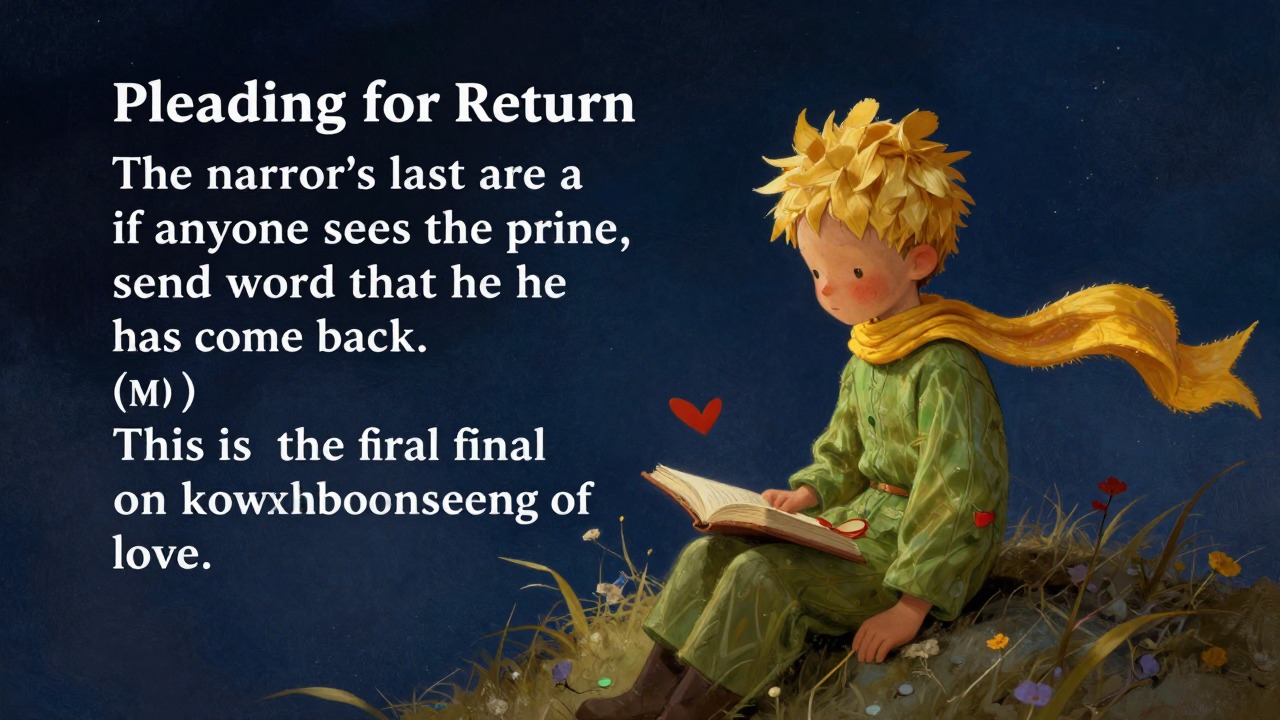
Pleading for Return
Context
The narrator's last words are a plea: if anyone sees the prince, send word that he has come back. This is the final outpouring of love.
Development
The plea combines hope and humility. He does not demand the prince return; he asks for news. His love is content to know the prince is safe.
Significance
Pleading for return marks love's maturity. It is active, patient, and willing to wait.
during the first meeting in the African desert
at the daybreak when the prince disappeared
in the six years after the disappearance
when the narrator worries whether the Sheep has eaten the Rose
in the last lines, when the narrator asks for word of the prince
