
The Reader's Invisible Bond with the Little Prince
The Little PrinceThe narrator creates emotional ties between the reader and the prince by making them ask the same question about the Sheep and the Rose.
increasing Bearing strength in each event
 decreasing
Bearing strength in each eventdecreasingAddressed as Lovers
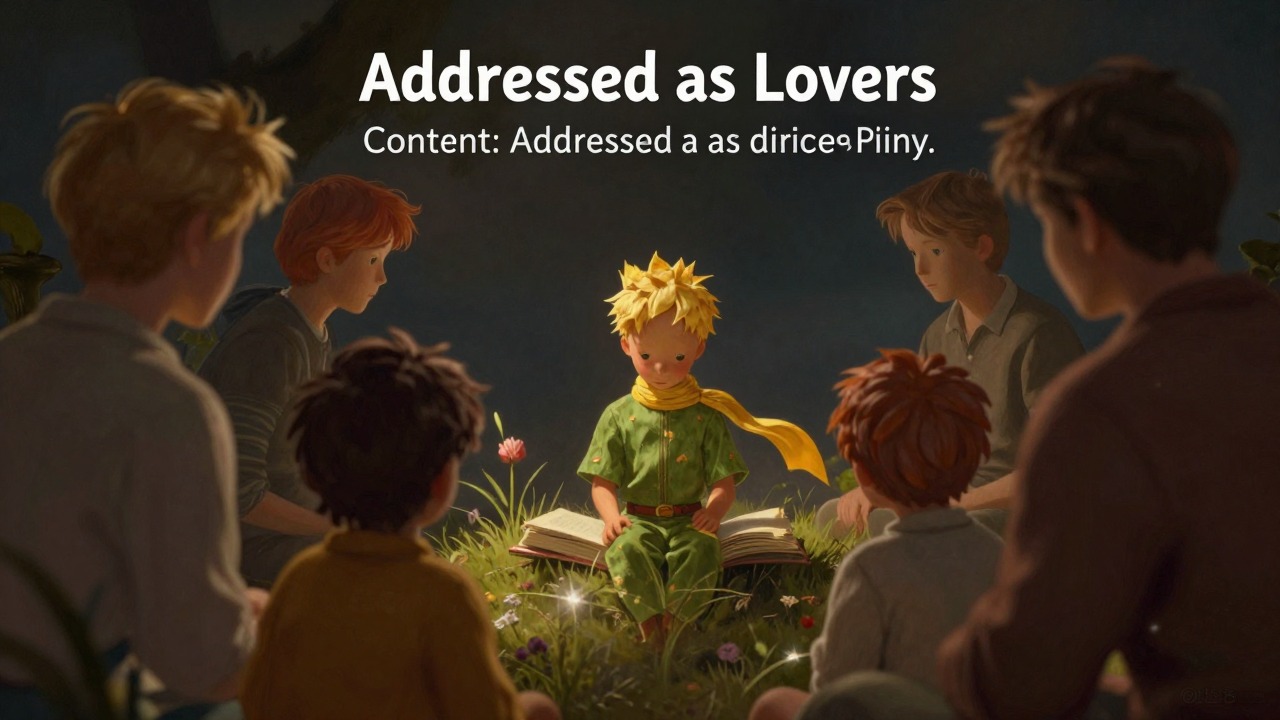
Addressed as Lovers
Context
The narrator directly addresses readers who love the Little Prince, creating an intimate circle. The reader is not a spectator but an emotional participant.
Development
The phrase assumes shared affection and shared concern. The narrator groups himself with the reader: "for me, nothing in the universe can be the same." This is a bond of equals.
Significance
This direct address turns the reader into a character in the story's emotional system.
Question Shared
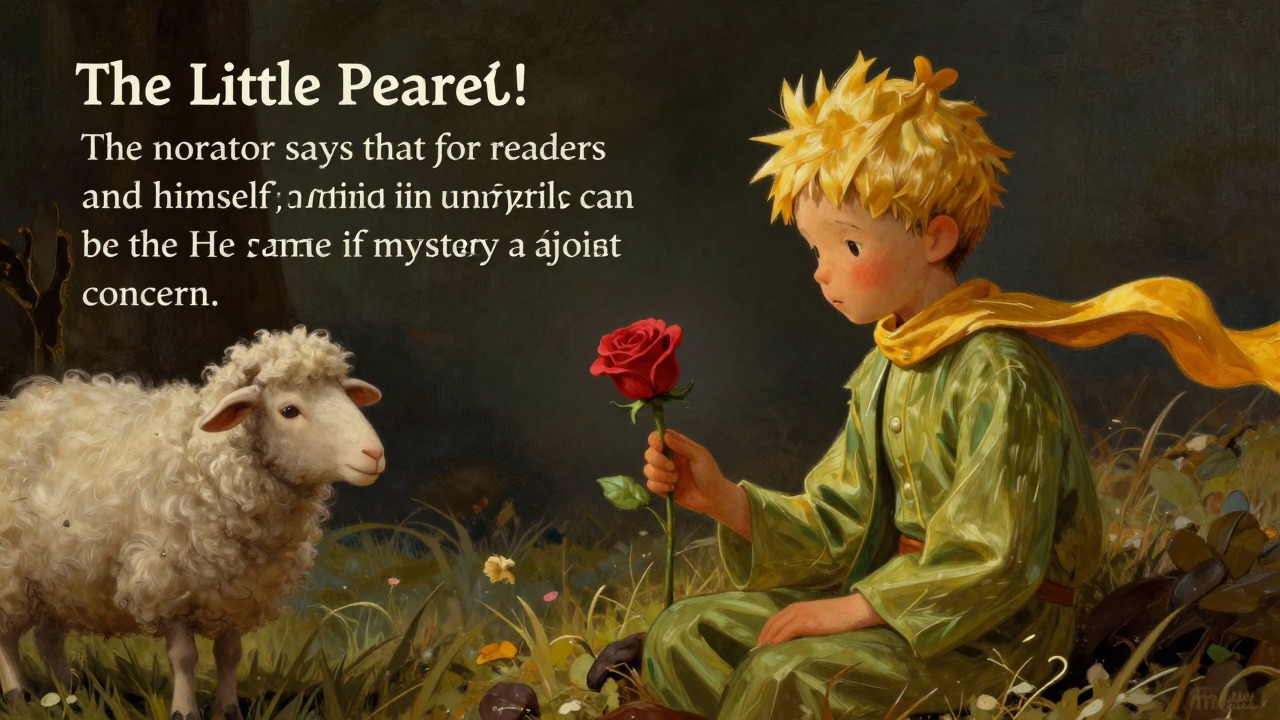
Question Shared
Context
The narrator says that for readers and himself, nothing in the universe can be the same if a sheep has eaten a rose. He makes the mystery a joint concern.
Development
The question of the Rose's fate is no longer private. The narrator transfers it to the reader, who must decide yes or no. The bond grows through shared uncertainty.
Significance
The shared question creates a community of doubt and love. It gives the reader a stake in the outcome.
Look Up Together
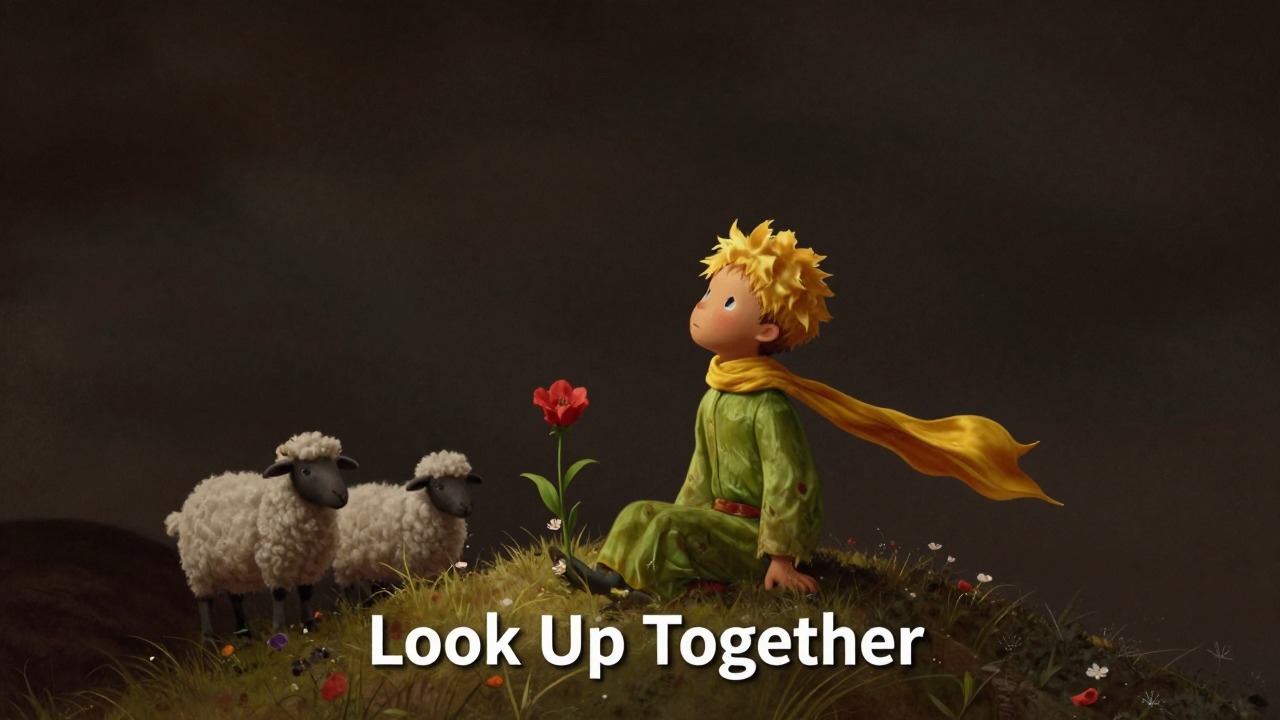
Look Up Together
Context
The narrator instructs readers to look up at the sky and ask themselves whether the Sheep has eaten the flower. The act of looking is collective.
Development
Looking up is both literal and figurative. It breeds a shared orientation toward wonder. The reader's eyes join the narrator's in search of an answer.
Significance
Look Up Together transforms solitary grief into a ritual of shared attention. The reader feels closer to the prince by participating.
Understanding Despite Grown-Ups
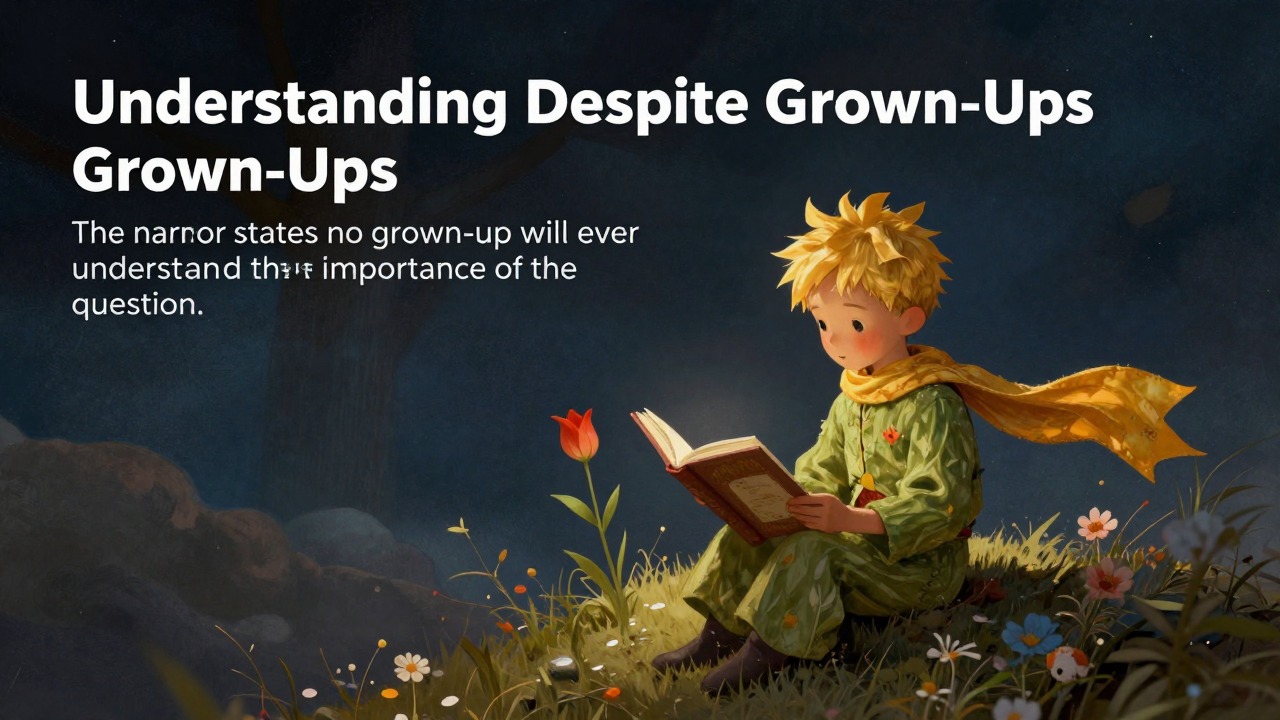
Understanding Despite Grown-Ups
Context
The narrator states that no grown-up will ever understand the importance of the flower question. The reader, if they love the prince, becomes one who understands.
Development
This creates an us-versus-them dynamic. The childlike reader is admitted into the narrator's confidence, while the dull grown-up remains outside. The bond is sealed by shared sensibility.
Significance
Understanding Despite Grown-Ups gives the reader a special status. It confirms that love for the prince is a mark of spiritual distinction.
Message Requested
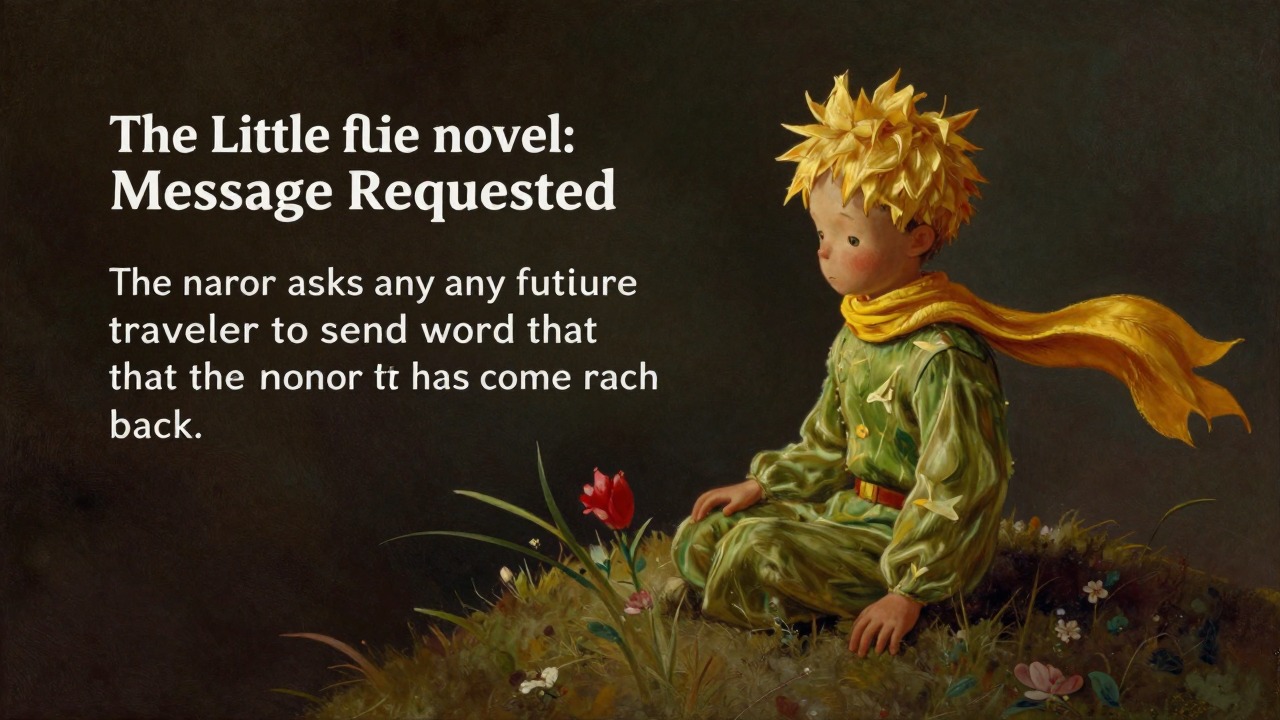
Message Requested
Context
The narrator asks any future traveler to send word that the prince has come back. This request is addressed to the same loving reader.
Development
The reader, now a trusted friend, is invited to be the narrator's liaison with the prince. The bond becomes active: it demands a future action.
Significance
The requested message keeps the connection alive beyond the last page. The reader is left not just with a story but with a task of love.
when the narrator says 'for you who also love the little prince'
when the narrator asks readers to consider the sheep and the rose
when the narrator tells readers to look at the sky and ask
when the narrator says no grown-up will understand
when the narrator asks readers to send word of the prince's return
