the little prince's planet
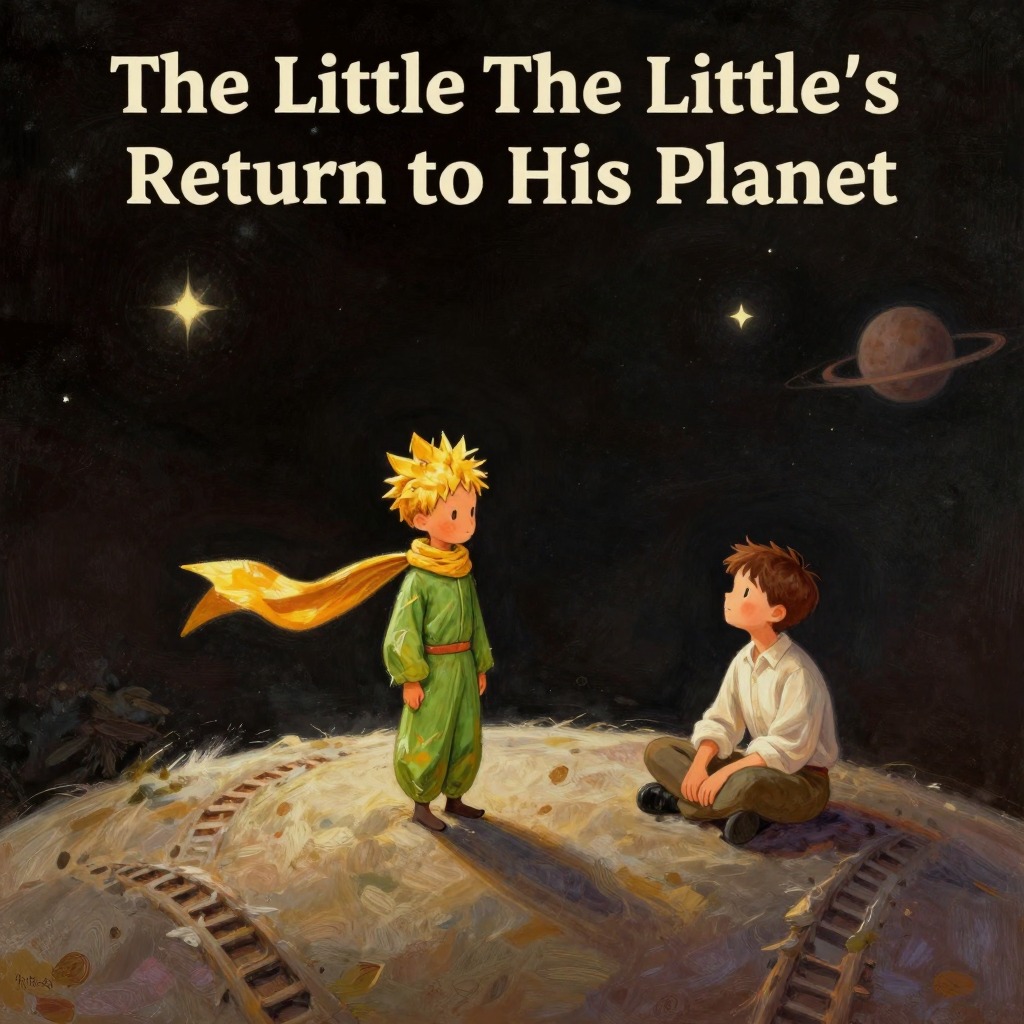
The little prince's planet is the remote, minuscule world from which the Little Prince journeys and to which he ultimately returns. Though never described in detail, it is the emotional and moral center of the story's final chapters, the place where the Little Prince's flower and sheep reside, and the unseen stage for a question that haunts the narrator: has the sheep eaten the rose? This uncertainty, born of a forgotten strap on the muzzle, turns the planet into a symbol of love, responsibility, and the invisible consequences of small actions.
The Planet as the Little Prince's Home
The little prince's planet is first established as the Little Prince's origin, the place he left to explore other worlds. It is small enough that he can watch over his flower and sheep with care, and it is where he returns after his time on Earth. The planet is never named or described in detail, but its nature is implied by the Little Prince's habits: he shuts his flower under her glass globe every night and watches over his sheep very carefully. These rituals define the planet as a place of order and devotion, where the Little Prince's love for his flower is expressed through daily, protective acts.
The Forgotten Strap and the Unanswered Question
The central crisis involving the planet arises from a small oversight: when the narrator drew the muzzle for the sheep, he forgot to add the leather strap. As a result, the Little Prince will never be able to fasten the muzzle on his sheep, leaving the flower vulnerable. This forgotten detail transforms the planet from a distant, peaceful home into a source of agonizing uncertainty. The narrator's mind oscillates between two possibilities: either the Little Prince faithfully covers his flower each night and watches his sheep, ensuring the flower's safety, or he is absent-minded one evening, forgets the glass globe, and the sheep escapes and eats the rose. This binary—safety or disaster—becomes the narrator's obsession, and the planet's unseen state determines which reality is true.
The Planet's Fate and the Narrator's Grief
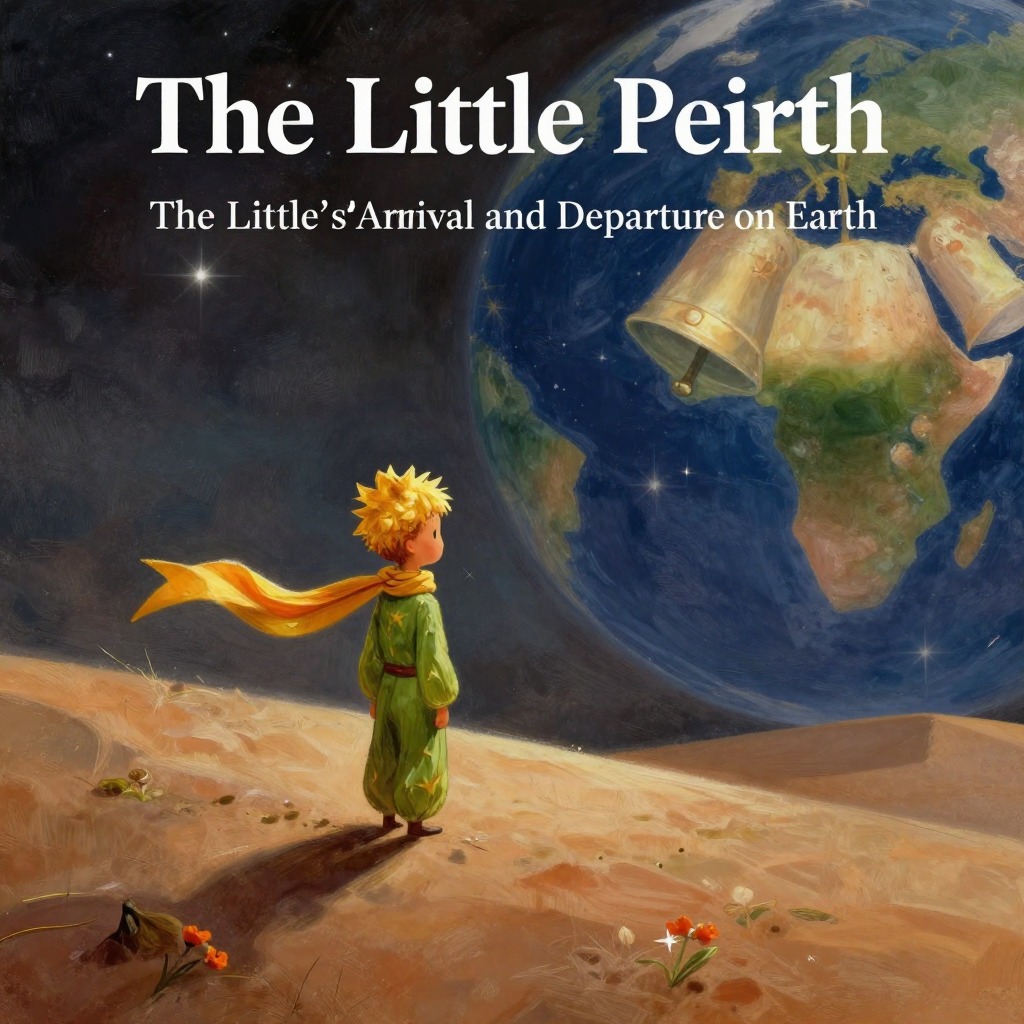
The narrator's anxiety about the planet is inseparable from his grief over the Little Prince's departure. He knows the Little Prince returned to his planet because he did not find his body at daybreak, but this knowledge brings little comfort. The planet's distance and invisibility make its fate unknowable, and the narrator's imagination fills the void with fear. At times he is happy, imagining the Little Prince's careful guardianship, and the laughter of the stars sounds sweet. At other times, he imagines a lapse—the glass globe forgotten, the sheep slipping out silently in the night—and the little bells of the stars turn to tears. This emotional oscillation shows how the planet's unseen condition directly shapes the narrator's inner life, making the cosmos itself a mirror of his hope and despair.
The Planet as a Sacred and Mourned Landscape
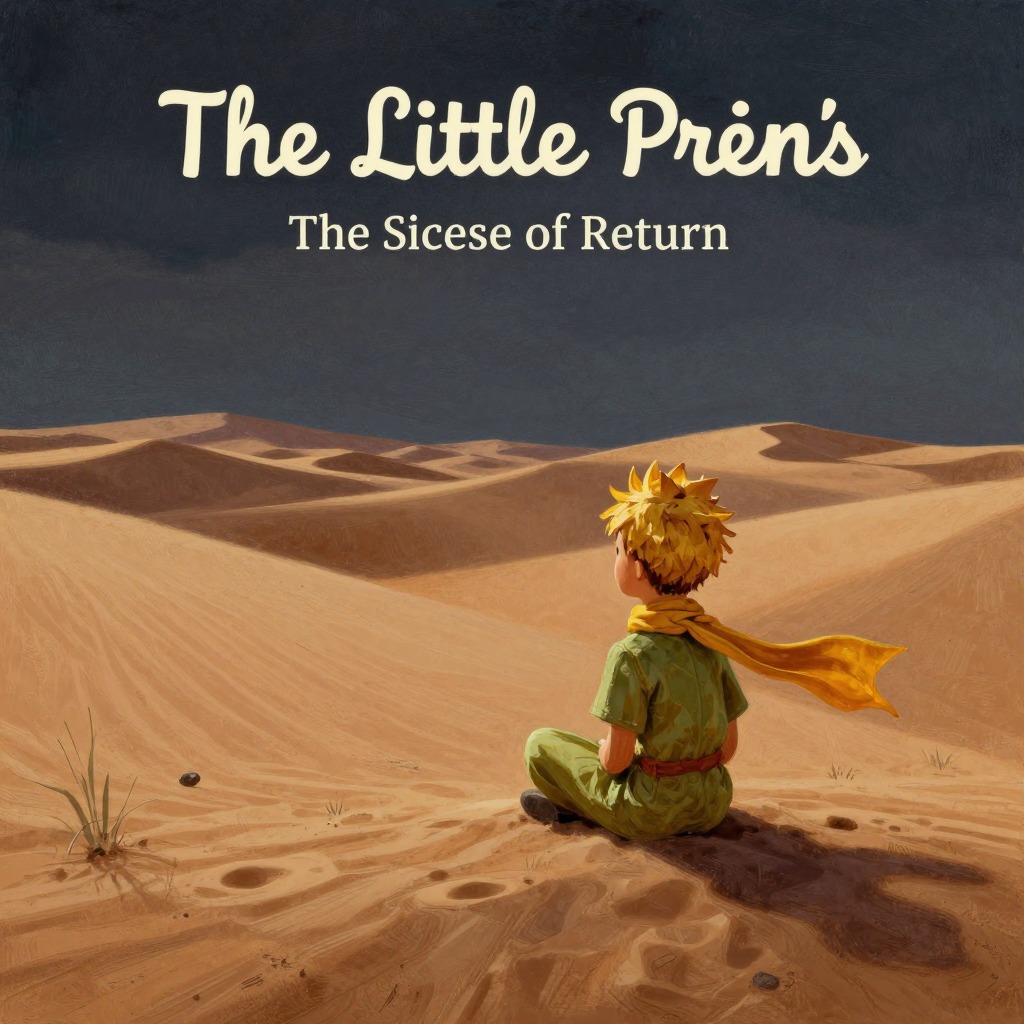
The little prince's planet is also tied to the landscape where the Little Prince appeared on Earth and disappeared—the African desert. The narrator calls this the loveliest and saddest landscape in the world, and he draws it again to impress it on memory. The desert is the earthly counterpart to the planet: a place of arrival and departure, where the Little Prince's presence was felt and then lost. The narrator urges any traveler who comes upon this spot to wait under the star, and if a little man appears who laughs, has golden hair, and refuses to answer questions, to send word that he has come back. This plea connects the planet to the desert, making both sites of longing and potential reunion. The planet, though unseen, is the ultimate destination, and the desert is the threshold where the narrator's hope for the Little Prince's return is anchored.
The Planet's Thematic Significance
The little prince's planet embodies the story's central themes of love, responsibility, and the invisible weight of small actions. The forgotten strap—a tiny, seemingly trivial detail—has cosmic consequences, because it determines whether the flower lives or dies. The narrator's question, "Has the sheep eaten the flower?" becomes a matter of immense importance, one that no grown-up will ever understand. The planet thus represents the idea that what happens in a distant, unseen place can change everything for those who love. The stars, which the narrator once saw as mere lights, become five hundred million little bells or tears, depending on the planet's imagined state. In this way, the little prince's planet is not just a location but a moral and emotional touchstone, reminding readers that love entails care for the fragile and the unseen, and that even a forgotten strap can alter the universe.