
The Motif of the Mirror and Reflection
The Picture of Dorian GrayMirrors and reflective surfaces recur throughout the novel, symbolizing self-awareness, vanity, and the truth that Dorian avoids.
increasing Bearing strength in each event
 decreasing
Bearing strength in each eventdecreasingThe Mirror in the Studio
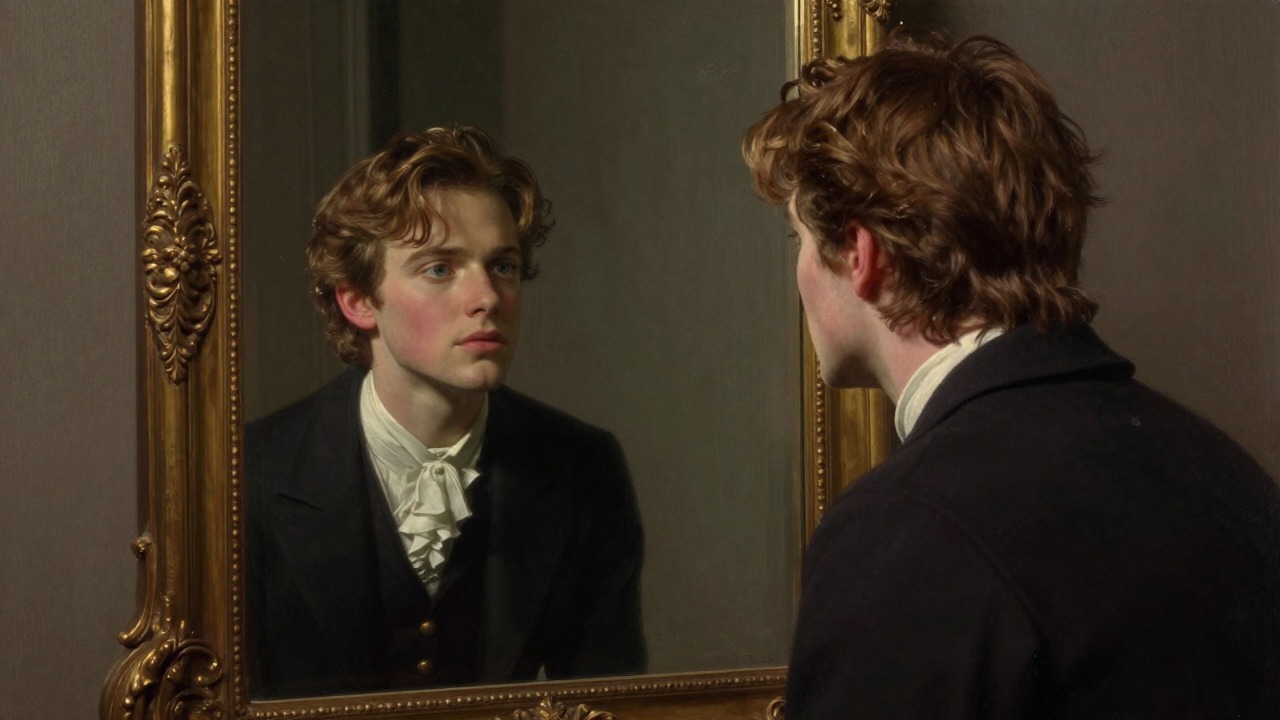
The Mirror in the Studio
The First Reflection
Dorian looks at himself in the mirror and sees his beauty. The mirror reflects his vanity. It is a tool that leads to his wish.
The Symbol of Self-Consciousness
The mirror makes Dorian aware of his own appearance. This self-consciousness is the beginning of his obsession with his image.
The Portrait as a Mirror of the Soul
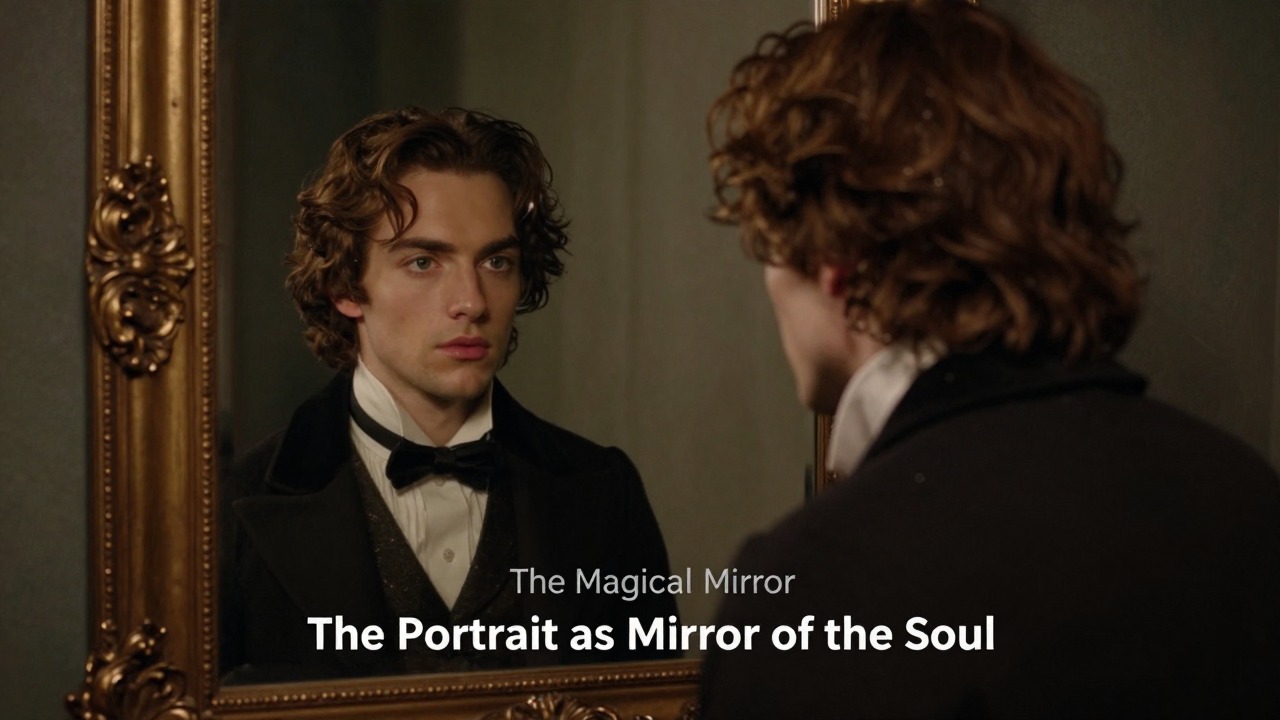
The Portrait as a Mirror of the Soul
The Magical Mirror
The portrait becomes a mirror that reflects Dorian's soul, not his face. It shows the truth he cannot see in an ordinary mirror. It is a supernatural reflective surface.
The Contrast with the Glass
Dorian often compares his own face in a mirror with the portrait. The portrait is the true mirror; the looking glass shows only the surface. The motif contrasts appearance and reality.
The Fear of Mirrors
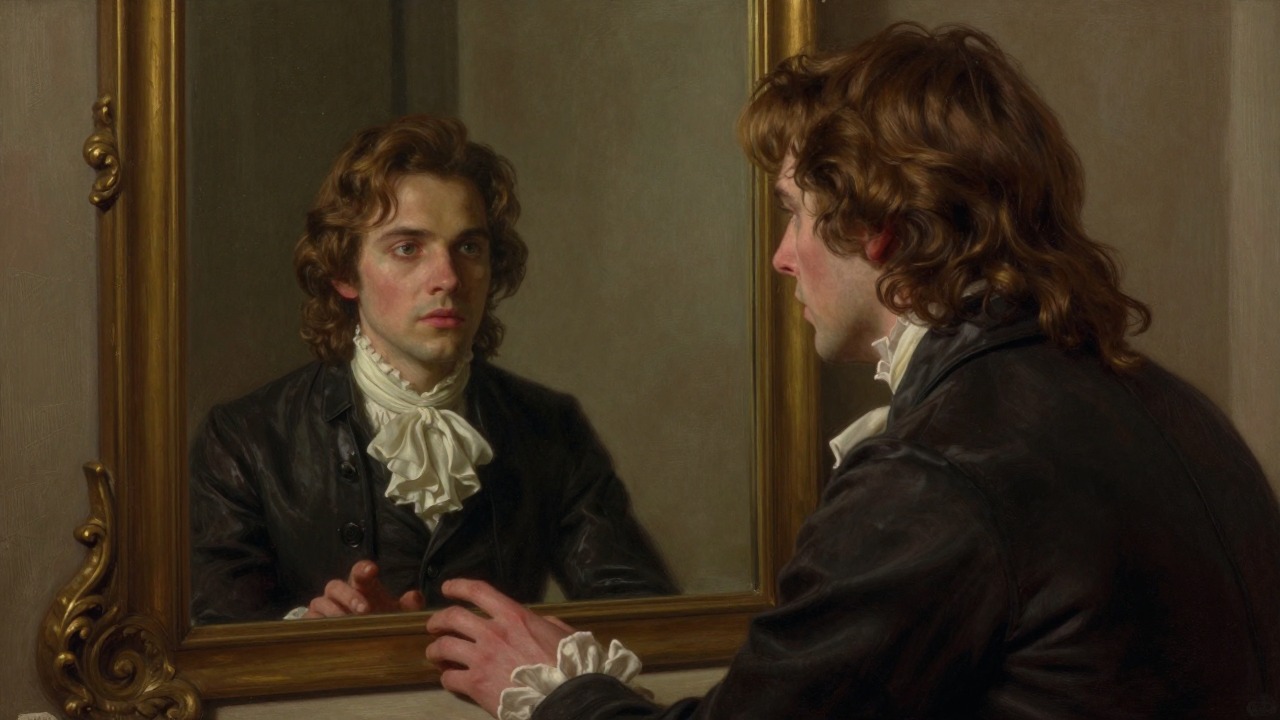
The Fear of Mirrors
The Hero's Phobia
The hero of the yellow book dreads mirrors and still water because they reflect his decaying beauty. Dorian does not share this fear, because his face remains perfect.
The Irony
Dorian has no fear of mirrors because his external beauty is preserved. But he should fear the portrait, which is his true mirror. The motif is inverted.
The Final Reflection
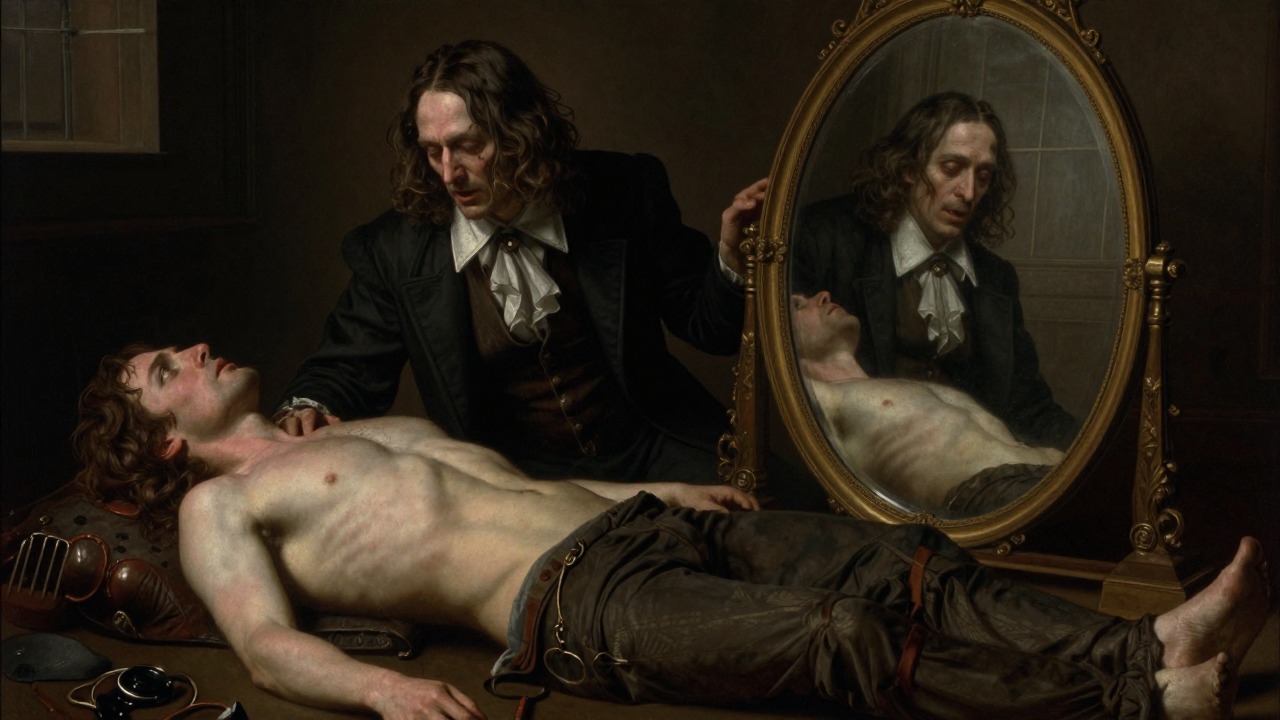
The Final Reflection
The Withered Corpse
When Dorian dies, his body becomes the true reflection of his soul. The portrait is restored to beauty. The mirror of the soul is now the corpse, not the painting.
The Truth Revealed
The final reflection is the old, ugly man. The motif of the mirror completes the circle: the truth is finally seen, but only in death. The novel uses mirrors to explore the theme of self-knowledge.
Chapter II, during the portrait
After the wish, throughout
The yellow book's hero, Chapter IX
Dorian's death, Chapter XIII
