Skip to content
Readipedia
Open Readify

StoryFlow

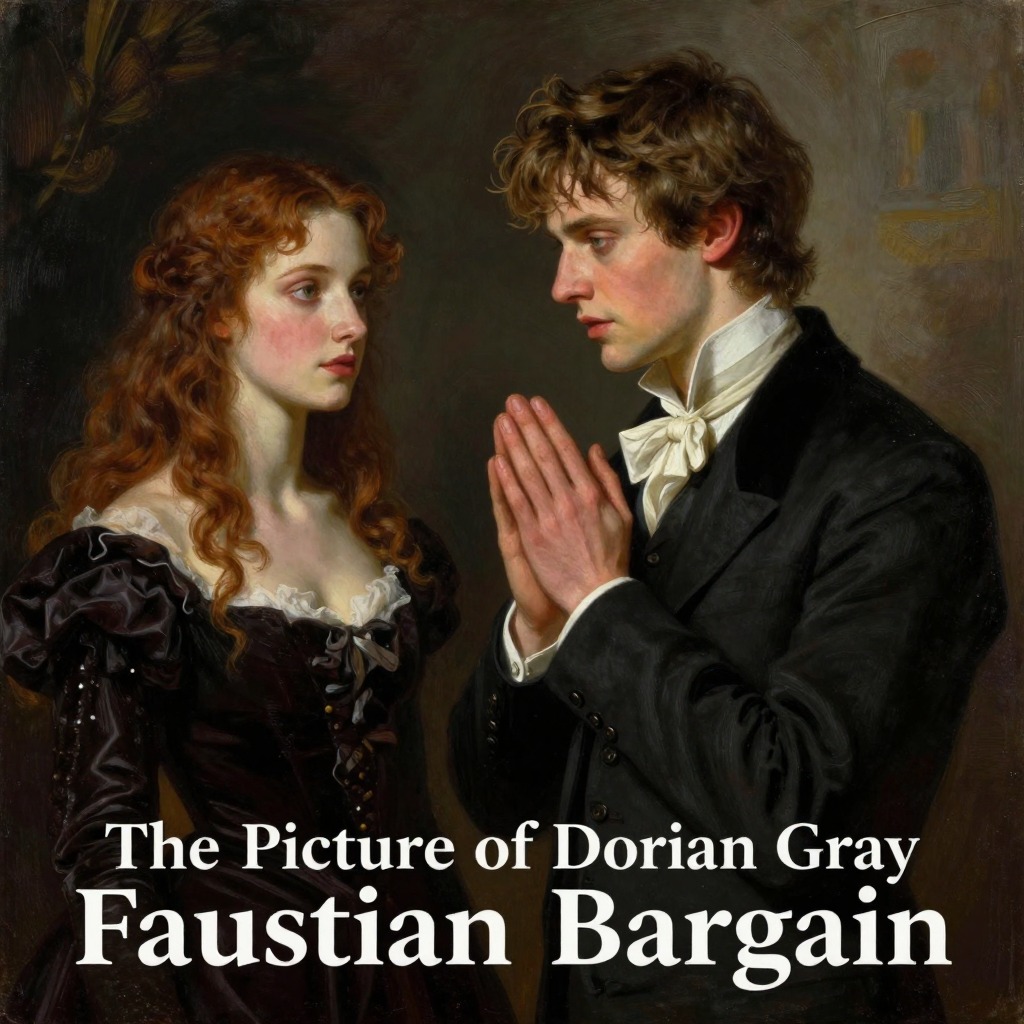
Dorian Gray's Faustian Bargain from "The Picture of Dorian Gray". Dorian Gray makes a wish for eternal youth and beauty at the expense of his portrait, which ages and bears the marks of his sins.
Dorian Gray's Faustian Bargain

Dorian Gray makes a wish for eternal youth and beauty at the expense of his portrait, which ages and bears the marks of his sins.

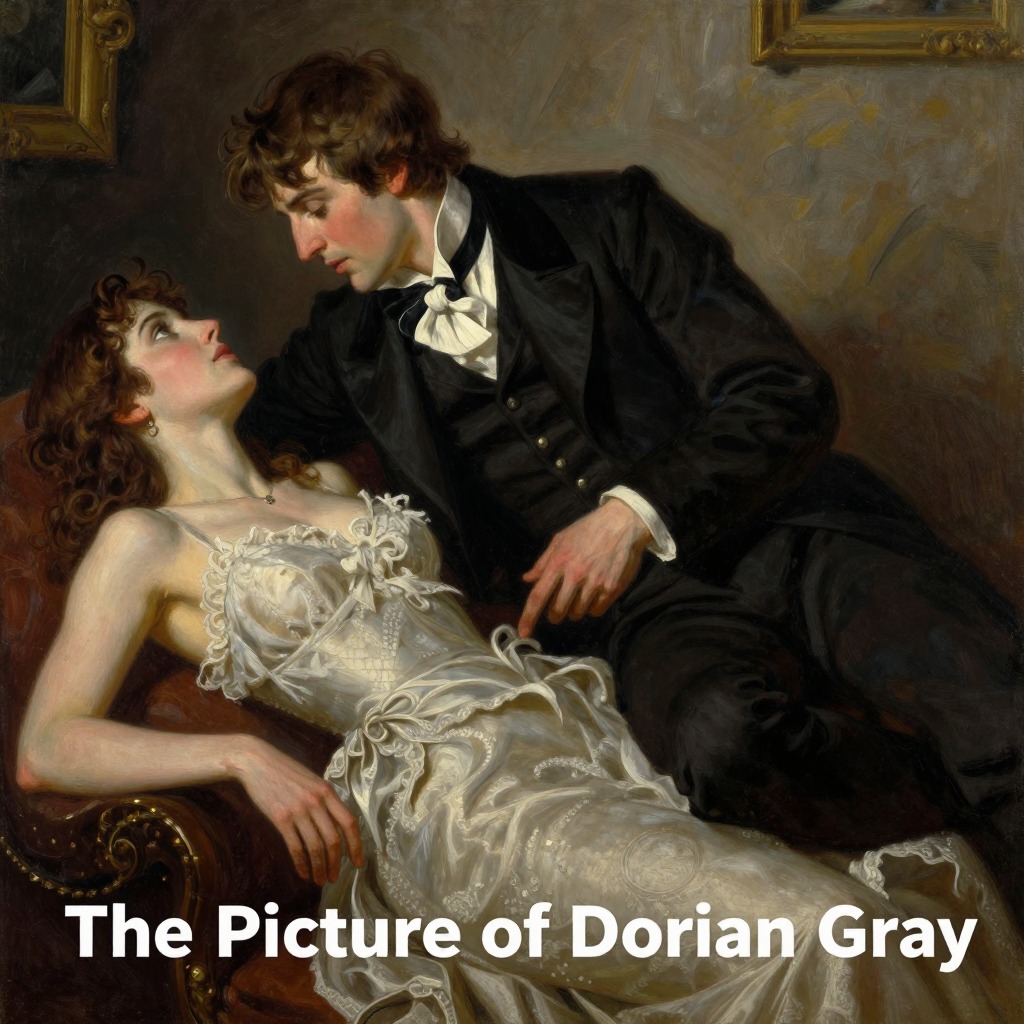
Lord Henry's Corrupting Influence from "The Picture of Dorian Gray". Lord Henry Wotton introduces Dorian Gray to a philosophy of hedonism and moral relativism, shaping his descent into decadence.
Lord Henry's Corrupting Influence

Lord Henry Wotton introduces Dorian Gray to a philosophy of hedonism and moral relativism, shaping his descent into decadence.

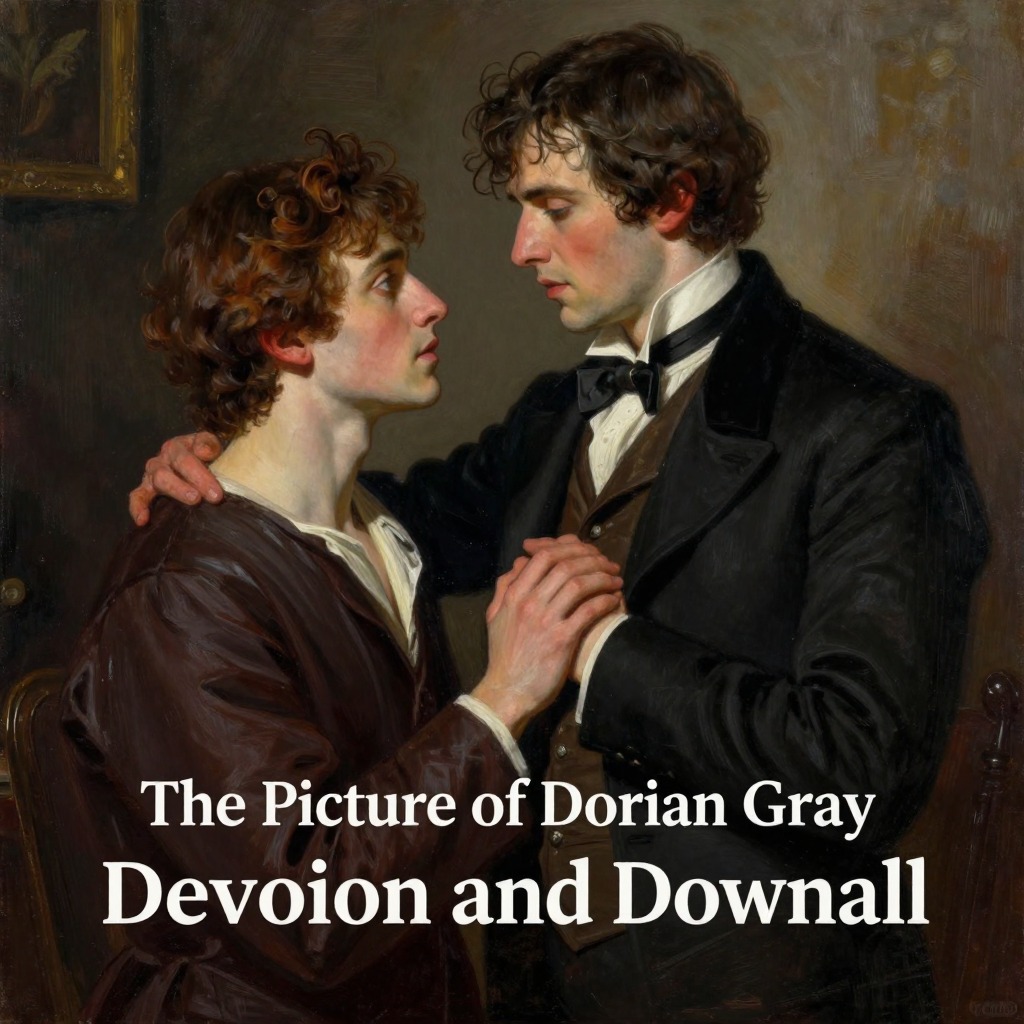
Basil Hallward's Devotion and Downfall from "The Picture of Dorian Gray". Basil Hallward's romantic friendship with Dorian Gray leads to his artistic inspiration and ultimately his murder at Dorian's hands.
Basil Hallward's Devotion and Downfall

Basil Hallward's romantic friendship with Dorian Gray leads to his artistic inspiration and ultimately his murder at Dorian's hands.

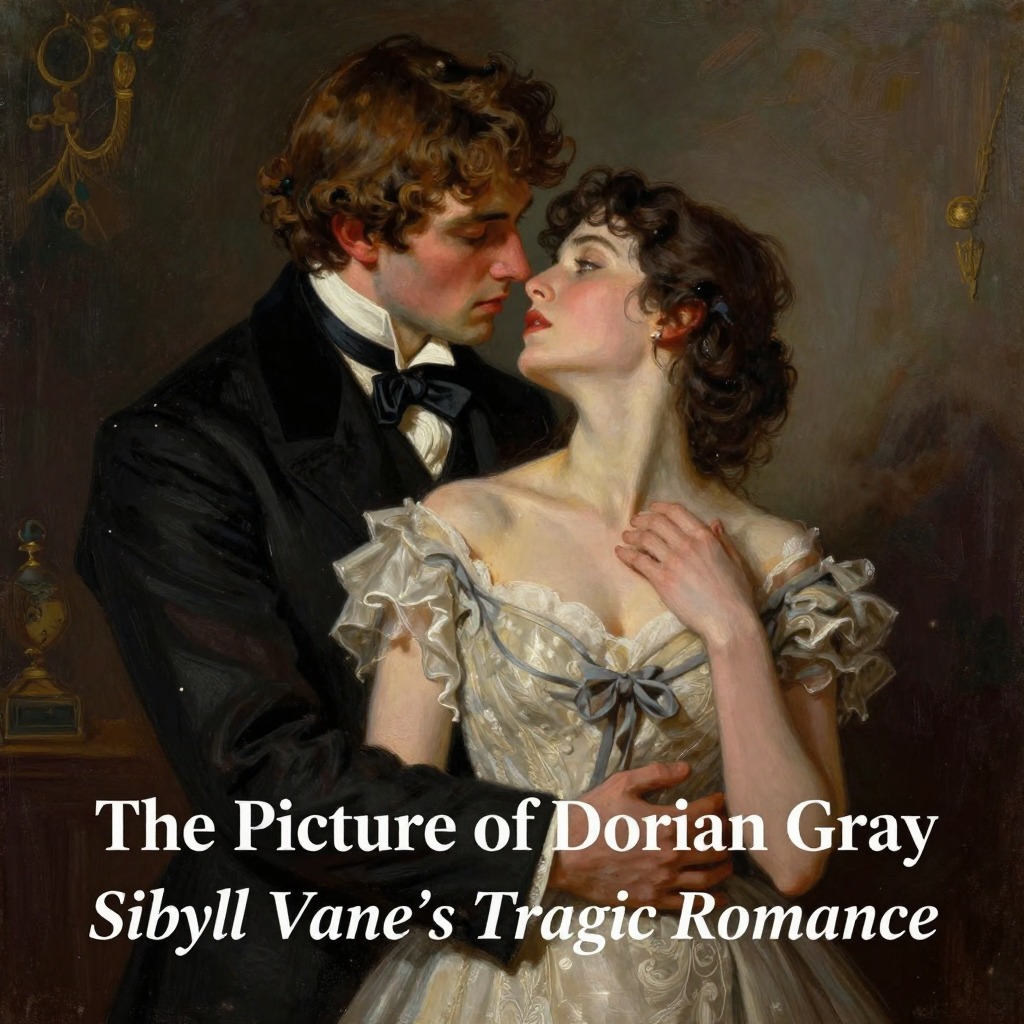
Sibyl Vane's Tragic Romance from "The Picture of Dorian Gray". The love affair between Dorian Gray and the actress Sibyl Vane, from passionate infatuation to cruel rejection and her suicide.
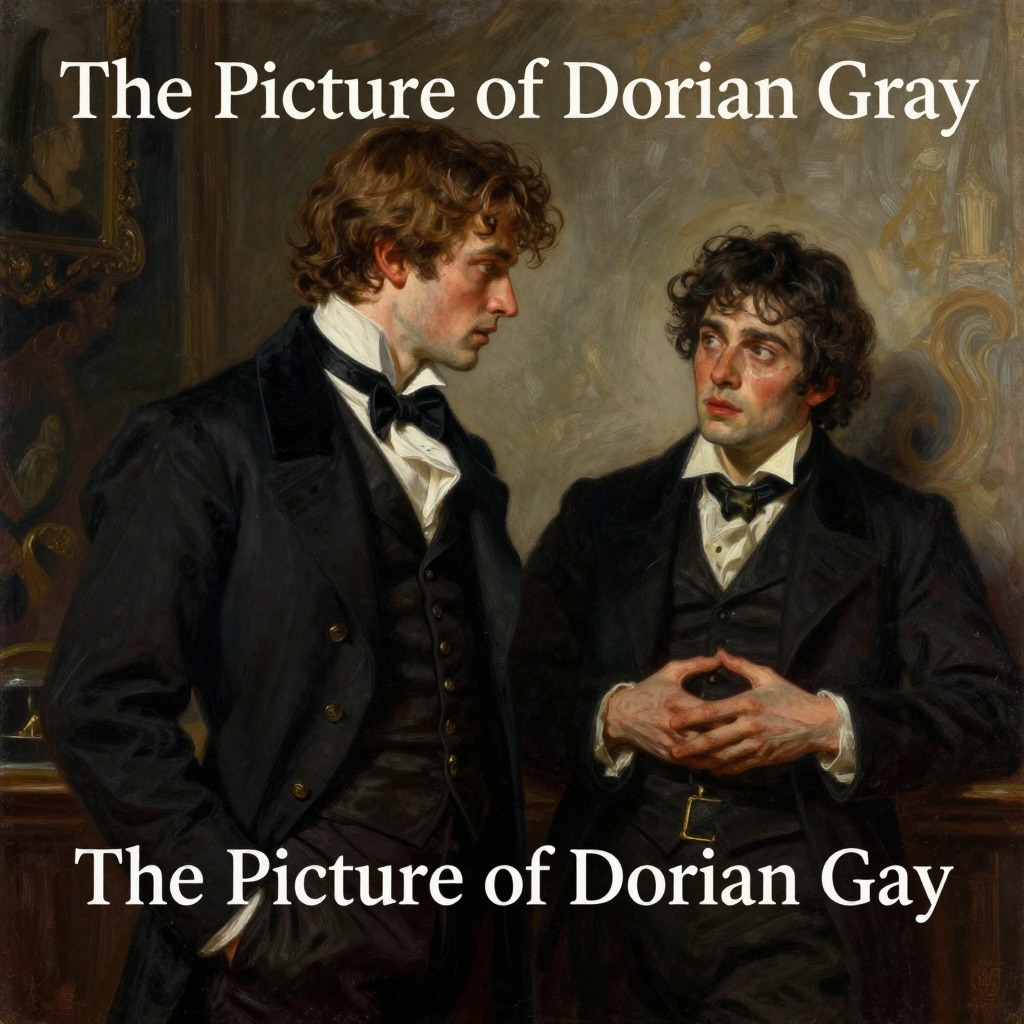
Sibyl Vane's Tragic Romance

The love affair between Dorian Gray and the actress Sibyl Vane, from passionate infatuation to cruel rejection and her suicide.

Dorian's Double Life and Social Fall from "The Picture of Dorian Gray". Dorian Gray maintains a facade of youthful beauty while his private life descends into scandal and crime, leading to social ostracism.
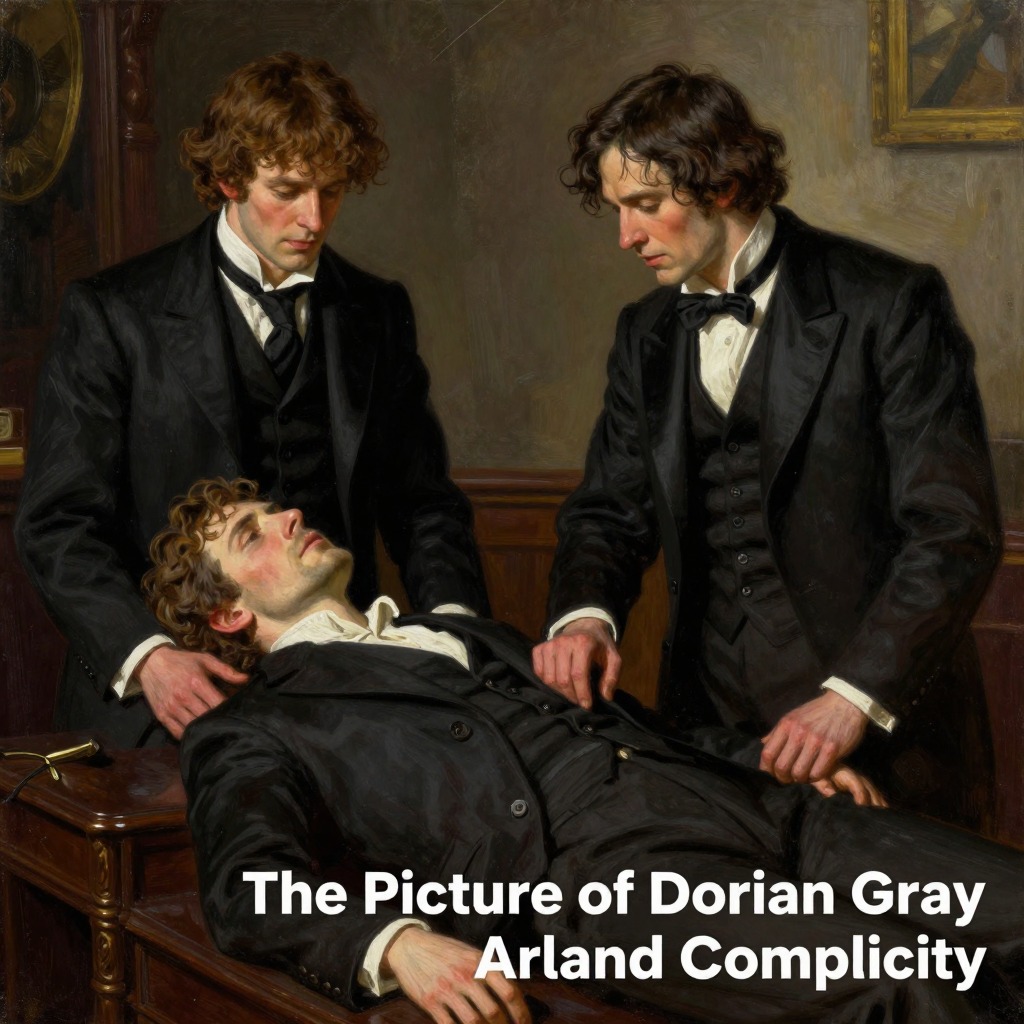
Dorian's Double Life and Social Fall

Dorian Gray maintains a facade of youthful beauty while his private life descends into scandal and crime, leading to social ostracism.

Alan Campbell's Coerced Complicity from "The Picture of Dorian Gray". Dorian Gray blackmails his former friend Alan Campbell into disposing of Basil Hallward's body, leading to Campbell's own suicide.
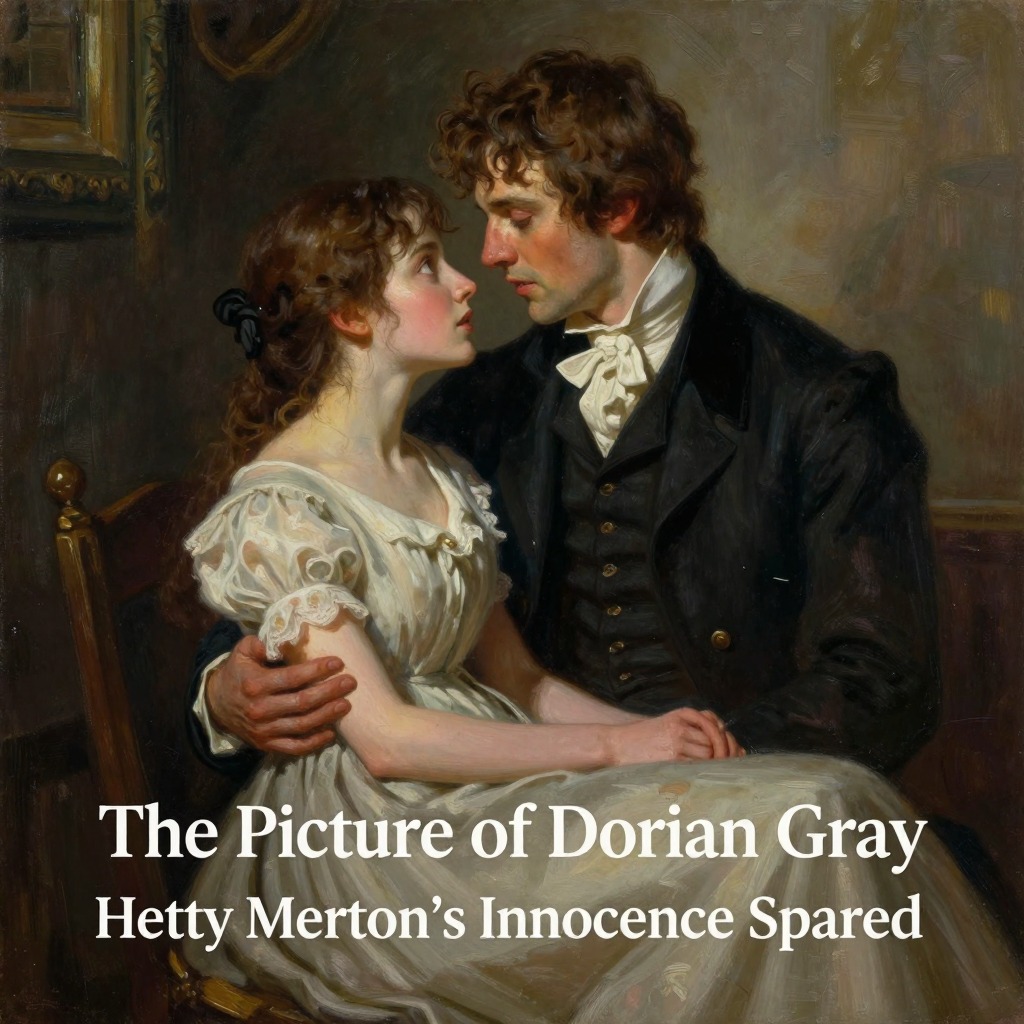
Alan Campbell's Coerced Complicity

Dorian Gray blackmails his former friend Alan Campbell into disposing of Basil Hallward's body, leading to Campbell's own suicide.

Hetty Merton's Innocence Spared from "The Picture of Dorian Gray". Dorian Gray's brief romance with a village girl leads to his one attempt at goodness, sparing her from his corrupting influence.
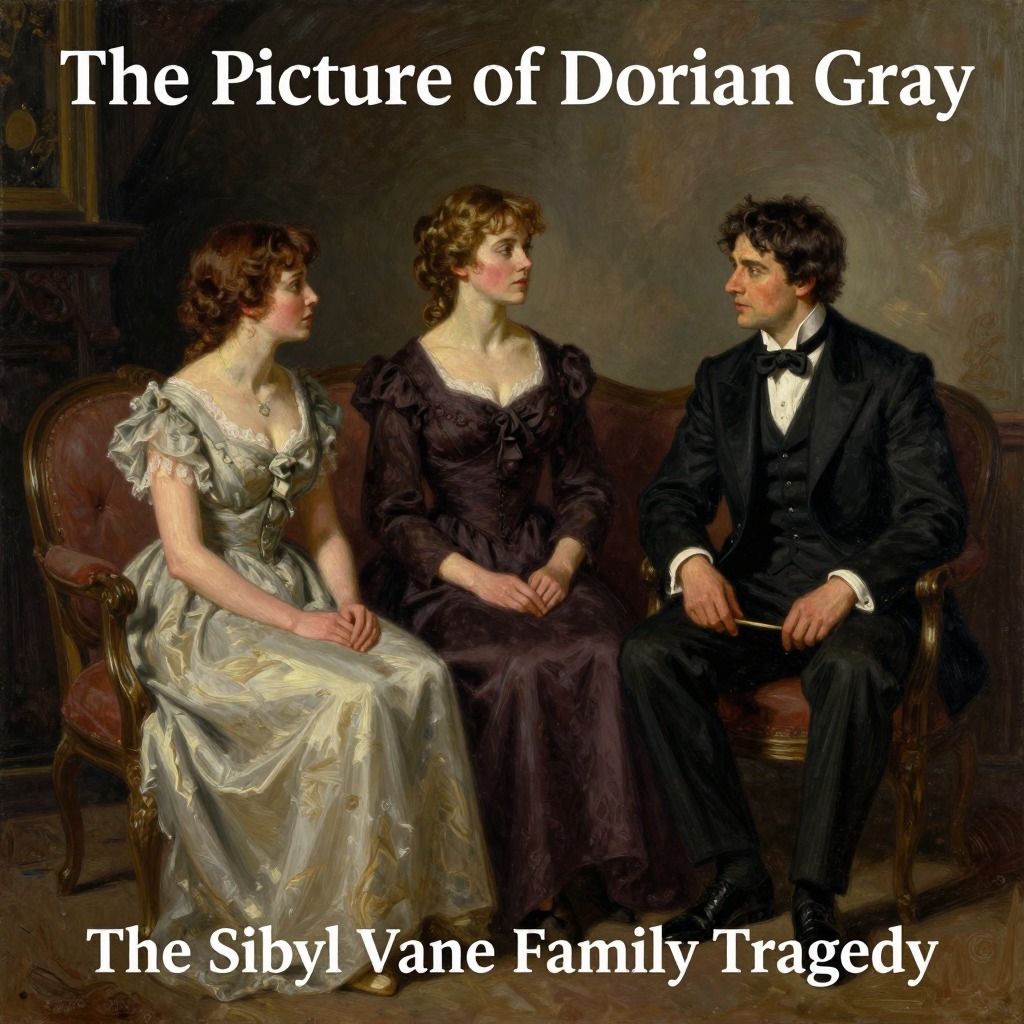
Hetty Merton's Innocence Spared

Dorian Gray's brief romance with a village girl leads to his one attempt at goodness, sparing her from his corrupting influence.

The Sibyl Vane Family Tragedy from "The Picture of Dorian Gray". The collateral damage of Dorian's rejection: Sibyl's mother, the Vane family, and the aftermath of the suicide.
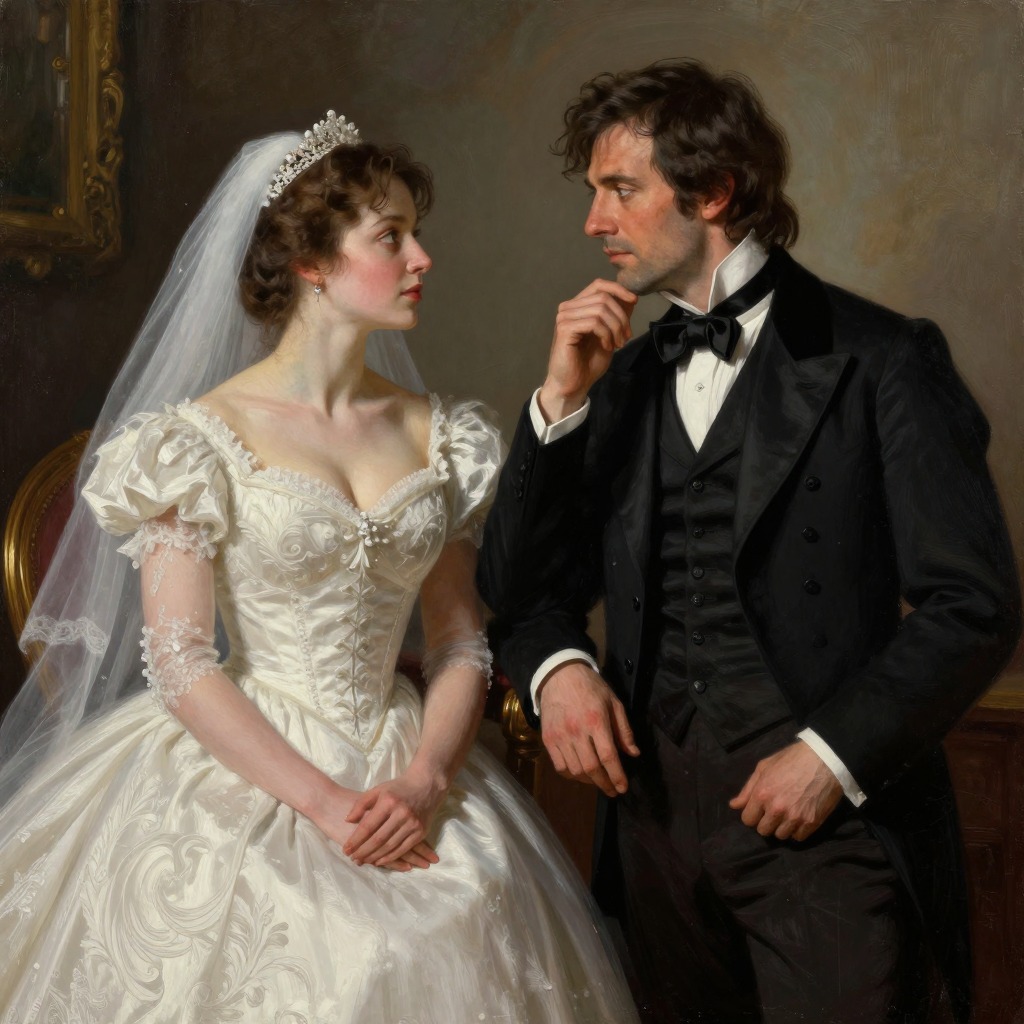
The Sibyl Vane Family Tragedy

The collateral damage of Dorian's rejection: Sibyl's mother, the Vane family, and the aftermath of the suicide.

Lord Henry's Marriage Farce from "The Picture of Dorian Gray". The cold, cynical marriage between Lord Henry and Lady Victoria Wotton, used as a backdrop for his views on marriage and women.
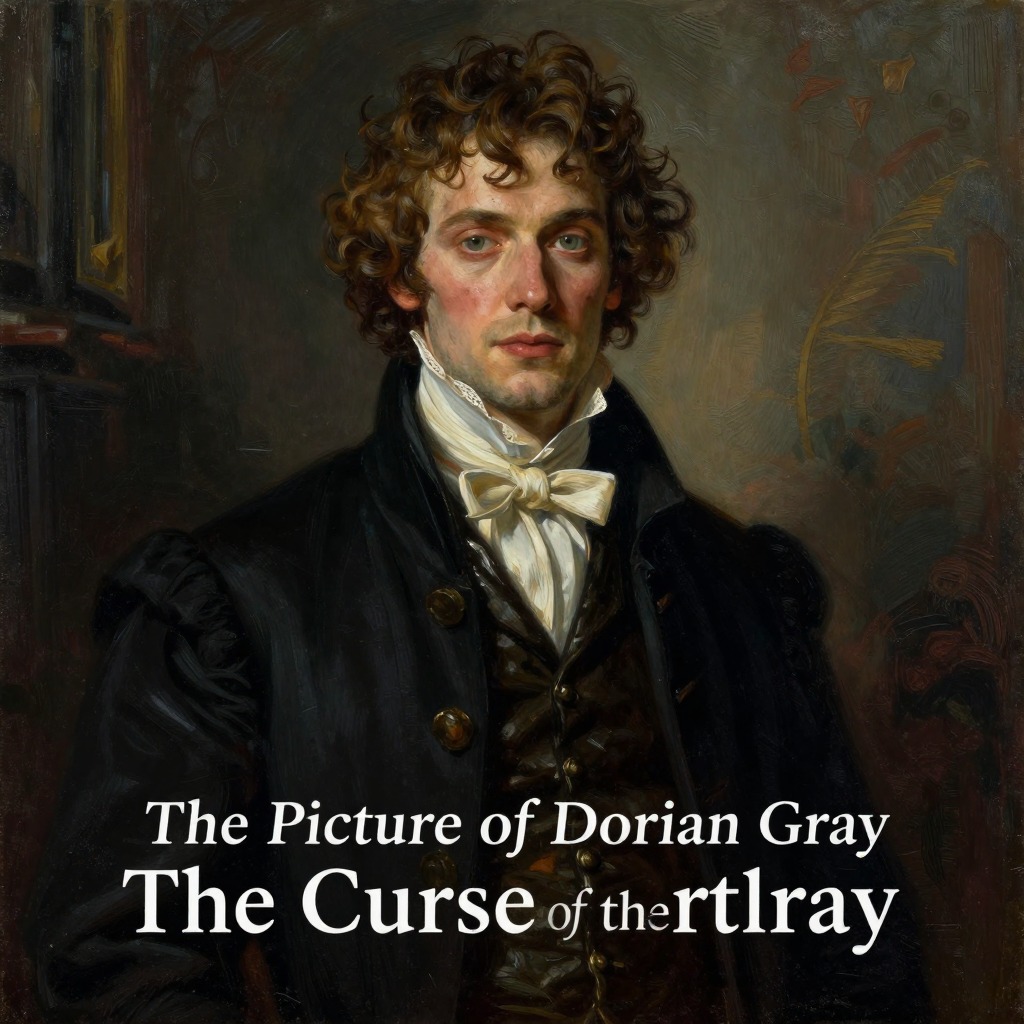
Lord Henry's Marriage Farce

The cold, cynical marriage between Lord Henry and Lady Victoria Wotton, used as a backdrop for his views on marriage and women.

The Curse of the Portrait from "The Picture of Dorian Gray". The supernatural portrait itself as an active character, reflecting Dorian's sins and driving the plot toward its climax.
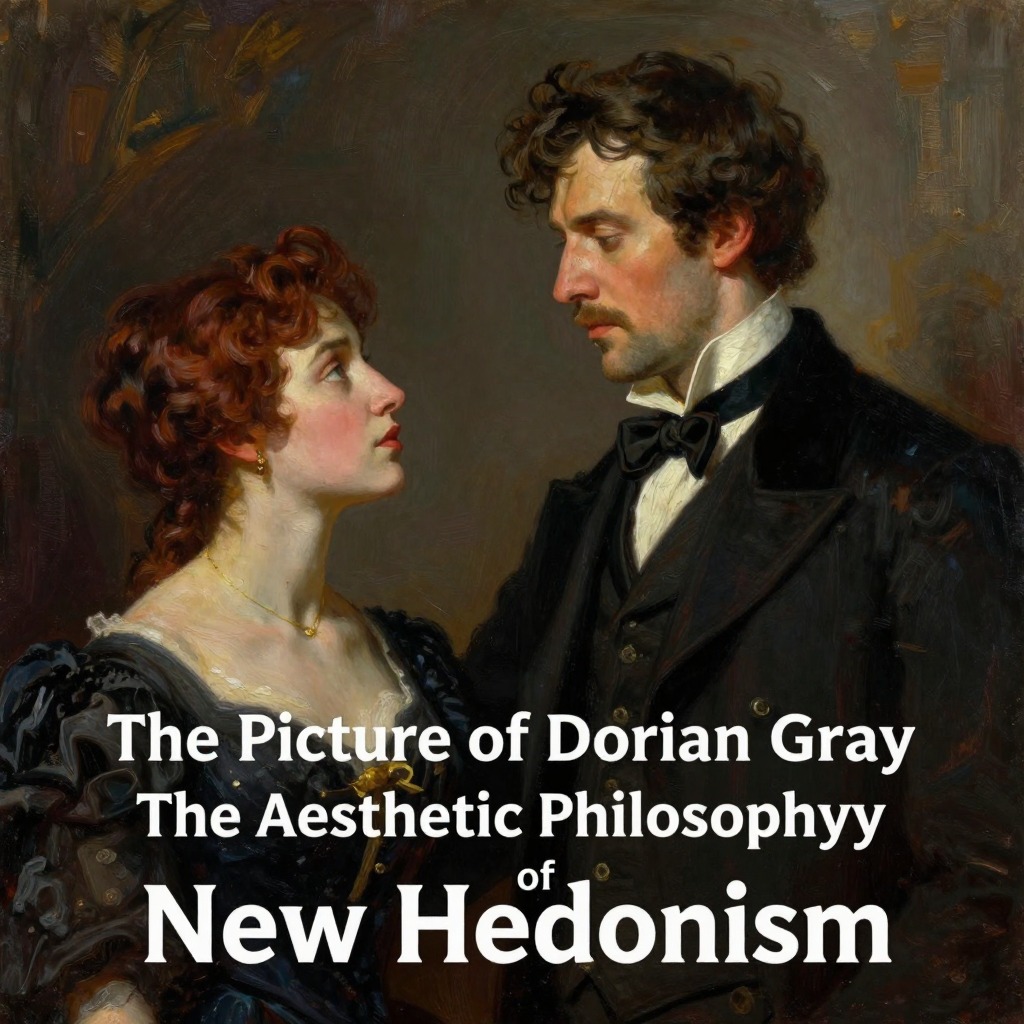
The Curse of the Portrait

The supernatural portrait itself as an active character, reflecting Dorian's sins and driving the plot toward its climax.

The Aesthetic Philosophy of New Hedonism from "The Picture of Dorian Gray". The development and critique of the 'new hedonism' that Lord Henry preaches and Dorian practices, exploring its consequences.
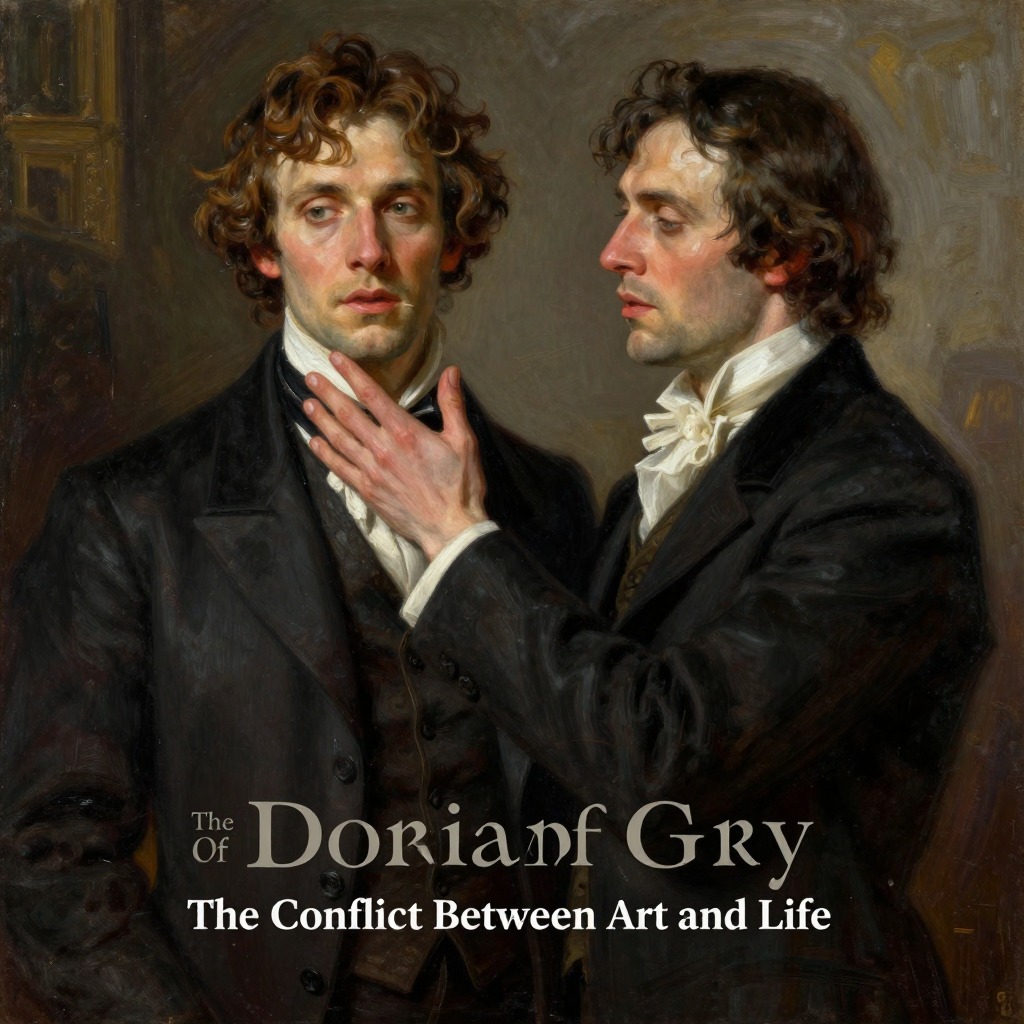
The Aesthetic Philosophy of New Hedonism

The development and critique of the 'new hedonism' that Lord Henry preaches and Dorian practices, exploring its consequences.

The Conflict Between Art and Life from "The Picture of Dorian Gray". Basil Hallward's belief that art should be separate from life is challenged by the portrait, which fuses art and life in a destructive way.
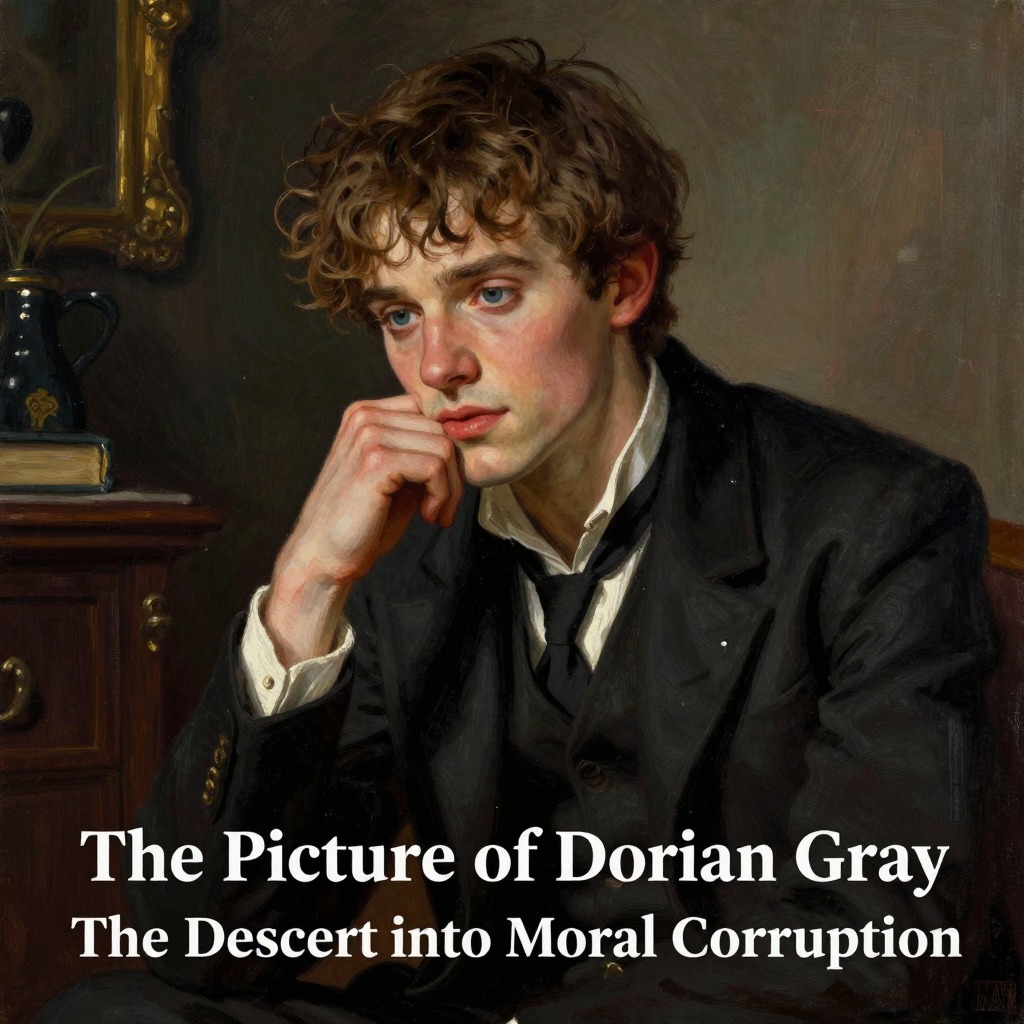
The Conflict Between Art and Life

Basil Hallward's belief that art should be separate from life is challenged by the portrait, which fuses art and life in a destructive way.

The Descent into Moral Corruption from "The Picture of Dorian Gray". Dorian Gray's gradual moral decay from a pure youth to a murderer, as reflected in his thoughts and actions.
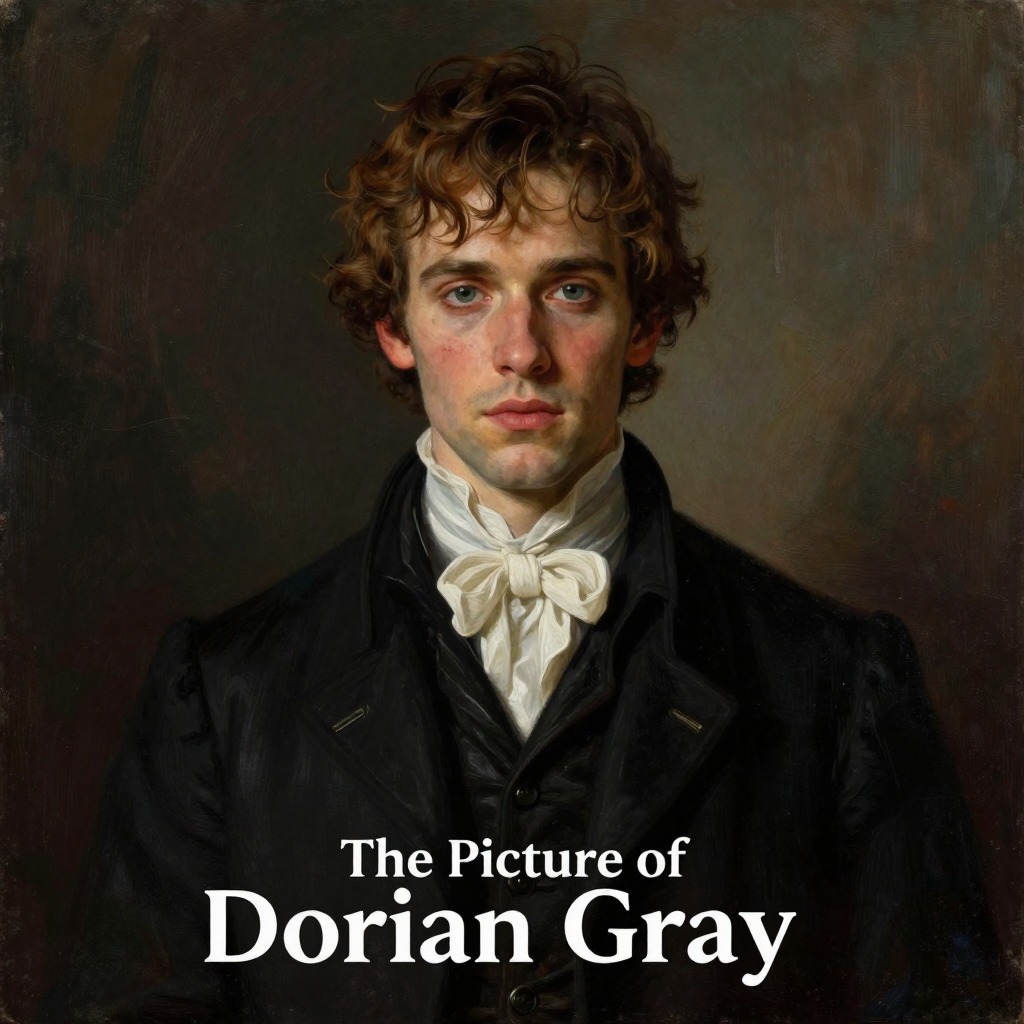
The Descent into Moral Corruption

Dorian Gray's gradual moral decay from a pure youth to a murderer, as reflected in his thoughts and actions.

The Conscience and the Portrait from "The Picture of Dorian Gray". The portrait serves as Dorian's conscience, a visible reminder of his sins that he tries to ignore but cannot escape.
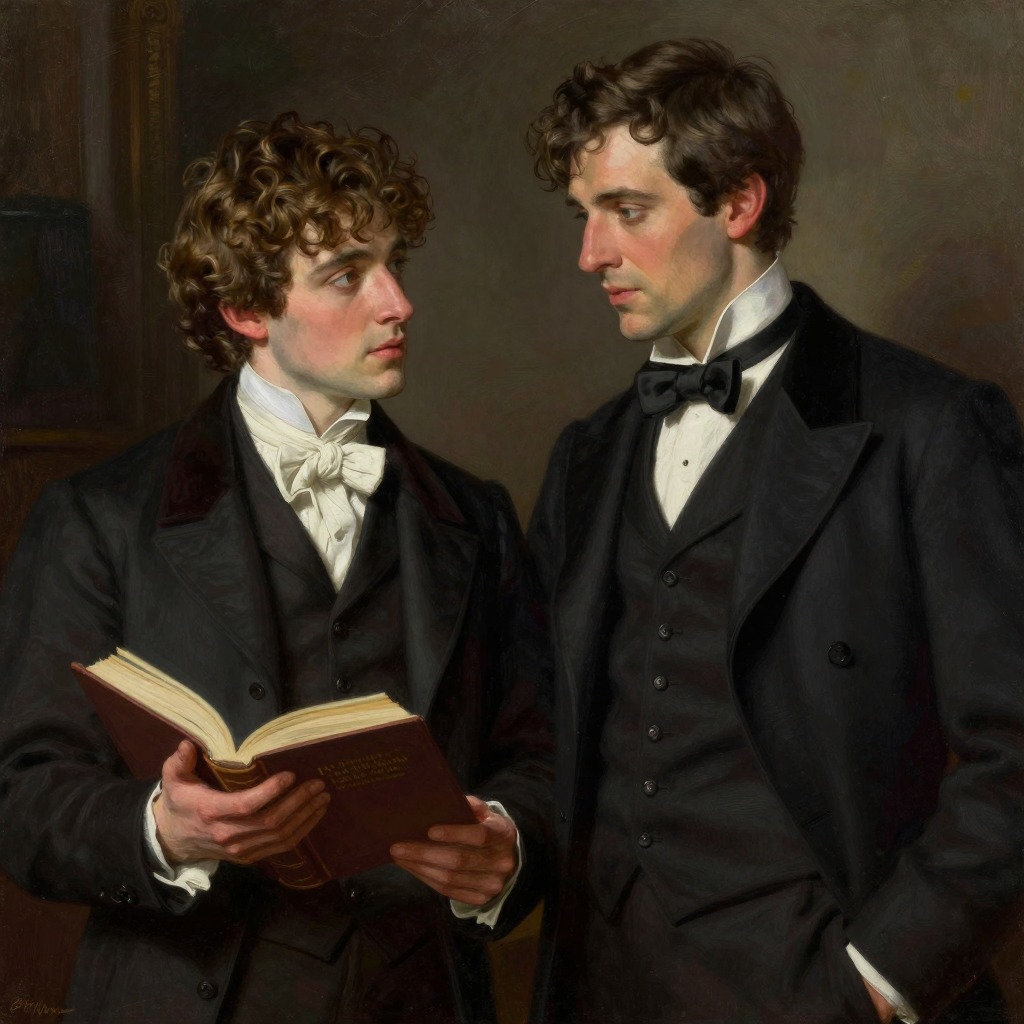
The Conscience and the Portrait

The portrait serves as Dorian's conscience, a visible reminder of his sins that he tries to ignore but cannot escape.

The Friendship Between Basil and Lord Henry from "The Picture of Dorian Gray". The contrasting friendship between the earnest artist Basil Hallward and the cynical Lord Henry Wotton, and its impact on Dorian.
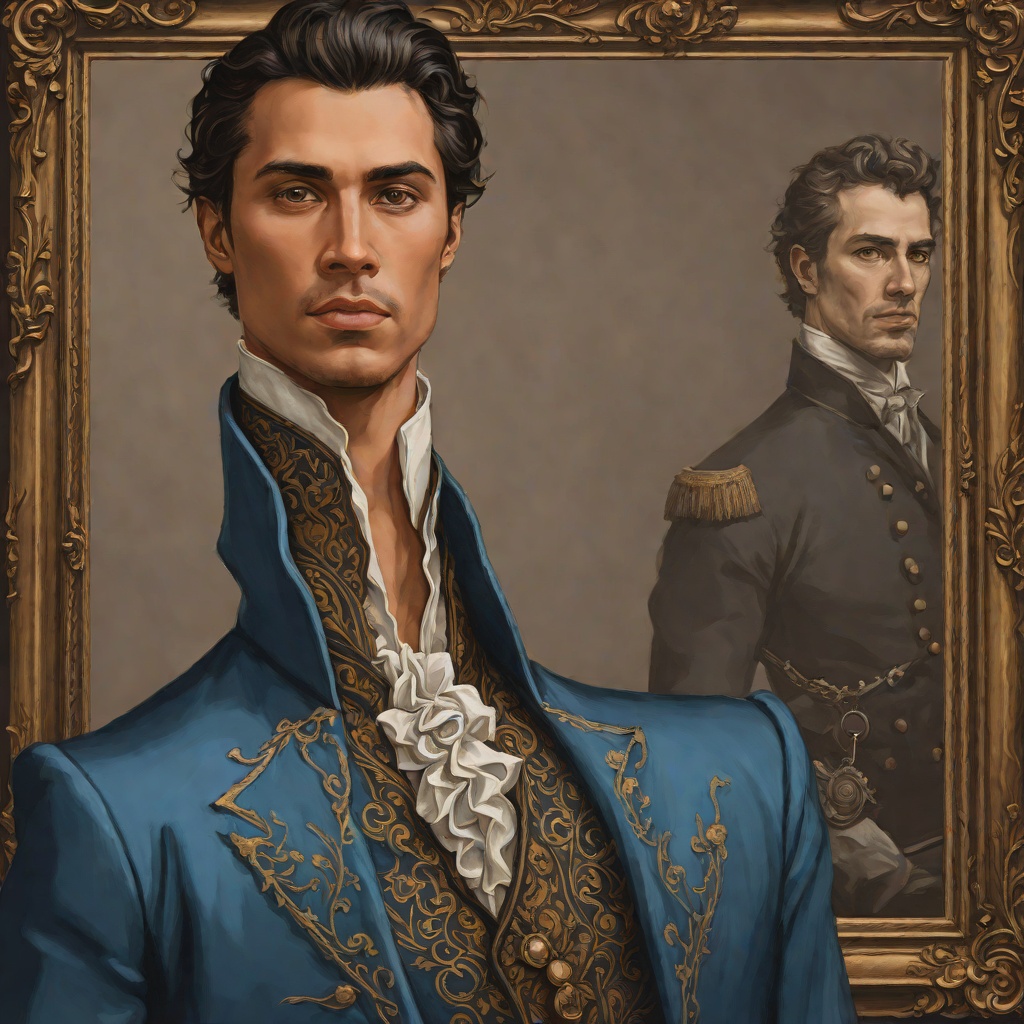
The Friendship Between Basil and Lord Henry

The contrasting friendship between the earnest artist Basil Hallward and the cynical Lord Henry Wotton, and its impact on Dorian.

Dorian's Obsession with the Portrait from "The Picture of Dorian Gray". Dorian's intense, almost erotic relationship with the portrait, viewing it as a rival and a necessary companion.
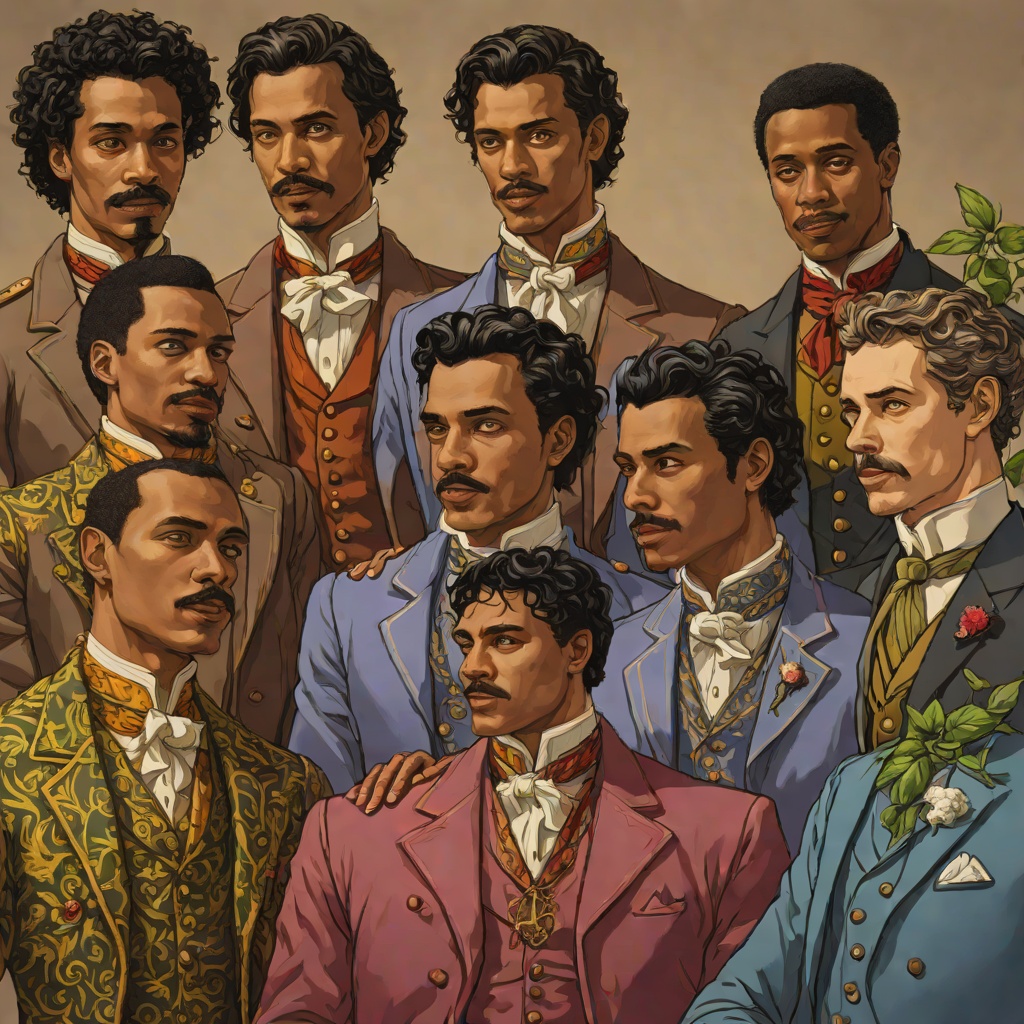
Dorian's Obsession with the Portrait

Dorian's intense, almost erotic relationship with the portrait, viewing it as a rival and a necessary companion.

The Romantic Triangle: Basil, Dorian, and Lord Henry from "The Picture of Dorian Gray". The emotional entanglement where Basil loves Dorian, Dorian is fascinated by Lord Henry, and Lord Henry uses Dorian as an experiment.
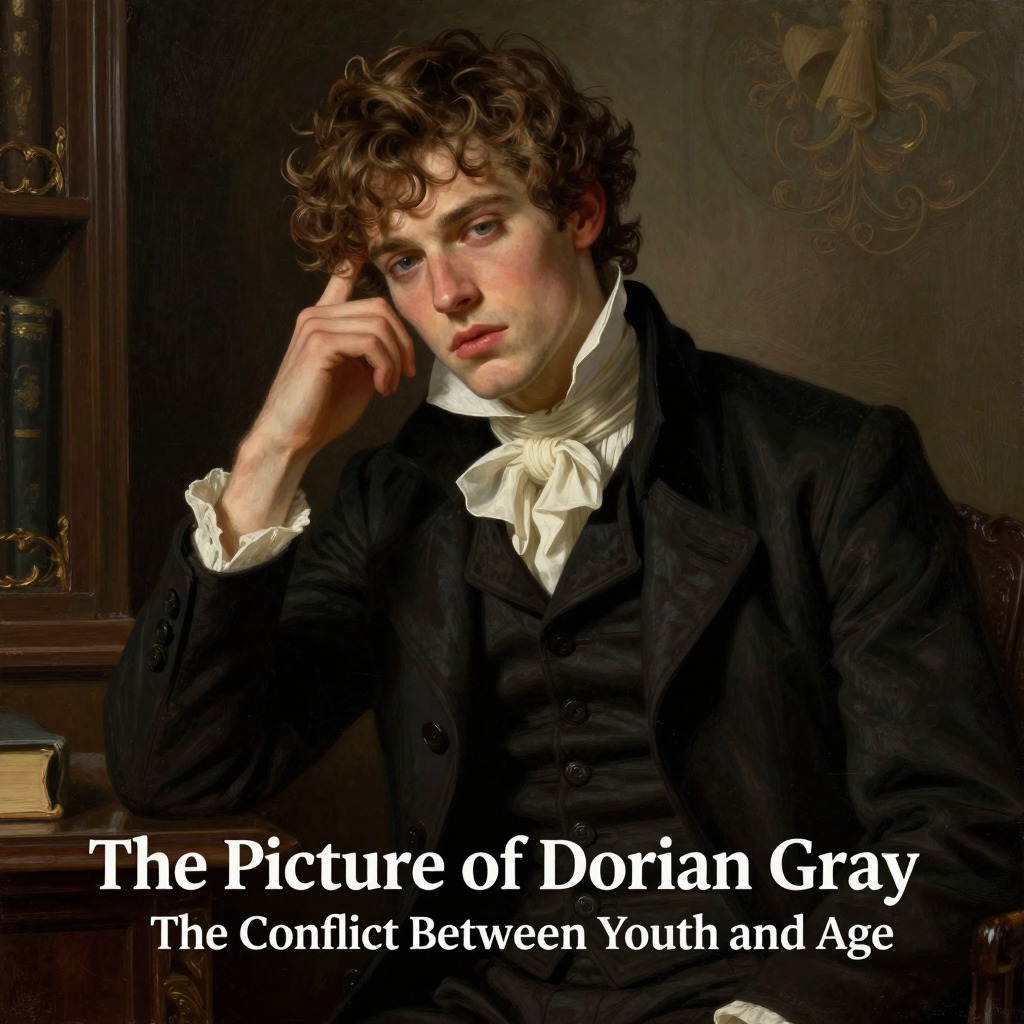
The Romantic Triangle: Basil, Dorian, and Lord Henry

The emotional entanglement where Basil loves Dorian, Dorian is fascinated by Lord Henry, and Lord Henry uses Dorian as an experiment.

The Conflict Between Youth and Age from "The Picture of Dorian Gray". The novel's central theme of the tragic brevity of youth and beauty, played out through Dorian's desperate wish.
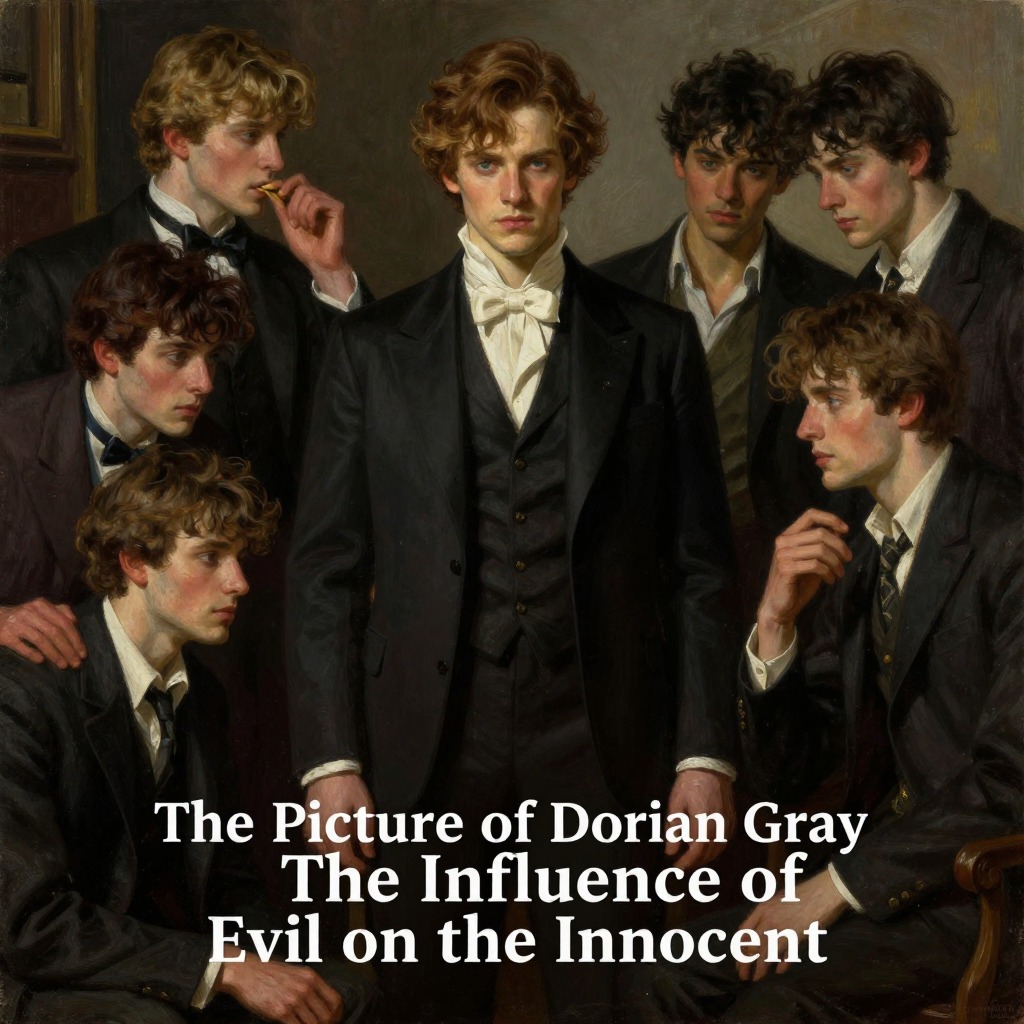
The Conflict Between Youth and Age

The novel's central theme of the tragic brevity of youth and beauty, played out through Dorian's desperate wish.

The Influence of Evil on the Innocent from "The Picture of Dorian Gray". Dorian Gray's corrupting effect on the young men around him, leading to suicides, scandals, and ruined lives.
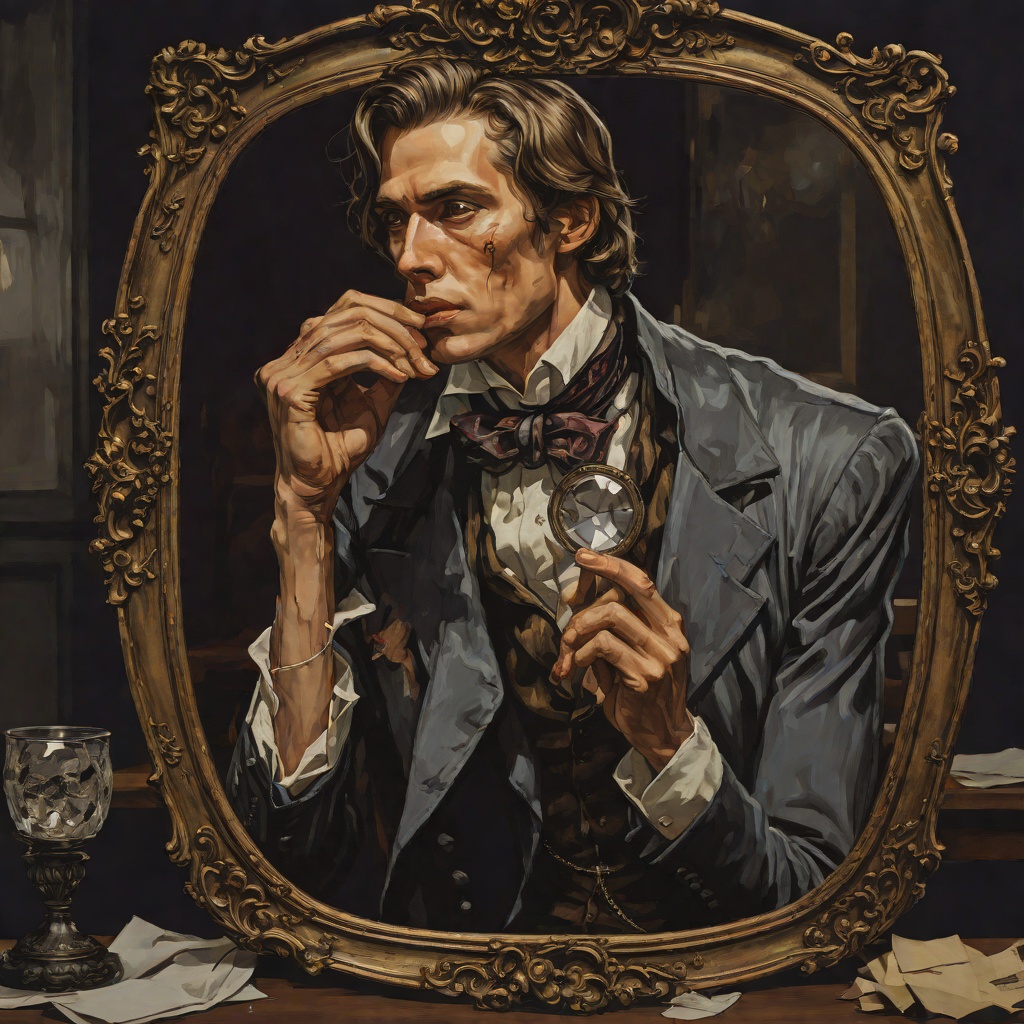
The Influence of Evil on the Innocent

Dorian Gray's corrupting effect on the young men around him, leading to suicides, scandals, and ruined lives.

Dorian's Psychological Deterioration from "The Picture of Dorian Gray". The internal conflict within Dorian as he struggles with guilt, paranoia, and the impossibility of redemption.
Dorian's Psychological Deterioration

The internal conflict within Dorian as he struggles with guilt, paranoia, and the impossibility of redemption.

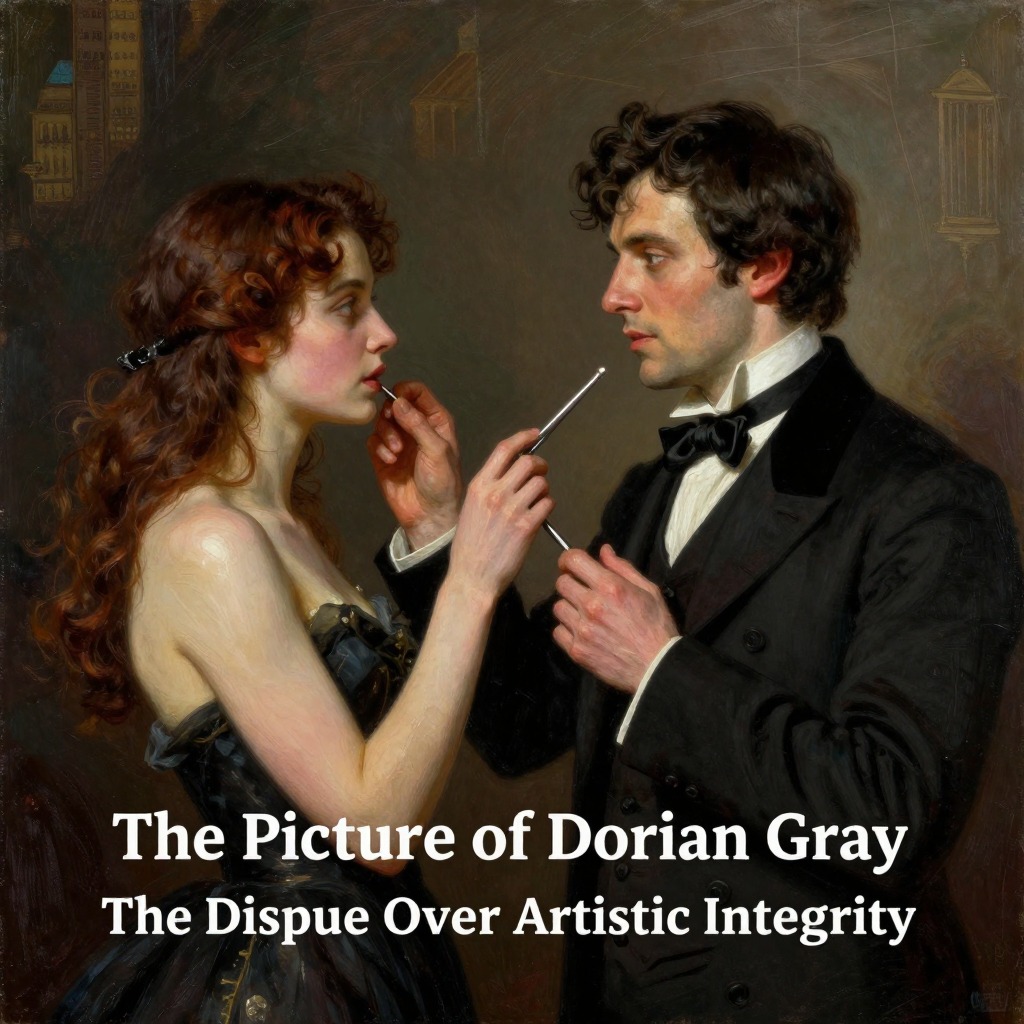
The Dispute Over Artistic Integrity from "The Picture of Dorian Gray". The conflict between Basil's view of art as pure creation and Dorian's use of art as a reflection of life and sin.
The Dispute Over Artistic Integrity

The conflict between Basil's view of art as pure creation and Dorian's use of art as a reflection of life and sin.

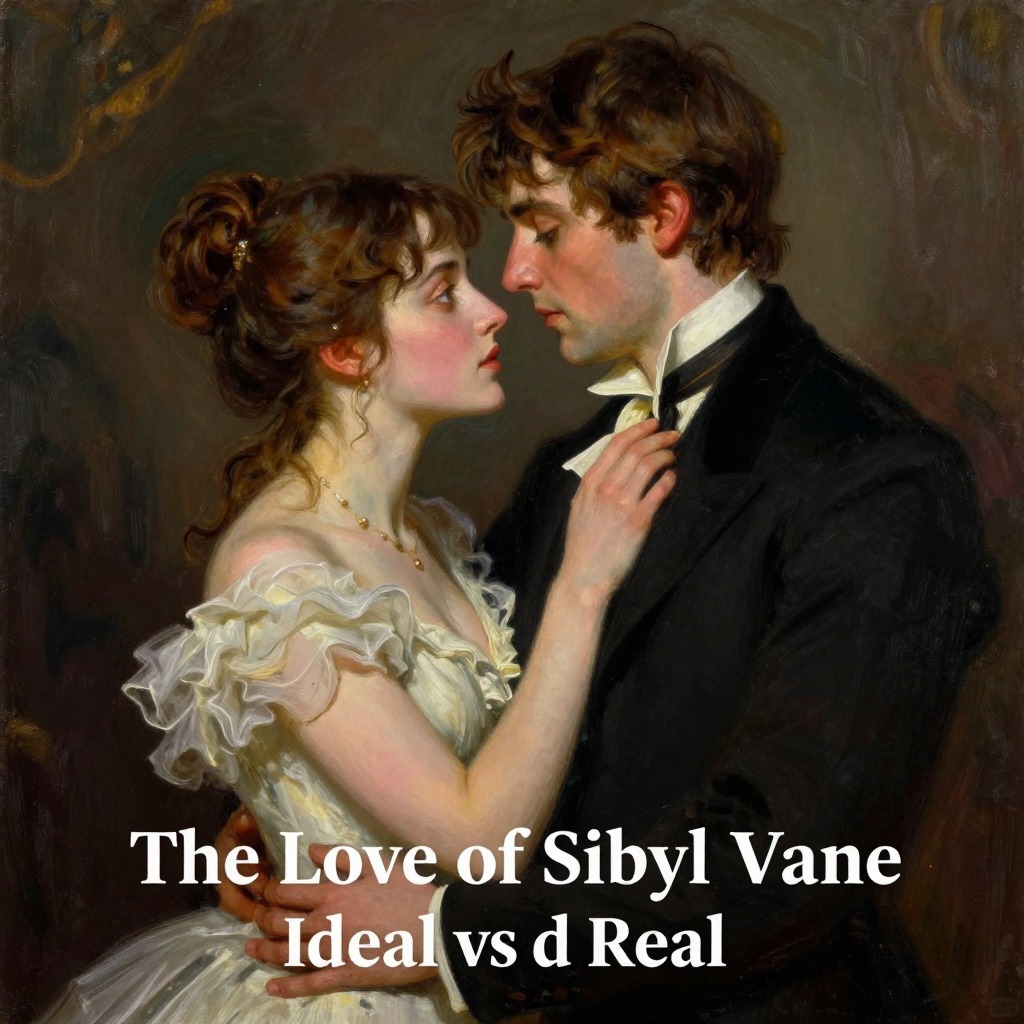
The Love of Sibyl Vane: Ideal vs. Real from "The Picture of Dorian Gray". Sibyl Vane's genuine love for Dorian contrasts with Dorian's love for her as an artistic ideal, leading to tragedy.
The Love of Sibyl Vane: Ideal vs. Real

Sibyl Vane's genuine love for Dorian contrasts with Dorian's love for her as an artistic ideal, leading to tragedy.

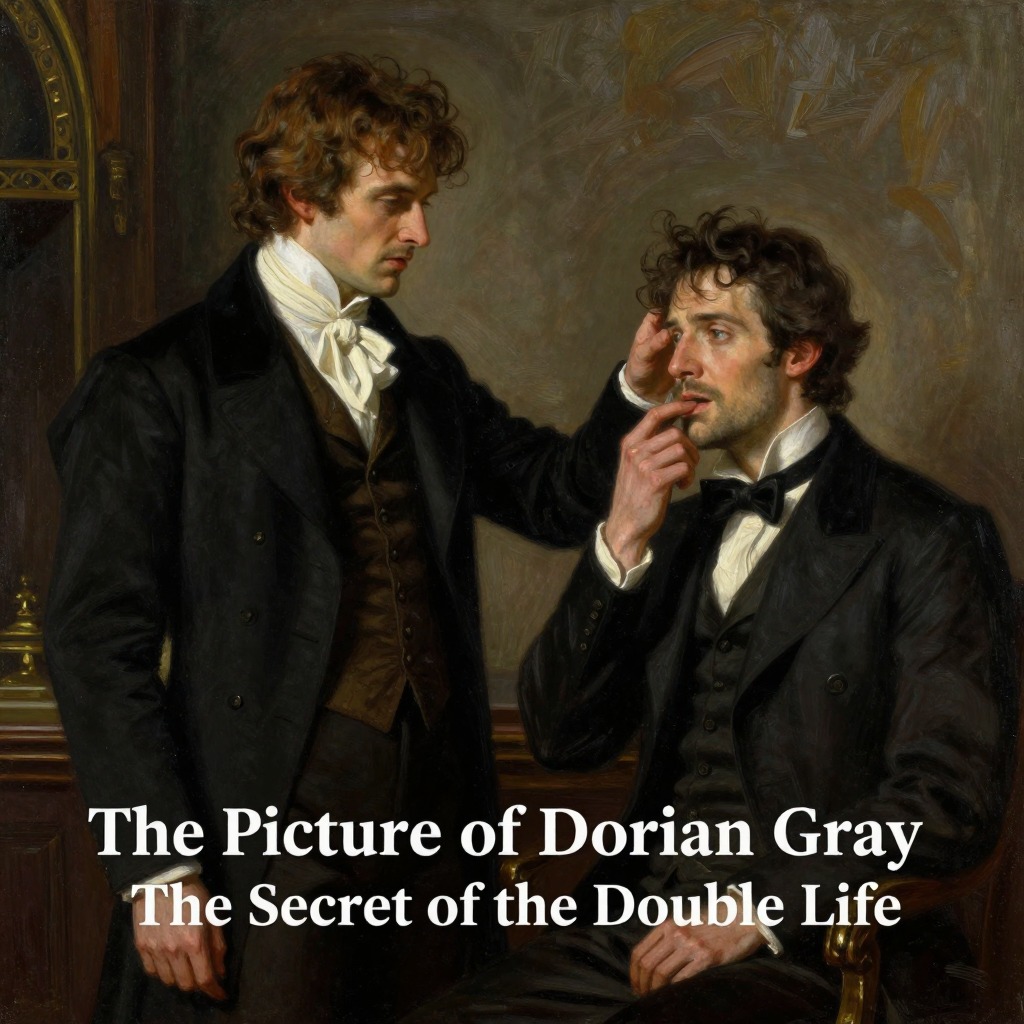
The Secret of the Double Life from "The Picture of Dorian Gray". Dorian Gray's public persona as a gentleman vs. his private life of debauchery and crime, and the fear of exposure.
The Secret of the Double Life

Dorian Gray's public persona as a gentleman vs. his private life of debauchery and crime, and the fear of exposure.

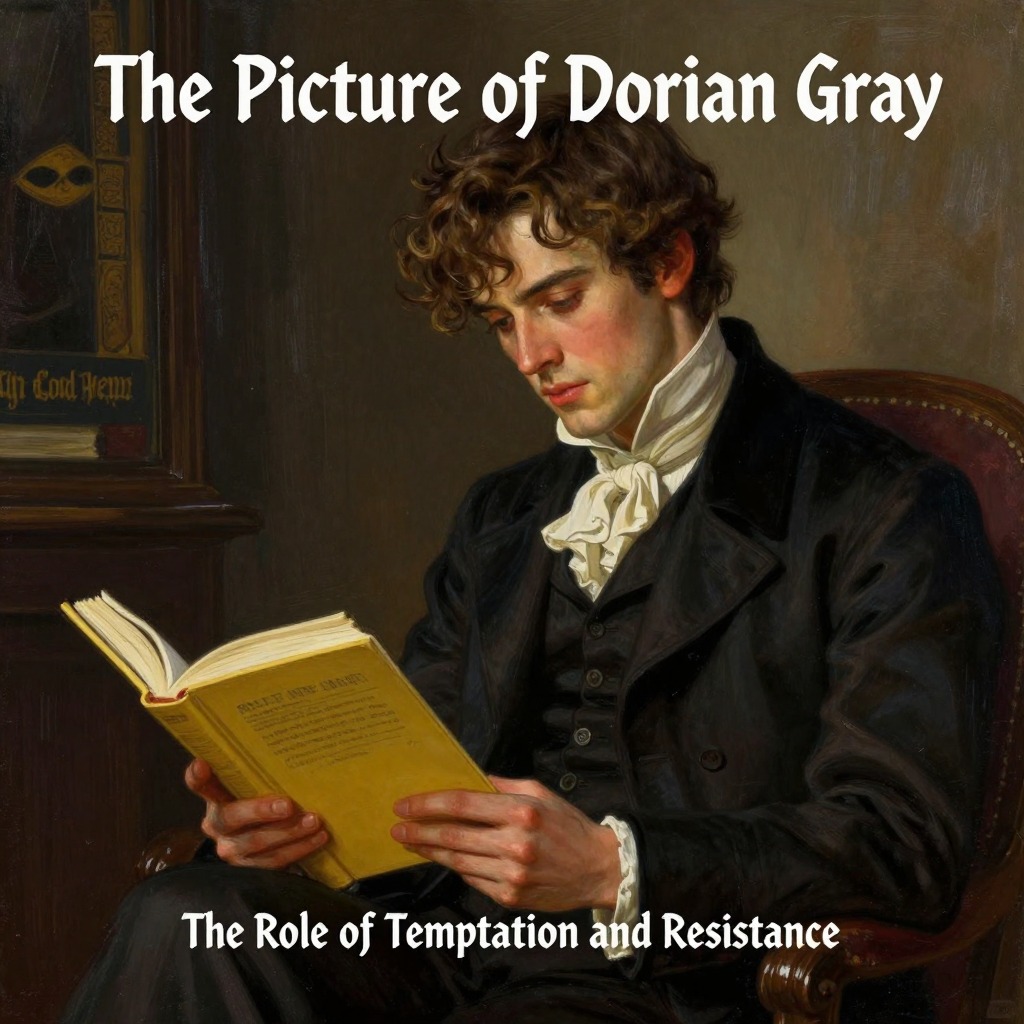
The Role of Temptation and Resistance from "The Picture of Dorian Gray". The repeated pattern of temptation (through Lord Henry, the yellow book, and new experiences) and Dorian's increasingly weak resistance.
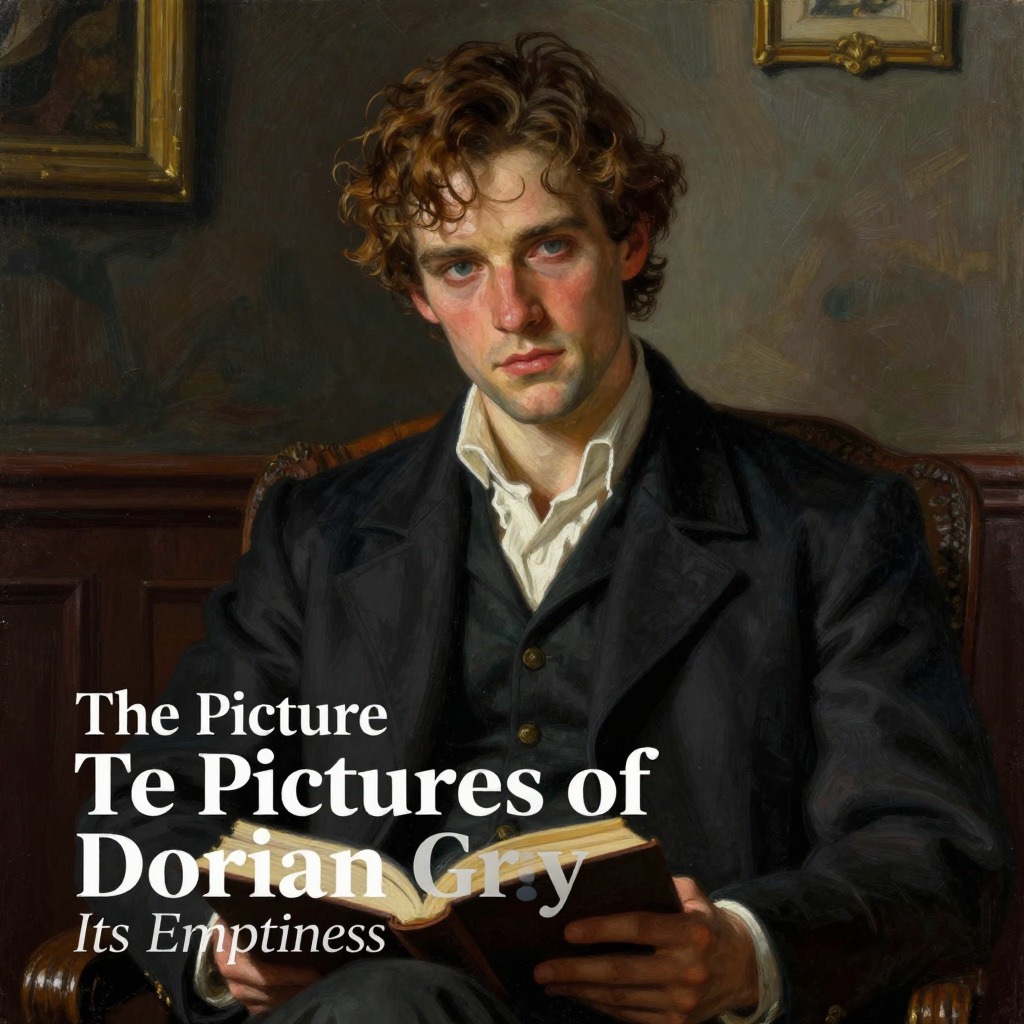
The Role of Temptation and Resistance

The repeated pattern of temptation (through Lord Henry, the yellow book, and new experiences) and Dorian's increasingly weak resistance.

The Search for Experience and Its Emptiness from "The Picture of Dorian Gray". Dorian's quest for a 'new hedonism' leads to a life of intense sensations but ultimately leaves him empty and unsatisfied.
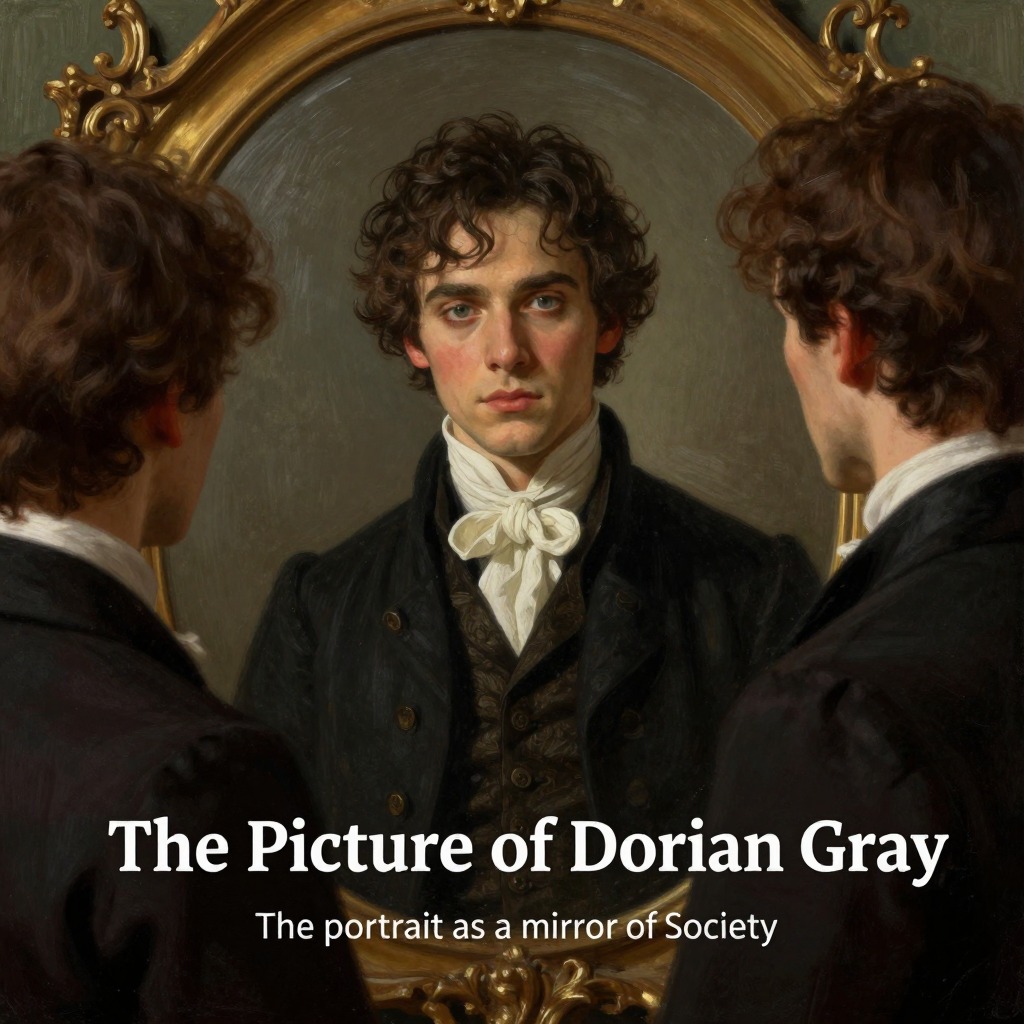
The Search for Experience and Its Emptiness

Dorian's quest for a 'new hedonism' leads to a life of intense sensations but ultimately leaves him empty and unsatisfied.

The Portrait as a Mirror of Society from "The Picture of Dorian Gray". The way the portrait reflects not only Dorian's sins but also the hypocrisy of Victorian society, which values appearance over morality.
The Portrait as a Mirror of Society

The way the portrait reflects not only Dorian's sins but also the hypocrisy of Victorian society, which values appearance over morality.

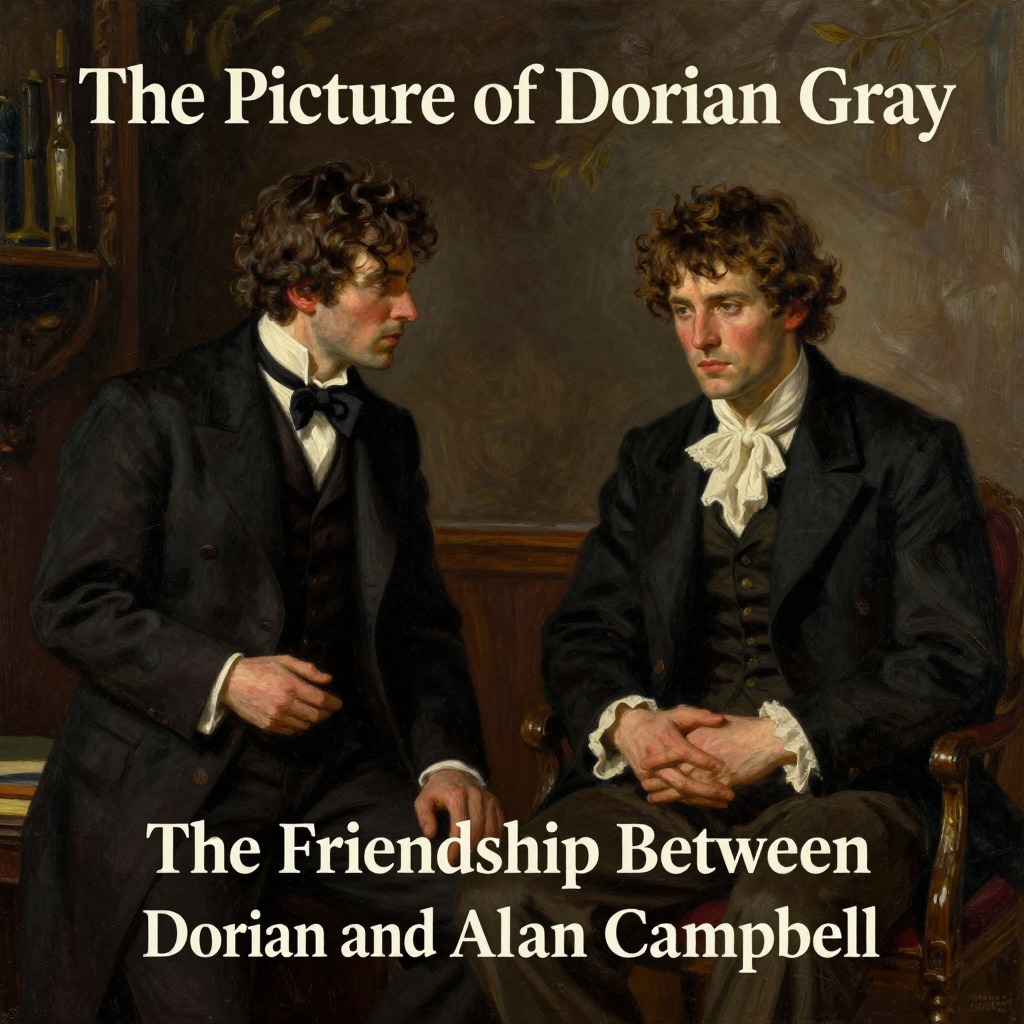
The Friendship Between Dorian and Alan Campbell from "The Picture of Dorian Gray". The ruin of a former friendship through blackmail and coercion, leading to Campbell's suicide.

The Friendship Between Dorian and Alan Campbell

The ruin of a former friendship through blackmail and coercion, leading to Campbell's suicide.
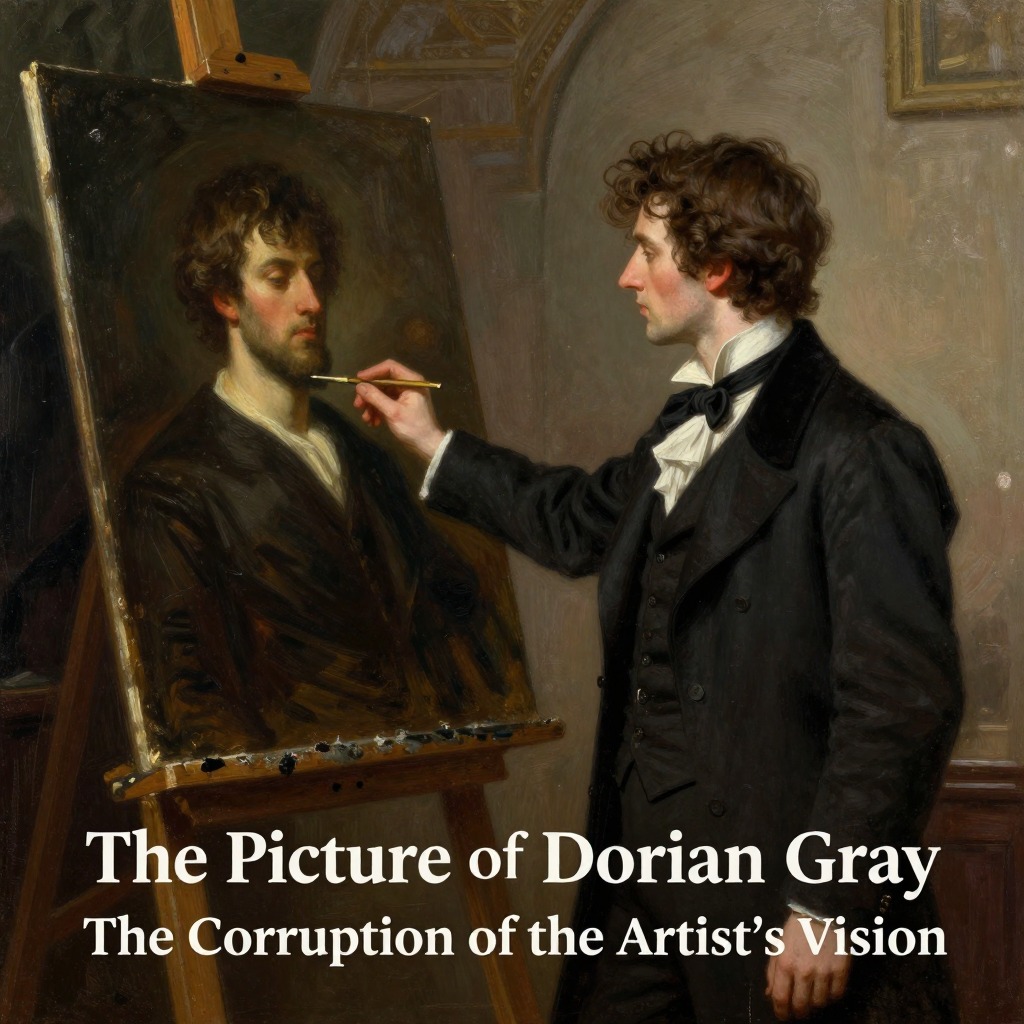
The Corruption of the Artist's Vision from "The Picture of Dorian Gray". How Basil Hallward's artistic vision is corrupted by his personal involvement with Dorian, leading to the destruction of his masterpiece.
The Corruption of the Artist's Vision

How Basil Hallward's artistic vision is corrupted by his personal involvement with Dorian, leading to the destruction of his masterpiece.

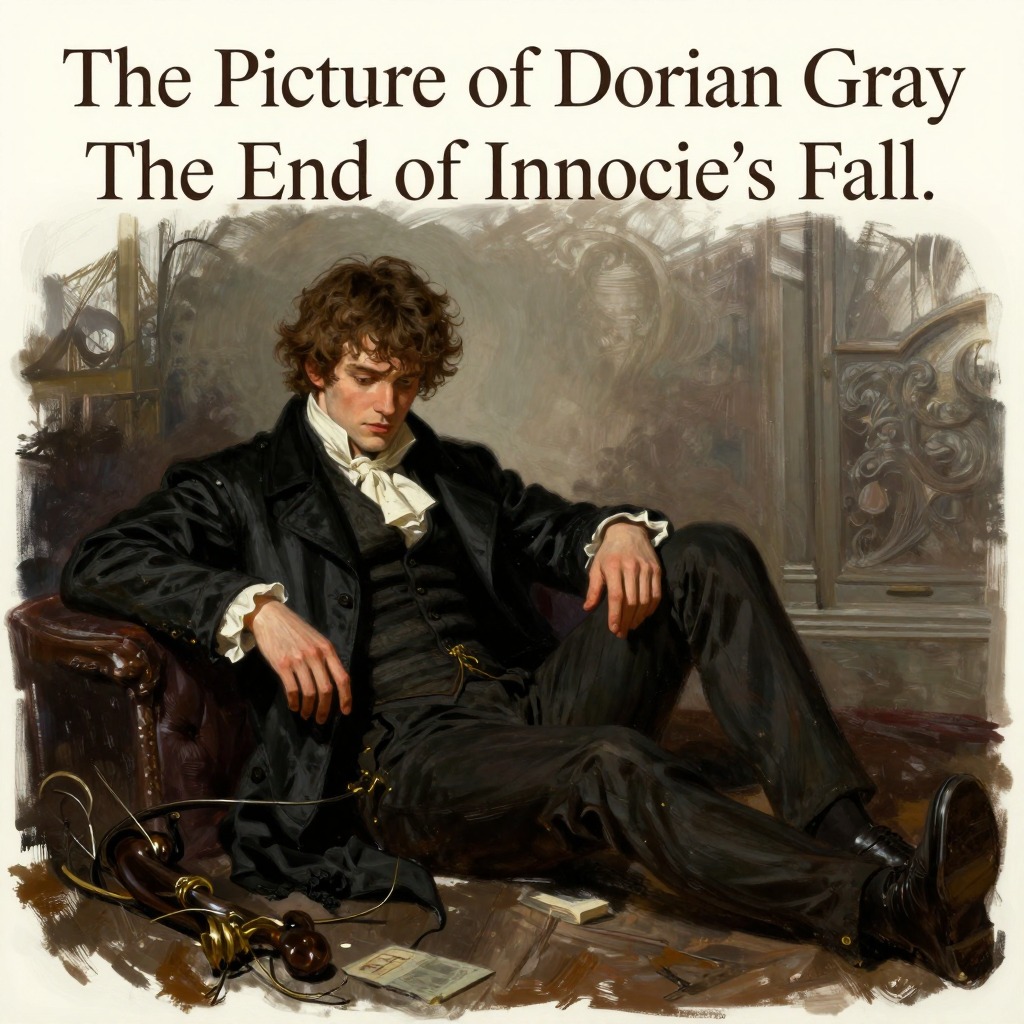
The End of Innocence: Dorian's Fall from "The Picture of Dorian Gray". The gradual loss of Dorian's original innocence, culminating in his complete moral corruption and death.
The End of Innocence: Dorian's Fall

The gradual loss of Dorian's original innocence, culminating in his complete moral corruption and death.

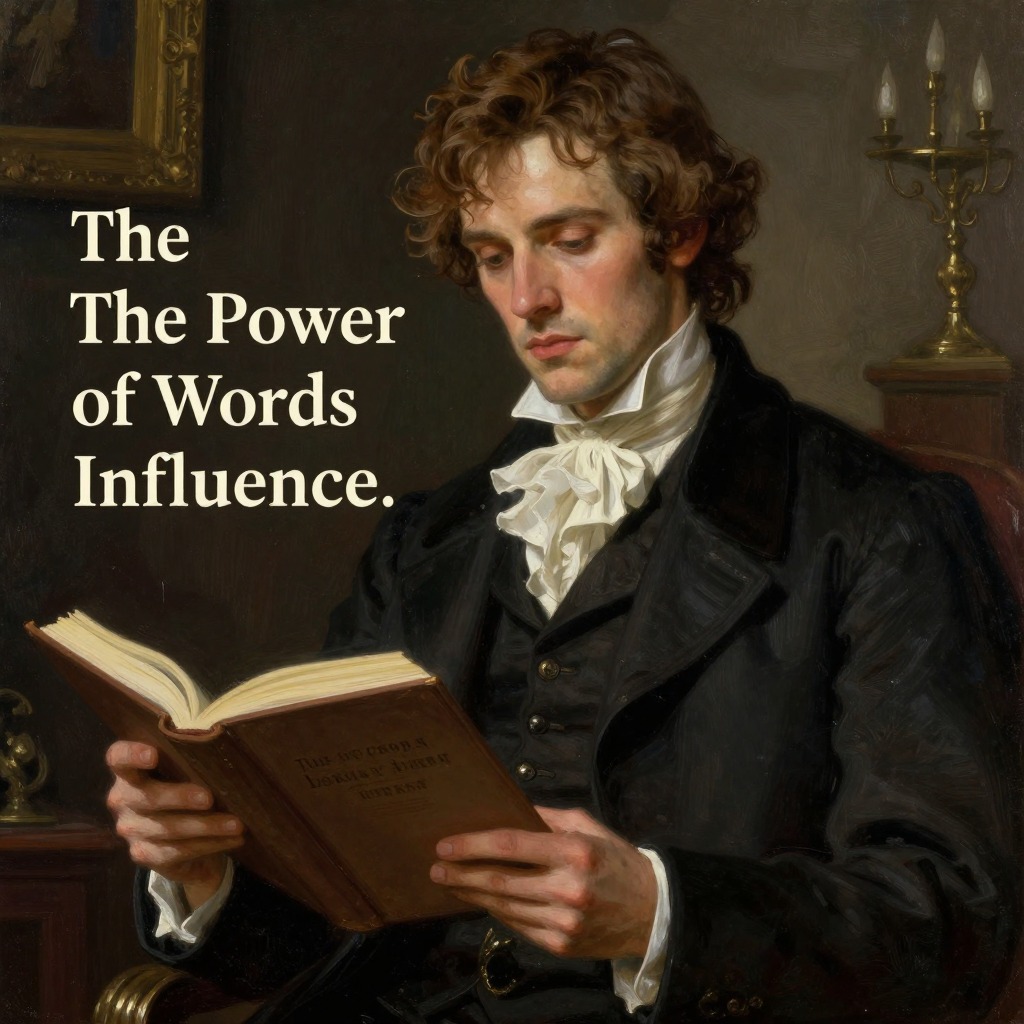
The Power of Words and Influence from "The Picture of Dorian Gray". Lord Henry's words have a profound effect on Dorian, showing how language can shape a person's character and destiny.
The Power of Words and Influence

Lord Henry's words have a profound effect on Dorian, showing how language can shape a person's character and destiny.

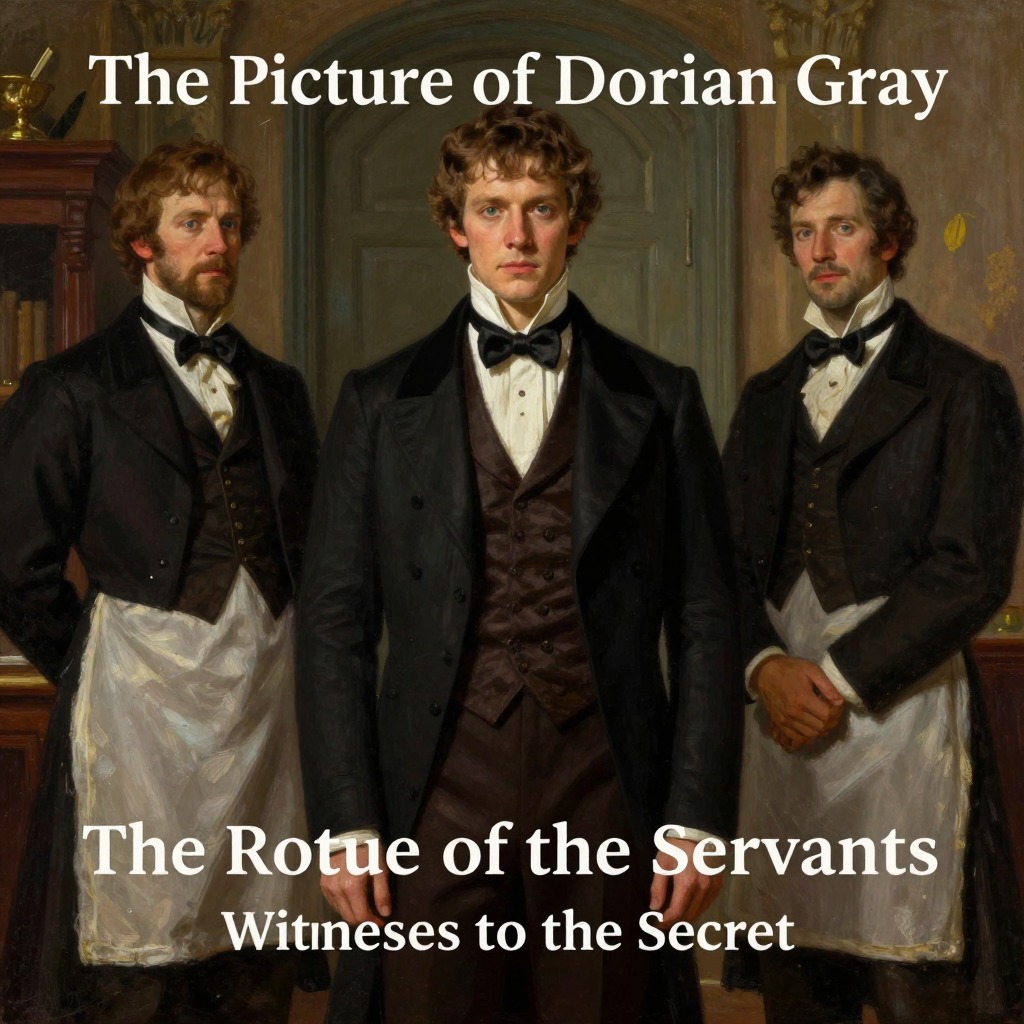
The Role of the Servants: Witnesses to the Secret from "The Picture of Dorian Gray". The servants (Victor, Francis, Mrs. Leaf) are peripheral figures who sense Dorian's secret and represent the hidden domestic dimension.
The Role of the Servants: Witnesses to the Secret

The servants (Victor, Francis, Mrs. Leaf) are peripheral figures who sense Dorian's secret and represent the hidden domestic dimension.

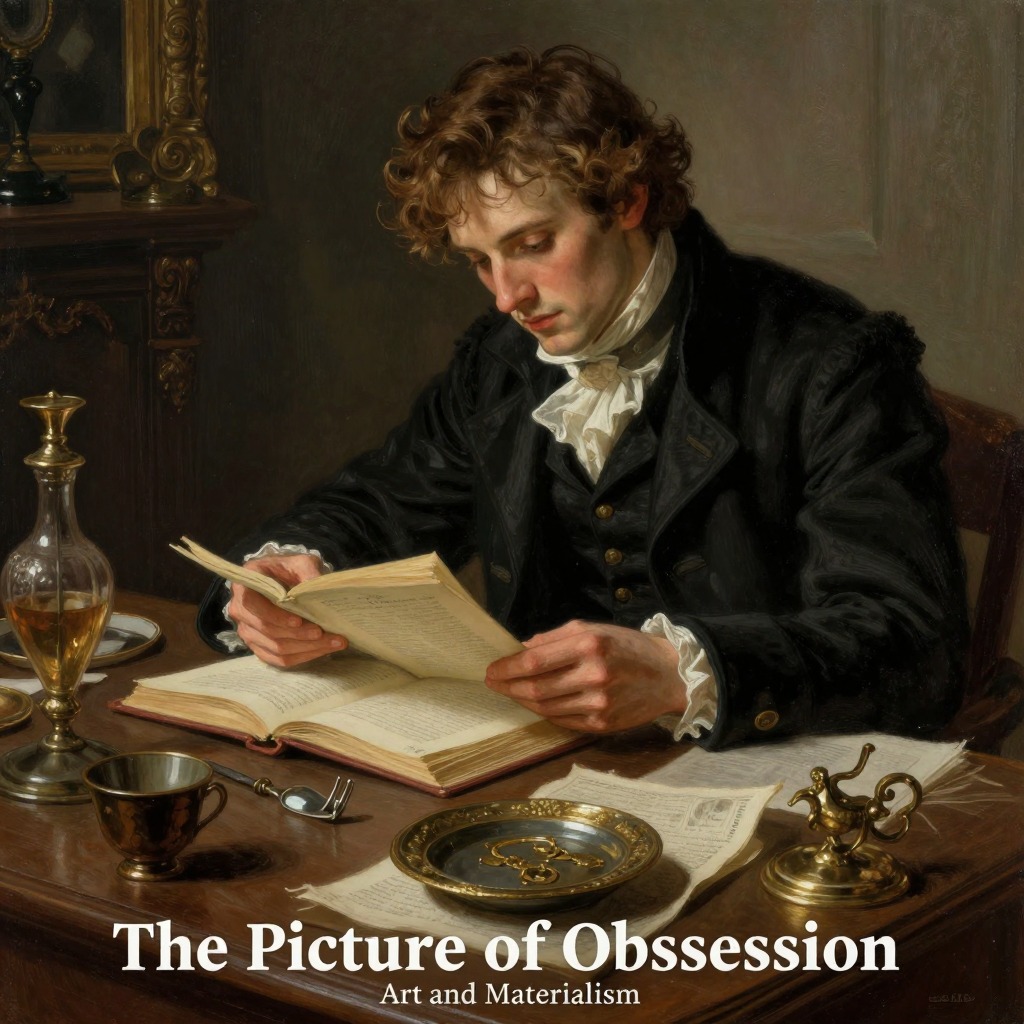
The Collector's Obsession: Art and Materialism from "The Picture of Dorian Gray". Dorian's obsessive collecting of beautiful objects, which serves as a substitute for genuine human connection and moral growth.
The Collector's Obsession: Art and Materialism

Dorian's obsessive collecting of beautiful objects, which serves as a substitute for genuine human connection and moral growth.

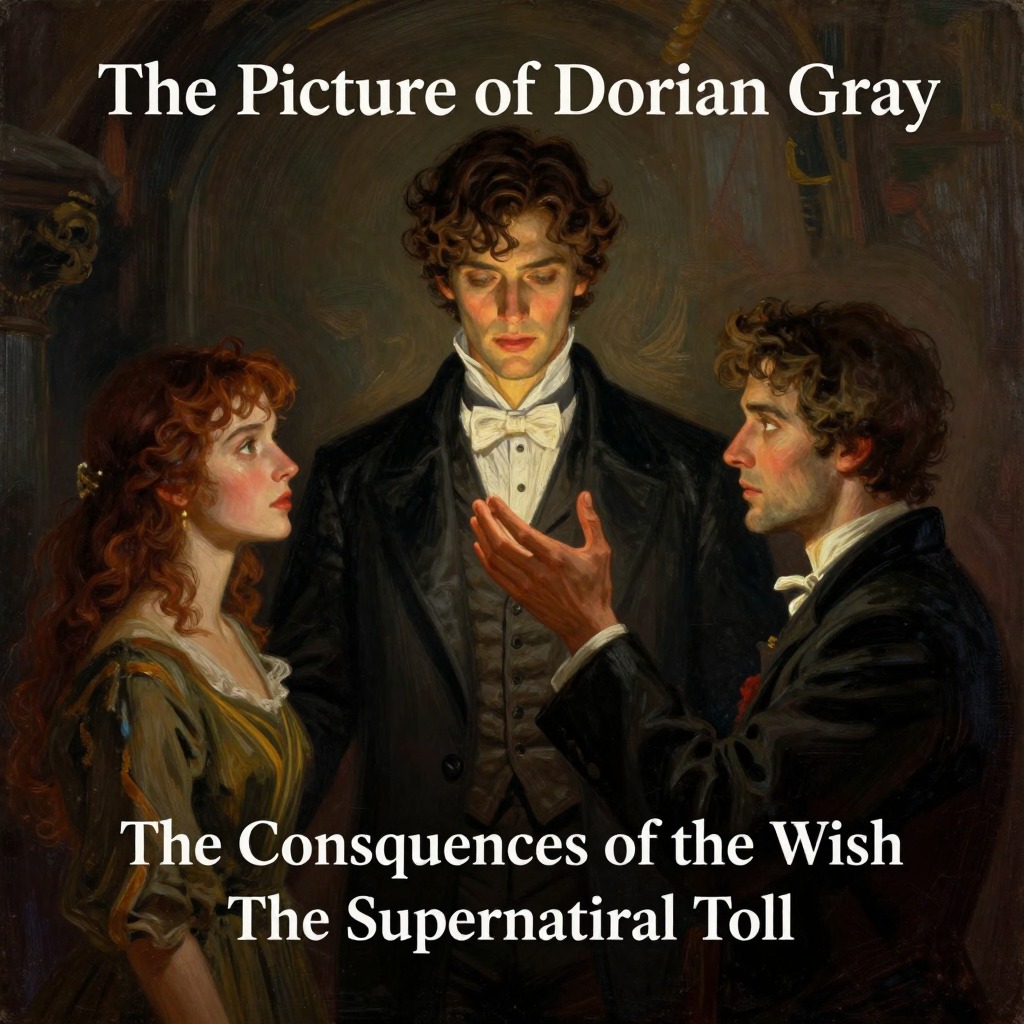
The Consequences of the Wish: The Supernatural Toll from "The Picture of Dorian Gray". The magical wish has consequences beyond Dorian's control, affecting his sanity, his relationships, and his ultimate fate.
The Consequences of the Wish: The Supernatural Toll

The magical wish has consequences beyond Dorian's control, affecting his sanity, his relationships, and his ultimate fate.

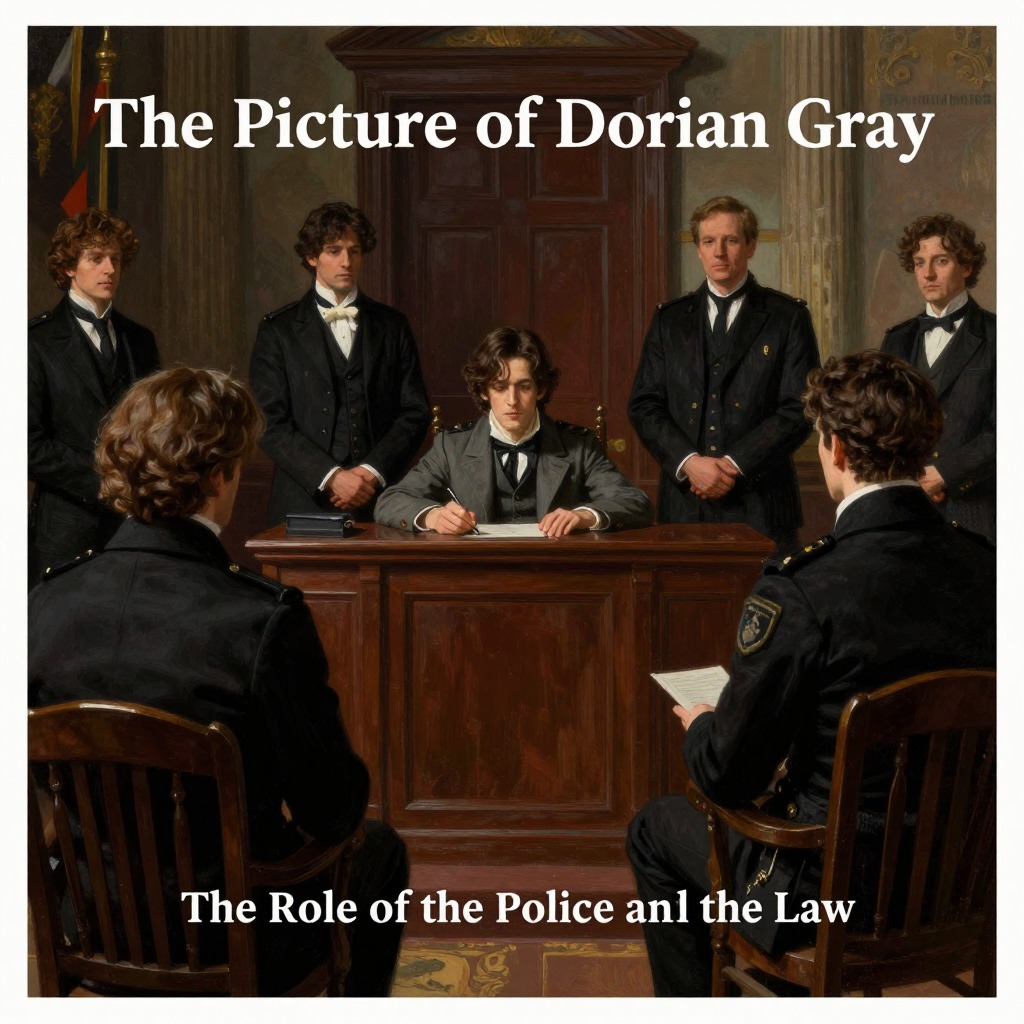
The Role of the Police and the Law from "The Picture of Dorian Gray". The legal system appears briefly in the inquest and the investigation of Basil's disappearance, but fails to uncover the truth.
The Role of the Police and the Law

The legal system appears briefly in the inquest and the investigation of Basil's disappearance, but fails to uncover the truth.

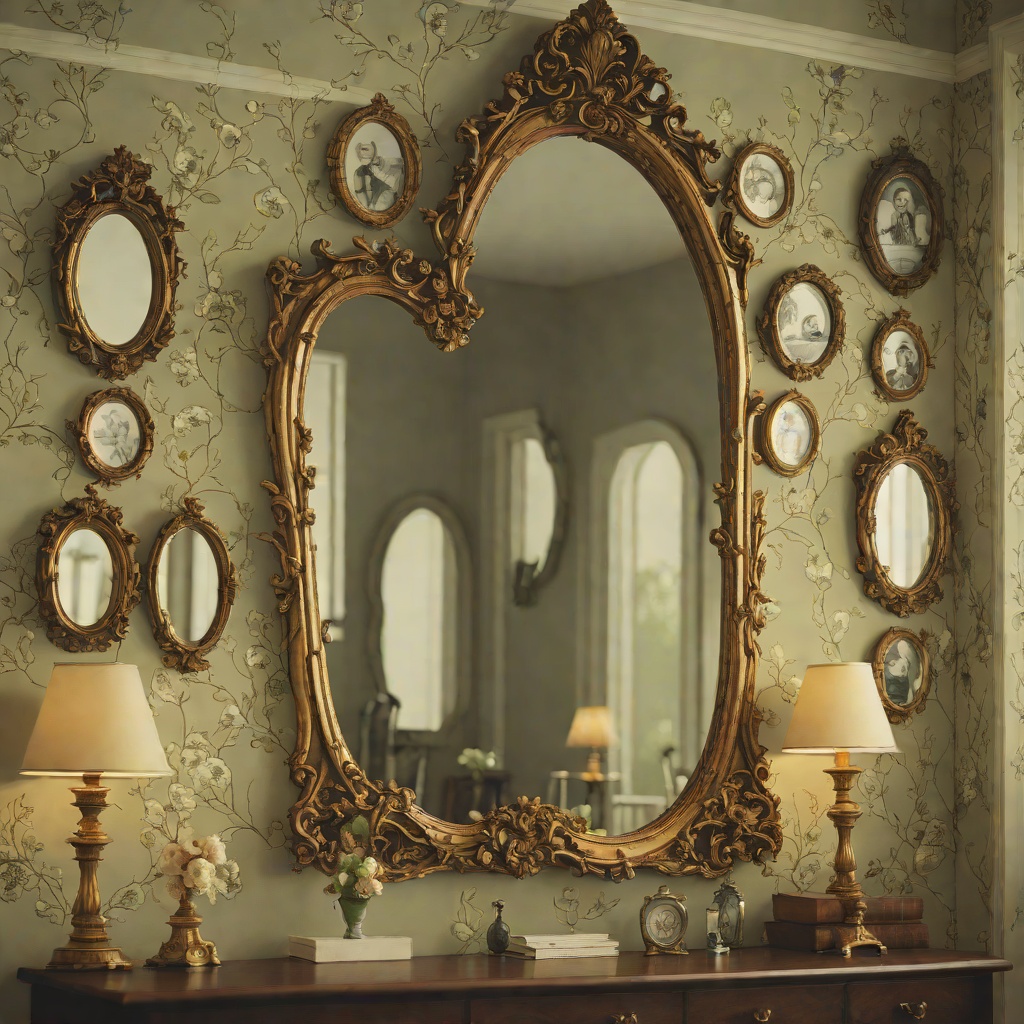
The Motif of the Mirror and Reflection from "The Picture of Dorian Gray". Mirrors and reflective surfaces recur throughout the novel, symbolizing self-awareness, vanity, and the truth that Dorian avoids.
The Motif of the Mirror and Reflection

Mirrors and reflective surfaces recur throughout the novel, symbolizing self-awareness, vanity, and the truth that Dorian avoids.

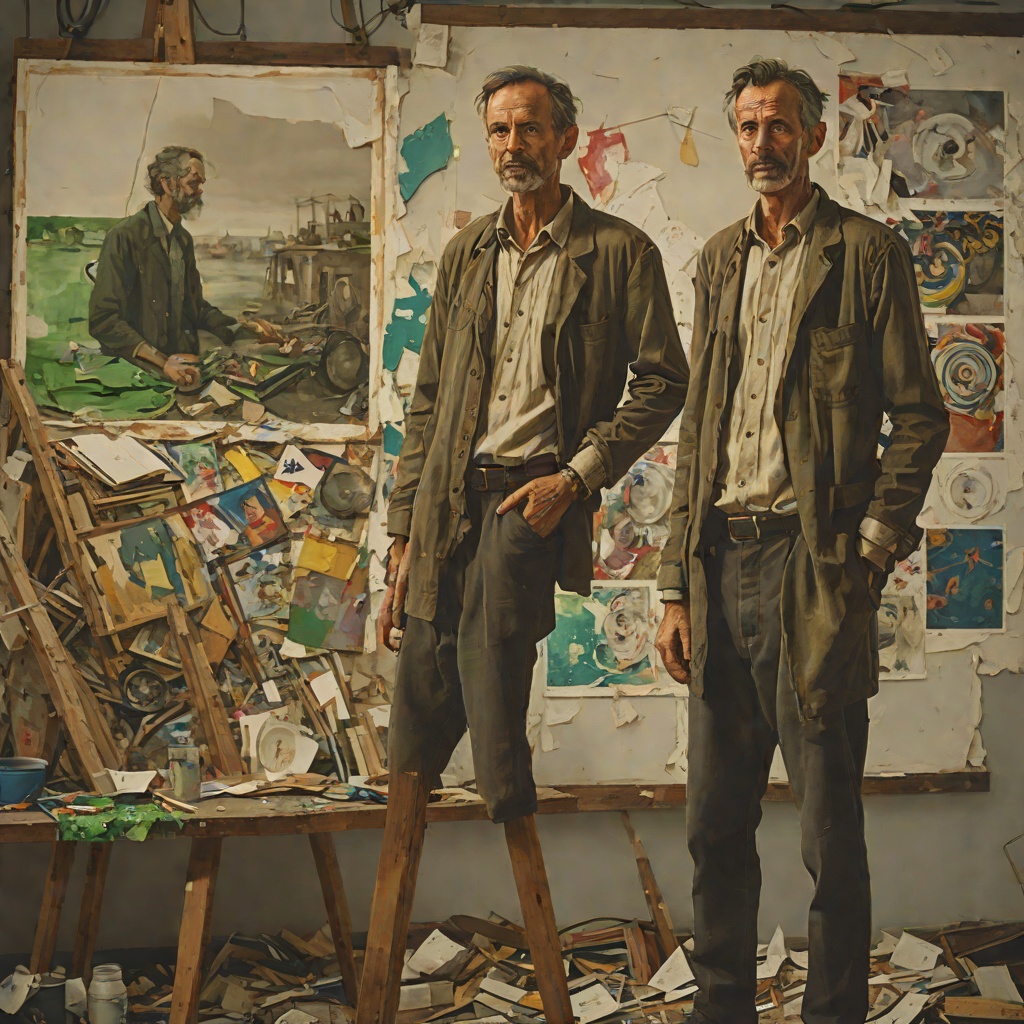
The Destruction of the Artist's Innocence from "The Picture of Dorian Gray". Basil Hallward's artistic and personal innocence is destroyed by his involvement with Dorian, culminating in his murder.

The Destruction of the Artist's Innocence

Basil Hallward's artistic and personal innocence is destroyed by his involvement with Dorian, culminating in his murder.