The Portrait of Dorian Gray
The Portrait of Dorian Gray is the enchanted full-length painting by Basil Hallward that becomes the supernatural repository of its subject's aging, sins, and moral decay, while Dorian Gray himself remains perpetually young and unmarked. It is the novel's central magical device and its most potent symbol of conscience, hidden away in a locked schoolroom for nearly two decades before its destruction precipitates the protagonist's death.
Creation and First Appearance
Basil Hallward painted the portrait in his studio, completing it on a June day while Lord Henry Wotton looked on. The work was immediately recognized as a masterpiece: Lord Henry called it "one of the greatest things in modern art" and offered to buy it, but Basil insisted it belonged to Dorian. The artist had poured an extraordinary amount of himself into the canvas, confessing to Lord Henry that he was afraid he had "shown with it the secret of my own soul." When Dorian first saw the finished portrait, he experienced a revelation of his own beauty, and with it a sharp pang of anguish at the thought that the picture would remain always young while he himself would grow old and hideous. In a moment of passionate despair, he uttered a wish that the picture might age instead of him, declaring he would give everything for such an arrangement.
The Wish and Its Fulfillment
The wish was granted. After Dorian cruelly rejected Sibyl Vane, he returned home to find that the portrait's expression had changed: a touch of cruelty now warped the mouth. The next morning, when he learned of Sibyl's suicide, he examined the picture again and confirmed that the alteration was real, not a trick of the light. The portrait had received the news of her death before he knew it himself. From that moment, the painting became a visible record of every sin Dorian committed. When he later murdered Basil Hallward, the portrait's hands appeared stained with blood, and the red dew on the canvas seemed to grow brighter and more like freshly spilled blood. The picture aged and grew hideous while Dorian remained in the "glamour of boyhood," his face untouched by time or corruption.
Hiding and Secret Life
Dorian immediately hid the portrait behind a screen, and later had it carried to the locked schoolroom at the top of his house, wrapped in a purple-and-gold pall that had once served as a funeral covering. He kept the only key and visited the room secretly, often standing with a mirror in front of the canvas, comparing his own fair face to the evil and aging image. He grew "more and more enamoured of his own beauty, more and more interested in the corruption of his own soul," examining the hideous lines with monstrous delight. For weeks he would avoid the room entirely, then suddenly return to gaze at the misshapen shadow that bore the burden that should have been his own. The portrait became "the most magical of mirrors," revealing to him his own soul even as it concealed his degradation from the world.
Revelation and Murder
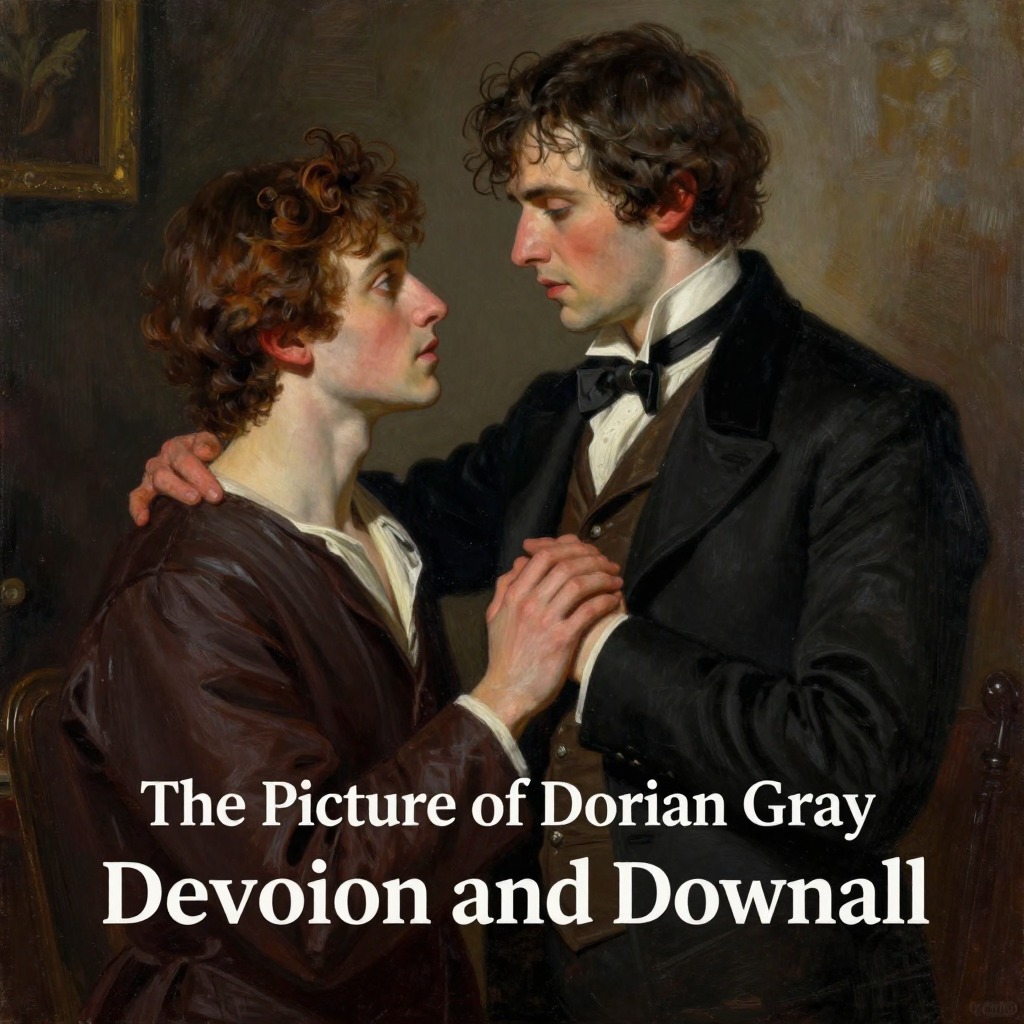
Years later, on the night of November 7th, Basil Hallward confronted Dorian about the terrible rumors surrounding his life and demanded to see his soul. Dorian, in a fit of pride and madness, led him to the locked room and tore the curtain from the portrait. Basil saw the hideous thing on the canvas—his own brushwork, his own frame, but the face of a satyr, leprous with sin. He recognized it as Dorian's face, yet monstrously transformed. In the horror of the moment, Dorian was seized by an uncontrollable hatred for the man who had painted the portrait that was the origin of all his shame. He seized a knife and stabbed Basil repeatedly, killing him. The portrait, which had already recorded the murder, now bore blood on its hands and feet.
Destruction and Death
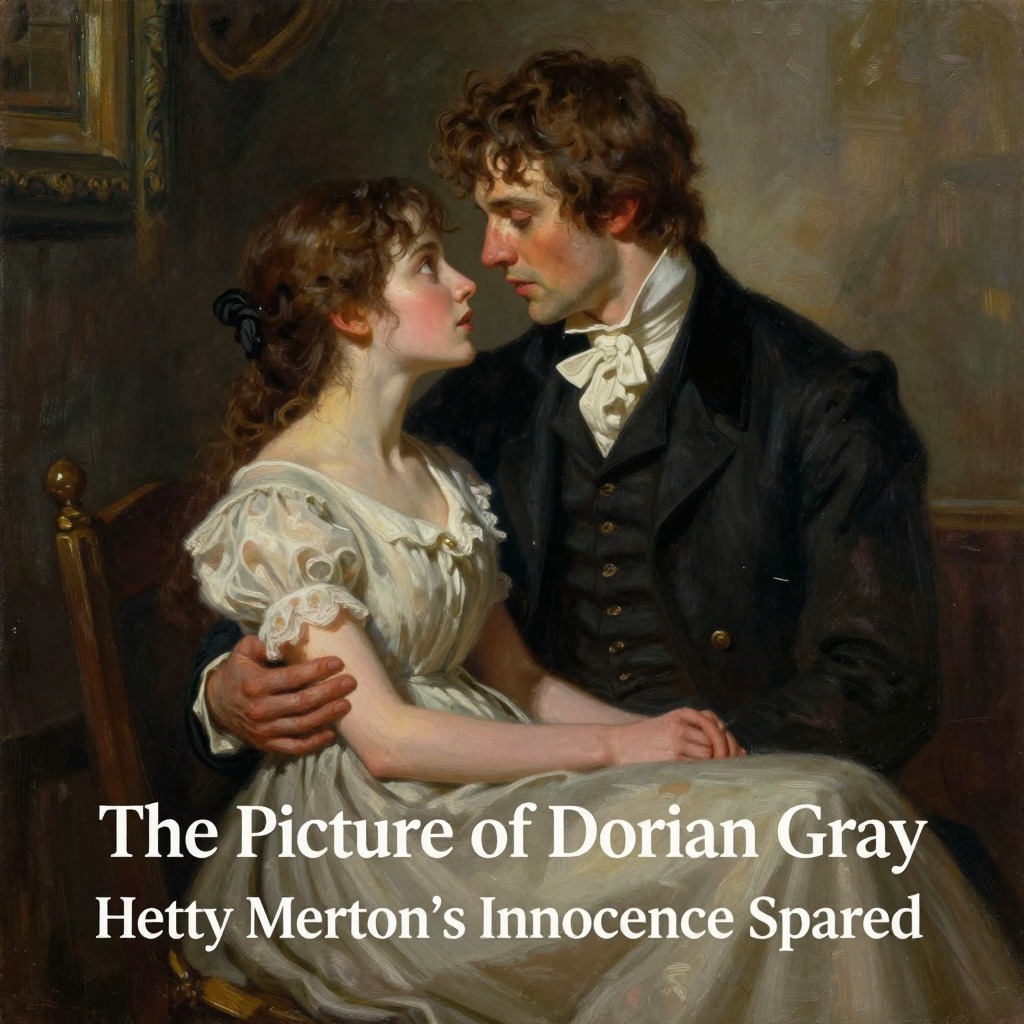
After years of carrying the burden of his sins through the portrait, Dorian attempted a good deed by sparing a village girl named Hetty Merton. When he checked the picture afterward, he found no improvement—only a look of cunning and hypocrisy, and the bloodstain larger than before. Realizing that the portrait was the only evidence left against him, and that it had become like a conscience he could no longer bear, he seized the same knife he had used to kill Basil and stabbed the canvas, ripping it from top to bottom. The servants heard a horrible cry and a crash. When they broke into the room, they found hanging on the wall a splendid portrait of their master in all the wonder of his exquisite youth and beauty. Lying on the floor was a dead man, withered, wrinkled, and loathsome, with a knife in his heart. It was only by examining the rings that they recognized who it was.
Thematic Significance
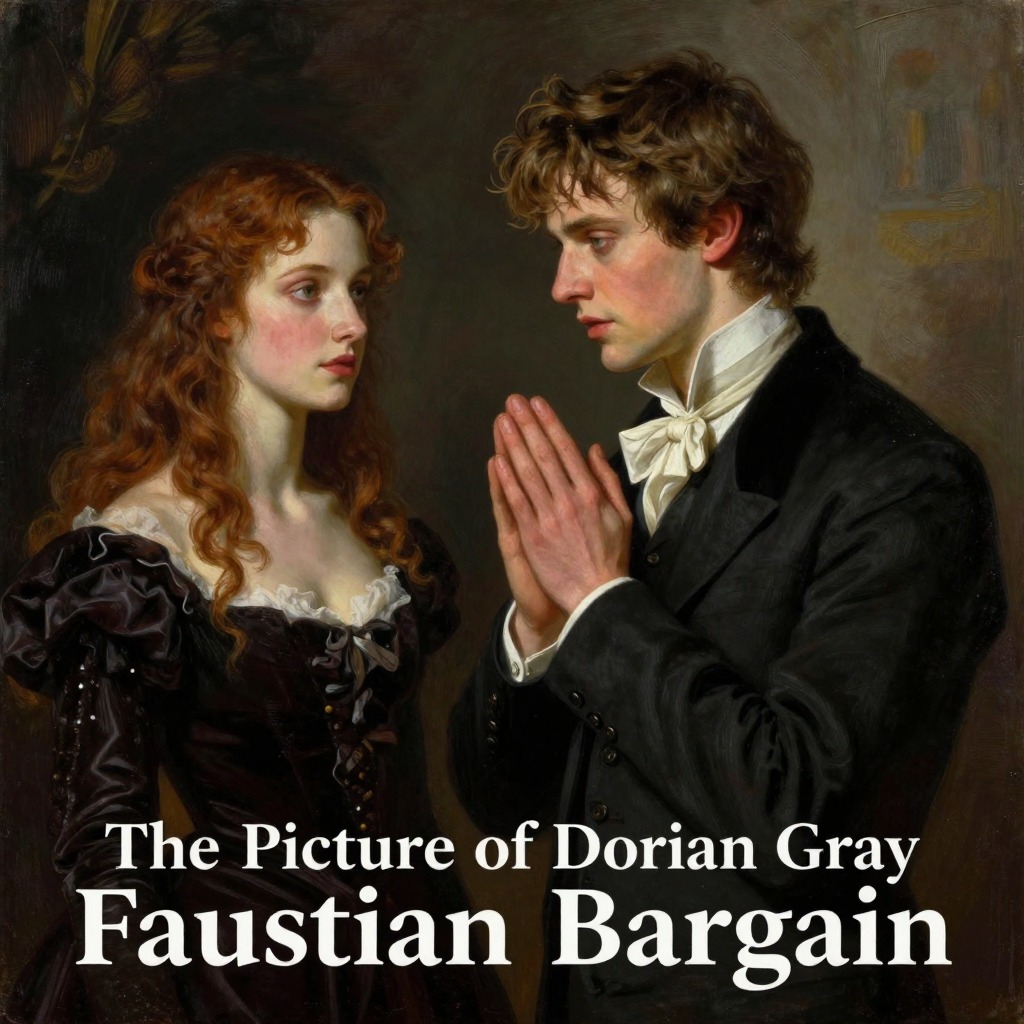
The portrait functions as a Faustian bargain made visible, a conscience that cannot be escaped, and a mirror that reveals the true state of the soul. It embodies the novel's central paradox: that the pursuit of eternal youth and beauty leads to moral decay, and that the attempt to separate the body from the soul results in the destruction of both. The portrait's transformation from a masterpiece of art into a record of sin illustrates Wilde's theme that "the only way to get rid of a temptation is to yield to it"—and that yielding carries consequences that cannot be hidden forever.