
Dorian's Psychological Deterioration
The Picture of Dorian GrayThe internal conflict within Dorian as he struggles with guilt, paranoia, and the impossibility of redemption.
increasing Bearing strength in each event
 decreasing
Bearing strength in each eventdecreasingThe First Pangs of Remorse
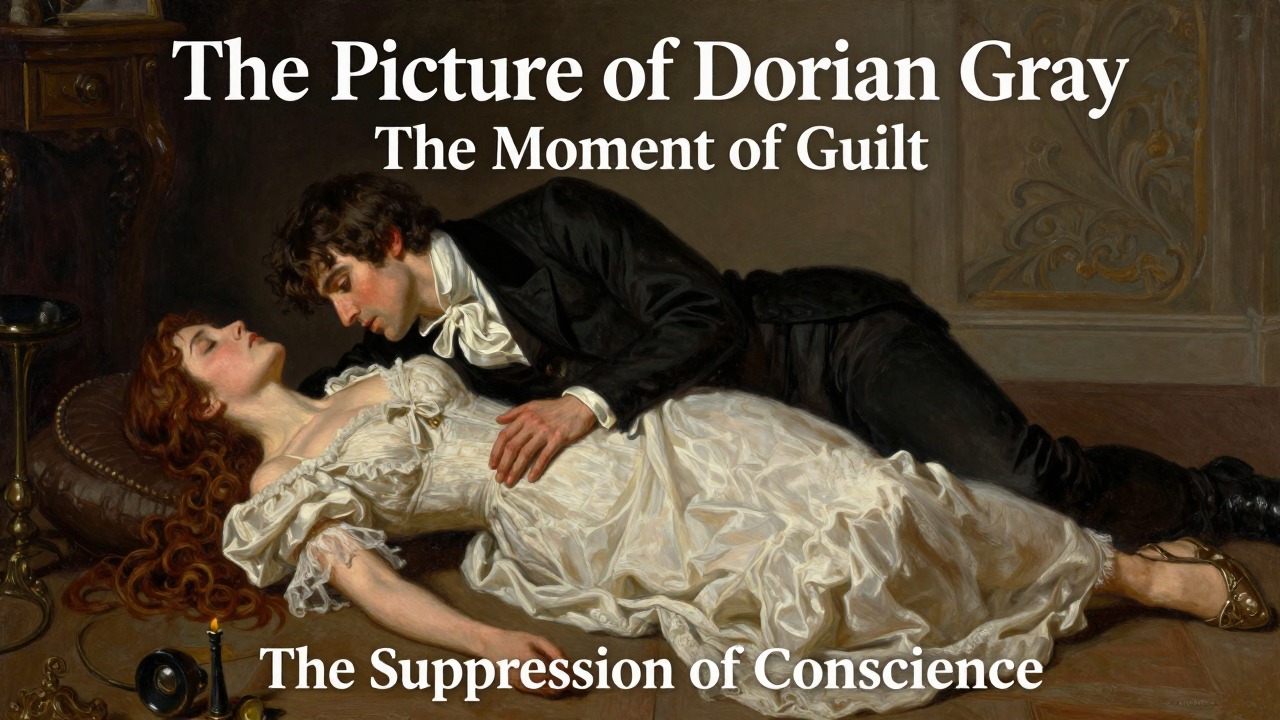
The First Pangs of Remorse
The Moment of Guilt
Dorian feels a moment of regret when he thinks of Sibyl lying at his feet. He resolves to marry her, but Lord Henry's news of her death changes that. He quickly suppresses the guilt.
The Suppression of Conscience
Dorian chooses to ignore his conscience. He follows Lord Henry's advice to treat the tragedy as a beautiful event. This sets a pattern of avoiding moral responsibility.
The Paranoia of Discovery
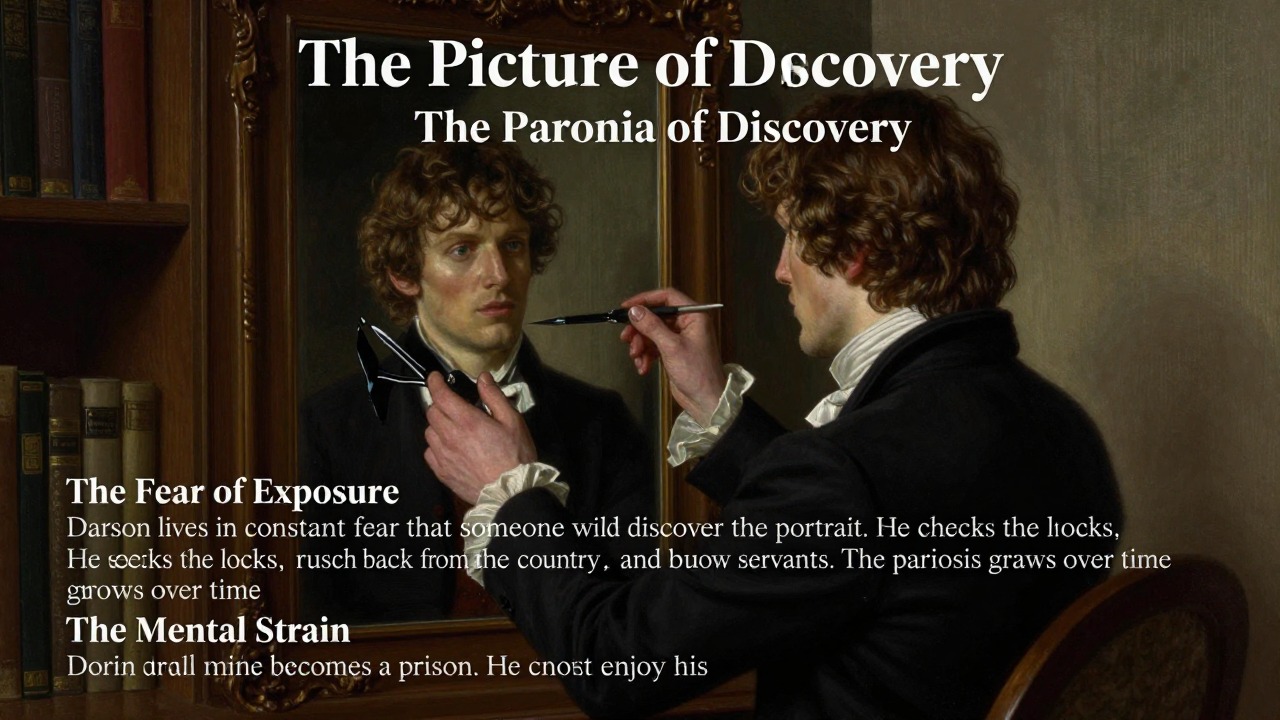
The Paranoia of Discovery
The Fear of Exposure
Dorian lives in constant fear that someone will discover the portrait. He checks the locks, rushes back from the country, and suspects his servants. The paranoia grows over time.
The Mental Strain
Dorian's mind becomes a prison. He cannot enjoy his youth because he is always afraid. The internal conflict between his desire for pleasure and his fear of ruin tears him apart.
The Weight of Murder
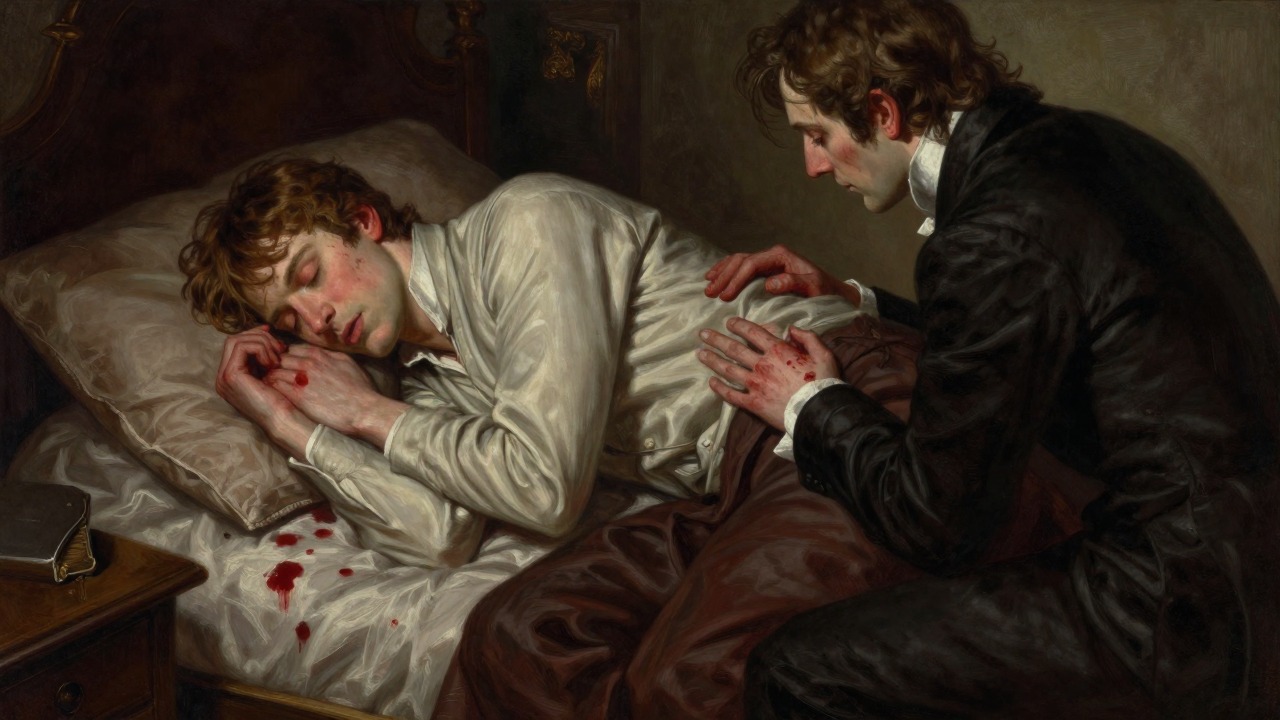
The Weight of Murder
The Night After
Dorian sleeps peacefully after the murder, but the next morning the memory 'crept with silent blood-stained feet into his brain.' He feels a loathing for Basil and a cold passion.
The Desperate Calm
Dorian is able to function, but he is now a murderer. The psychological burden is immense. He blackmails Campbell and lies to his servant. The strain shows in his increased irritability.
The Failed Hope
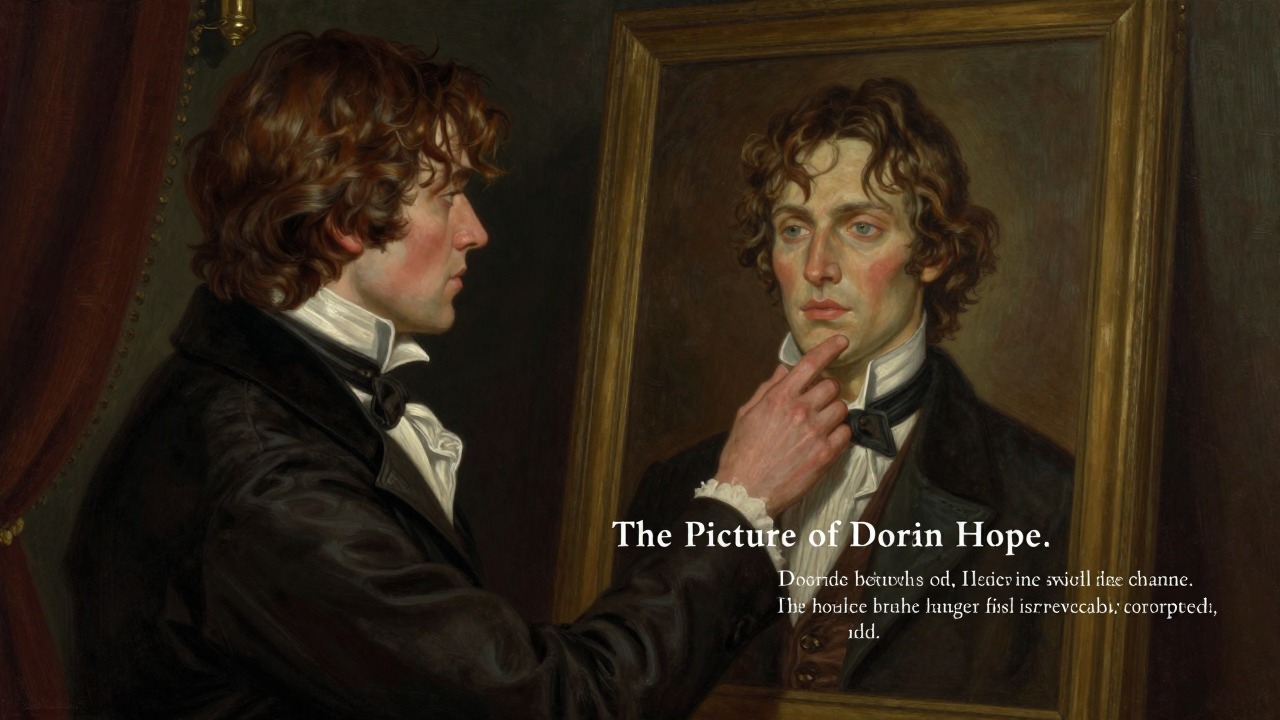
The Failed Hope
The Illusion of Reform
Dorian believes that sparing Hetty will redeem him. He goes to the portrait with hope, only to be crushed by the unchanged face. The psychological blow is devastating.
The Final Despair
Dorian realizes that he cannot change. His soul is irrevocably corrupted. The internal conflict ends in resignation. He decides to destroy the portrait, not out of hope but out of desperation.
The Self-Destruction
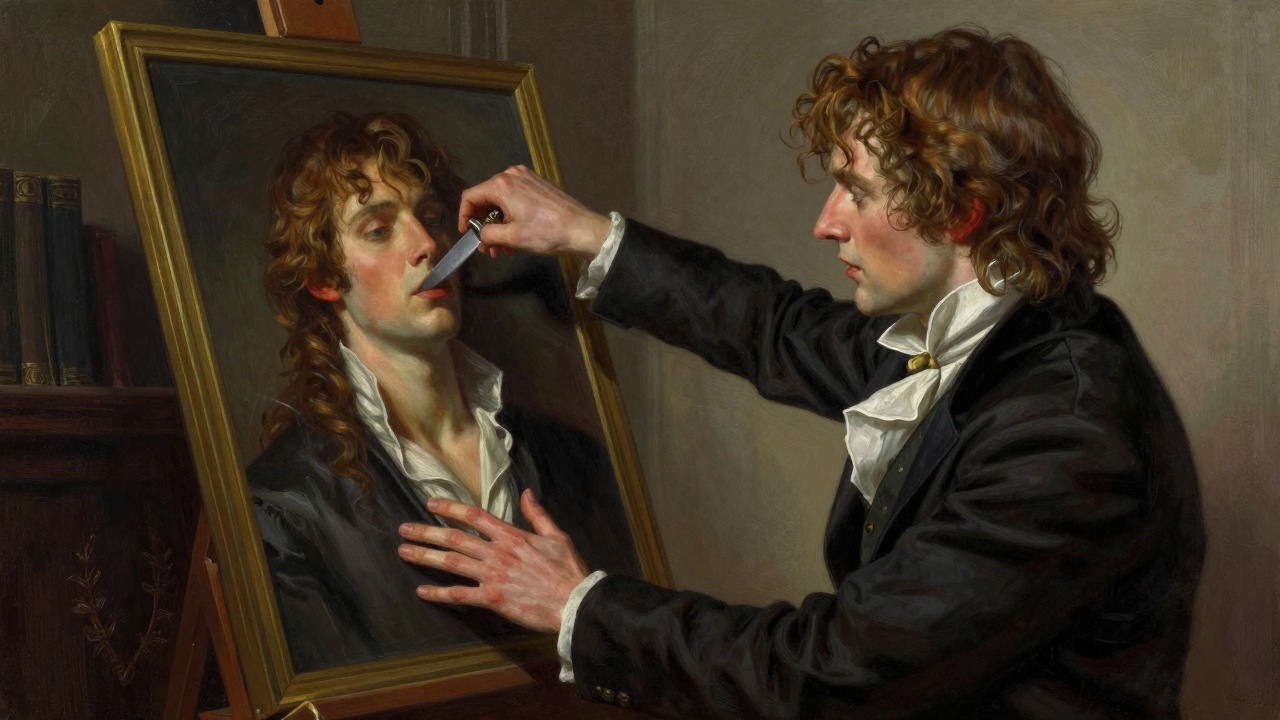
The Self-Destruction
The Final Act
Dorian stabs the portrait. In that instant, he feels the knife enter his own heart. The internal conflict is resolved by death. The psychological journey ends with the destruction of the self.
The Unconscious Surrender
Dorian's last act is an attempt to kill his conscience, but it kills him. The psychological deterioration is complete. He dies as a withered old man, the outward sign of his inner decay.
After Sibyl's death, Chapter VI
Years after hiding the portrait, Chapter IX
After Basil's murder, Chapter XII
After sparing Hetty, Chapter XIII
The moment of death, Chapter XIII
