Sandor Clegane
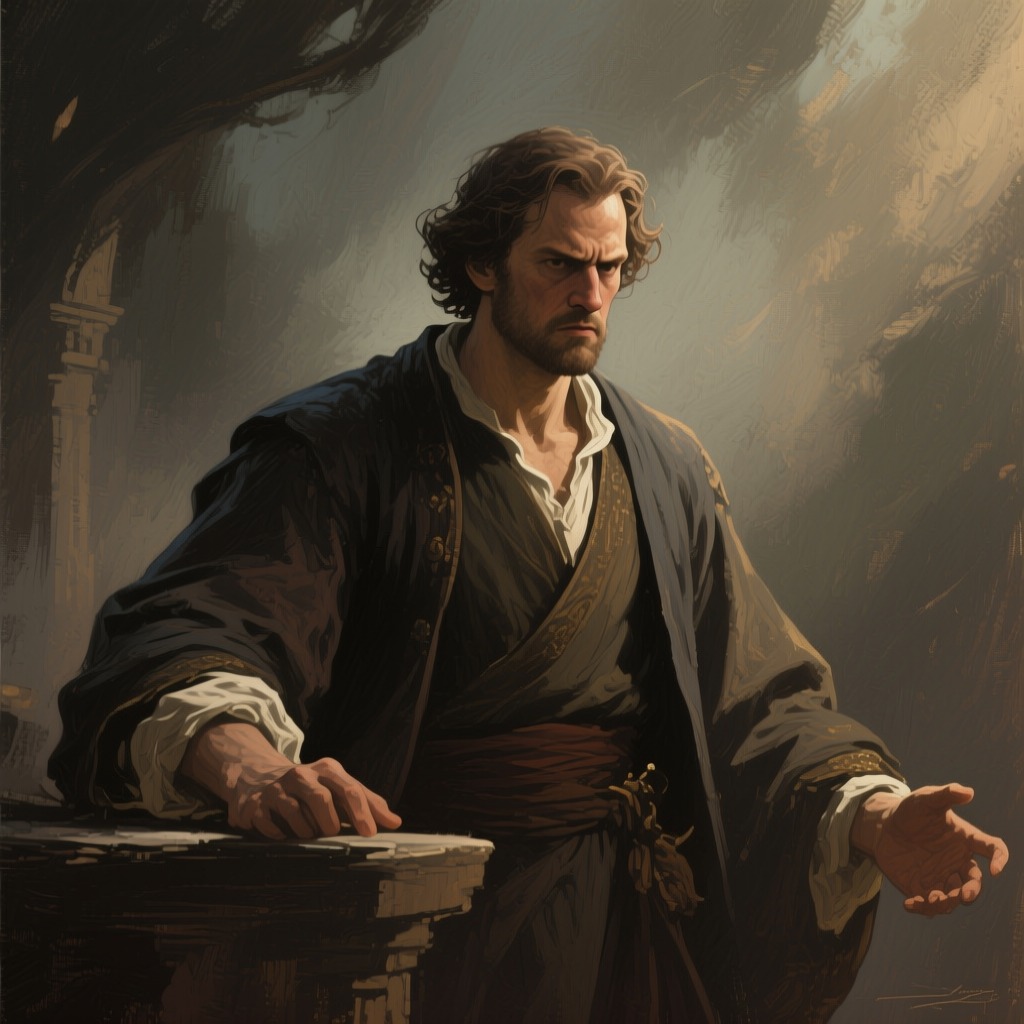
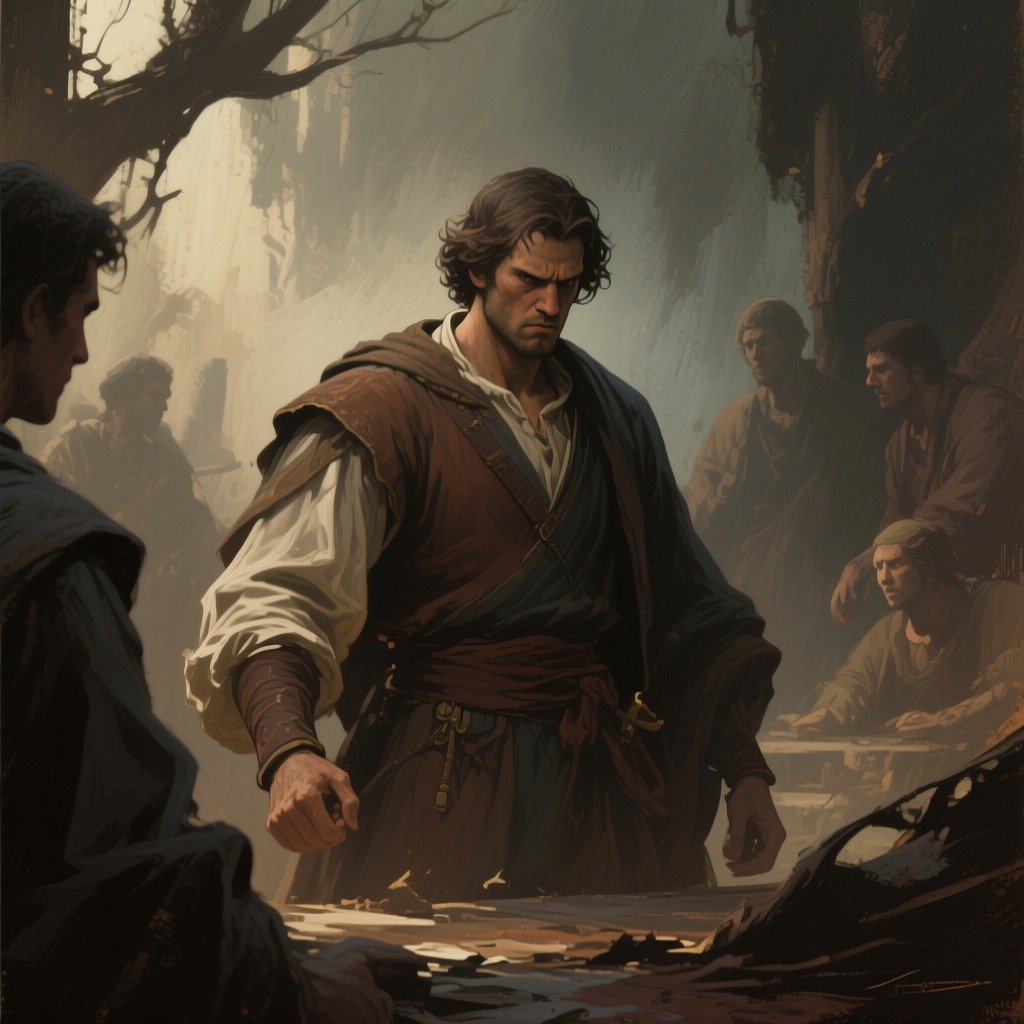
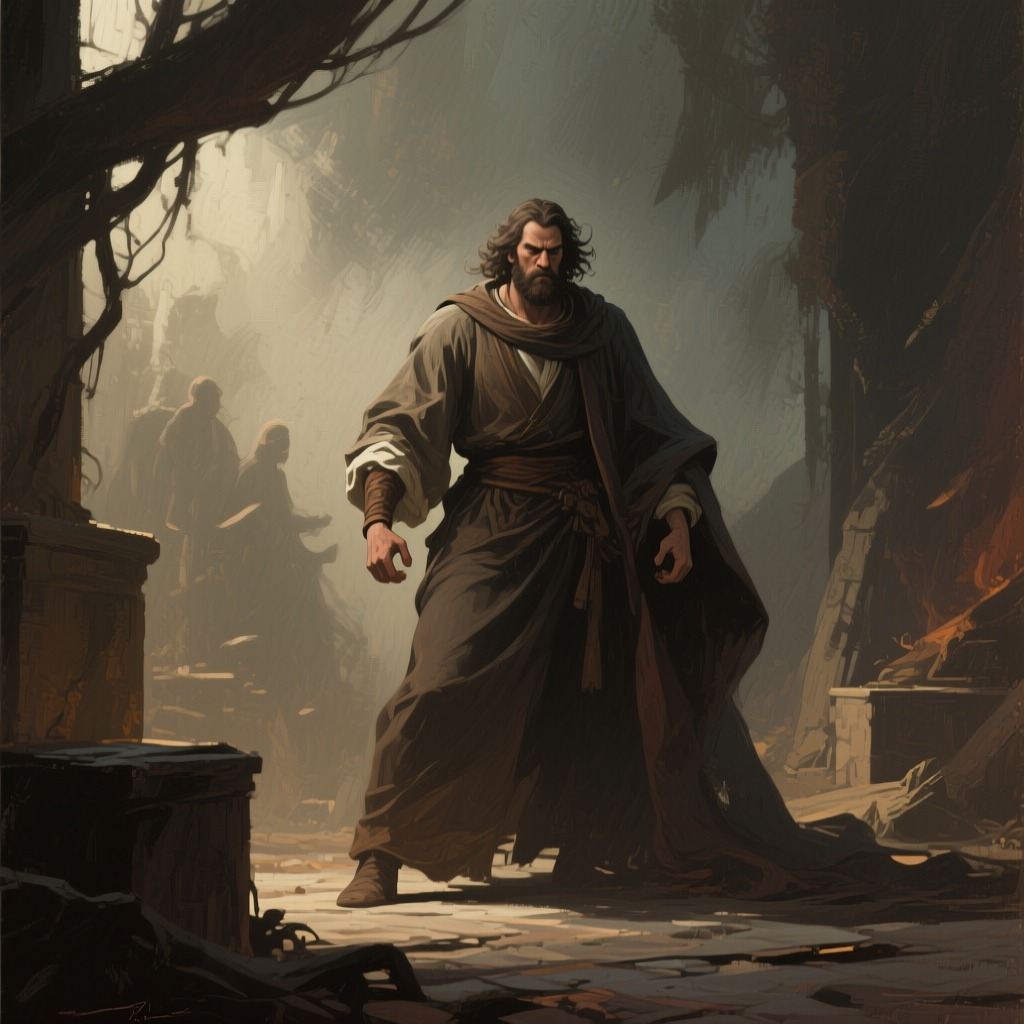
Sandor Clegane, called the Hound, is one of the most feared and enigmatic figures in the Seven Kingdoms. A massive, scarred man who serves as Prince Joffrey Baratheon's sworn shield, he is defined by the fire that disfigured his face as a child and by his profound contempt for the chivalric ideals of knighthood. Despite his terrifying appearance and brutal reputation, his actions throughout the early conflicts of the realm reveal a character driven by a harsh personal code, a deep-seated loathing for his monstrous brother, and a surprising, if reluctant, capacity for a grim kind of honesty and even protection.
Identity and the Scars of the Past
Sandor Clegane is the younger brother of Ser Gregor Clegane, the Mountain That Rides. His most defining feature is the ruin of his face, the left side of which is a mass of twisted scar tissue, with his ear burned away and bone visible near his jaw. He was given the nickname "the Hound" for his fierce loyalty and his dog's-head helm. He explains the origin of his scars to Sansa Stark one night after the Hand's tourney: when he was six or seven years old, he took a wooden toy knight belonging to his older brother Gregor. In retaliation, Gregor, then a squire of nearly six feet, shoved the side of Sandor's face into a burning brazier and held him there while he screamed. It took three grown men to drag him off. Their father told everyone the boy's bedding had caught fire. Four years later, Gregor was anointed with the seven oils and knighted by Prince Rhaegar Targaryen. This formative experience instilled in Sandor a lifelong hatred of his brother and a deep, abiding scorn for the institution of knighthood, which he sees as a hollow sham that protects monsters like Gregor.
Role and Brutal Pragmatism
Sandor serves as the personal sworn shield to Prince Joffrey Baratheon, a position that places him at the heart of the Lannister power structure. He is a brutally effective fighter, known for his immense strength and skill with a sword. At the Hand's tourney, he rides down opponents with ferocious style, ultimately becoming the champion after Ser Loras Tyrell yields to him. His pragmatism is starkly evident in his actions. When Arya Stark's friend Mycah, the butcher's boy, is hunted down after the incident on the Trident, it is Sandor who finds him and kills him, later presenting the body to Eddard Stark with the cold remark, "He ran. But not very fast." He shows no remorse, viewing the act as a simple, necessary task. This same pragmatism leads him to accept a place in the Kingsguard after Ser Barristan Selmy is dismissed, though he pointedly refuses to say the knightly vows, declaring, "I'll say no knight's vows."
Relationships and Conflict
Sandor's relationships are defined by his cynicism and his role as an enforcer. He is openly contemptuous of his charge, Prince Joffrey, and does not hesitate to mock him or even strike him when the boy's behavior warrants it, as when he slaps Joffrey for failing to offer condolences to the Starks after Bran's fall. He warns Sansa Stark to "save yourself some pain, girl, and give him what he wants," a piece of advice born from his own understanding of power. His relationship with his brother, Gregor, is one of pure loathing. At the tourney, when Gregor attempts to kill the unhorsed Loras Tyrell, Sandor is the one who steps in to stop him, engaging his brother in a furious duel. He fights with a controlled fury, never aiming a cut at Gregor's unprotected face, a detail that speaks to a deep, personal vendetta. He later tells Sansa the story of his burning, concluding with the bitter observation that his brother, a true monster, was made a knight.
Change and a Glimmer of Honor
Despite his brutal exterior, Sandor Clegane displays moments of unexpected complexity. After the feast following the tourney, he escorts Sansa back to the Red Keep. In a dark field, he forces her to look at his burned face, then tells her the story of how he got it. He is not seeking pity but rather a raw, honest acknowledgment of the world's cruelty. When Sansa, having heard his story, whispers, "He was no true knight," the Hound throws back his head and roars with laughter, a sound of bitter vindication. He then threatens to kill her if she ever tells anyone what he has said, but the very act of sharing his trauma suggests a need for a witness to his truth. This duality is further shown when he later finds Sansa on the battlements after her father's execution. He wipes the blood from her split lip with a surprising delicacy, a small, almost gentle act from a man who has just been complicit in the terror she is enduring.
Narrative Role and Thematic Significance
Sandor Clegane functions as a dark, cynical foil to the world of chivalry and honor that characters like Sansa Stark initially believe in. He is the living embodiment of the brutal reality that lies beneath the songs and stories. His presence forces other characters—and the reader—to confront the hypocrisy of a system that can knight a monster like Gregor while a man like Sandor, who has suffered at his hands, is dismissed as a mere dog. He represents a form of grim integrity: he does not pretend to be what he is not. He is a killer, a bully, and a cynic, but he is also a man who has been profoundly wronged and who, in his own way, seeks a kind of brutal justice. His story is a testament to the idea that in a world of broken oaths and false knights, the only honor left might be in refusing to lie about what you are.