Tywin Lannister
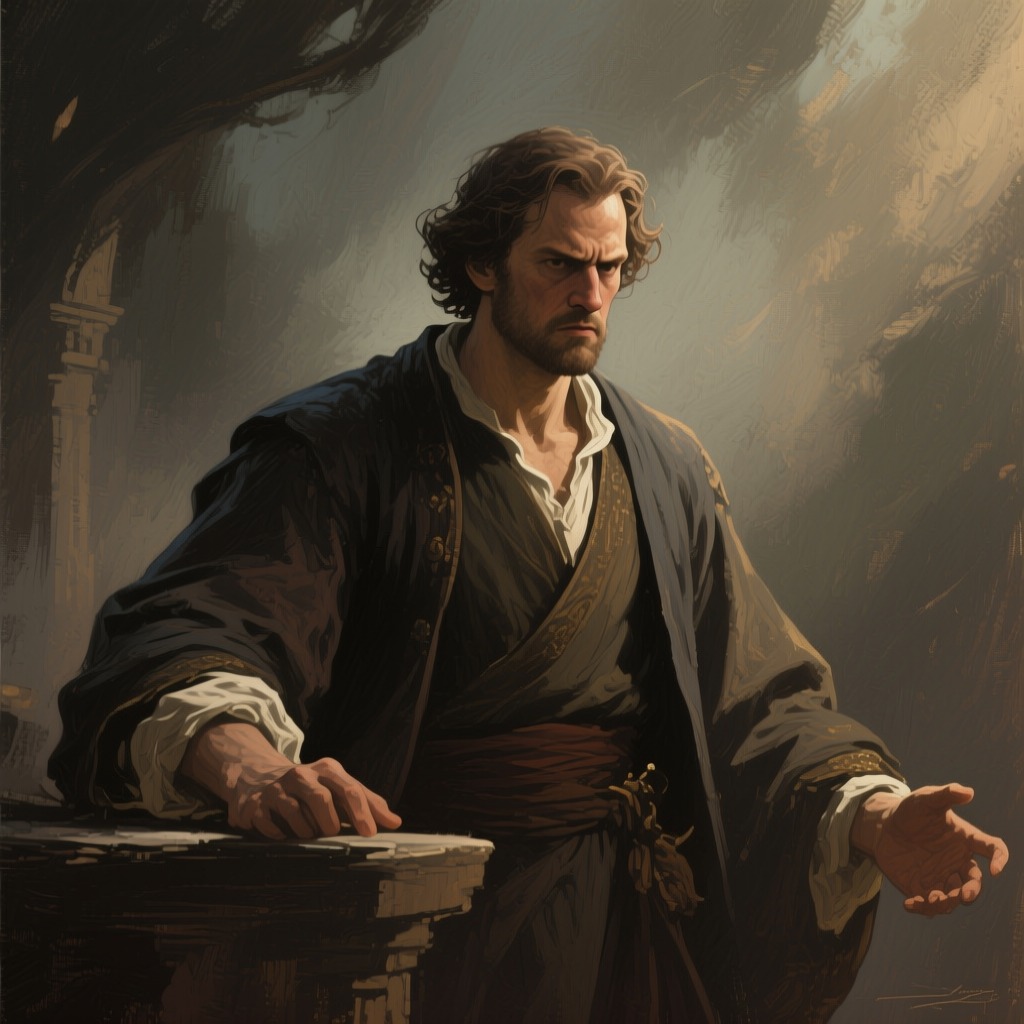
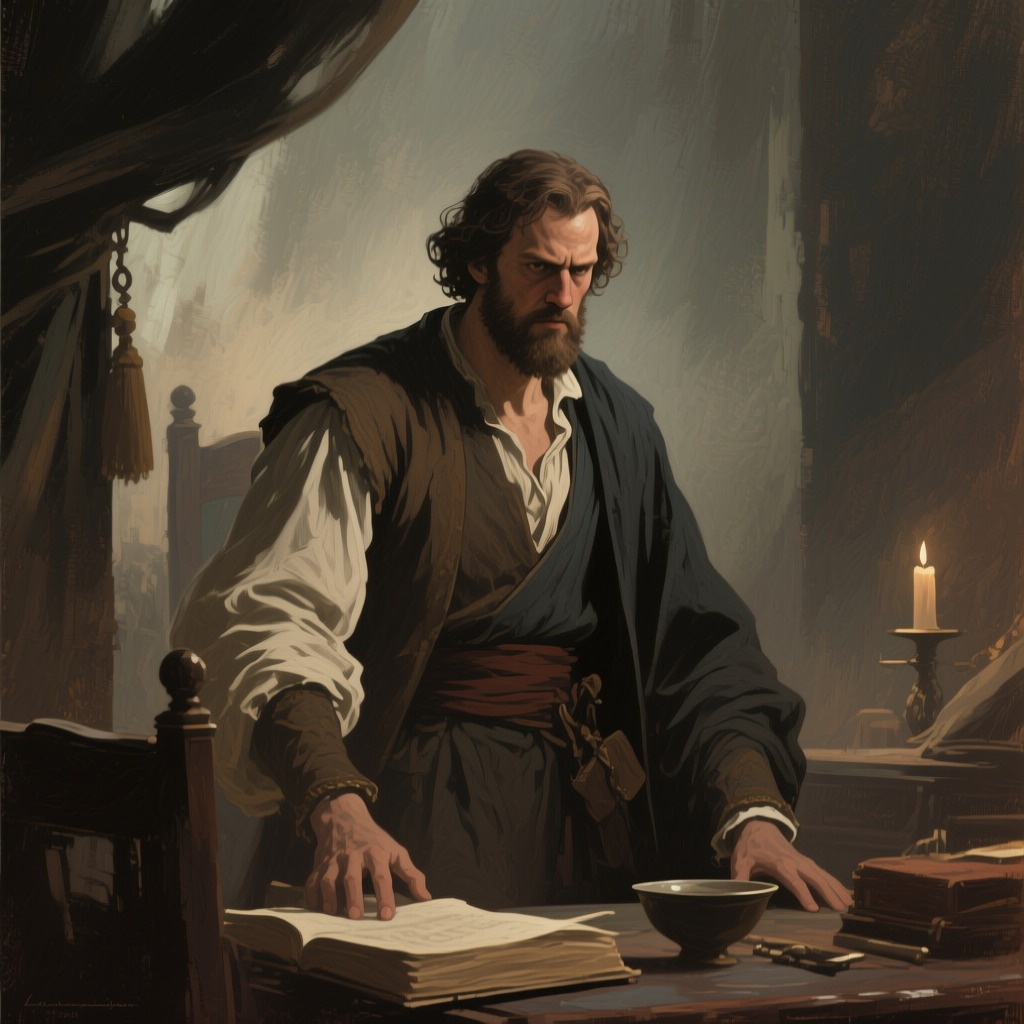
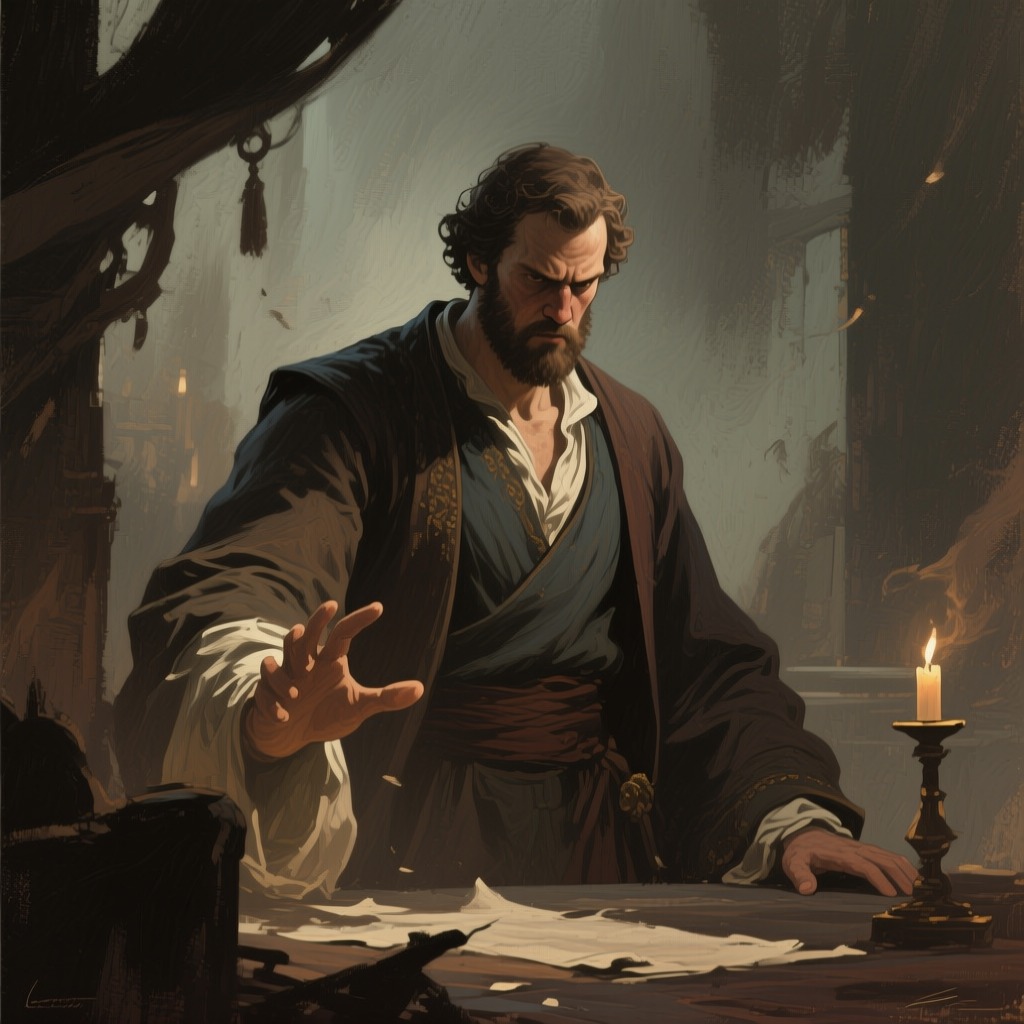
Lord Tywin Lannister, the head of House Lannister, is the wealthiest and most formidable lord in the Seven Kingdoms. As Warden of the West and Lord of Casterly Rock, he commands the gold of the richest mines in the realm and the loyalty of a vast army. His reputation for cold, calculating ruthlessness precedes him; he is a man who believes that the honor of his House must be defended at any cost, and that weakness is an unforgivable sin. His physical presence is as imposing as his political power: tall, clean-shaven, with a flat stomach and corded muscle even in his middle fifties, his once-thick golden hair now shaved, leaving only great thickets of wiry golden sidewhiskers. His eyes are a pale green flecked with gold, and he rarely smiles. He is a man who does not believe in half measures, a trait he applies to war, politics, and family alike.
Rise to Power and the Primacy of House Lannister
Tywin Lannister served as Hand of the King for twenty years under Aerys II Targaryen, a period during which he effectively ruled the realm and restored the crown's authority after the king's descent into madness. He is the father of three children: the twins Cersei and Jaime, and the dwarf Tyrion, whom he despises. His relationship with his children is defined by a cold, transactional view of family. He sees Cersei as a political asset, Jaime as a failed heir, and Tyrion as a source of shame. His primary motivation is the preservation and elevation of House Lannister's power and prestige. He is deeply offended by any slight against his family's honor, a principle that drives him to war when his son Tyrion is captured by Catelyn Stark. He declares, "The honor of our House was at stake. I had no choice but to ride. No man sheds Lannister blood with impunity." This is not a matter of personal affection for Tyrion, whom he has little love for, but a matter of principle: the Lannister name must be feared and respected.
The War of the Five Kings: Strategy and Brutality
When war breaks out after the execution of Eddard Stark, Tywin Lannister commands the largest and most disciplined army in the realm. He is a master of strategy, preferring to let his enemies make mistakes rather than committing to rash action. He places his least disciplined men, including his own son Tyrion and the mountain clans, on the left flank of his army at the Battle of the Green Fork, anticipating they will break and lure the young Robb Stark into a trap. The plan fails when Robb Stark proves more cautious than expected, but Tywin accepts the victory nonetheless. He is not above using brutal terror as a weapon. He unleashes Ser Gregor Clegane, Vargo Hoat, and Ser Amory Lorch to burn and pillage the riverlands, declaring, "I want to see the riverlands afire from the Gods Eye to the Red Fork." This scorched-earth tactic is designed to deny resources to his enemies and to cow the population into submission. He is a man who believes in overwhelming force and the strategic value of fear.
The Loss of Jaime and the Burden of Legacy
The capture of his son and heir, Jaime Lannister, at the Battle of the Whispering Wood is a devastating blow to Tywin. When the news arrives, he is uncharacteristically silent, his wine untouched, and he repeats the phrase, "They have my son." This moment reveals a crack in his iron facade. He is not merely losing a military commander; he is losing the son he had groomed to carry on the Lannister legacy. This loss forces him to confront the possibility that his line may end with the despised Tyrion. In a moment of cold pragmatism, he decides to send Tyrion to King's Landing to serve as Hand of the King, a role he had never before entrusted to his dwarf son. He tells Tyrion, "You are my son," a statement that carries the weight of a grim necessity rather than affection. He is choosing the only remaining tool he has to salvage his family's position.
The Patriarch's Judgment and the Game of Thrones
Tywin Lannister is a master of the game of thrones, viewing it as a contest of power, not morality. He is deeply critical of the decisions made by his grandson, King Joffrey, and the small council in King's Landing. He condemns the execution of Eddard Stark as "Madness. Rank madness," recognizing that a living Stark could have been used to forge a peace. He is equally contemptuous of the appointment of Janos Slynt to Lord of Harrenhal, the dismissal of Barristan Selmy, and the elevation of Sandor Clegane to the Kingsguard. He sees these as the follies of a boy king and a weak council, and he sends Tyrion to court with the command to curb Joffrey's excesses and to deal with any councillors who are playing false. He is a man who believes in order, discipline, and the proper exercise of power, and he will not see his family's hard-won position squandered by incompetence. His final command to Tyrion before sending him south is a stark reminder of his priorities: "You will not take the whore to court." Even in the midst of a war, the appearance of propriety and the dignity of House Lannister must be maintained.