Leonard Etherington
CurtainLeonard Etherington is a drug-taking and drinking husband whose death by arsenical poisoning becomes the subject of a murder trial against his wife. His unpleasant character and her unhappy marriage shape the jury’s sympathy, but the circumstantial case leaves a lasting shadow even after her acquittal.
Identity and Marriage
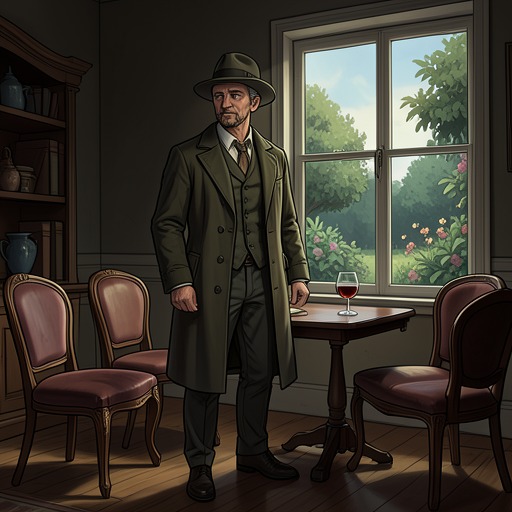
Etherington is described as a peculiar and sadistic man with habits of taking drugs and drinking. His wife is young and attractive, and is said to be desperately unhappy with him. The account presents the marriage chiefly through this contrast: his conduct and character, and the misery she experiences in the relationship.
Death and Investigation
Etherington appears to die of food poisoning, but the doctor attending the case is not satisfied with that explanation. An autopsy establishes that he died from arsenical poisoning. Weed killer is found in the house, though it had been ordered long before his death; the evidence does not establish who used it or when.
The Trial and Its Uncertainty
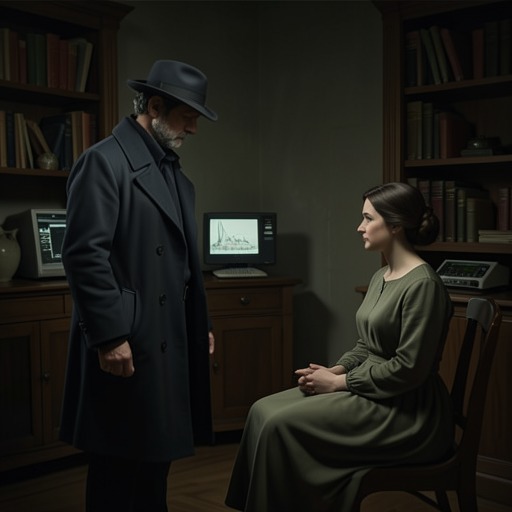
Etherington’s wife is arrested and charged with his murder. She had recently become friends with a man in the Civil Service who was returning to India. There is no suggestion of actual infidelity, but the two are described as having deep sympathy for one another. The man later becomes engaged to a woman he met on the voyage out, and a disputed point at trial is whether his letter telling Etherington’s wife of the engagement arrived before or after her husband’s death. She says it arrived beforehand.
The case against her is circumstantial: there is no other likely suspect, and an accident is considered highly unlikely. Yet sympathy for her is strong because of Etherington’s character and the treatment she had endured. The judge’s summing-up stresses that guilt must be established beyond any reasonable doubt, and the jury acquits her. The verdict resolves the legal question, but not the public suspicion: many people continue to believe her guilty.
Aftermath and Later Reference
The social consequences fall on Etherington’s acquitted wife. Friends and others cold-shoulder her, making her subsequent life very difficult. Two years after the trial, she dies after taking an overdose of sleeping draught; the inquest returns a verdict of accidental death.
Etherington’s case is later recalled in a conversation about him. When asked whether he knew Etherington, the interlocutor becomes wary, then remarks that Etherington took drugs but overdid them, and says his wife was lucky that the jury sympathized with her. This retrospective comment echoes the trial’s unresolved divide between a formal acquittal and persistent suspicion.