Thuvin
DingoThuvin, the narrator’s gardener, is the household’s recurring witness to the damage Dingo causes among its animals. He sees or reports the consequences, urges the narrator to recognize their seriousness, and persists even when dismissed. His role is not simply to accuse Dingo: the episodes distinguish what Thuvin has observed from what he infers, while showing how the narrator’s reluctance to accept his warnings lets the crisis escalate.
Identity and Place in the Household
Thuvin is identified as the gardener, a member of the household staff whose work brings him into contact with the garden and the animals kept there. The available episodes show him speaking directly to the narrator and caring enough about the property and its animals to report losses in detail. They provide no further account of his background, but his repeated appearances establish him as a familiar and persistent presence in the narrator’s domestic life.
That position gives Thuvin a practical vantage point. He can report the condition of the henhouse and the animals, and he is present when the narrator returns home. Yet his access to the scene does not mean that he witnesses every attack. The distinction matters especially in the episode involving the cats: Thuvin reports that Dingo has killed them, but the narrator recognizes that the gardener did not see the event itself. Thuvin’s statements therefore combine direct knowledge of the aftermath with firm conclusions about its cause.
Warning About the Cats
After returning from Paris, the narrator learns that his two cats have been killed. He immediately asks Thuvin about Miche, another animal associated with Dingo. The gardener answers that Dingo has played with Miche as usual and imagines the two of them together on the terrace, making mischief among the roses and clematis. His report separates Miche’s customary relationship with Dingo from the discovery of the dead cats; it does not, by itself, explain what happened to them.
The narrator considers whether the cats’ deaths might have arisen from a conflict involving Miche and whether Dingo might even have acted in her defense. He also notes that Thuvin had not seen the killing. But Thuvin is unwavering: he insists Dingo was responsible, going so far as to swear that he would stake his hand on it. The contrast is characteristic of the pair’s interactions. Thuvin treats the evidence as confirmation of what he has already warned about, while the narrator finds reasons to suspend judgment and avoid becoming too alarmed.
The Destroyed Henhouse
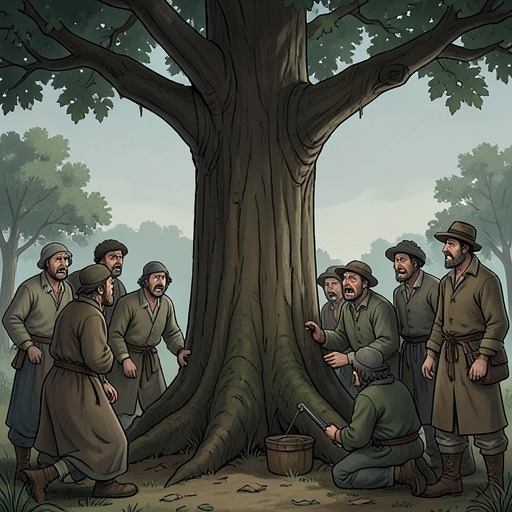
When the narrator returns from Paris another day, Thuvin is waiting outside his door, speaking animatedly to Cornélius Fiston, the rural guard. The narrator notices the gardener’s agitation but assumes that another of his familiar alarms will prove trivial. He rebukes him and supposes Dingo has merely urinated on the gladioli. Thuvin does not argue about the insult; he states, slowly and solemnly, that the henhouse has been destroyed.
At first the narrator questions whether the structure could have been entered. Thuvin replies that doors and walls are no obstacle to a dog like Dingo and says the narrator will see for himself. The sight confirms the scale of the loss: one hundred chickens are dead, and the henhouse has been left in disarray, with its feeders overturned, nesting boxes torn from their hooks, and wire fencing and perches broken. Thuvin has touched nothing. He waits until the narrator has taken in the scene, then points out that he wanted him to see Dingo’s work with his own eyes. The delay makes the evidence, rather than another warning alone, the center of the confrontation.
Even then, the narrator does not direct his anger at Dingo. He blames Thuvin and tells him to be more careful in future, then turns his back on the gardener. The response reverses the responsibility Thuvin is trying to make visible: the gardener has reported the destruction, but the narrator treats him as the person answerable for it. Thuvin’s demonstration has established the damage without securing the response he wants.
Further Losses and Narrative Role
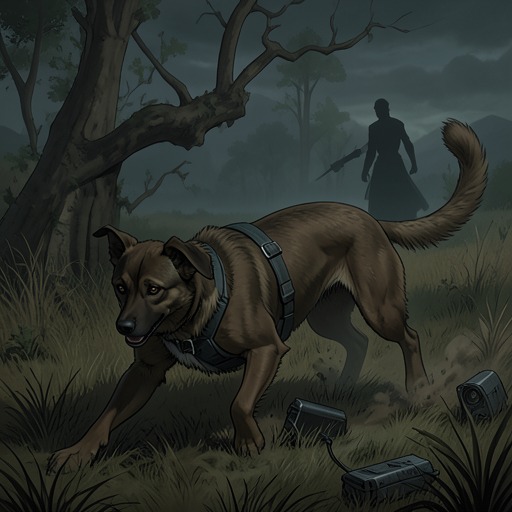
Dingo does not return to the house that evening. Thuvin learns that he has spent the night roaming around the fir trees where the turkeys had settled. Two days after the henhouse incident, the gardener approaches the narrator again, now visibly overcome with anger and grief. He reports that the turkeys and peacocks are gone, along with the small white Siberian rabbits the narrator had given him. His account extends the consequences beyond the chickens: animals kept around the household and garden have also been lost.
The narrator answers dismissively, asking what he can do about it. Nothing in these exchanges shows Thuvin changing his view or abandoning his warnings; instead, his return after each new loss makes his persistence part of the episode’s structure. First he reports a calamity, then leads the narrator to its evidence, and finally returns with the consequences of Dingo’s continued roaming. The narrator’s refusal to act or accept responsibility throws Thuvin’s practical concern into relief. He is the household’s alarm bell, but the warning is repeatedly treated as an annoyance until the damage is already plain.