James the Anabaptist
CandideJames the Anabaptist is a charitable Anabaptist merchant who repeatedly turns belief into practical help. He shelters Candide after witnessing his mistreatment, pays for Pangloss’s medical care, and later dies in a shipwreck after saving a sailor who had struck him. His actions expose the moral distance between active compassion and Pangloss’s claim that every misfortune serves the general good.
Identity and First Acts of Generosity
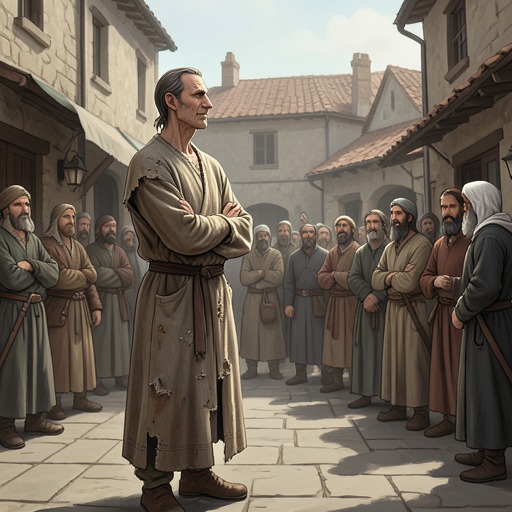
James is described as a good Anabaptist who has never been christened. When he sees Candide treated cruelly, he takes him home, cleans him, gives him bread and beer, and provides two florins. He also offers to teach Candide the manufacture of Persian stuffs made in Holland, extending help beyond immediate relief toward a livelihood.
Candide responds by comparing James’s generosity with the inhumanity he has just encountered. James’s kindness is thus introduced not as an abstract profession of faith but as a series of concrete acts: shelter, food, money, and instruction.
Help to Pangloss and Disagreement with Optimism
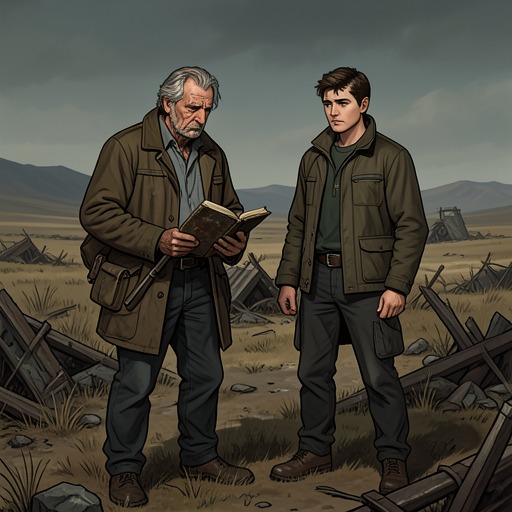
When Candide encounters Pangloss in severe distress, James again provides material assistance. Candide appeals to him on Pangloss’s behalf, and James takes the philosopher into his home and pays for his treatment. The cure leaves Pangloss having lost an eye and an ear. Recognizing Pangloss’s writing and arithmetic skills, James makes him his bookkeeper.
After two months, James takes Pangloss and Candide aboard his ship on a business journey to Lisbon. Pangloss explains that everything is constituted as well as it can be; James rejects that conclusion. He argues that people have become predatory despite not being born that way, and points to cannons and bayonets as human inventions made for mutual destruction. He also includes bankruptcies and the seizure of bankrupts’ property at creditors’ expense in his account of human injustice. Pangloss answers that private misfortunes contribute to the general good, making their exchange a direct contest between observed harm and philosophical justification.
Shipwreck and Death
During the voyage, a storm damages the vessel and throws the passengers into danger. James is on deck helping when a sailor strikes him, and the sailor falls overboard. James hauls the sailor back aboard, but the effort sends James into the sea. The sailor leaves him there, and Candide watches James surface briefly before disappearing beneath the water.
Candide is about to jump after his benefactor, but Pangloss prevents him, arguing that the Bay of Lisbon was made for James to drown in. The ship then founders. James is the only one of the three men who does not reach shore: the sailor swims to safety, while Candide and Pangloss are carried there on a plank. As they walk toward Lisbon, they lament James’s death.
Narrative Role
James’s repeated generosity gives the story a practical measure of goodness: he responds to vulnerability with food, money, care, work, and rescue. His argument with Pangloss makes their difference explicit, but the shipwreck turns that disagreement into action. James saves even the sailor who has harmed him; the sailor abandons James, while Pangloss turns the loss into evidence for his theory. James’s death therefore brings the consequences of the competing outlooks into stark contrast, without granting his own compassionate conduct protection from disaster.