Pococurante
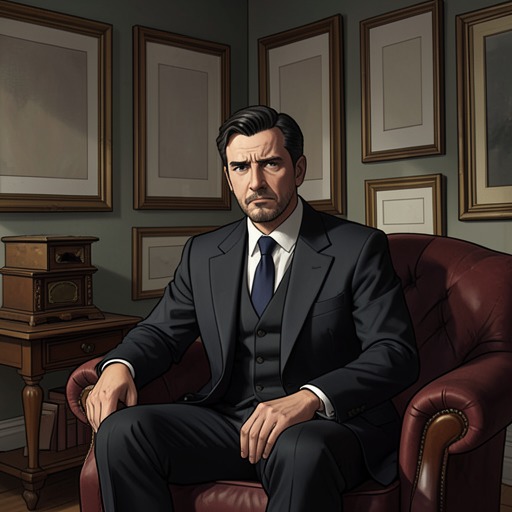
CandidePococurante, a wealthy Venetian nobleman, turns abundance into a catalogue of disappointments. During a visit from Candide and Martin, his indifference extends from the people around him to celebrated paintings, music, and his own garden. Candide initially reads his detachment as freedom from worldly concerns; Martin sees instead a man disgusted with what he possesses.
Identity and Introduction
Candide and Martin travel by gondola on the Brenta to Pococurante’s palace. Its carefully laid-out gardens are adorned with marble statues, and the building itself is beautifully constructed. Their host is sixty and very rich. He receives the travelers with polite indifference: Candide is slightly disconcerted, while Martin is not troubled by it. The contrast establishes Pococurante’s manner before he explains his opinions. He has the means to surround himself with beauty and comfort, but neither wealth nor hospitality produces evident enthusiasm.
Two neatly dressed young women serve the visitors exceptionally well-frothed chocolate, and Candide praises their beauty, grace, and skill. Pococurante says that he sometimes sleeps with them, but that even these companions are beginning to weary him. He also lists the qualities he dislikes in the women of the town: their coquettishness, jealousy, quarrels, moods, pettiness, pride, and follies, as well as the sonnets expected of their admirers. Intimacy, like the objects of his collection, has become another source of tedium.
Art, Music, and the Refusal of Pleasure
Walking through a long gallery after breakfast, Candide admires the paintings and asks who made the first two. They are by Raphael, whom Pococurante says he bought at a great price years earlier, partly from vanity. Although they are reputed to be Italy’s finest, he dislikes them: their colors seem too dark, their figures insufficiently rounded and in relief, and their draperies unlike real fabric. His standard is imitation of nature so convincing that a viewer seems to see nature itself. He owns many pictures but prizes them little, making the costly Raphaels a pointed measure of the distance between possession and appreciation.
While dinner is being prepared, Pococurante orders a concert. Candide finds the music delightful, but their host considers it tolerable only briefly and argues that difficulty of execution cannot sustain pleasure. He says he might enjoy opera more if it had not become a monster, objecting to tragedies whose scenes serve mainly to insert songs and display an actress’s voice. He also mocks the spectacle of an eunuch singing Caesar or Cato and strutting awkwardly onstage. In his view, these entertainments are among the glories of modern Italy, yet sovereigns pay dearly for them. His criticism reaches beyond a particular performance to the conventions and prestige surrounding it.
The Garden and the Visitors’ Disagreement
After they have surveyed the library, the party goes down into the garden, where Candide praises its beauties. Pococurante dismisses the whole arrangement as bad taste and says that after the next day he will have it replanted according to a nobler design. Even a garden already laid out with taste and adorned with fine statues is not a settled source of pleasure: it is something to reject and replace.
When the travelers take their leave, Candide tells Martin that Pococurante must be the happiest of mortals because he stands above everything he owns. Martin reverses the judgment. Pococurante, he observes, is disgusted with everything he possesses, and he recalls Plato’s comparison of poor stomachs that reject every kind of food. Candide then asks whether there is not pleasure in criticizing everything and finding faults where others see only beauties. The exchange leaves that question open; it does not establish that Pococurante’s dissatisfaction is itself a satisfying way to live.
Narrative Role and Significance
Pococurante’s visit makes a social and philosophical contrast visible through a series of concrete encounters. Candide responds to the women, pictures, music, and garden with spontaneous approval; Pococurante meets each with fatigue or correction. His wealth gives him access to celebrated art and costly entertainments, but it cannot guarantee delight in them. The distinction matters because Candide first mistakes detachment from possessions for happiness, while Martin interprets the same detachment as evidence of pervasive disgust.
The episode also gives Pococurante a consistent character principle: no prestige, expense, or accomplished performance can compel his admiration. His standards are not identical in every case—he wants painting to imitate nature, while he objects to music that prizes technical difficulty and opera that interrupts drama to display voices—but in each instance he refuses to accept reputation as a substitute for personal pleasure. His visit thus tests Candide’s quick judgments without resolving them into a simple lesson: discernment may uncover defects others overlook, yet habitual rejection can leave even a richly furnished life empty of enjoyment.