
The Platonic Love of Simonson for Maslova
ResurrectionExplores the unique, selfless love Simonson feels for Maslova, which is based on respect and a desire to serve rather than physical passion.
increasing Bearing strength in each event
 decreasing
Bearing strength in each eventdecreasingThe First Sight
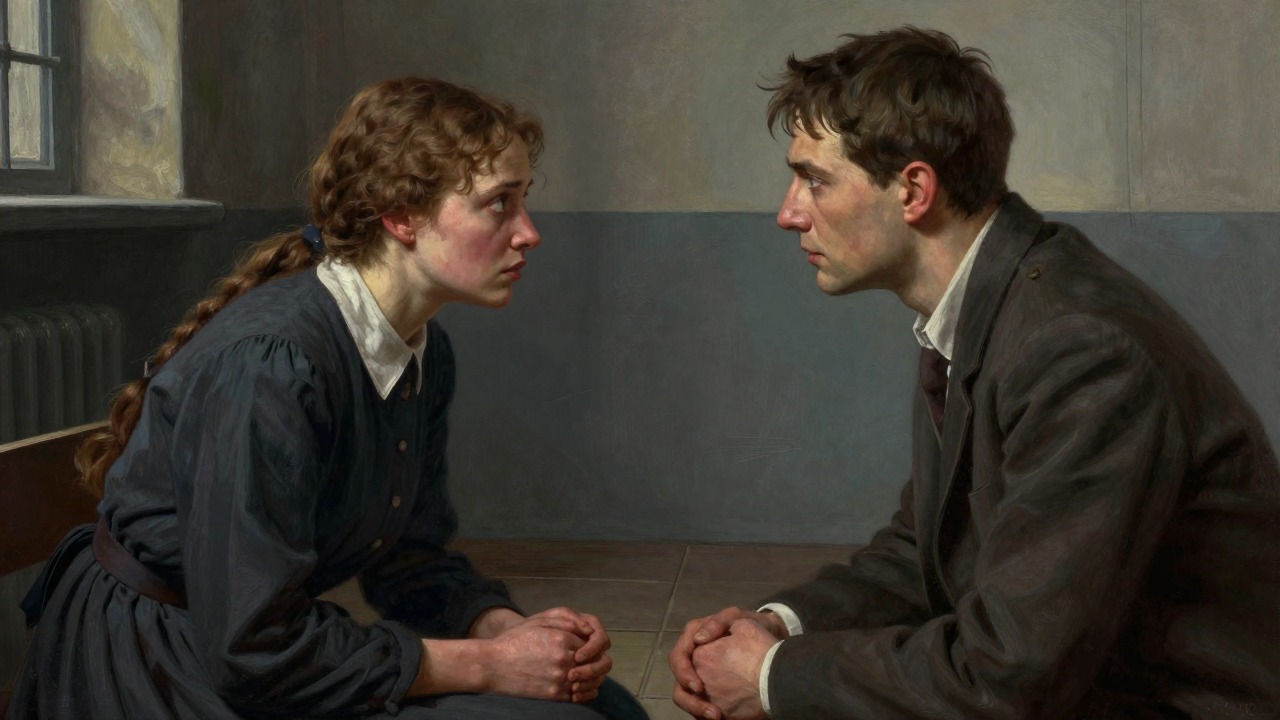
The First Sight
The Prison Setting
Simonson, a political prisoner, sees Maslova during a common visiting day. He is struck by her expression of readiness and her suffering. He notices her despite her prison garb.
The Unspoken Connection
Their eyes meet, and Maslova feels that this man is different. He looks at her not with lust but with kindness. She does not know his name, but she senses his sincerity.
The Seed of Love
From that moment, Simonson begins to think about Maslova. He is not a man who falls in love easily, but he feels a deep compassion for her. His love grows slowly, like a plant in the desert.
Walking Beside Her
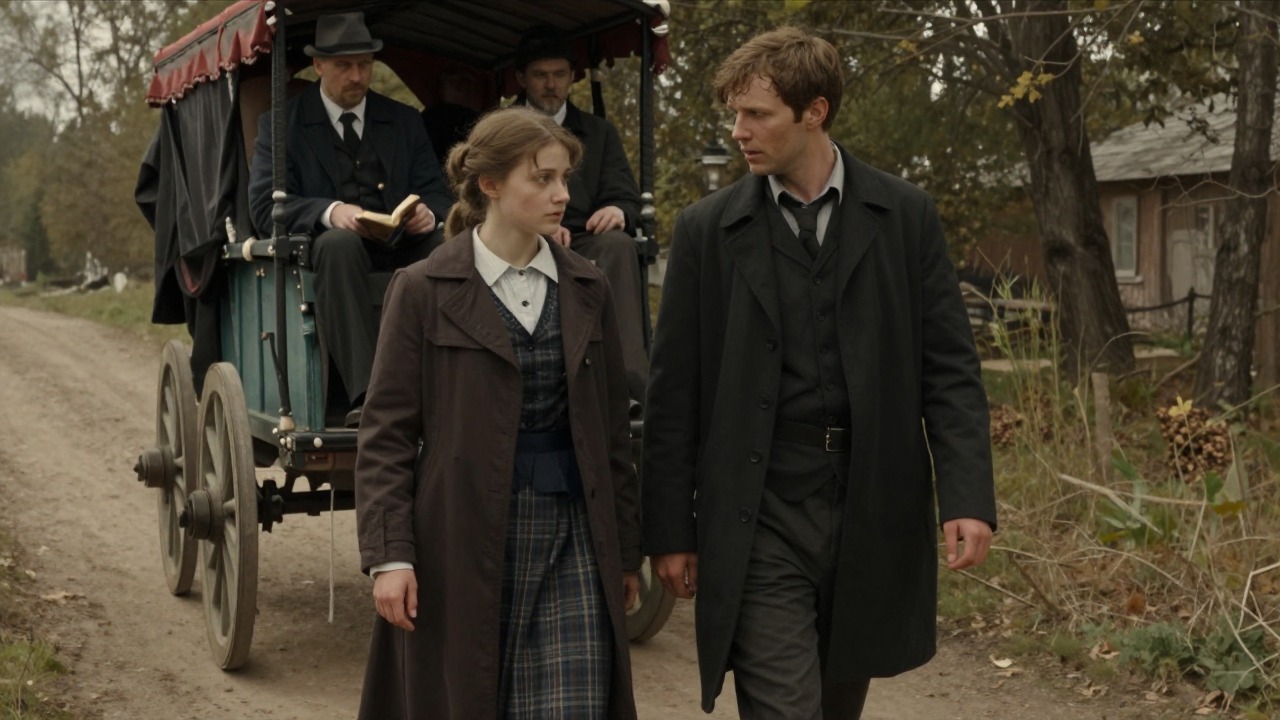
Walking Beside Her
The Sacrifice of Comfort
Simonson chooses to walk with the criminal convicts instead of riding in the cart with the politicals. He endures the dust and fatigue to be near Maslova. He does not speak much, but his presence is a comfort.
The Silent Support
Maslova notices his presence and feels protected. She is no longer subjected to harassment from the male convicts. Simonson's quiet strength creates a safe space around her.
The Growth of Affection
Without words, a bond forms between them. She begins to look forward to seeing him each day. His love is not demanding; it is a steady, reliable presence. This is a new kind of love for her, one that heals rather than wounds.
The Proposal
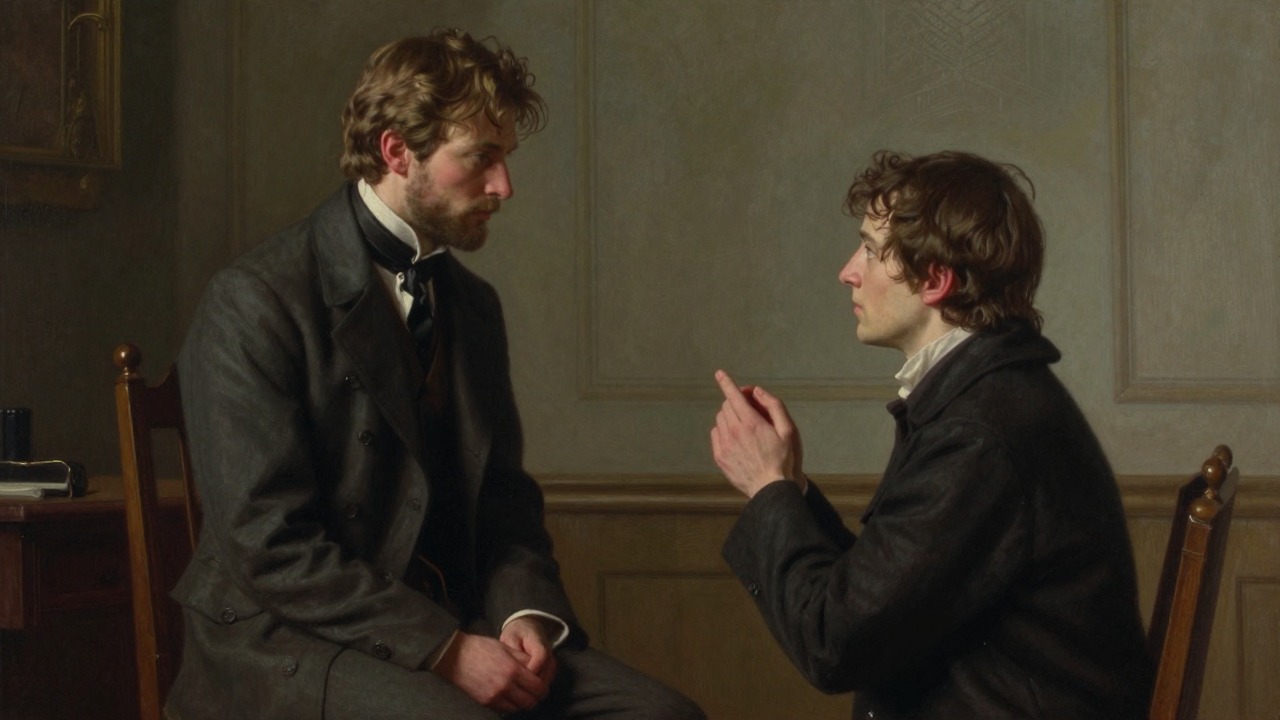
The Proposal
The Conversation with Nekhludoff
Simonson first asks Nekhludoff for permission to marry Maslova. He explains his feelings and his intentions. Nekhludoff gives his blessing, recognizing Simonson's purity.
The Proposal to Maslova
Simonson proposes to Maslova in a simple, direct manner. He tells her that he loves her and wants to spend his life with her. He does not speak of passion but of companionship and service.
The Acceptance
Maslova accepts, seeing in him a man who values her soul. Their union is not based on the past but on a shared future. It is a love that rises above the physical and embraces the spiritual.
During a visiting day in prison
During the march, after Tomsk
Near the end of the novel
