StoryFlow
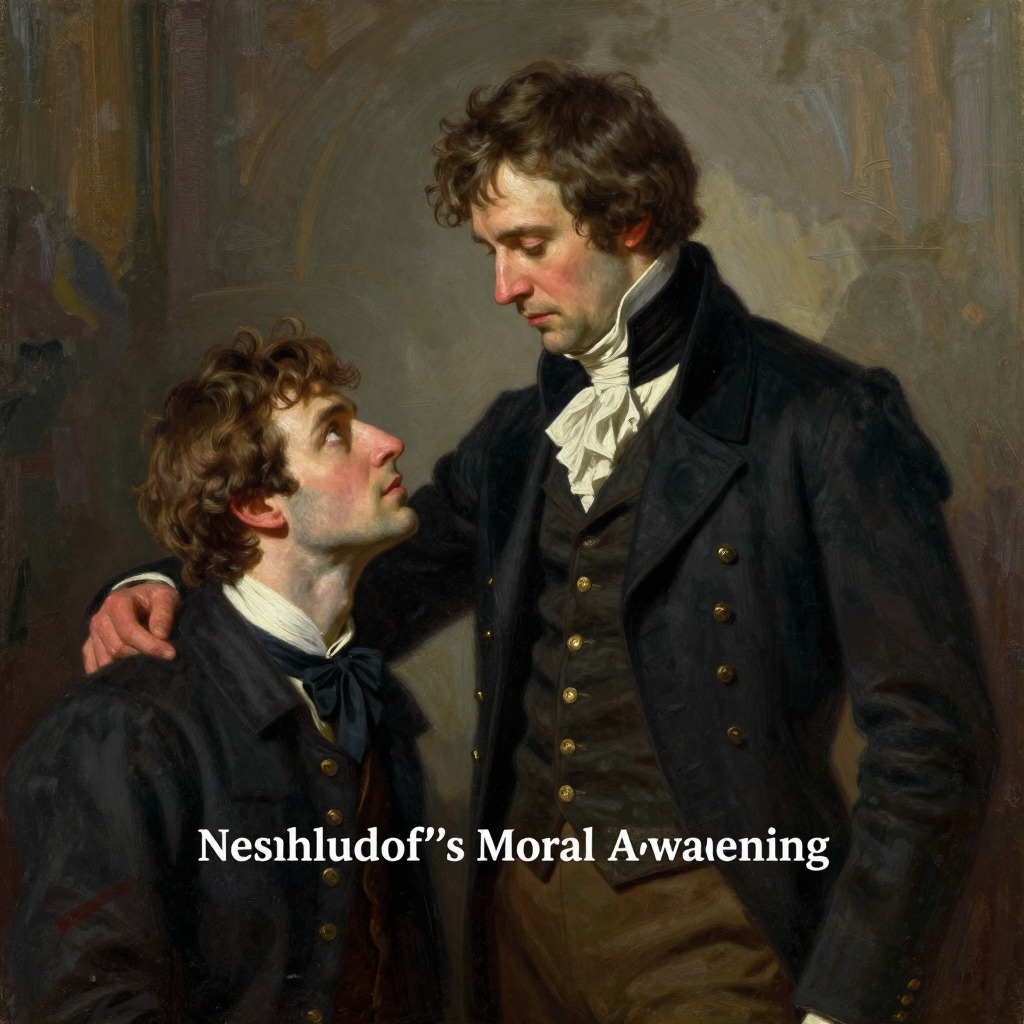
Nekhludoff's Moral Awakening and Redemption
Traces Prince Dmitri Nekhludoff's journey from a dissolute aristocrat to a man awakened by guilt and conscience, seeking to atone for his past sin against Katusha Maslova.
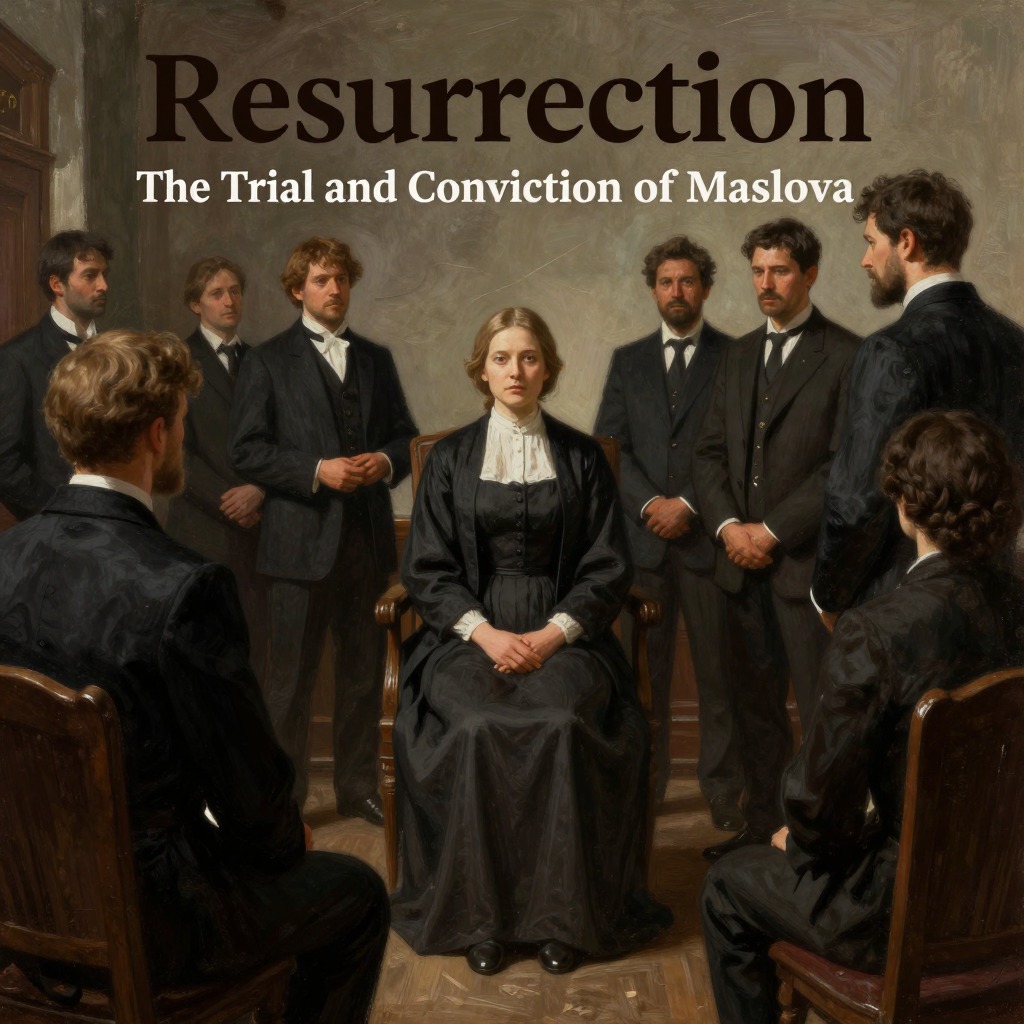
The Trial and Conviction of Maslova
Follows the judicial process that condemns an innocent woman to hard labor, exposing the absurdity and cruelty of the legal system.
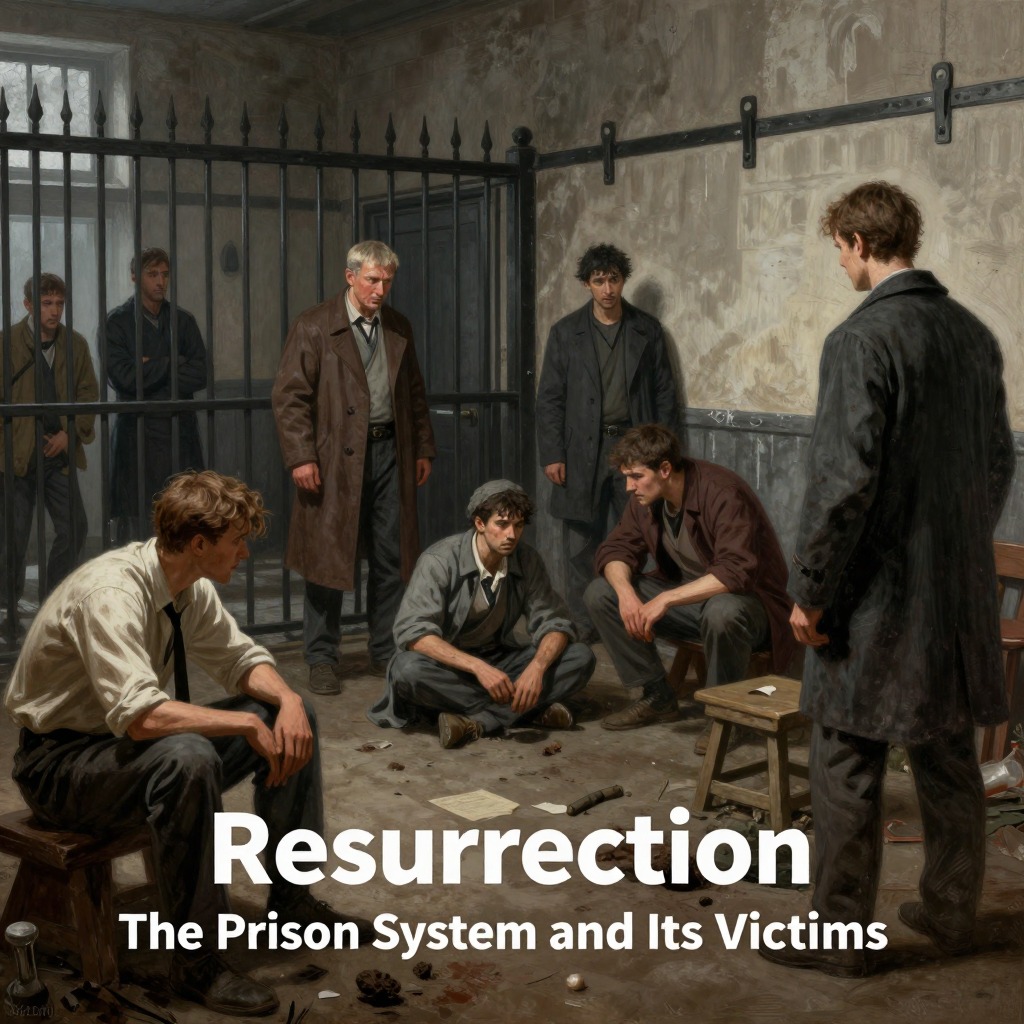
The Prison System and Its Victims
Explores the brutal conditions of the Russian prison system and the suffering of inmates, both criminal and political.
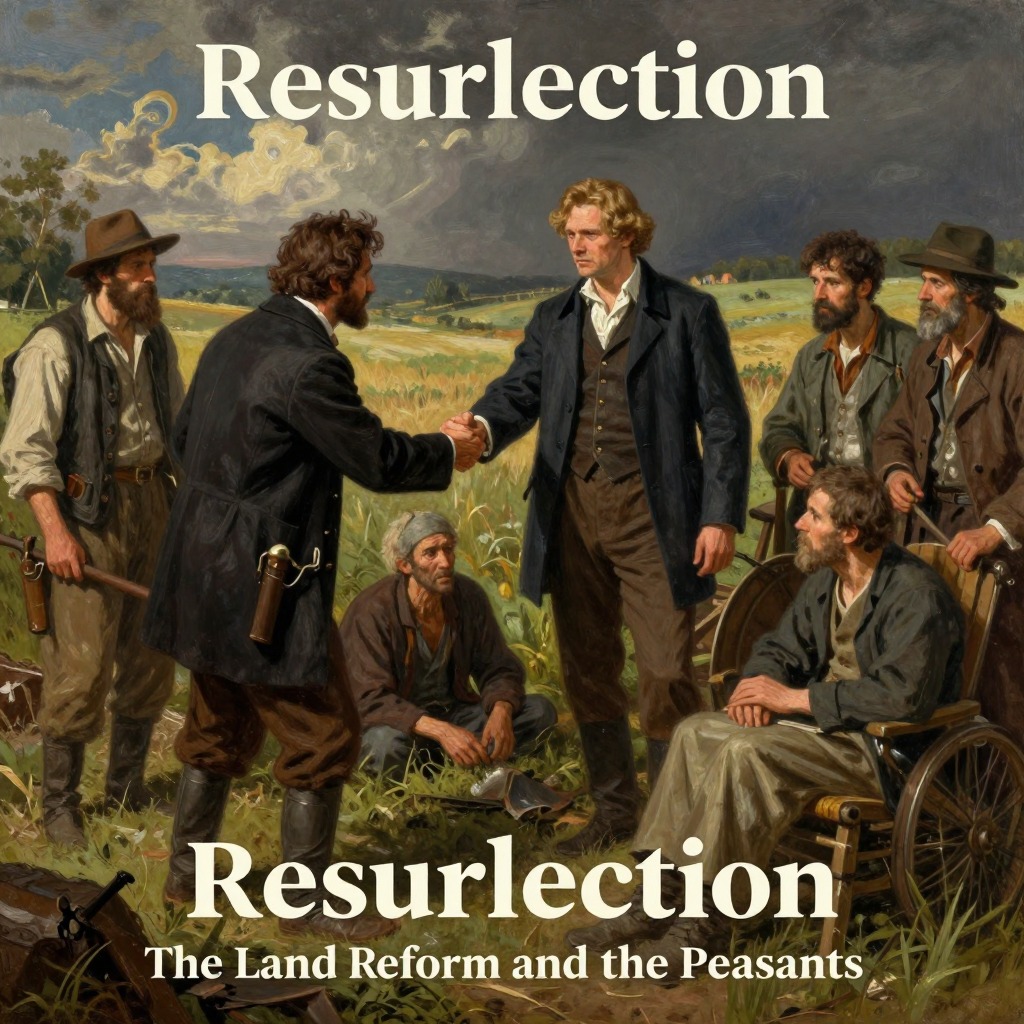
The Land Reform and the Peasants
Follows Nekhludoff's attempt to give his land to the peasants, encountering suspicion, poverty, and the deep-rooted injustices of the rural economy.
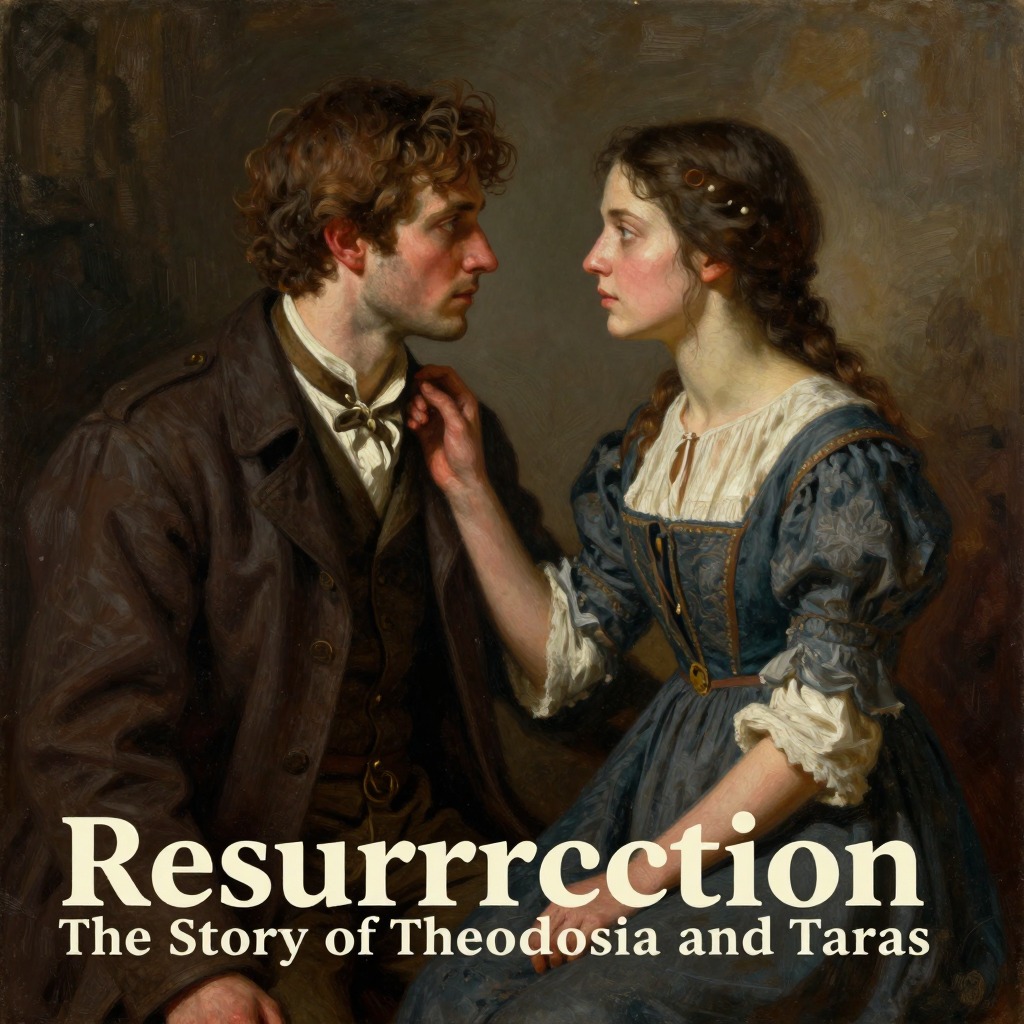
The Story of Theodosia and Taras
Traces the love story of a young peasant woman who attempted to poison her husband and was forgiven, leading to a deep bond that survives even exile.
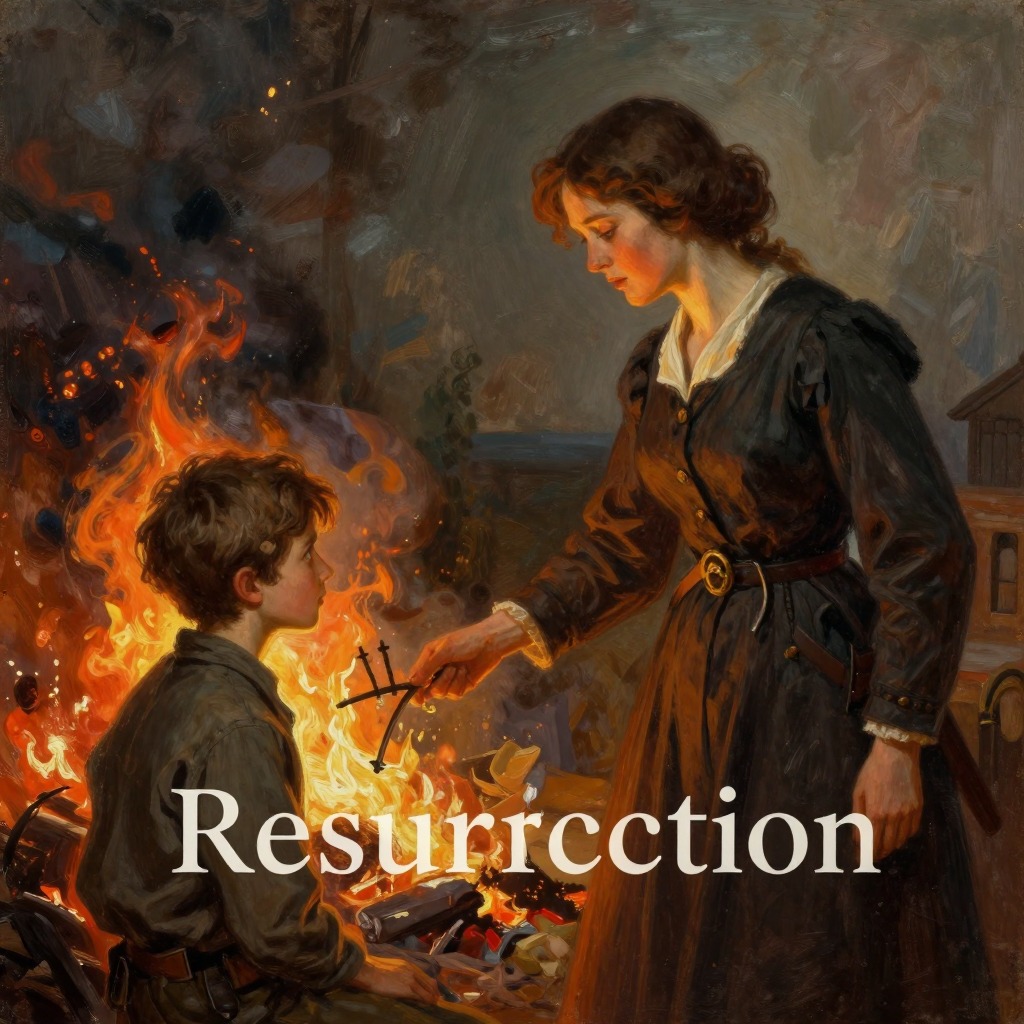
The Wrongful Incarceration of the Menshoffs
The story of a mother and son falsely accused of arson, illustrating the capriciousness of the legal system and the suffering of the innocent.
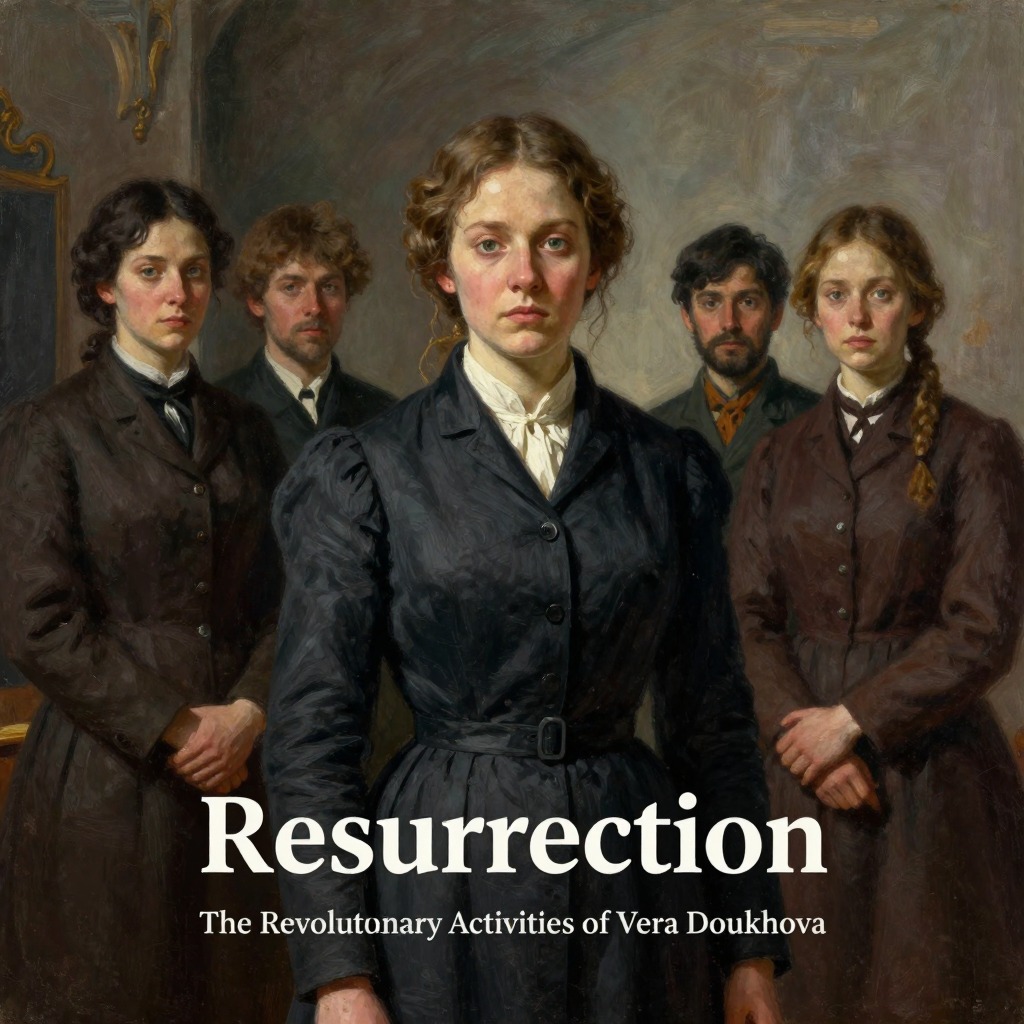
The Revolutionary Activities of Vera Doukhova
Chronicles the life of a schoolteacher turned revolutionary, her imprisonment, and her selfless dedication to the cause.
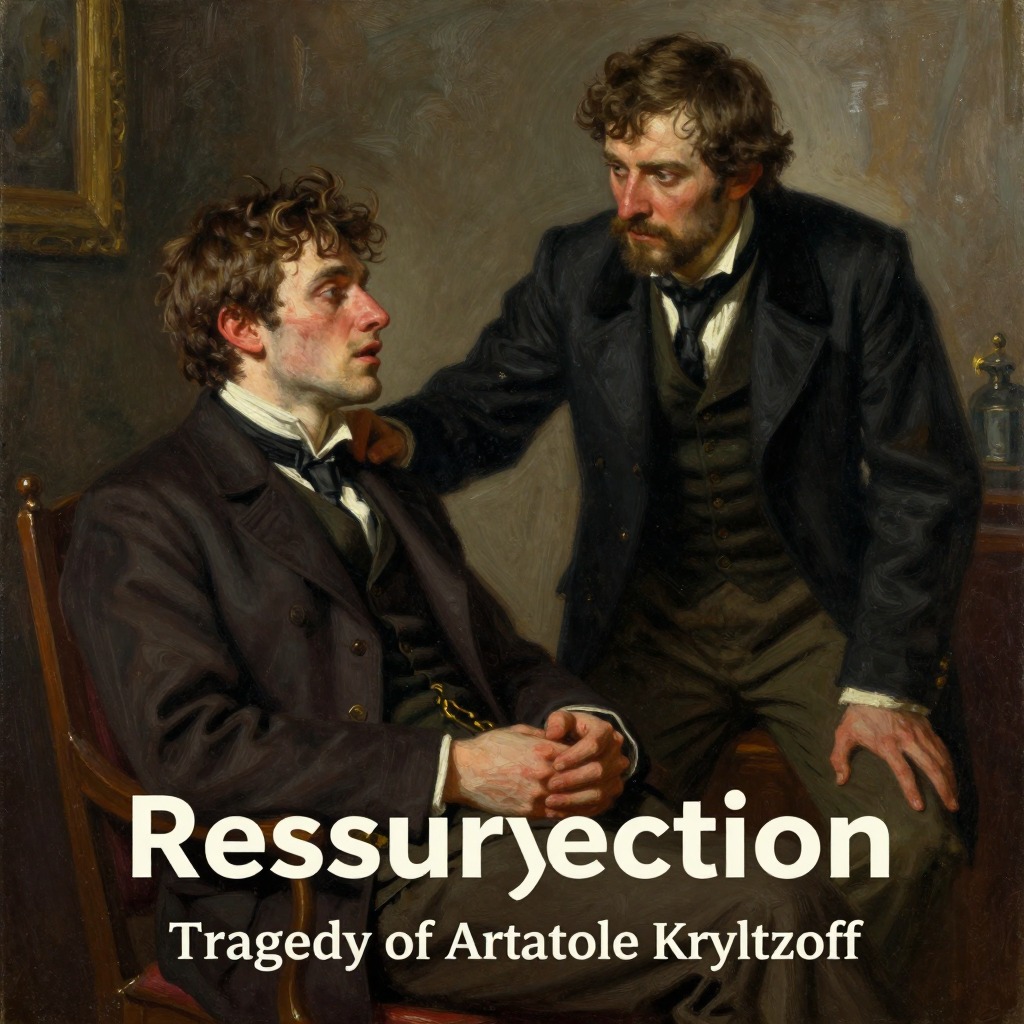
The Tragedy of Anatole Kryltzoff
The story of a young revolutionary condemned to hard labor, dying of consumption, whose past trauma of witnessing an execution fuels his hatred of the system.
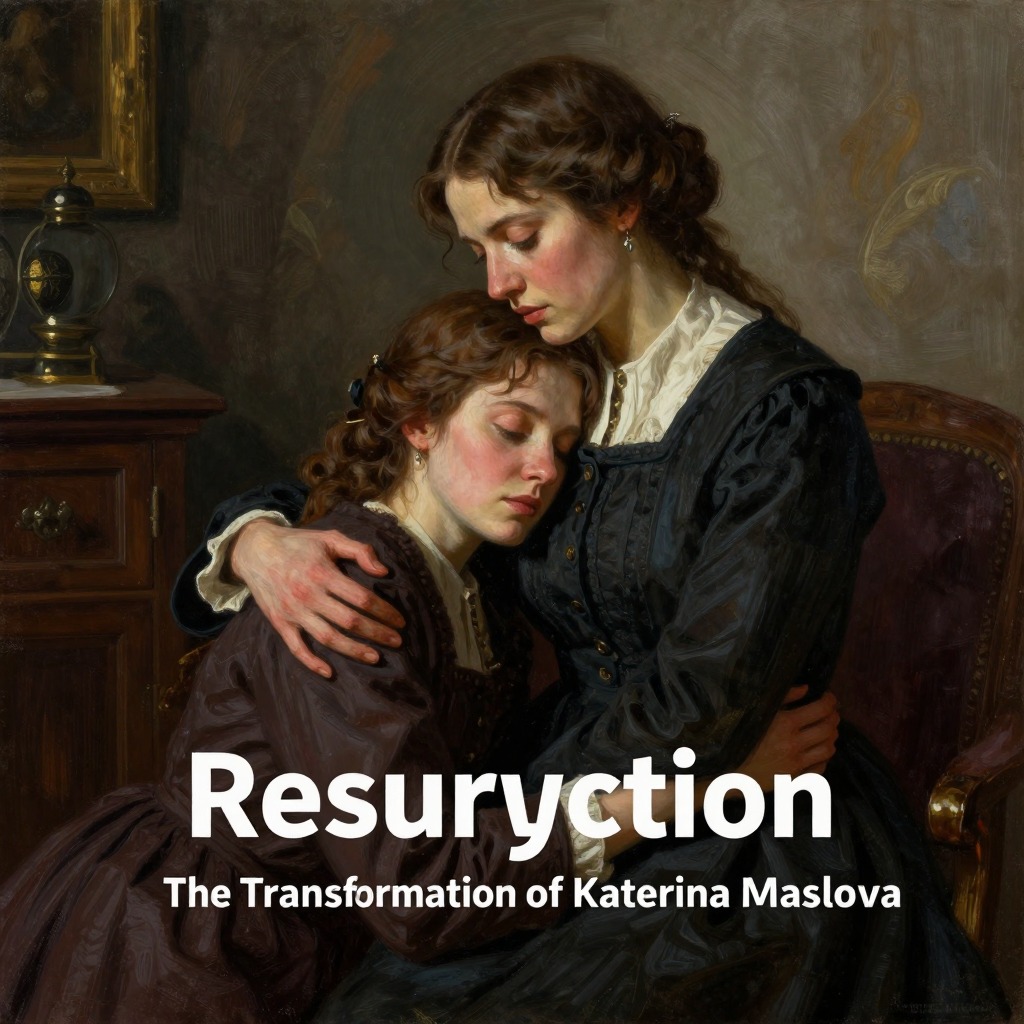
The Transformation of Katerina Maslova
Follows Maslova's journey from a broken prostitute and convict to a woman who finds inner peace and love through suffering and self-sacrifice.
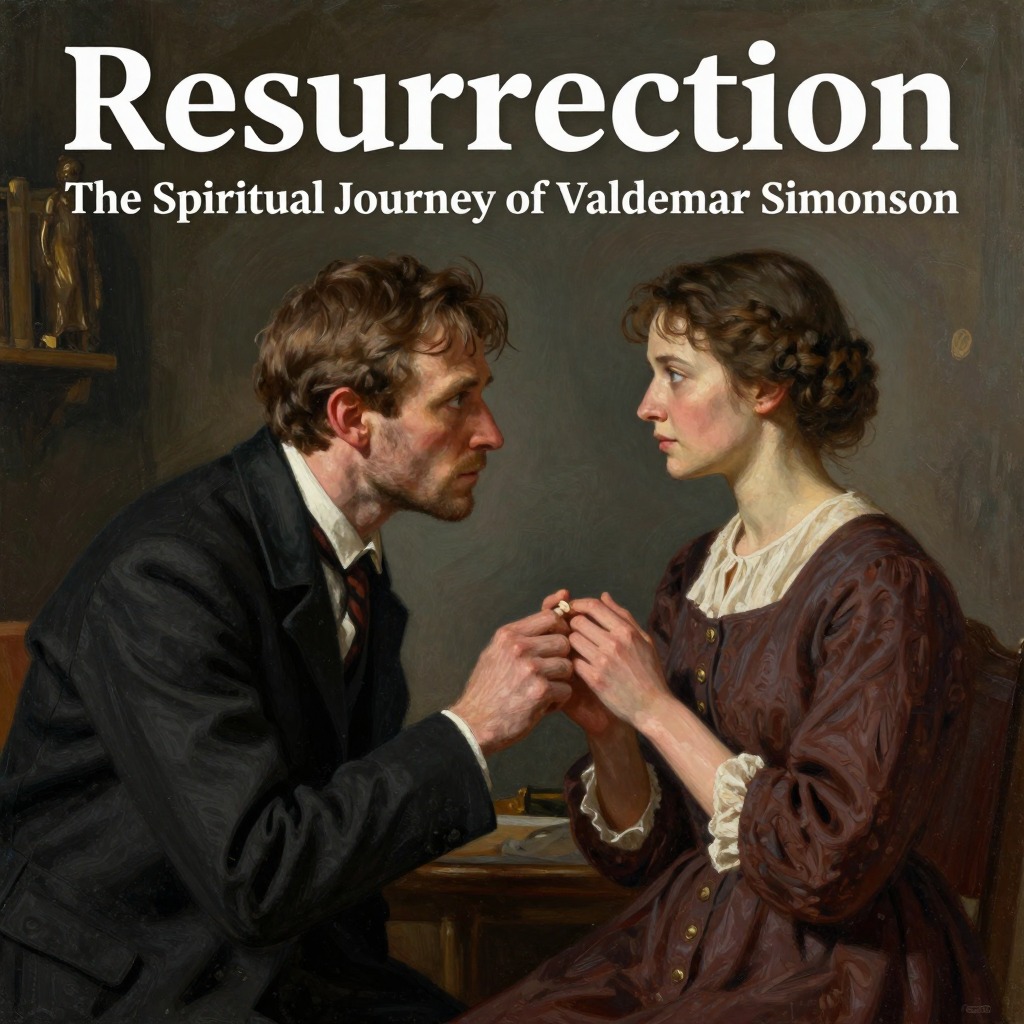
The Spiritual Journey of Valdemar Simonson
Portrays the unique philosophy and moral choices of Simonson, a political prisoner who lives by his own principles and finds love in Maslova.
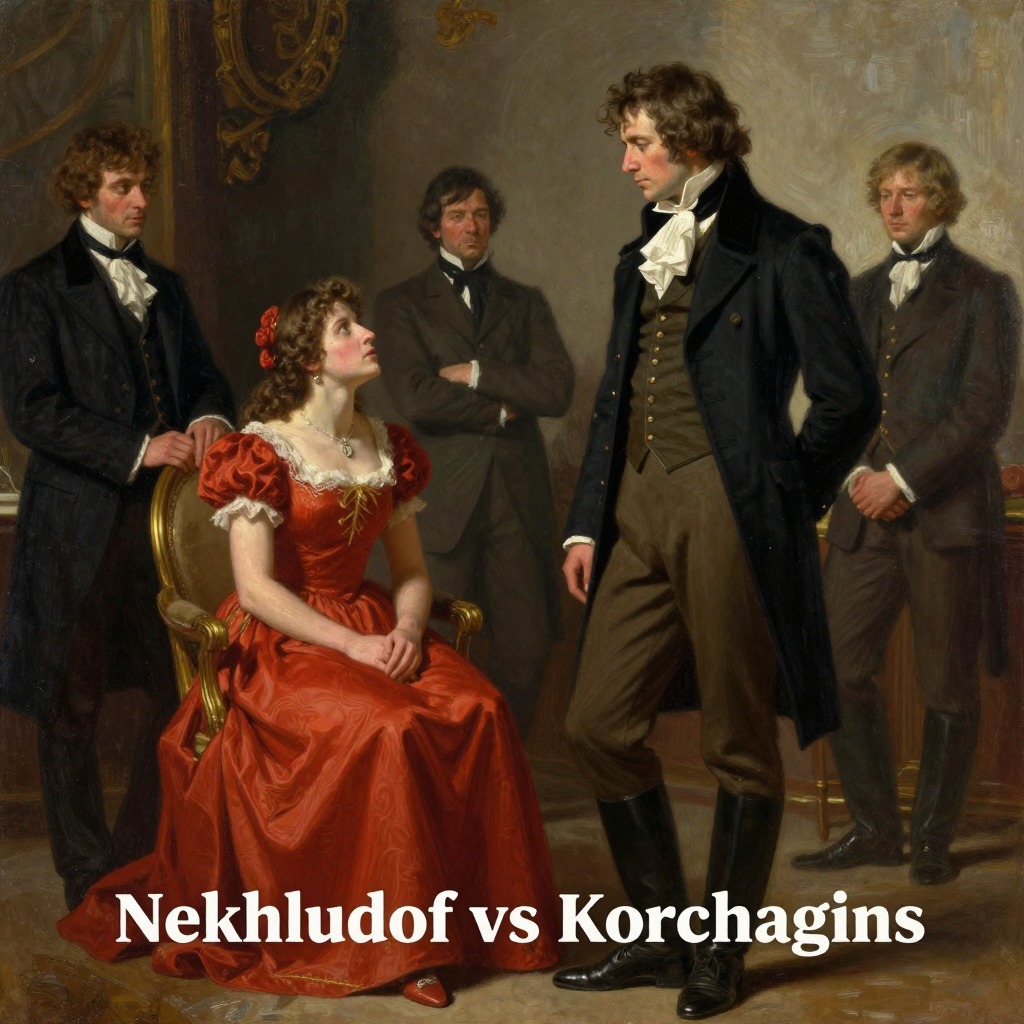
The Confrontation with the Aristocracy: Nekhludoff vs. Korchagins
Depicts Nekhludoff's growing alienation from the aristocratic world, culminating in his rejection of Missy and his break with the Korchagin family.
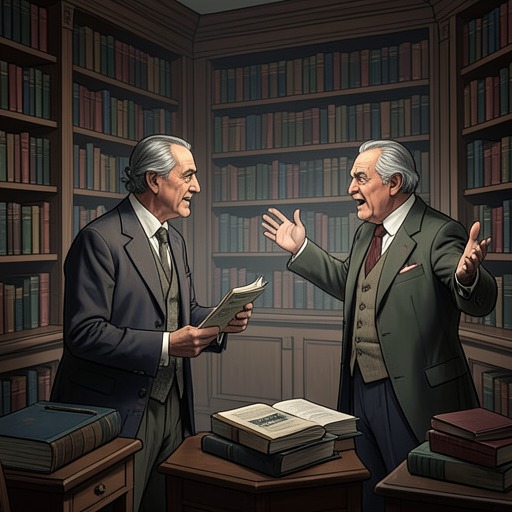
The Ideological Conflict: Nekhludoff vs. Rogozhinsky
The heated debate between Nekhludoff and his brother-in-law about land ownership, law, and morality, highlighting the clash between idealism and pragmatism.
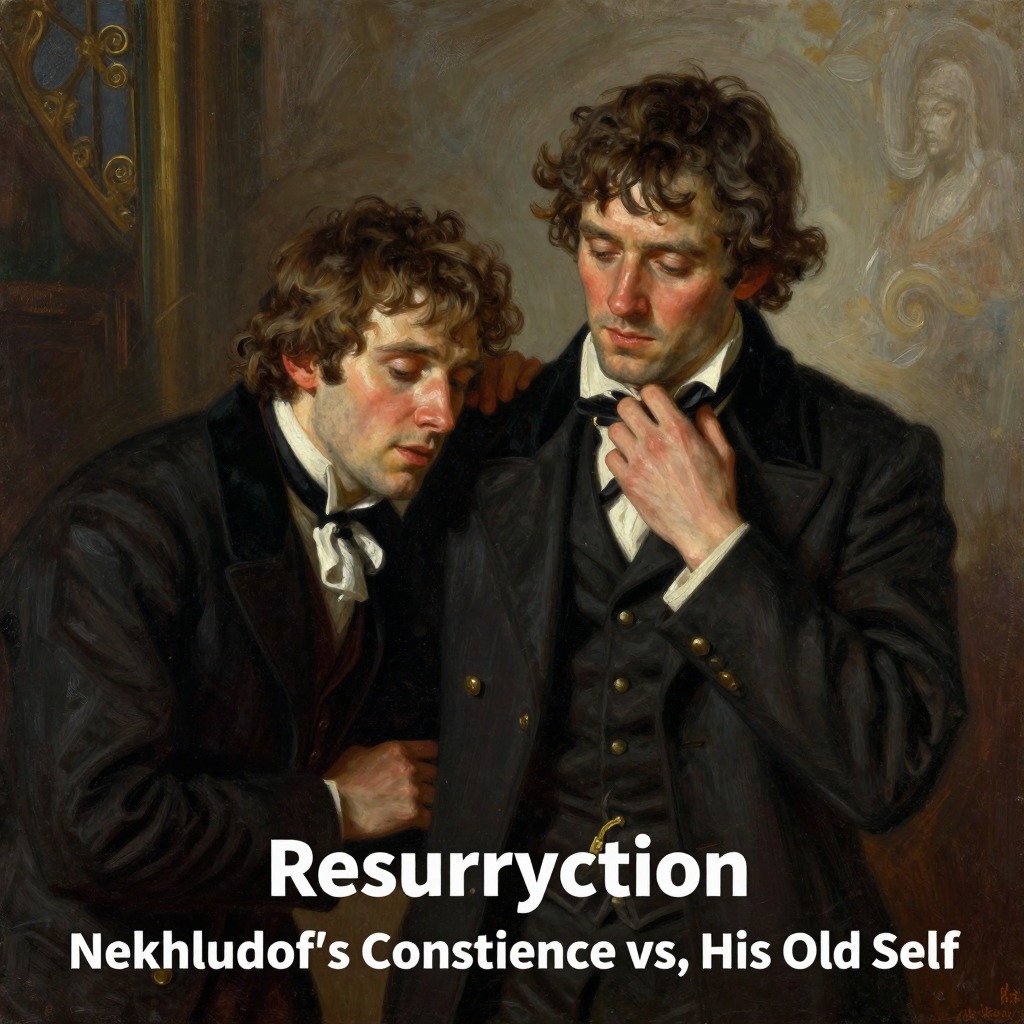
The Inner Struggle: Nekhludoff's Conscience vs. His Old Self
Chronicles Nekhludoff's internal battles as he tries to overcome his ingrained habits of privilege and selfishness to follow his new moral convictions.
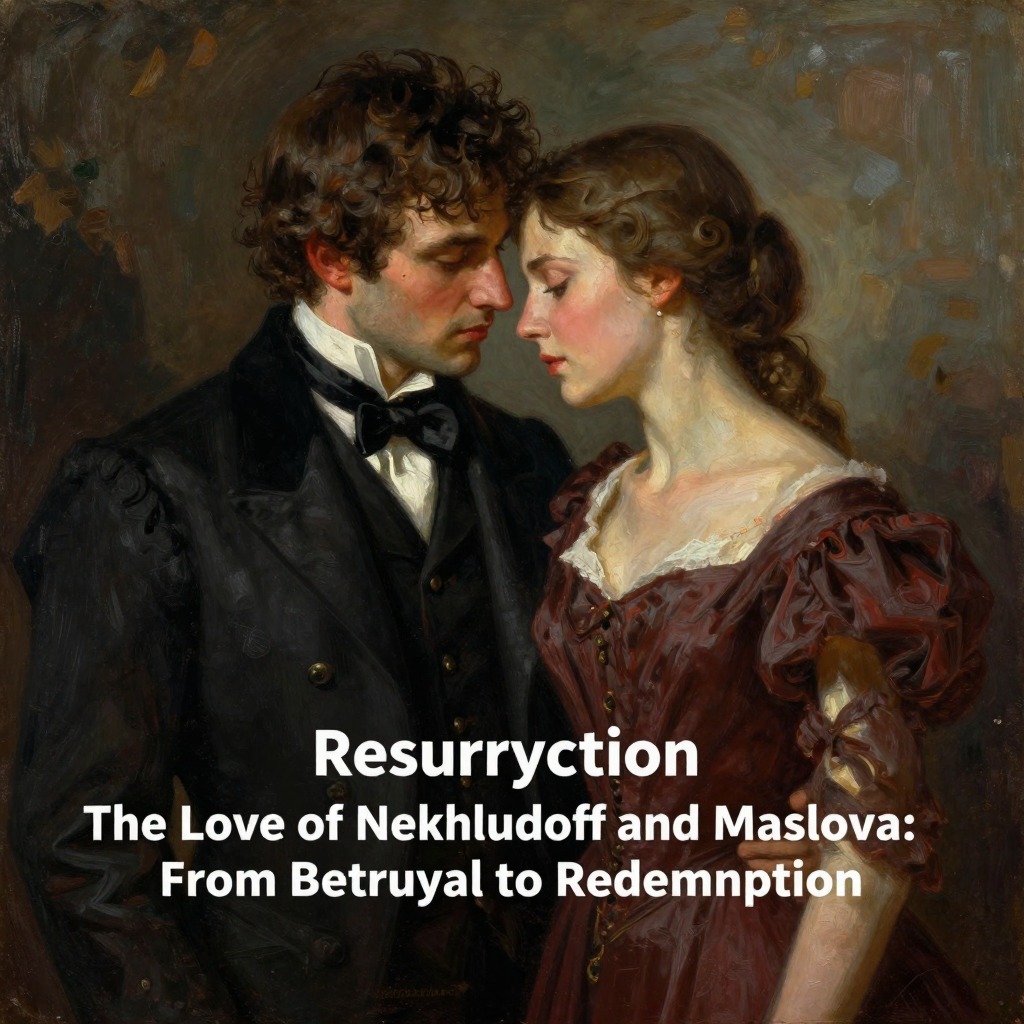
The Love of Nekhludoff and Maslova: From Betrayal to Redemption
The central emotional arc of the novel, tracing the evolution of their relationship from innocent love to betrayal, guilt, and ultimately a transcendent forgiveness.
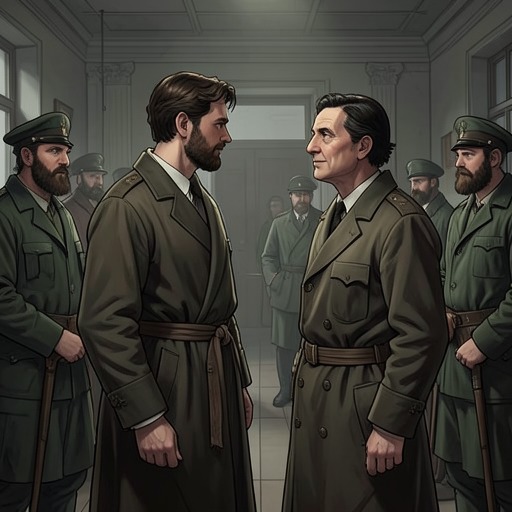
The Platonic Love of Simonson for Maslova
Explores the unique, selfless love Simonson feels for Maslova, which is based on respect and a desire to serve rather than physical passion.
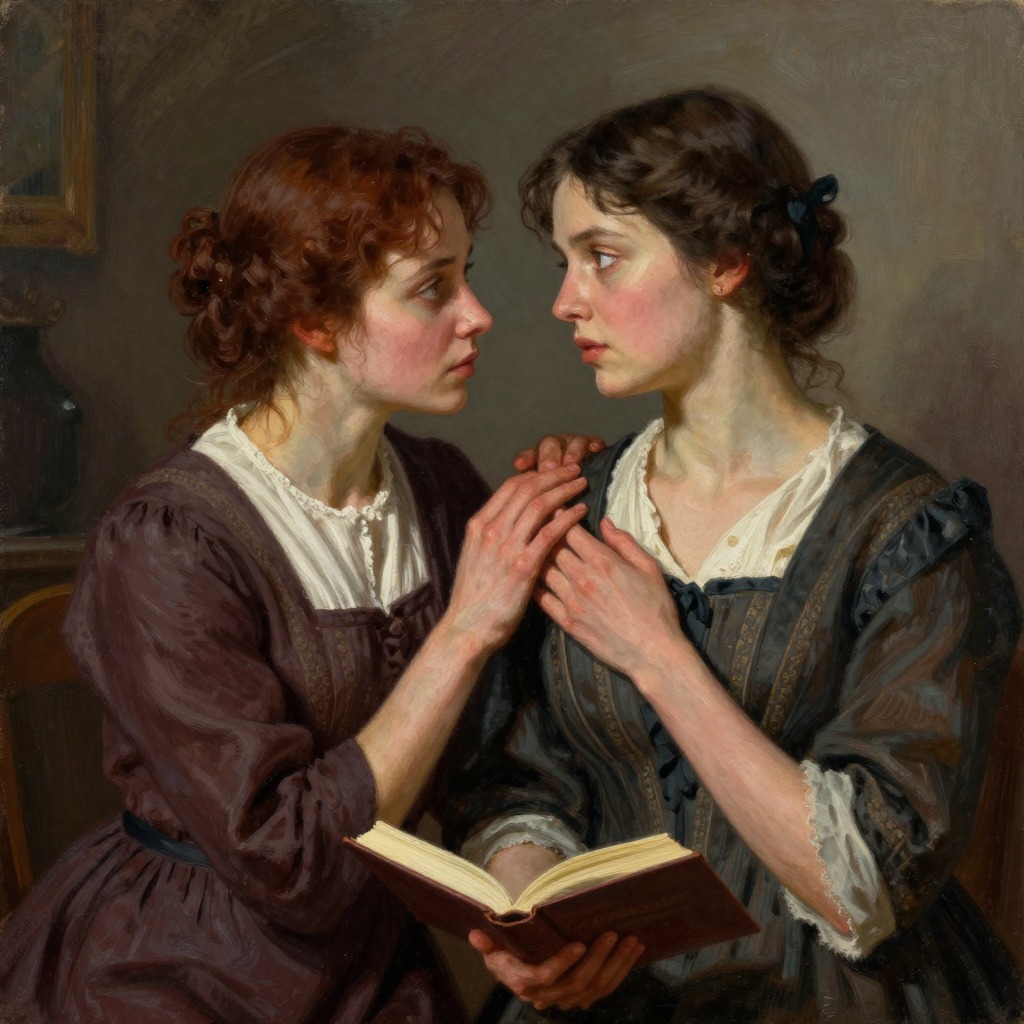
The Bond Between Maslova and Mary Pavlovna
The sisterly friendship that develops between the two women, based on mutual respect and a shared rejection of sexual love.
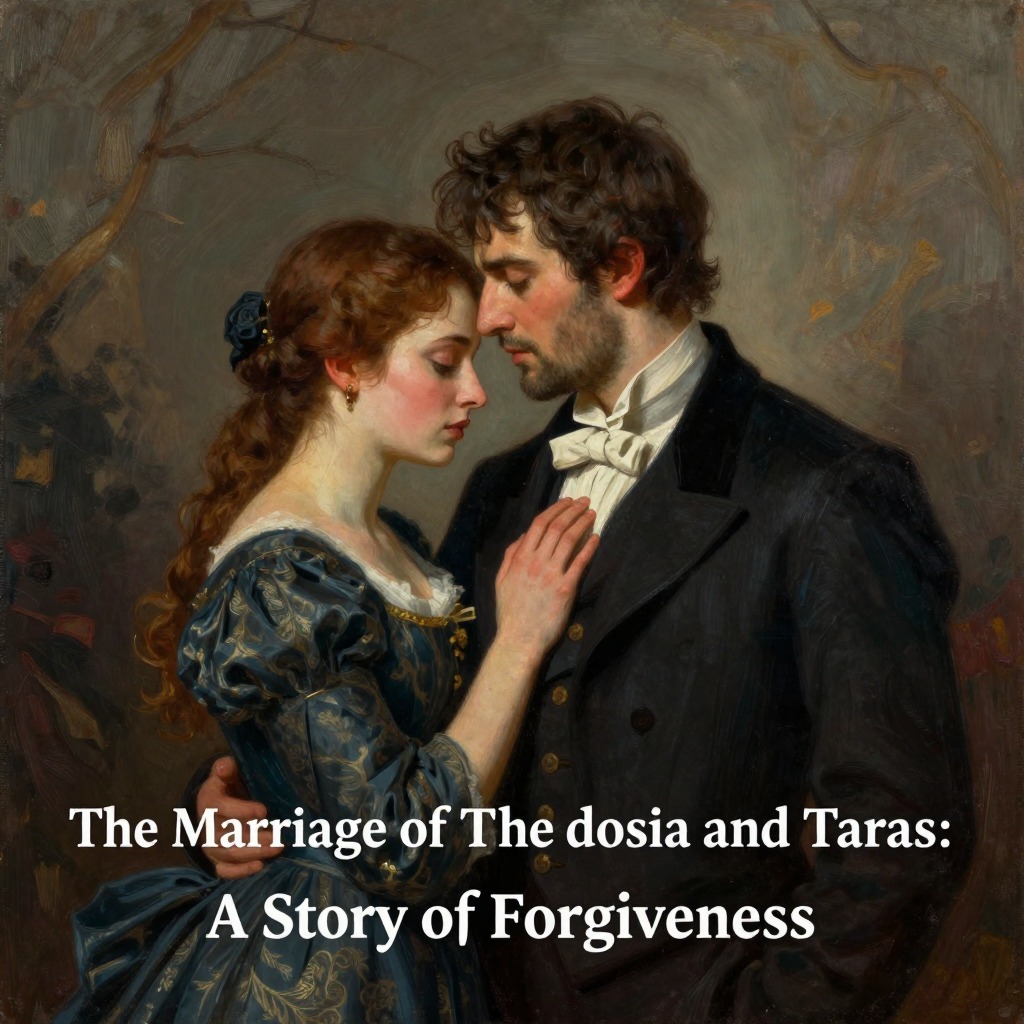
The Marriage of Theodosia and Taras: A Story of Forgiveness
The emotional journey of a couple who overcome betrayal and attempted murder through forgiveness and love.
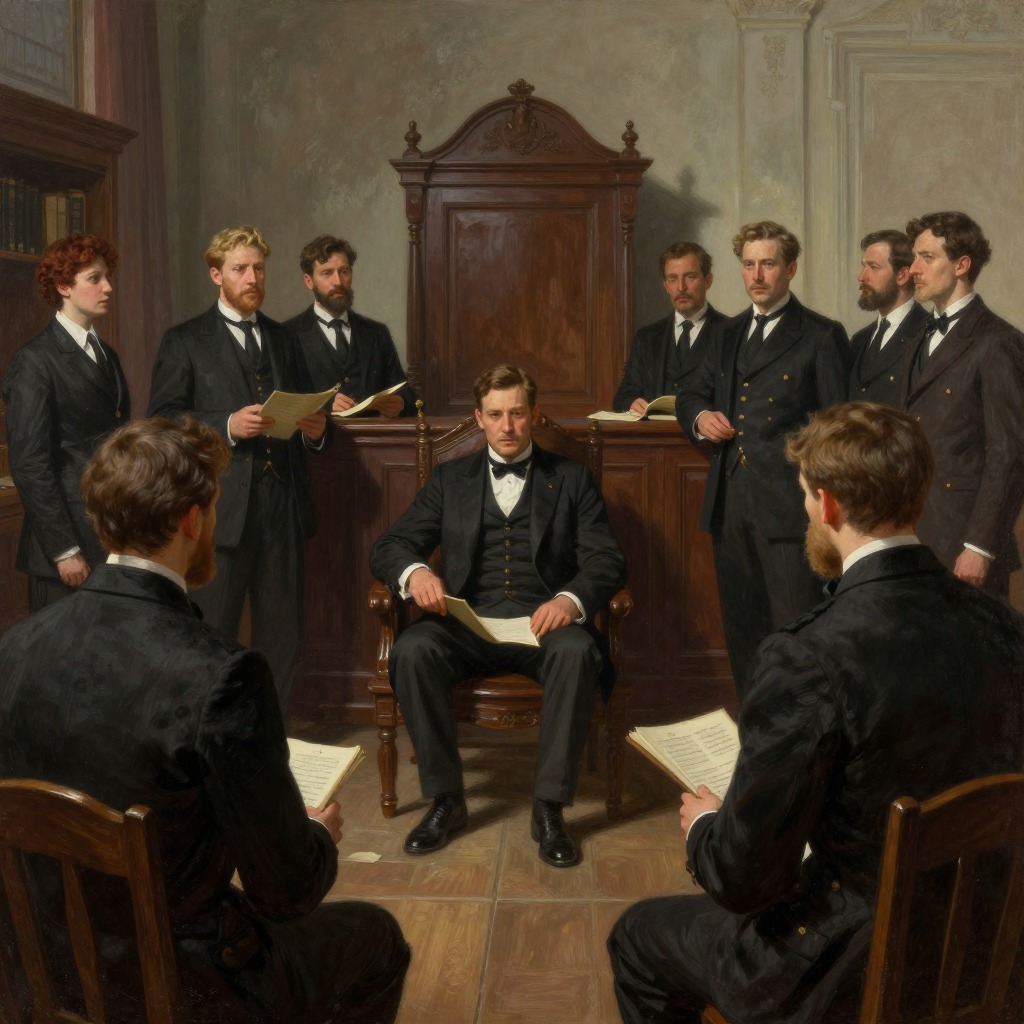
The Unjust Legal System
Exposes the corruption and absurdity of the Tsarist legal system, which punishes the innocent and protects the guilty.
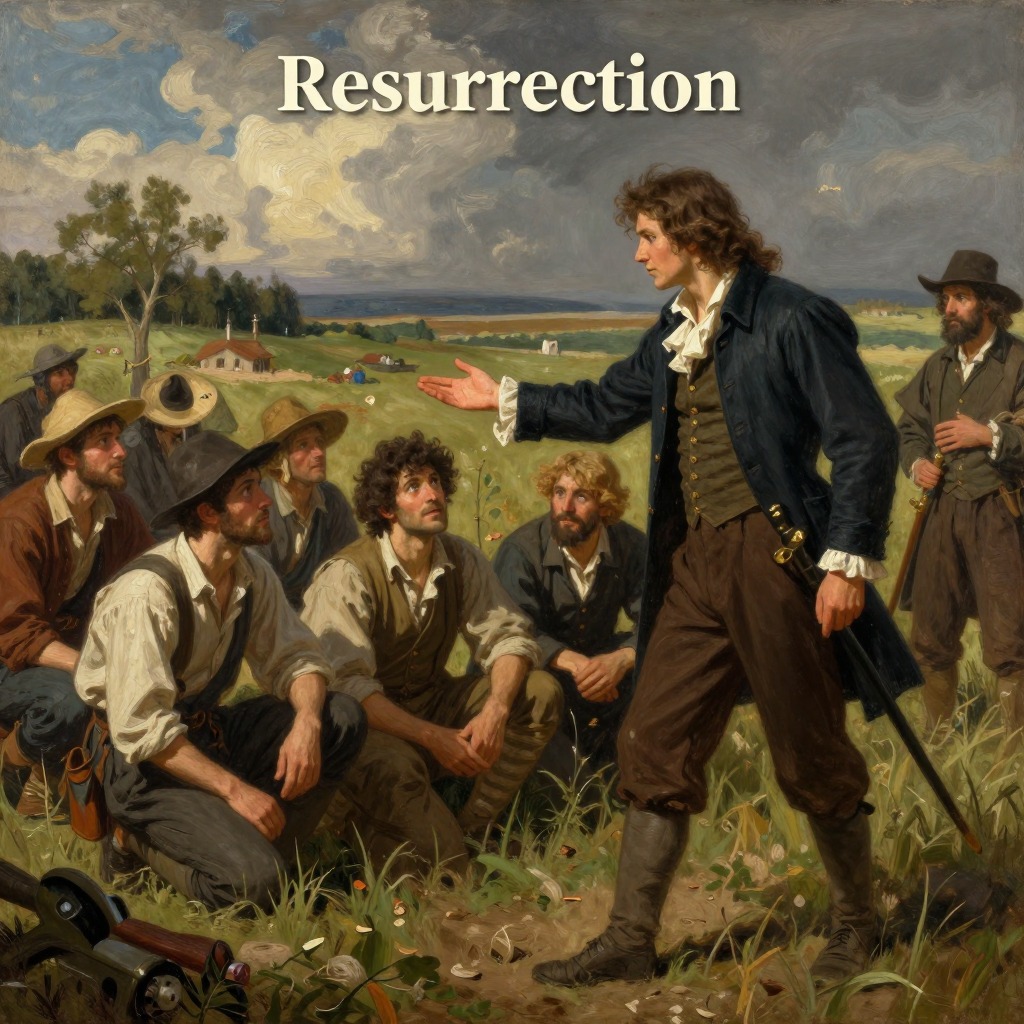
The Injustice of Land Ownership
Explores the moral and economic arguments against private property in land, as seen through Nekhludoff's attempts to give his land to the peasants.
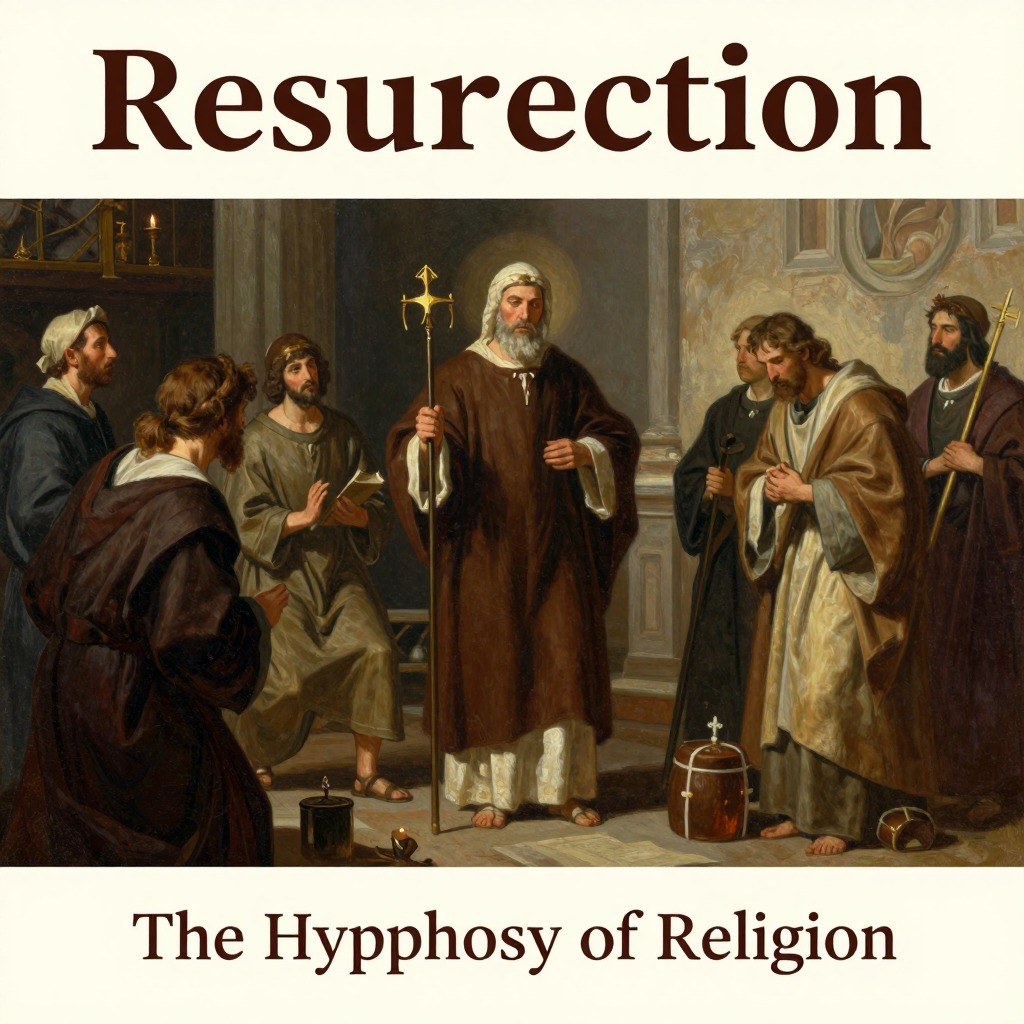
The Hypocrisy of Religion
Critiques the established church's complicity with the state, contrasting empty ritual with the true teachings of Christ.
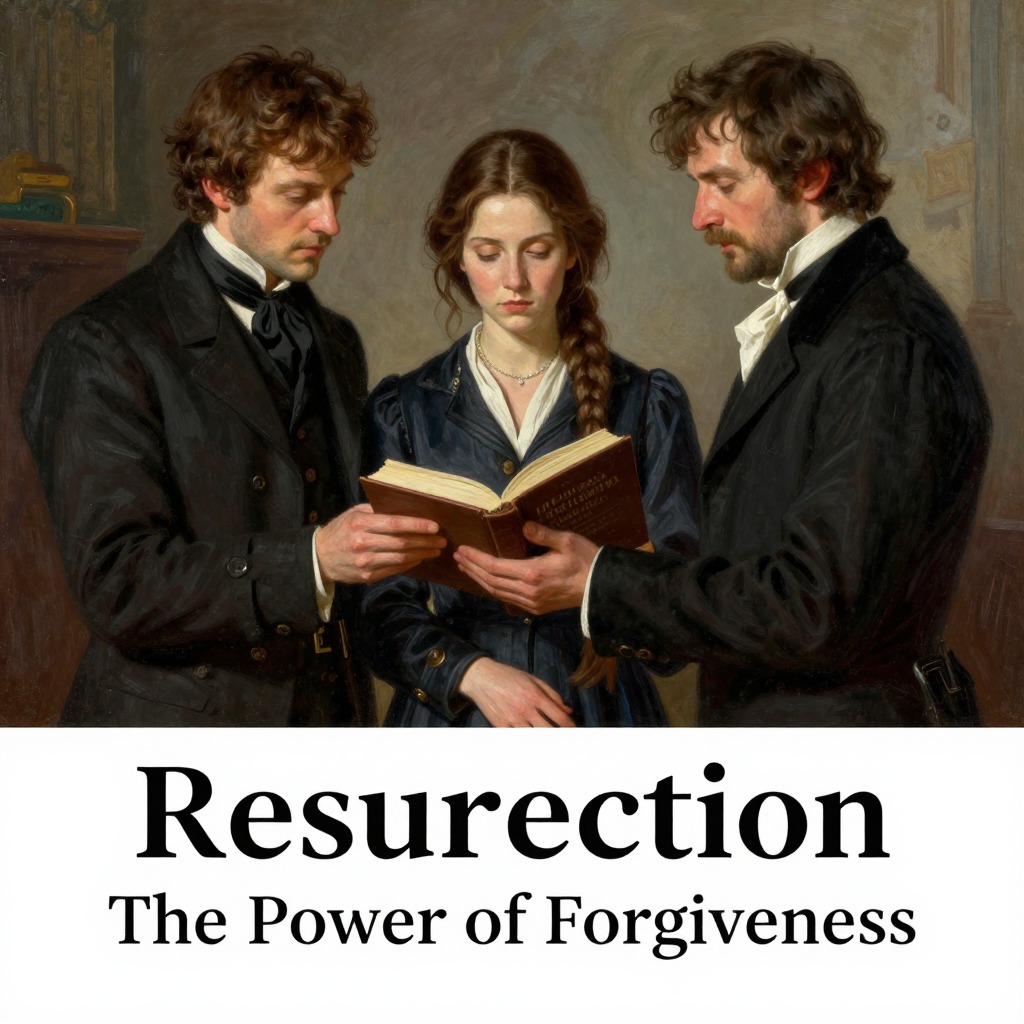
The Power of Forgiveness
Demonstrates how forgiveness can transform lives, as seen in the stories of Taras, Maslova, and Nekhludoff.
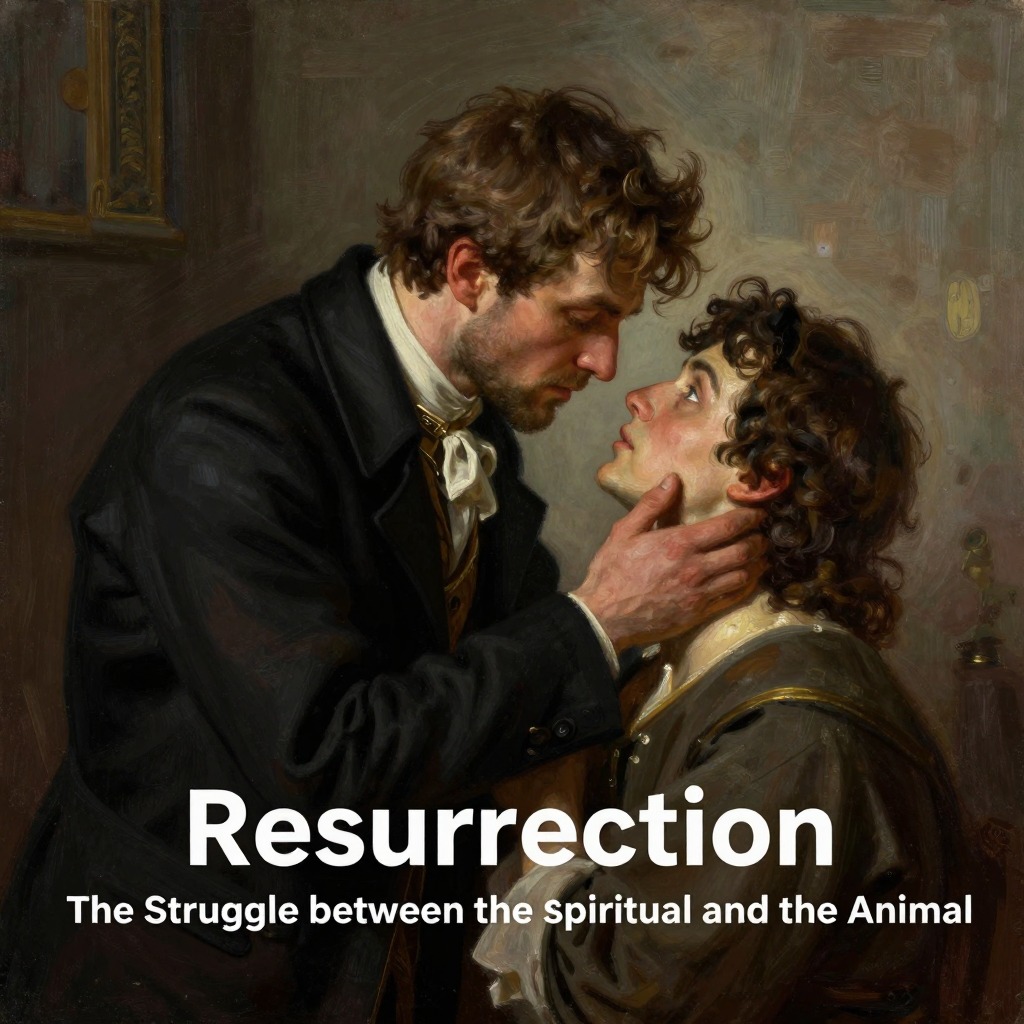
The Struggle Between the Spiritual and the Animal
An internal conflict that defines Nekhludoff's character, as he battles his baser instincts to follow his conscience.
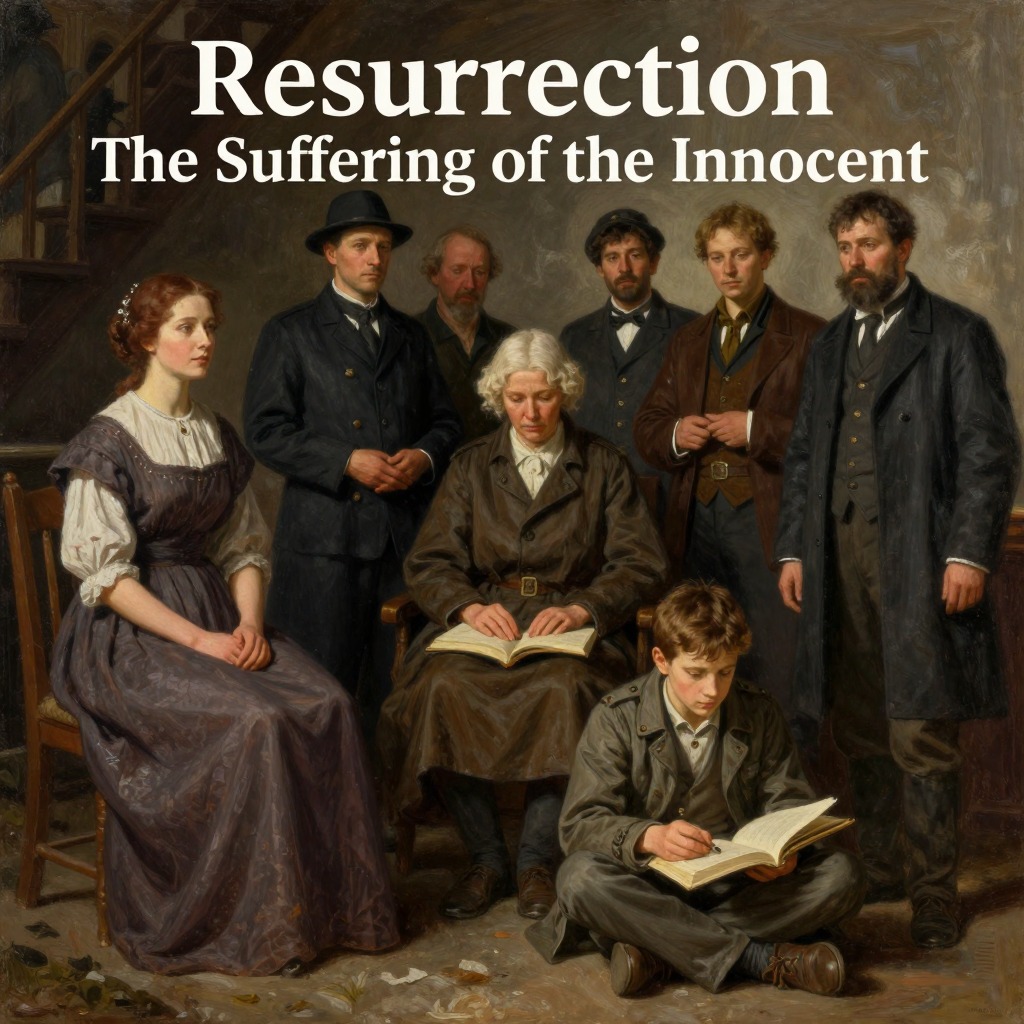
The Suffering of the Innocent
Highlights the many innocent people who are crushed by the system: Maslova, the Menshoffs, Shoustova, the boy who stole mats, and the political prisoners.