The Childlike People
SiddharthaThe Childlike People is a recurring expression in Hermann Hesse's Siddhartha, denoting the ordinary, worldly individuals who live by urges and desires rather than by thought and insight. Siddhartha initially regards them with disdain, then envies them, and finally comes to love and venerate them, marking his spiritual evolution from ascetic to enlightened ferryman.
The Expression and Its First Appearances
The phrase "childlike people" first emerges in the context of Siddhartha's early life as a Brahman's son, where he feels a deep discontent despite being loved by all. He suspects that the love of his parents and friend Govinda will not bring lasting joy, and he begins to see the world of ordinary people—those who live for offerings, trade, and family—as a realm of illusion and suffering. In his Samana years, he looks upon merchants, princes, mourners, whores, physicians, and priests with icy contempt, thinking that "all of this was not worthy of one look from his eye," that "it all lied, it all stank, it all pretended to be meaningful and joyful and beautiful, and it all was just concealed putrefaction." The world tastes bitter; life is torture. This early disdain defines the childlike people as the opposite of the ascetic ideal: they are trapped in Sansara, the cycle of rebirth, unaware of the higher truth that Siddhartha seeks.
Siddhartha's Entry into the World of the Childlike People
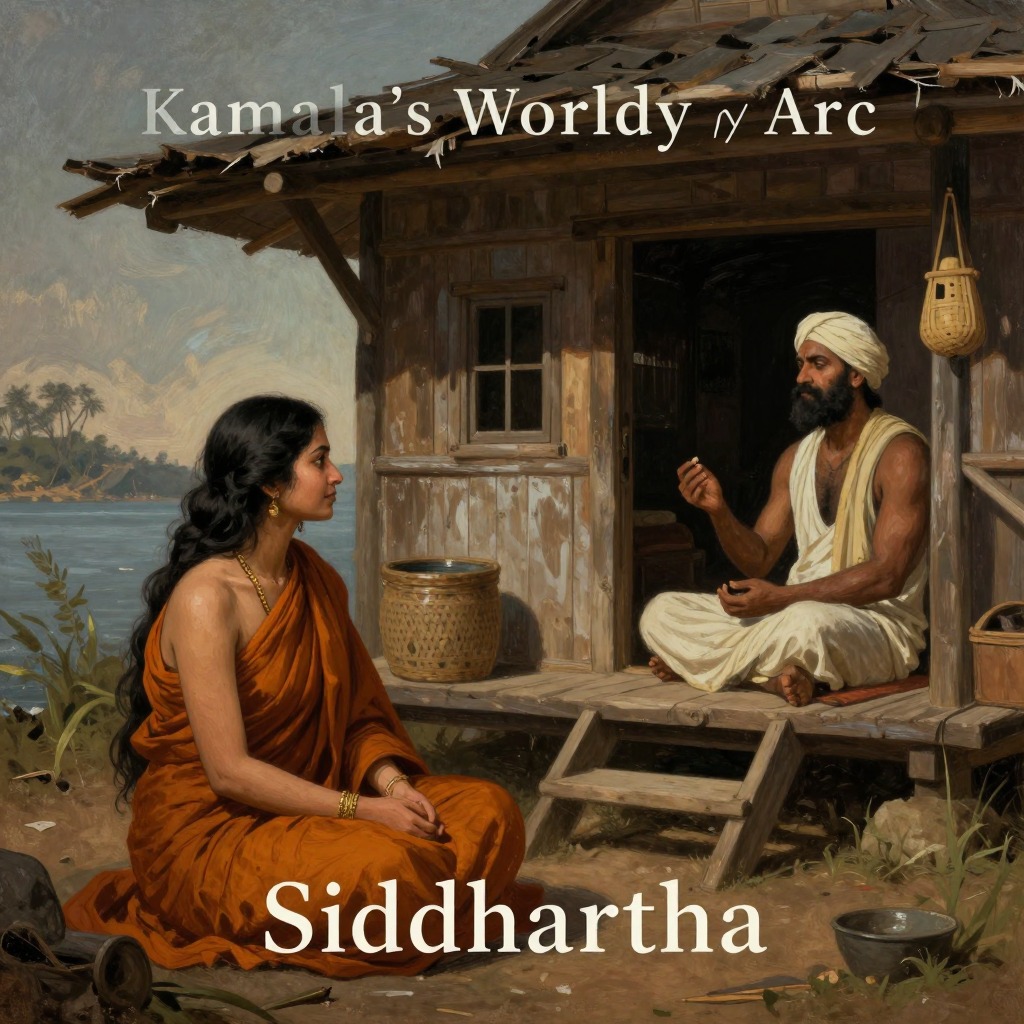
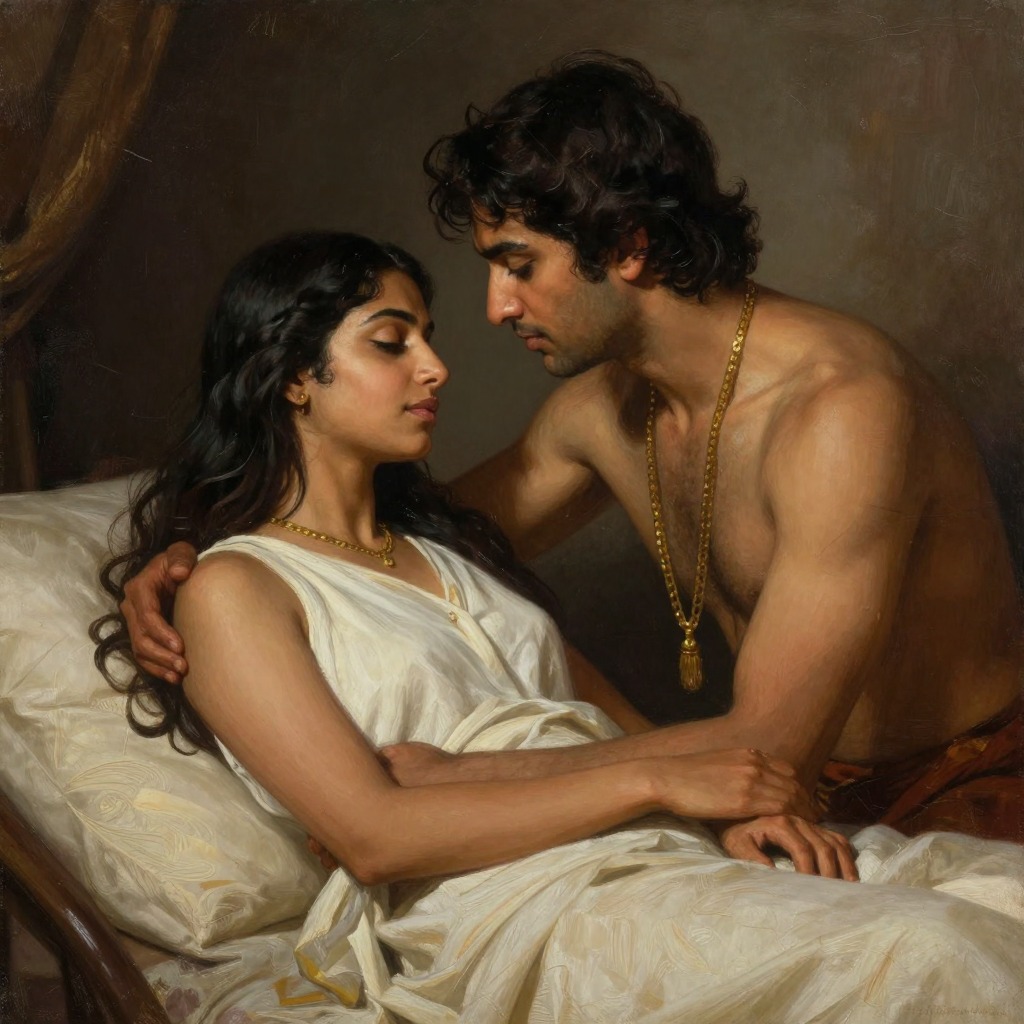
When Siddhartha decides to leave the Samanas and enter the worldly life, he consciously steps into the realm of the childlike people. His first encounter is with Kamala, the courtesan, who teaches him the art of love, and then with Kamaswami, the merchant, who takes him into his business. Siddhartha learns to trade, to wear fine clothes, to enjoy sensual pleasures, and to play dice, yet he remains detached, watching the childlike people "with some mockery, some mocking disdain, with the same disdain which a Samana constantly feels for the people of the world." He sees them toiling for money, for little pleasures, for being slightly honoured, and he feels superior because he can think, wait, and fast. However, he also begins to envy them: "He envied them for the one thing that was missing from him and that they had, the importance they were able to attach to their lives, the amount of passion in their joys and fears, the fearful but sweet happiness of being constantly in love." This envy marks the beginning of his transformation, as he slowly assumes something of their childlikeness and fearfulness, even as he despises himself for it.
The Envy and the Disease of the Soul
As Siddhartha becomes richer and more entangled in the world, he notices that he has learned from the childlike people "out of all things the unpleasant ones, which he himself despised." He stays in bed late, feels unable to think, becomes angry and impatient with Kamaswami's worries, and laughs too loudly when he loses at dice. His face assumes the features of the rich: discontent, sickliness, ill-humour, sloth, and a lack of love. The "disease of the soul, which rich people have," grabs hold of him. He becomes a feared gambler, playing with high stakes and mercilessly, hating himself and mocking himself, losing and winning thousands, losing a house in the country, and dreaming at night about money. This descent into greed and despair culminates in his dream of the dead singing bird, which he throws away, feeling that he has thrown away all value and everything good. The dream warns him, and he realizes that his life among the childlike people has become worthless and pointless, leading him to leave the city and eventually to attempt suicide by the river.
The Transformation: From Contempt to Love
After his awakening by the river and his time with the ferryman Vasudeva, Siddhartha's view of the childlike people undergoes a profound change. He now looks upon them "differently than before, less smart, less proud, but instead warmer, more curious, more involved." He understands them, shares their life, and feels like them, even though he is near perfection and bears his final wound. Their vanities, desires for possession, and ridiculous aspects become understandable, lovable, and even worthy of veneration. He sees the blind love of a mother for her child, the stupid pride of a conceited father, the wild desire of a young woman for jewelry, and he loves them for it, seeing "life, that what is alive, the indestructible, the Brahman in each of their passions, each of their acts." He realizes that the childlike people lack only one thing: the consciousness of the oneness of all life. Yet he even doubts whether this knowledge is so valuable, wondering if it might be a childish idea of the thinking people. In the end, he concludes that love is the most important thing, and that he can love the world and all beings with admiration and respect, not despise them.
The Significance of the Expression
The Childlike People is not merely a label for the unenlightened; it is a mirror of Siddhartha's own journey. His initial contempt reflects his arrogance and his flight from the self, while his eventual love reflects his acceptance of the world as it is. The expression encapsulates the novel's central theme: that wisdom cannot be taught but must be lived, and that the path to enlightenment leads through, not away from, the ordinary world. Siddhartha's final smile, which Govinda recognizes as the smile of the perfected ones, is the smile of one who has learned to love the childlike people, and in doing so, has become one with the oneness of all life.