Gríma Wormtongue
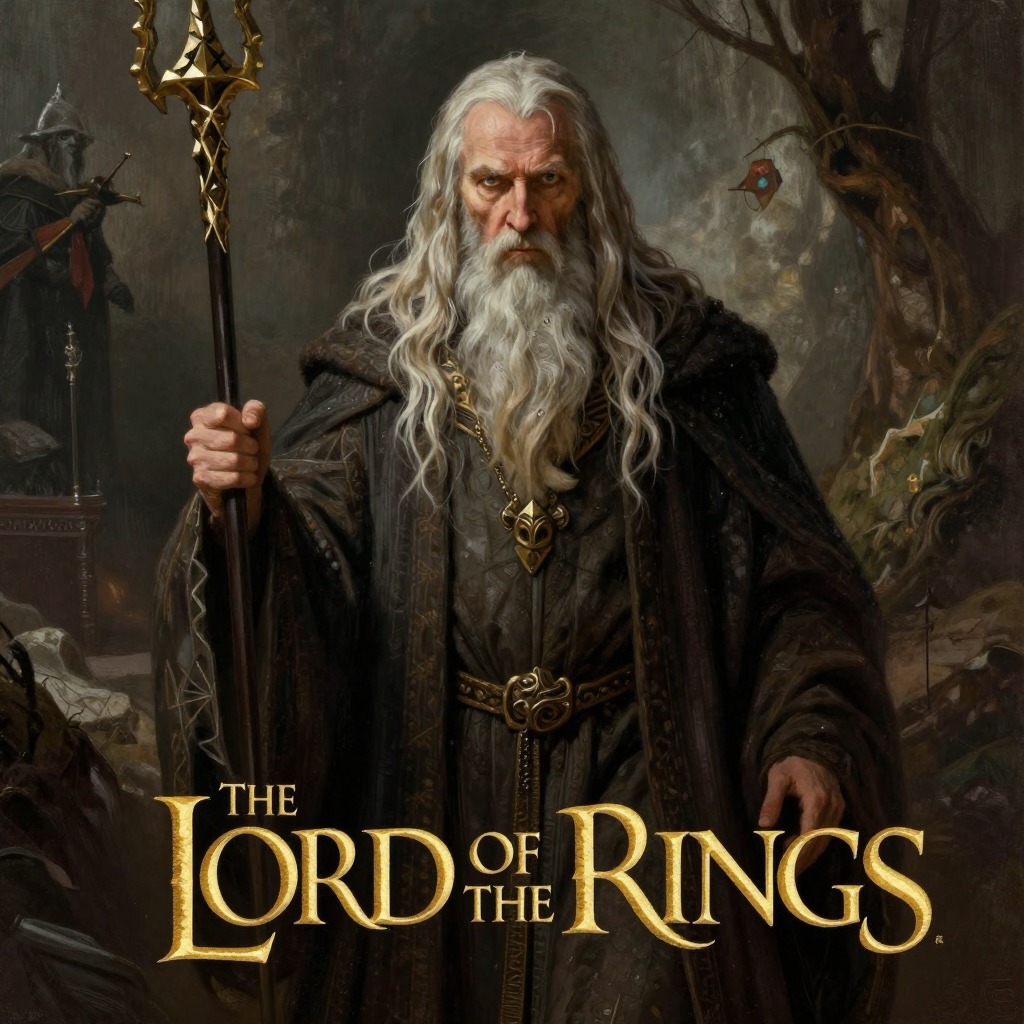
Gríma Wormtongue, also known as Wormtongue and Gríma son of Gálmód, is the corrupted advisor to King Théoden of Rohan. He is a figure of quiet, insidious evil, whose power lies not in open force but in the subtle manipulation of language and trust. His entire arc, from the golden hall of Meduseld to his squalid end in the Shire, is a study in servitude, betrayal, and the final, violent snapping of a broken will. He stands as a dark mirror to the counsellors of the free peoples, a man who sold his wisdom to the enemy and was consumed by the very evil he served.
Identity and Role at the Court of Rohan
Gríma's identity is defined by his position as the trusted adviser to King Théoden, a role he perverts into an instrument of the wizard Saruman's will. He is known throughout Rohan as Wormtongue, a name that captures both his slithering manner and the poisonous nature of his speech. As the king's counsellor, he uses his position to isolate Théoden, feeding him lies and draining him of strength and will, all while advancing the interests of his true master. His influence is so complete that he effectively rules Rohan through the weakened king, a fact that is only broken when Gandalf the White arrives at Meduseld and exposes his treachery, driving him from the hall in disgrace. His fall from power is swift, but his capacity for harm is far from over.
Servitude to Saruman and the Corruption of Power
Gríma's allegiance is not to Rohan but to Saruman, the fallen wizard of Isengard. He acts as Saruman's agent within Théoden's court, a spy and a saboteur whose whispered counsel serves to weaken the kingdom from within. This servitude is not born of loyalty but of a corrupt and total submission to a greater power. He is a man who has given himself over entirely to another's will, and in doing so, he has lost any semblance of his own. His master's influence is so pervasive that even after his expulsion from Edoras, he remains bound to Saruman, following him into exile and ruin. The relationship is one of absolute dominance and dependence, with Gríma's own identity utterly subsumed by his role as Saruman's creature, a dynamic that ultimately proves to be his undoing.
The Final Confrontation and Murder of Saruman
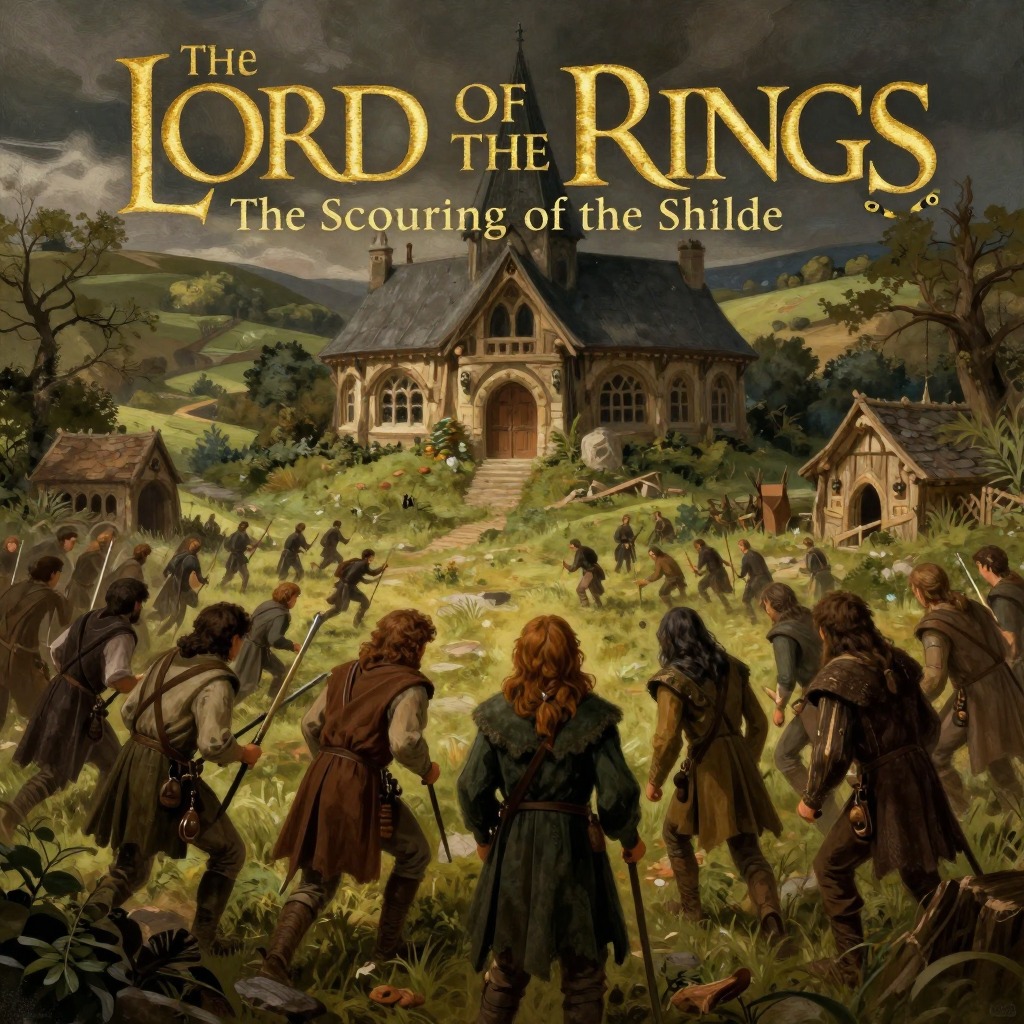
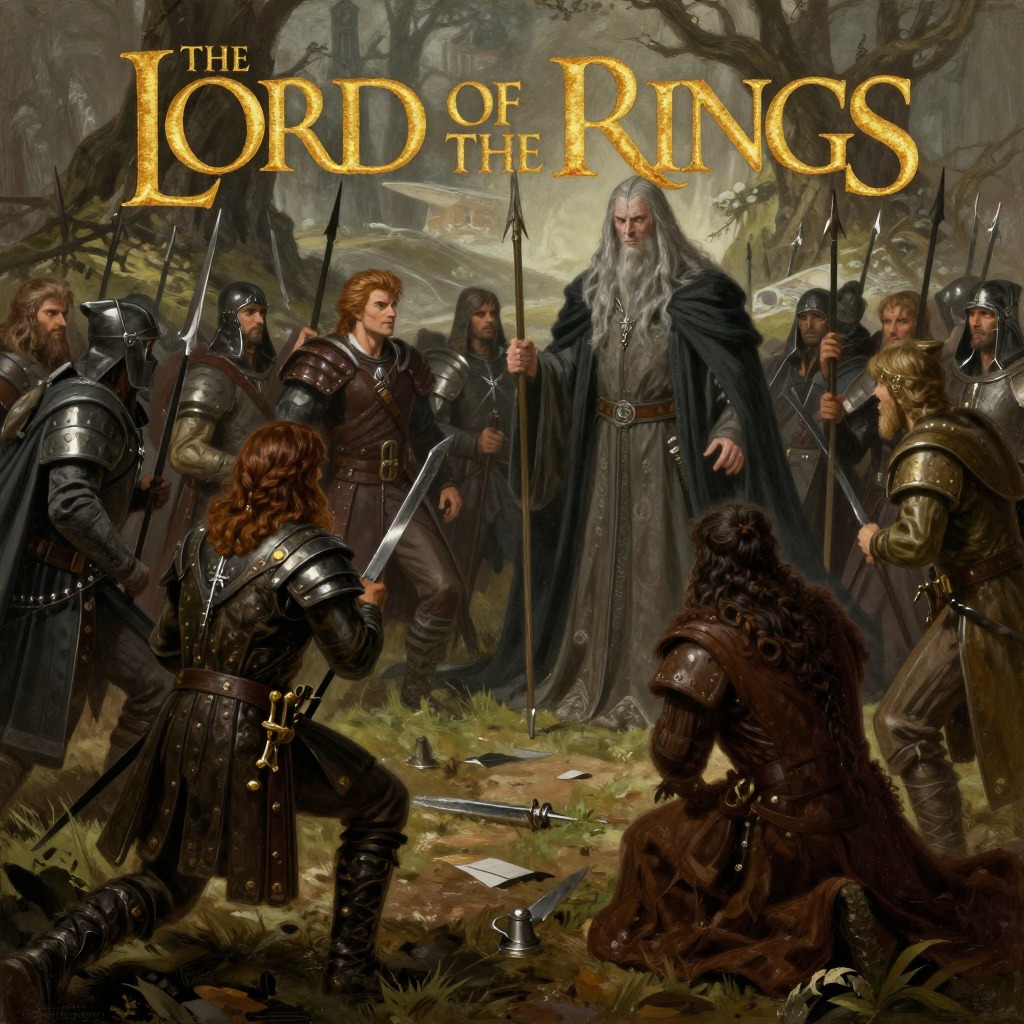
The culmination of Gríma's degradation occurs in the Shire, where he appears as a broken and starving follower of the beggared Saruman. Confronted by Frodo Baggins and the other hobbits, Saruman callously reveals that Gríma, whom he mockingly calls Worm, murdered Lotho Sackville-Baggins, the hobbit who had become the 'Chief' of the Shire under Saruman's rule. Saruman taunts him, suggesting that Worm had been hungry enough to eat his victim, and then, with a final act of cruelty, kicks him in the face and orders him to follow. This final humiliation breaks something in Gríma. With a snarl like a dog, he rises up, draws a hidden knife, and springs on Saruman's back, cutting his throat. In that instant, the servant destroys his master, a final, desperate act of rebellion that is also his own death sentence, as he is immediately shot dead by hobbit arrows. His murder of Saruman is not a redemption but a final, violent expression of the hatred and madness that his servitude had bred.
Death and the Dissolution of a Corrupted Soul
Gríma's death is as squalid as his life. After he kills Saruman and is slain by the hobbits, his body lies in the lane, a forgotten casualty of his own vengeance. The narrative's focus shifts immediately to the death of Saruman, whose spirit rises as a grey mist before dissolving into nothing. Gríma is given no such spectral farewell; he is simply gone, a man whose life and death are marked by a profound lack of dignity. His end is a testament to the destructive nature of the evil he served, a fate that leaves him with nothing, not even a moment of tragic grandeur. He is a figure who, in the end, is defined entirely by his actions and his master, and with both gone, he ceases to be of any consequence to the world.