Théoden
Théoden, King of Rohan and Lord of the Mark, stands as one of the most poignant figures in the War of the Ring, a ruler whose personal restoration from despair mirrors the resurgence of his people. His narrative arc is a study in contrasts: from a throne-bound husk under the spell of Gríma Wormtongue, he is reborn as a vigorous war-leader, only to fall in his greatest triumph. His journey is not merely a subplot but a vital thread in the tapestry of the war, demonstrating that courage and honor can be reclaimed even in the twilight of a life and a kingdom's age.
Identity and Background
Théoden is the King of Rohan, the Lord of the Mark, and the leader of the Rohirrim, the horse-lords of the Riddermark. His title, 'Théoden King,' is used with reverence by his people and allies alike, and he is also known by the epithet 'Théoden Ednew,' meaning 'the Renewed,' a name earned after his liberation from the influence of his treacherous counselor. As the sovereign of Rohan, he is the heir to the Oath of Eorl, the ancient bond of alliance between his people and Gondor, a legacy that weighs heavily on his decisions and ultimately draws him into the great conflict of the age.
His kingdom, Rohan, is a land of plains and horses, bordered by the Misty Mountains and the White Mountains, and its strength lies in its cavalry, the famed Rohirrim. Théoden's rule is the culmination of a long line of kings, and his authority is symbolized by the Golden Hall of Meduseld in Edoras, the seat of his power. This is the world he is born to lead, a world of martial tradition and proud independence, yet one that has grown weary and fearful under the shadow of Saruman's machinations.
Life and Plot Trajectory
When the Fellowship of the Ring first encounters Théoden, he is a broken man. He sits upon his throne in Meduseld, aged and feeble, his mind clouded by the whispers of Gríma Wormtongue, who has been secretly serving Saruman. Under this influence, Théoden has become a passive and diminished ruler, his kingdom left to decay while his enemies gather strength. He is a shadow of a king, his will sapped, and his people suffer from his inaction, as Rohan is threatened from all sides.
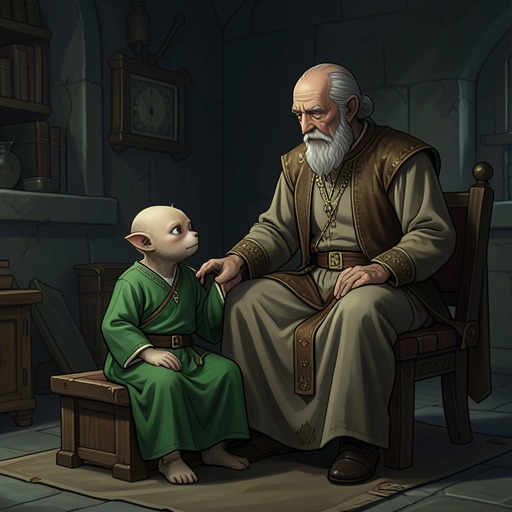
The arrival of Gandalf the White marks the turning point in Théoden's life. The wizard, who has returned from death with greater power, confronts the king and exposes the treachery of Gríma. With a commanding presence, Gandalf drives the evil influence from Théoden, restoring his strength and clarity. This moment of healing is a rebirth; Théoden rises from his throne as a new man, casting off the shackles of despair and reclaiming his authority. He immediately takes charge, leading his people to the refuge of Helm's Deep, where he prepares to face the forces of Saruman.
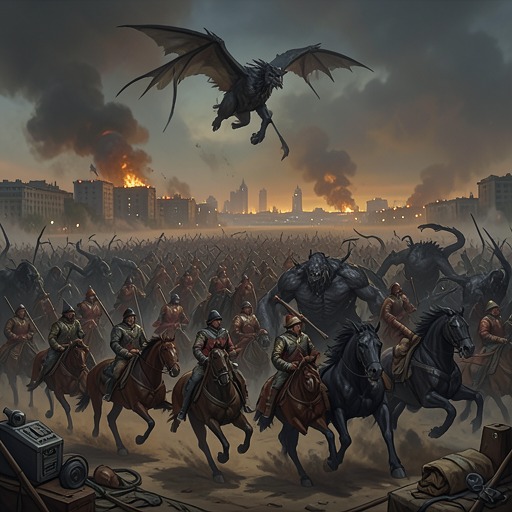
At the Battle of Helm's Deep, Théoden proves his renewed mettle. He leads his men in a desperate defense of the Hornburg, and in a moment of bold decision, he charges out with his riders to break the siege, a move that, combined with the arrival of Gandalf and the Rohirrim, turns the tide of the battle. This victory is a testament to his restored vigor and his willingness to risk everything for his people. His subsequent ride to Gondor, answering the call of the Red Arrow, is the fulfillment of his oath and the culmination of his renewed purpose.
Key Actions and Objectives
Théoden's primary objective after his restoration is to defend his kingdom and honor his ancient alliance with Gondor. His first major act is to lead his people to Helm's Deep, a strategic retreat that saves them from the immediate threat of Saruman's forces. His decision to ride out from the fortress in a desperate charge is a key action that demonstrates his courage and his understanding of the psychological impact of a bold counterattack, breaking the morale of the besieging Uruk-hai.
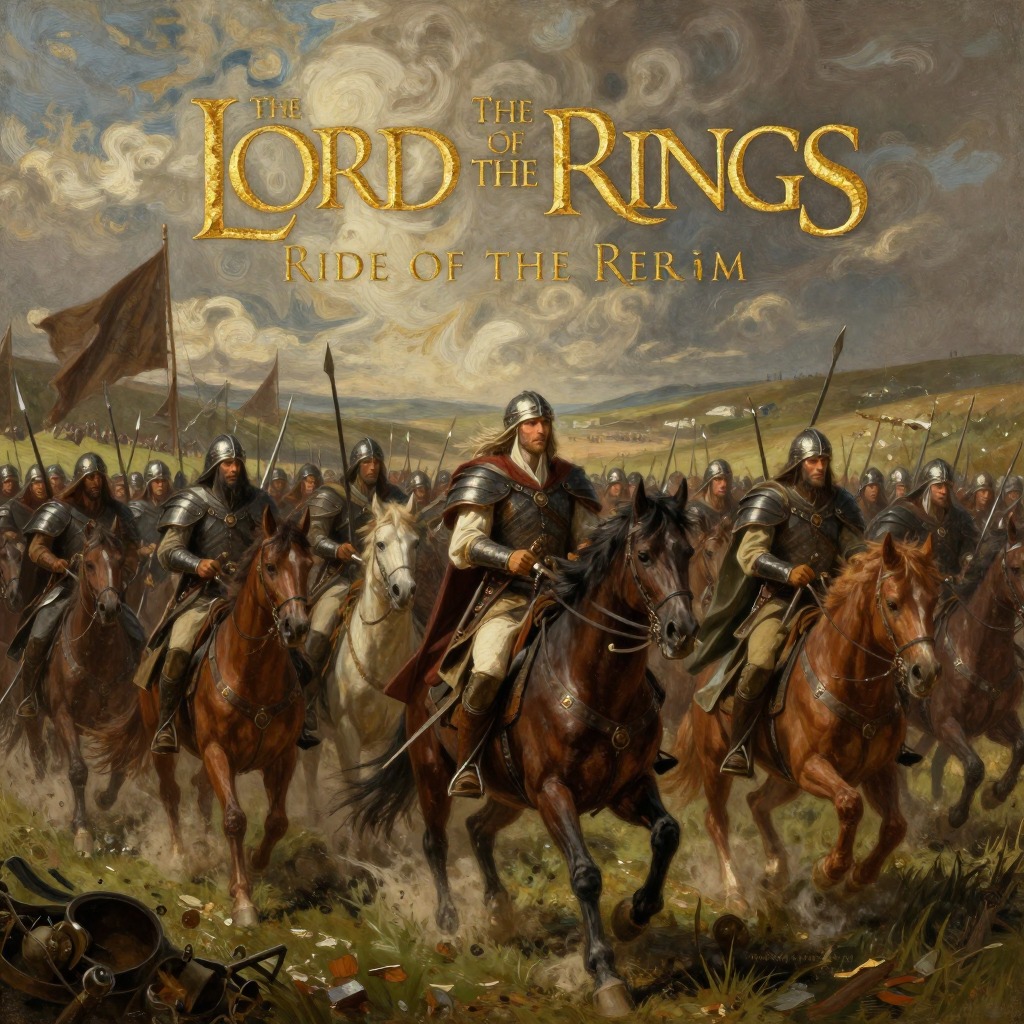
His most significant objective, however, is the ride to Gondor's aid. Despite the counsel of some to remain in Rohan, Théoden heeds the call for help, gathering the full muster of the Rohirrim and leading them on a forced march to the Pelennor Fields. This act of loyalty, rooted in the Oath of Eorl, is a defining moment of his reign, as he commits his entire kingdom to the defense of Minas Tirith. His arrival on the battlefield is a spectacle of hope, as the Rohirrim charge into the fray, their horns sounding a challenge to the forces of Mordor.
Relationships and Conflict
Théoden's relationships are central to his story. His bond with his nephew, Éomer, is one of trust and mutual respect, though it is tested by Gríma's lies, which lead to Éomer's banishment. After his restoration, Théoden welcomes Éomer back as his heir and right hand, and their partnership is crucial to Rohan's survival. His relationship with his niece, Éowyn, is more complex; he sees her as a daughter, and his love for her is evident, yet he fails to understand her desire for glory and her despair at being left behind. His final words, expressing his wish to see her and his grief at not seeing her again, reveal the depth of his affection and his regret.
His relationship with Gandalf is transformative. The wizard acts as both a healer and a mentor, breaking the spell of Gríma and guiding Théoden back to his true self. Théoden's respect for Gandalf is profound, and he follows his counsel in the great decisions of the war. His conflict with Saruman is indirect but pervasive, as the corrupted wizard seeks to destroy Rohan through treachery and force. Théoden's victory at Helm's Deep is a direct blow against Saruman's power, and his later refusal to parley with the defeated wizard shows his clear-eyed rejection of evil.
Change and Ending
Théoden's transformation is the heart of his narrative. He changes from a passive, manipulated figure into an active, decisive leader, a change that is both physical and spiritual. The healing by Gandalf is not merely a removal of a spell but a restoration of his will and purpose. He embraces his role as a warrior-king, leading from the front and inspiring his men through his own example. This change is so complete that he earns the name 'Théoden Ednew,' the Renewed.
His ending is a tragic and glorious one. At the Battle of the Pelennor Fields, he is mortally wounded when his horse is struck by an arrow from a fell beast, and he is crushed beneath it. As he lies dying, he speaks of his deeds with pride, saying he will not be ashamed in the company of his fathers, for he 'felled the black serpent.' His final moments are marked by his concern for his people, asking for Éomer to be made king and for word to be sent to Éowyn, whom he calls 'dearer than daughter.' His death is a profound loss, but it is also a fulfillment of his destiny, a king who dies in the service of his people and his oath.
Narrative Role and Evaluation
Théoden's role in the narrative is to embody the theme of renewal and the heroic ideal of a king who sacrifices himself for his people. His arc provides a counterpoint to the despair of Denethor and the corruption of Saruman, showing that even in a world under shadow, courage and honor can be reclaimed. His death is a pivotal moment, not only for Rohan but for the entire war, as it galvanizes his people and underscores the cost of victory.
His story also highlights the importance of loyalty and alliance. His ride to Gondor is a fulfillment of the Oath of Eorl, and his sacrifice strengthens the bond between the two kingdoms. He is a figure of tragic nobility, whose personal redemption is cut short by the very war he helped to turn. His legacy is one of courage, duty, and the enduring power of a renewed spirit, and his memory is honored by all who knew him, from the hobbit Merry, who wept at his side, to the people of Rohan who would follow his heir.