Santa Fe Trail
TrumanThe Santa Fe Trail connected Independence with the overland routes into the West, making the town a point of departure for emigrants and a center of trade. It shaped the fortunes of local businesses and freighters, including Solomon Young, while the traffic it carried also brought disease into Jackson County, Missouri, amid growing conflict over slavery.
Route and Gateway
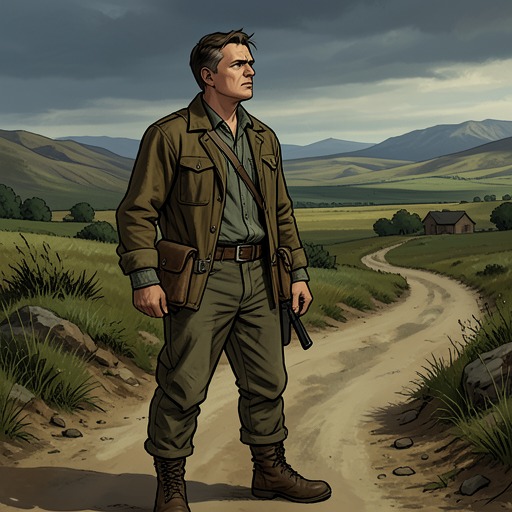
The trail began south of Independence, then swung west across the Blue River; near the Young family farm, it passed within only a few miles. The route linked the Missouri River settlements to Santa Fe and the wider overland movement toward the West. In a guidebook published in 1844, Commerce of the Prairies, Jackson County author Josiah Gregg described Independence as the port of embarkation for the prairie crossing.
Independence had been a western boomtown, with crowded streets, wagon shops, blacksmith sheds, and stores serving travelers setting out across the plains. Its location made the Santa Fe Trail part of a wider traffic system: emigrants and traders arrived by river, outfitted in town, and continued west by wagon. The trail’s commercial importance was visible in the town’s seasonal crowds and in the businesses built around preparing people and goods for the journey.
Trade and Travel
During the busiest years of traffic, especially the California Gold Rush years of 1849 and 1850, Santa Fe caravans brought wagons, pack mules, and Mexican gold into Independence. One reported caravan of twenty-two wagons carried $200,000 in gold specie. The town’s wagon shops served travelers crossing what Gregg called the prairie ocean; Hiram Young, a free Black wagon manufacturer, prospered by building wagons said to be particularly suited to the difficult crossing.
Solomon Young also made the trail and its traffic part of his livelihood. He outfitted and advised emigrants bound for Santa Fe and Oregon, and in spring departed as a freighter. His family remembered him as a large, full-bearded man in a wide-brimmed hat, capable of accomplishing whatever he set his mind to. On one journey he drove fifteen hundred cattle toward California, lost five hundred along the way, and eventually traded the surviving herd in Sacramento for a 40,000-acre ranch. The ranch, according to the family story, was later sold to pay a partner’s debts.
Prosperity and Decline
The trail’s commerce could be highly profitable. By 1850, Solomon’s recorded wealth was $5,000; a decade later it had increased tenfold, and his land and property were valued at nearly $50,000. His career shows how the overland trade could convert the work of freighting and outfitting into substantial wealth, even as it depended on long journeys and uncertain partnerships.
The same movement that brought business also carried cholera. In spring 1849, ten people died at the Noland House in a single day; cholera struck again in 1851, and further epidemics followed in the years of crop failure and disease. In 1857 the Young family lost nine-year-old Elizabeth, whose cause of death was not recorded. Meanwhile, conflict over slavery was intensifying across the line in Kansas, threatening to reshape the lives and outlook of people throughout Jackson County. The trail’s story thus shifts from the promise of westward commerce to the disease and political upheaval accompanying movement through the region.