Unhistoric acts
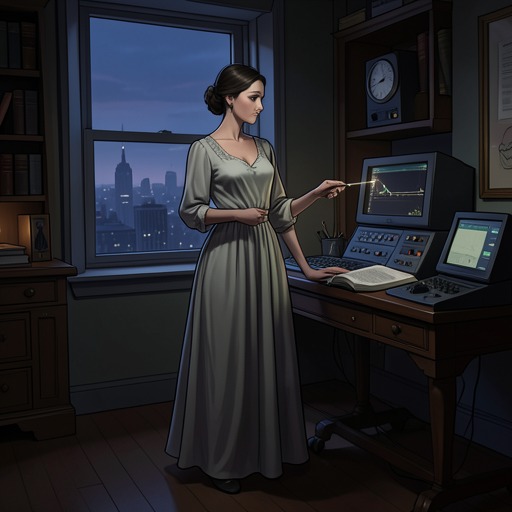
MiddlemarchUnhistoric acts are the modest, often invisible deeds through which private lives help make the world better. The novel’s closing reflection uses Dorothea’s life to distinguish public recognition from moral consequence: although her choices were not ideally beautiful and her achievements acquired no great name, the effects of her generous spirit spread outward through the people around her and through lives that history does not record.
The Limits of Public Achievement
The narrator places Dorothea’s determining choices within the imperfect social conditions that shaped them. Young and noble impulses do not emerge untouched by circumstance; even great feelings may look like error, and great faith like illusion. The point is not that Dorothea’s choices were flawless, but that their mixed appearance cannot be understood apart from the world in which she had to act.
The conclusion makes that constraint visible through its comparison with heroic religious and classical figures. A new Theresa would scarcely have the opportunity to reform conventual life, just as a new Antigone could not repeat the ancient act of risking everything to bury a brother. The historical medium that once gave such exceptional action its form has disappeared. Dorothea’s aspirations therefore belong to a different kind of moral history: they take shape in ordinary conditions rather than in a celebrated arena of heroic deeds.
Dorothea’s Hidden Influence
The narrator does not claim that Dorothea’s life became a public triumph. Its fine consequences were not widely visible, and her full nature spent itself in channels without a great earthly name. The image of a powerful river diverted into lesser-known channels holds together the apparent smallness of her outward record and the abundance of what her character gave to others.
Her effect on the people around her is described as incalculably diffusive. Influence travels beyond what can be named, measured, or publicly credited: Dorothea’s life matters not because it left a monument, but because other lives were altered by contact with it. The novel thus turns away from the assumption that importance requires conspicuous achievement and treats private moral influence as consequential in its own right.
The Common Good and Unrecorded Lives
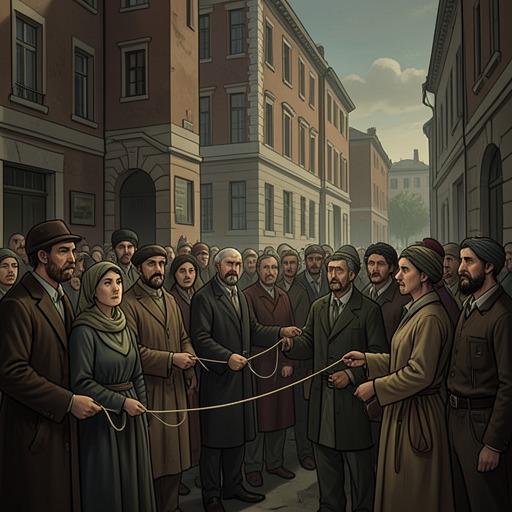
The closing argument widens from Dorothea to the many people whose faithful lives remain unknown. The narrator suggests that the world’s growing good depends partly on acts that do not enter history, and that the conditions of ordinary life are better than they might have been because of people who lived faithfully without recognition and rest in unvisited tombs. Their contribution is real even when no public memory preserves their names.
This theme does not promise that noble impulses will receive fitting rewards or that good lives will become visible. Instead, it shifts the measure of moral consequence: the unnoticed act, the private fidelity, and the influence passed from one person to another all help sustain a common world. Dorothea’s story becomes one instance of a larger, largely unseen history of ordinary people whose actions make life less harsh for others.