Bethany Shared-Life Ideal
PossessionThe Bethany Shared-Life Ideal is a self-fashioned way of living in which two women join intellectual companionship, shared work, and artistic creation without a master or servant. Its name invokes the biblical Bethany, but its purpose is also practical: to make a home where daily labor can be undertaken together and where women can devote themselves to making things. For Christabel LaMotte, it is both a source of happiness and a deliberate boundary against the claims of the outside world.
Origins and Meaning
Christabel explains that the cottage was named for a reason. In the biblical story, Bethany is the place where the master called his dead friend back to life; for women, she proposes, it can also signify a different arrangement of domestic life. She contrasts the sisters Martha and Mary: one burdened by service, the other sitting at the master’s feet. The women’s project rejects the assumption that one woman should serve while another receives service.
Instead, their ideal draws on George Herbert’s belief that ordinary work may be made sacred. Sweeping a room, like making a work of art, can become fine through the spirit in which it is done. The name Bethany thus brings together religious imagery and a feminist revision of domestic labor: the home is not simply a retreat from work, but a place where work can be shared and given meaning.
A Shared Practice of Work and Art
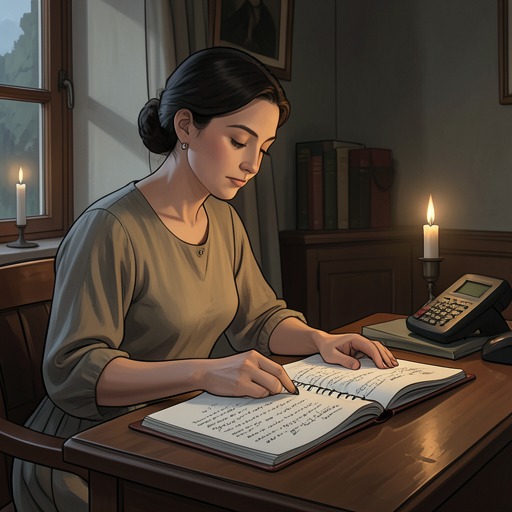
The project began after Christabel and her companion met at one of John Ruskin’s lectures on the dignity of handicraft and individual work. They wanted to live the life of the mind and make good things. Their plan depended on pooling their small means and earning what they could through drawing lessons, Wonder Tales, or poems, so that they might establish a life outside conventional employment and dependence.
Within Bethany, work was to be artful and, in the sense Christabel attributes to Ruskin, sacred. It was also to be shared, with no master except God. The range of their making joins the domestic and the literary: they might create exquisite curtains or mystical paintings, decorate biscuits with sugar roses, or compose the epic of Melusina. Rather than dividing practical labor from artistic ambition, the project treats both as parts of one daily discipline.
Renunciation and Autonomy
The women’s choice required renunciation, but Christabel distinguishes what they gave up from what they escaped. They left behind cramped daughterly devotion to a worldly mother and the genteel slavery of governessing; she describes these not as losses but as conditions they fled, meeting opposition with resolve. What they deliberately renounced was the outside world and the usual hopes—and fears—assigned to women in favor of an artistic life they had chosen for themselves.
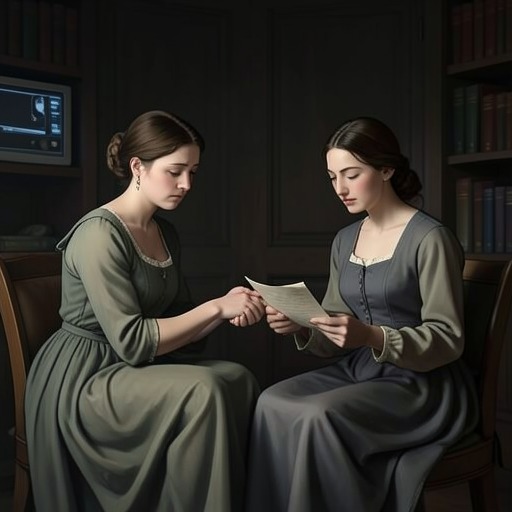
Christabel calls their arrangement a sealed pact and says that she has been wondrously happy in it, not alone. Its shared character matters: this is not solitude imposed on a woman, but a chosen companionship that makes intellectual and creative work possible. Yet the pact also depends on limits. Bethany offers freedom from conventional demands by keeping certain claims and possibilities outside its protected life.
The Web and the Threat of the Outside
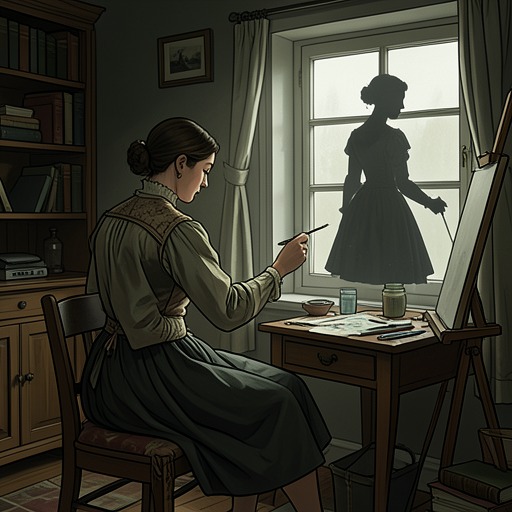
To explain her decision to hold to this way of life, Christabel imagines herself as the Lady of Shalott, though with a narrower wisdom. She chooses not to gulp the air of the outside world and take the chilly river journey toward death; instead, she watches the bright colors of her web, works the shuttle industriously, and makes something. Closing the shutters and even the peephole becomes an image of guarding the conditions under which that work can continue.
The image gives the ideal its tension. Bethany is not merely a refuge but a practiced form of attention and creation, sustained by turning away from an alluring and dangerous opening to the outside. Christabel acknowledges that her friend may argue rationally that she poses no threat, but she knows the threat exists within herself. The project’s significance therefore lies both in its affirmative vision of women’s shared artistic life and in the boundaries Christabel believes she must preserve to remain faithful to it.