Helm's Deep
Helm's Deep is a great bay in the mountains of Rohan, a green coomb out of which a gorge opens in the hills, lying some miles away on the far side of the Westfold Vale. Men of that land called it Helm's Deep, after a hero of old wars who had made his refuge there. Ever steeper and narrower it wound inward from the north under the shadow of the Thrihyrne, till the crow-haunted cliffs rose like mighty towers on either side, shutting out the light. The tall peaks of Thrihyrne were already dim against the darkening sky as the host turned away from the road to the Fords of Isen and bent their course southward, night falling as they rode on toward this formidable natural fortress.
The Fortress and Its Construction
At Helm's Gate, before the mouth of the Deep, there was a heel of rock thrust outward by the northern cliff. There upon its spur stood high walls of ancient stone, and within them was a lofty tower. Men said that in the far-off days of the glory of Gondor the sea-kings had built here this fastness with the hands of giants. The Hornburg it was called, for a trumpet sounded upon the tower echoed in the Deep behind, as if armies long-forgotten were issuing to war from caves beneath the hills. A wall, too, the men of old had made from the Hornburg to the southern cliff, barring the entrance to the gorge. Beneath it by a wide culvert the Deeping-stream passed out. About the feet of the Hornrock it wound, and flowed then in a gully through the midst of a wide green gore, sloping gently down from Helm's Gate to Helm's Dike. Thence it fell into the Deeping-coomb and out into the Westfold Vale. There in the Hornburg at Helm's Gate Erkenbrand, master of Westfold on the borders of the Mark, now dwelt. As the days darkened with threat of war, being wise, he had repaired the wall and made the fastness strong.
The Strategic Role in the War of the Ring
The fortress stood as the last great defensive position of Rohan against the forces of Saruman, who had corrupted Isengard and unleashed his armies upon the Mark. The host of Rohan, having turned away from the road to the Fords of Isen, made their way southward to this refuge, knowing that the fate of their land would be decided there. The natural defenses of the gorge, with its sheer cliffs and narrow approach, made it nearly impregnable to direct assault, and the ancient walls of Gondor's sea-kings provided a bulwark that the Rohirrim could hold against overwhelming numbers. The Hornburg itself, with its echoing trumpet, gave the defenders both a tactical advantage and a symbolic rallying point, as if the armies of the past were still issuing forth to war from the caves beneath the hills.
The Battle of the Hornburg
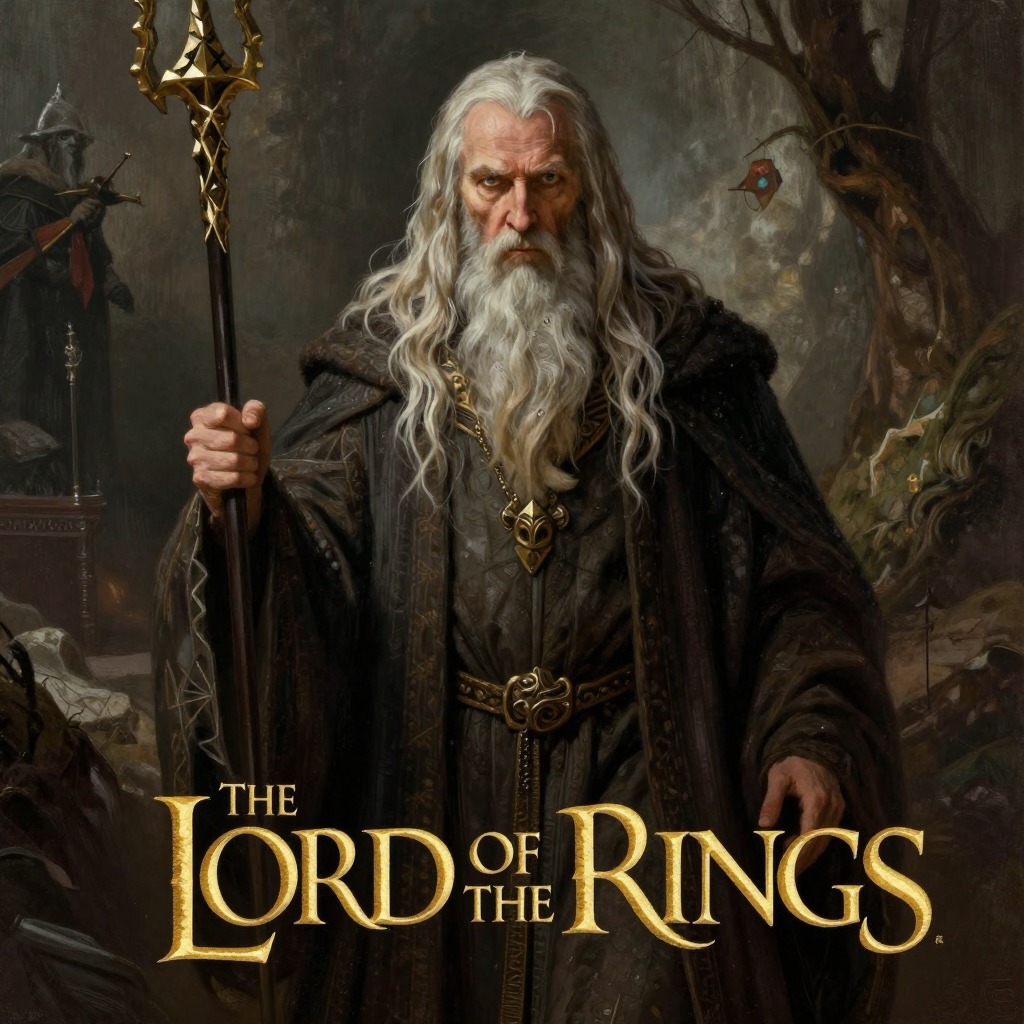
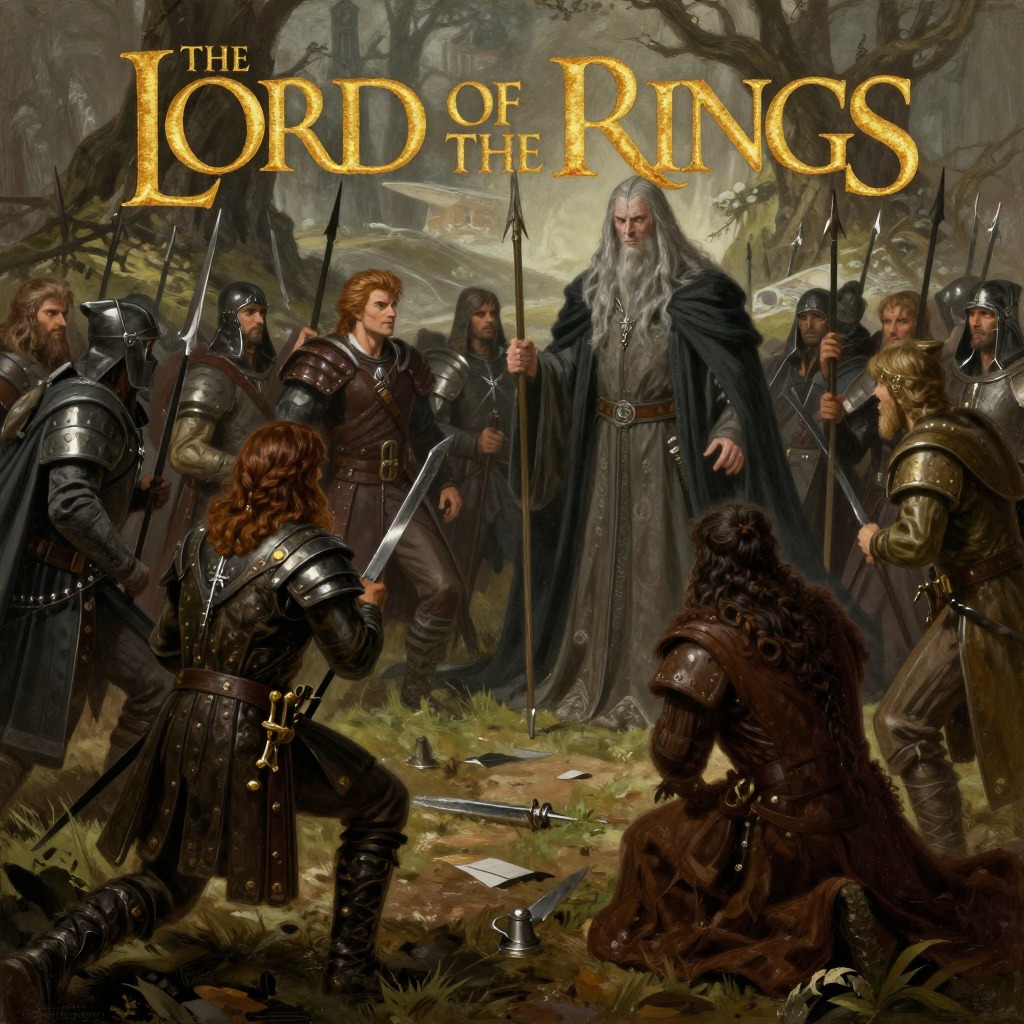
The battle that followed at Helm's Deep became one of the decisive engagements of the War of the Ring. The forces of Saruman, including the Uruk-hai and other creatures of Isengard, laid siege to the fortress, while the Rohirrim under Théoden and the wizard Gandalf, who had returned as the White Rider, defended it. The fighting was desperate, with the defenders pushed to the brink of defeat as the enemy breached the outer defenses. Yet the tide turned when Gandalf arrived with reinforcements at dawn, riding down upon the enemy from the heights and breaking their siege. The victory at Helm's Deep preserved Rohan from destruction and allowed the Rohirrim to later ride to the aid of Gondor at the Battle of the Pelennor Fields.
The Aftermath and Legacy
In the aftermath of the battle, Helm's Deep stood as a testament to the courage of the Rohirrim and the turning of the war against Saruman. The fortress, which had been built by the sea-kings of Gondor in ages past, had proven its worth as a refuge in the darkest hour. The name of Helm's Deep, already associated with the hero of old wars, became forever linked with the stand of the Rohirrim against the forces of darkness. The echoes of the Hornburg's trumpet, which had once seemed to summon armies long-forgotten, now rang with the memory of a real victory won against overwhelming odds. The fastness remained a symbol of Rohan's resilience, a place where the free peoples of Middle-earth had held firm against the shadow that threatened to engulf them.