Denethor
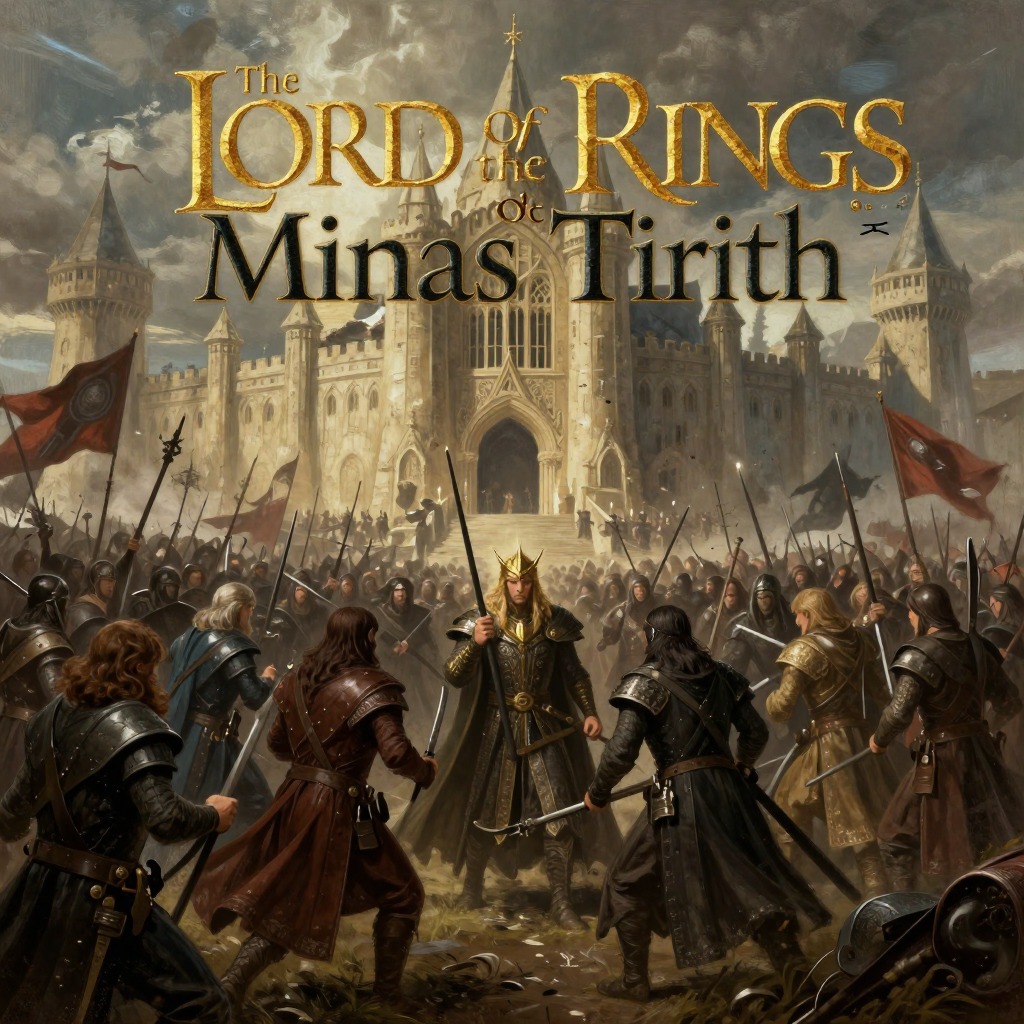
Denethor, son of Ecthelion, is the twenty-sixth and final ruling Steward of Gondor, a position of immense authority held in trust until the return of the King. His story is one of a proud and powerful lord undone by the very tools he used to defend his realm, culminating in a fiery, despairing end that signals the close of an era. His fate is intertwined with the War of the Ring, the palantíri, and the rise of Aragorn, and his death is a pivotal moment that clears the path for the restoration of the monarchy.
Identity and Background
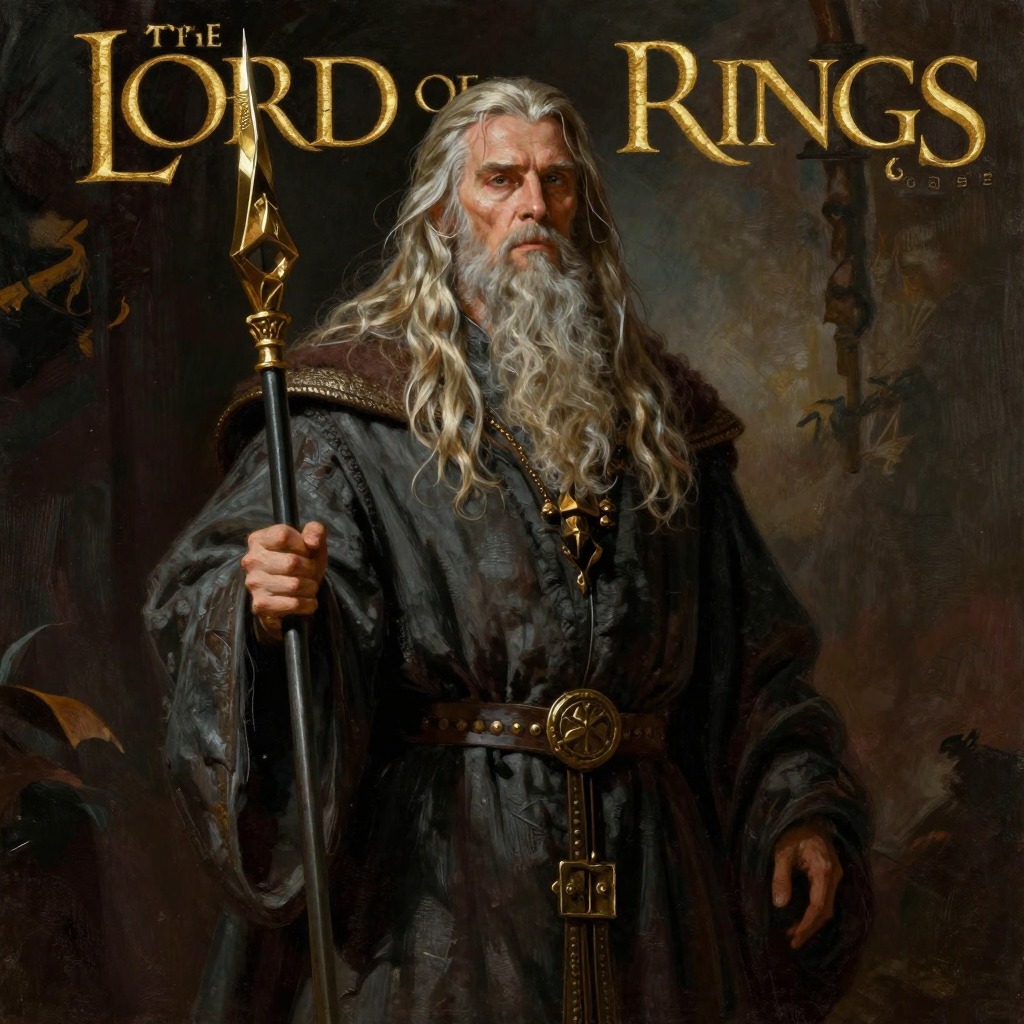
Denethor is introduced as the Lord of Gondor and the Steward of the realm, a role that carries the weight of centuries of tradition. He is a man of great lineage, the son of Ecthelion, and his authority is absolute in the absence of a king. His position is not merely administrative; it is a sacred trust, and he wields the staff of his stewardship as a symbol of his office. He is a figure of considerable power and intellect, but also of profound pride, a trait that proves to be his undoing. His deep love for his sons, particularly Boromir, is evident, and it is this love, twisted by despair, that drives him to his tragic end.
The Burden of the Steward and the Palantír
Denethor's rule is defined by his struggle against the shadow of Mordor. He is a man who carries the immense burden of defending Gondor against an overwhelming enemy, and he seeks every advantage he can find. This leads him to use the palantír, a seeing-stone, to gather intelligence on the movements of the Enemy. However, this act of defiance against Sauron's will becomes a source of his corruption. Through the stone, Sauron is able to feed Denethor visions of Gondor's inevitable defeat, twisting his perception and filling him with a despair that erodes his reason. His use of the palantír is a direct contest of wills with the Dark Lord, a battle he ultimately loses, as the visions he sees break his spirit and convince him that all hope is lost.
The Descent into Madness and the Pyre
The culmination of Denethor's despair is witnessed in his final, horrifying act. Believing that all is lost and that his son Faramir is beyond saving, he resolves to end his own life and that of his son. He orders his servants to prepare a pyre, and in a scene of terrible grandeur, he seizes a torch and sets the fuel ablaze. In a final act of defiance and madness, he leaps upon the table, takes up the staff of his stewardship, and breaks it over his knee, casting the pieces into the flames. He then lays himself upon the table, clasping the palantír to his breast as he is consumed by the fire. This act is so potent that it is said that ever after, any man who looked into that stone would see only two aged hands withering in flame, a permanent testament to his despair and the corruption of his will.
The End of an Era and the Legacy of Despair
Denethor's death is more than the passing of a single man; it is the symbolic end of the age of the Stewards. As Gandalf observes, with Denethor's passing, the days of Gondor as they were known are ended. His suicide is a direct consequence of the Enemy's machinations, a victory for Sauron that is only undone by the courage of others. His final words and actions are a stark contrast to the hope represented by the return of the King. His broken staff, cast into the fire, is a powerful image of the dissolution of his office and the old order. The palantír, once a tool of his wisdom, becomes a relic of his madness, forever marked by his final, desperate act. His story serves as a cautionary tale about the dangers of pride and despair, and the corrupting influence of the Enemy's power, even on the noblest of hearts.