Aragorn
Aragorn, known to most as Strider, is the heir of Isildur and the rightful King of Gondor, a destiny he conceals for much of his life. As a Ranger of the North, he appears as a weather-beaten wanderer, yet his true lineage marks him as the last of the Númenórean kings, a figure of immense importance in the struggle against Sauron. His role in the War of the Ring, from guiding the hobbits to leading armies, culminates in his coronation as King Elessar, fulfilling an ancient prophecy and restoring the line of kings to Gondor and Arnor.
Identity and Background
Aragorn's identity is a carefully guarded secret, known to few. He is introduced to the hobbits not as a king, but as Strider, a mysterious and somewhat disreputable-looking Ranger. His true name and heritage are revealed through a letter from Gandalf, which includes a verse that speaks of his destiny: "All that is gold does not glitter, Not all those who wander are lost; The old that is strong does not wither, Deep roots are not reached by the frost. From the ashes a fire shall be woken, A light from the shadows shall spring; Renewed shall be blade that was broken, The crownless again shall be king." This verse, delivered to Frodo Baggins at the Prancing Pony, confirms that Aragorn is the heir of Isildur, the man who cut the One Ring from Sauron's hand. His lineage makes him a direct threat to Sauron and a beacon of hope for the Free Peoples, but it is a heritage he must prove worthy of through deeds, not just birth.
Life and Plot Trajectory
Aragorn's path is one of long preparation and sudden, decisive action. For decades, he served as a Ranger, protecting the lands of the North from the shadows that crept in, living a life of anonymity and hardship. This changed when he encountered the hobbits, Frodo Baggins, Samwise Gamgee, Meriadoc Brandybuck, and Peregrin Took, and took on the task of guiding them to Rivendell. His role expanded at the Council of Elrond, where he was chosen as a member of the Fellowship of the Ring, tasked with escorting the Ring-bearer to Mordor. His leadership was tested throughout the journey, from the treacherous pass of Caradhras to the dark halls of Moria. After the Fellowship broke, he chose to pursue the captured hobbits Merry and Pippin, a decision that led him to the Battle of Helm's Deep and the Paths of the Dead, where he summoned an army of the dead to fulfill an ancient oath. His military acumen and his claim to the throne of Gondor became central to the war effort, culminating in his leadership at the Battle of the Pelennor Fields and the final march to the Black Gate.
Key Actions and Objectives
Aragorn's primary objective is to see the One Ring destroyed and Sauron defeated, but his personal quest is to claim his birthright as King of Gondor. He demonstrates his worth through a series of key actions. He proves his skill as a tracker and warrior, finding the mallorn-leaf and cut cords that revealed the hobbits' escape from the Orcs, and identifying the orc-knife that had cut their bonds. He shows his strategic mind in battle, leading the defense of Helm's Deep and later commanding the forces of the West. His most dramatic act is taking the Paths of the Dead, a road no living man had dared to tread, to command the oathbreakers who had betrayed Isildur. By forcing them to fulfill their oath, he gains an invincible army that helps turn the tide at the Battle of the Pelennor Fields. These actions are not just military victories; they are proofs of his right to rule, demonstrating the courage, wisdom, and authority expected of a king.
Relationships and Conflict
Aragorn's relationships define his role in the story. His bond with Gandalf is one of mutual respect and trust, with the wizard acting as a mentor and guide, revealing his true identity to the hobbits. His friendship with Legolas and Gimli, forged through shared danger, represents the unity of the Free Peoples against a common enemy. His relationship with Boromir is more complex, marked by the steward's son's doubt and his own internal conflict over the Ring, a conflict that Aragorn understands but cannot resolve for him. His most significant personal relationship is with Arwen Undómiel, the Elf-lady whose love for him is tied to his choice to embrace his mortality and his destiny. His primary conflict is with Sauron, who sees him as a threat, and with the forces of Mordor that seek to destroy Gondor. He also faces the internal conflict of his own doubt, the weight of his heritage, and the fear of failing his people, a struggle he overcomes through his actions.
Change and Ending
Aragorn's journey is one of transformation from a hidden wanderer to a revealed king. He begins as Strider, a man of unknown origins, and ends as King Elessar, crowned in Gondor. His change is not just in title but in being; he accepts his fate and the responsibilities that come with it. After the Ring is destroyed and Sauron is defeated, he is crowned King of Gondor, fulfilling the prophecy of the crownless king. His reign marks the beginning of the Fourth Age, a time of healing and renewal for Middle-earth. He also marries Arwen, uniting the lines of Elves and Men, and his rule brings peace and prosperity to the Reunited Kingdom. His ending is a triumphant one, but it is also a farewell, as he passes from the world of Men, leaving behind a legacy of hope and restoration.
Narrative Role and Evaluation
Aragorn serves as the archetypal hero in the narrative, embodying the themes of hidden nobility, rightful rule, and the power of choice. His story arc follows the classic hero's journey, from his humble beginnings to his ultimate triumph. He is a figure of hope, a symbol that even in the darkest times, there is a light that can be rekindled. His character is defined not by his birth but by his actions, and his willingness to take on the burden of his destiny inspires others to do the same. He is a contrast to the corrupted figures like Saruman and Denethor, who fail to see the greater good, and his success is a testament to the idea that true leadership is earned, not inherited. His role in the story is essential, as he provides the military and political leadership needed to defeat Sauron, while also serving as a personal example of courage and integrity for the hobbits and the other members of the Fellowship.
Related StoryFlow
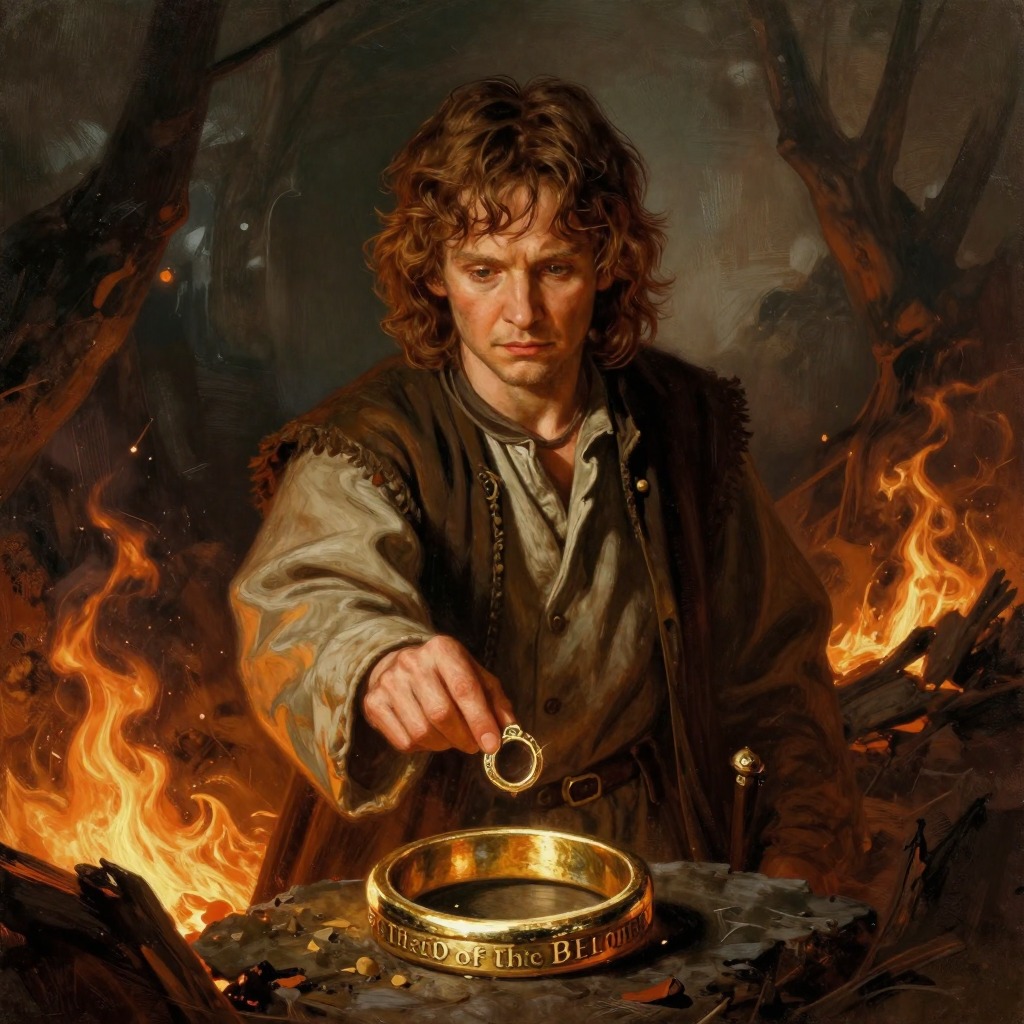 Frodo's Quest to Destroy the Ring
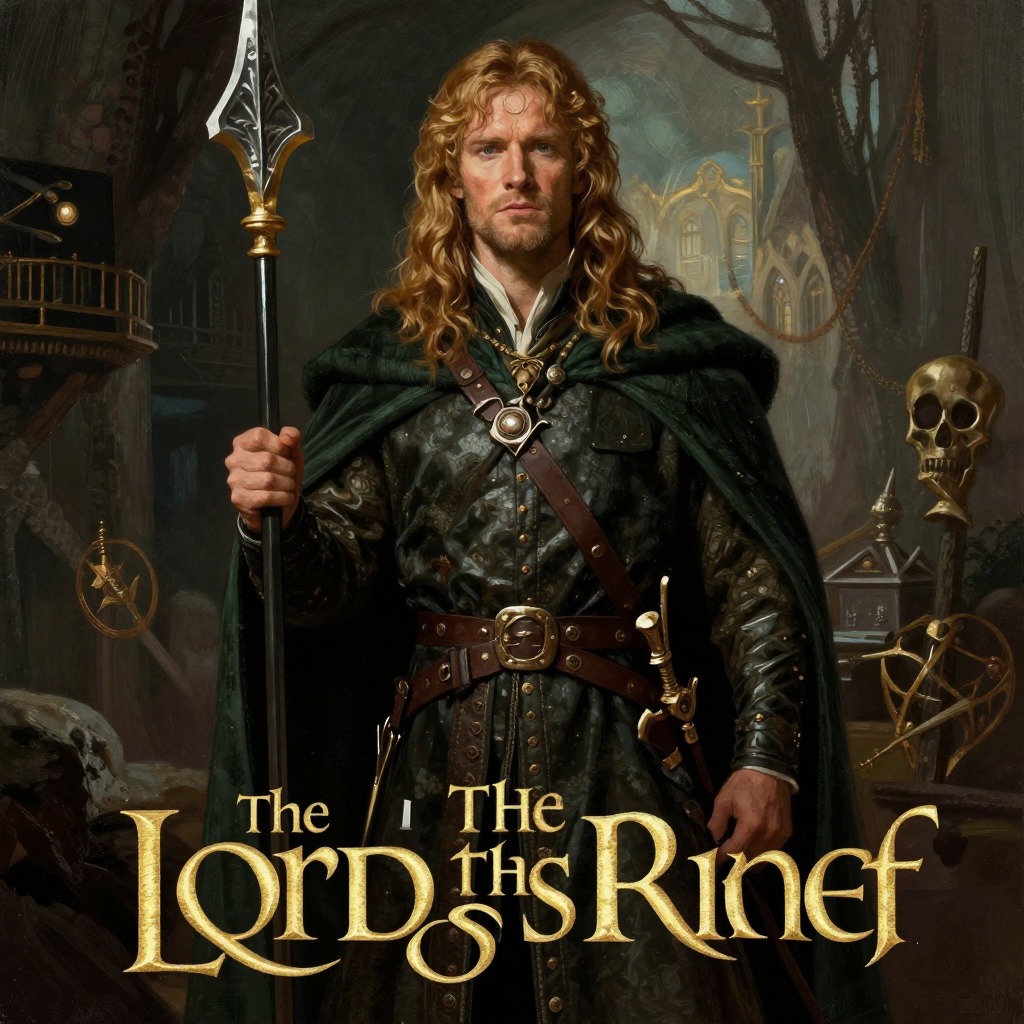 Aragorn's Path to Kingship
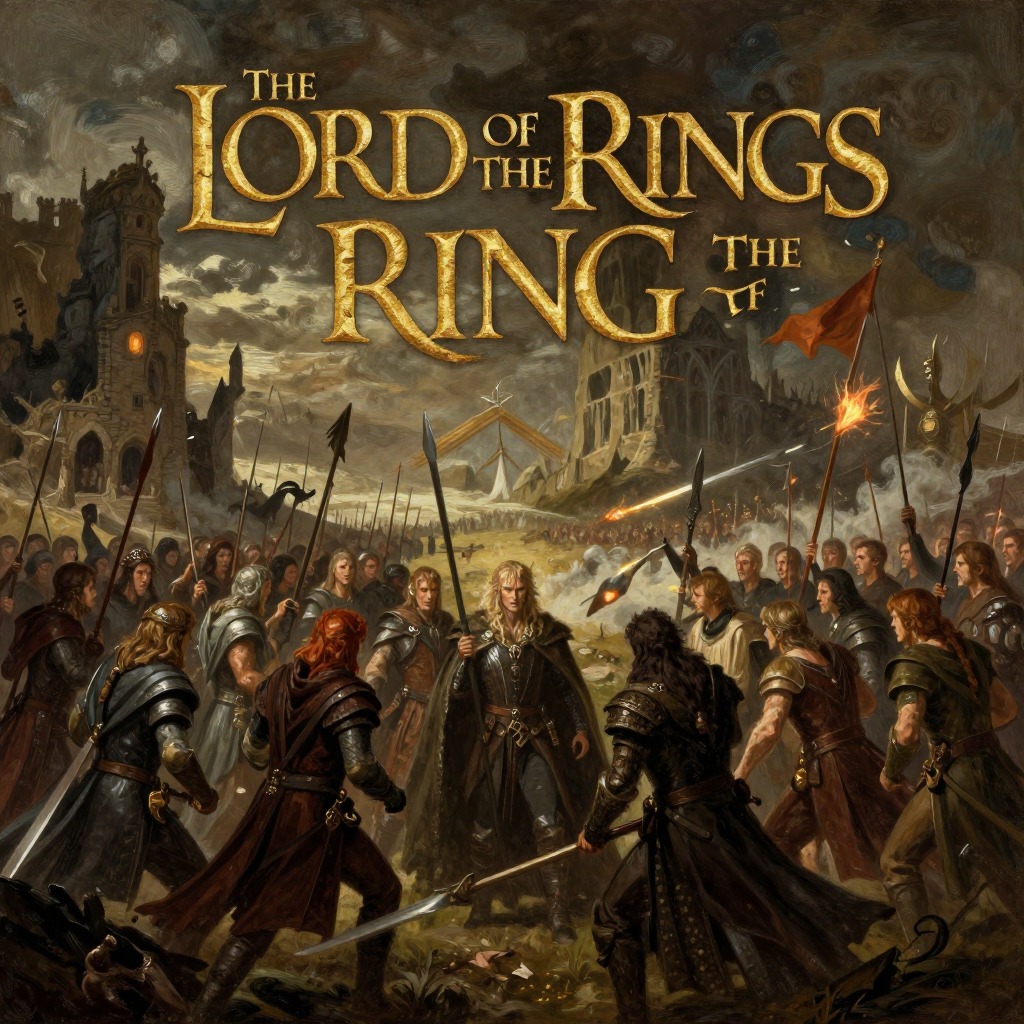 The War of the Ring
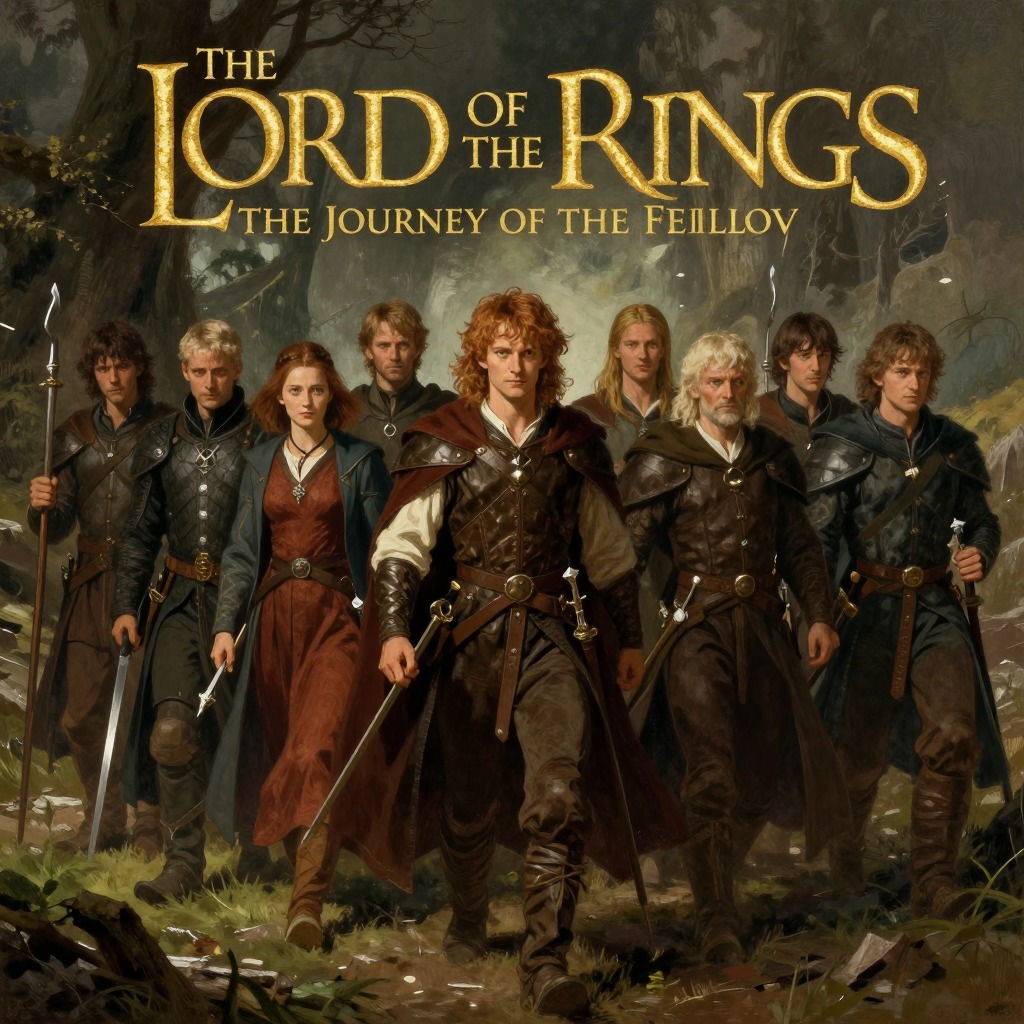 The Journey of the Fellowship
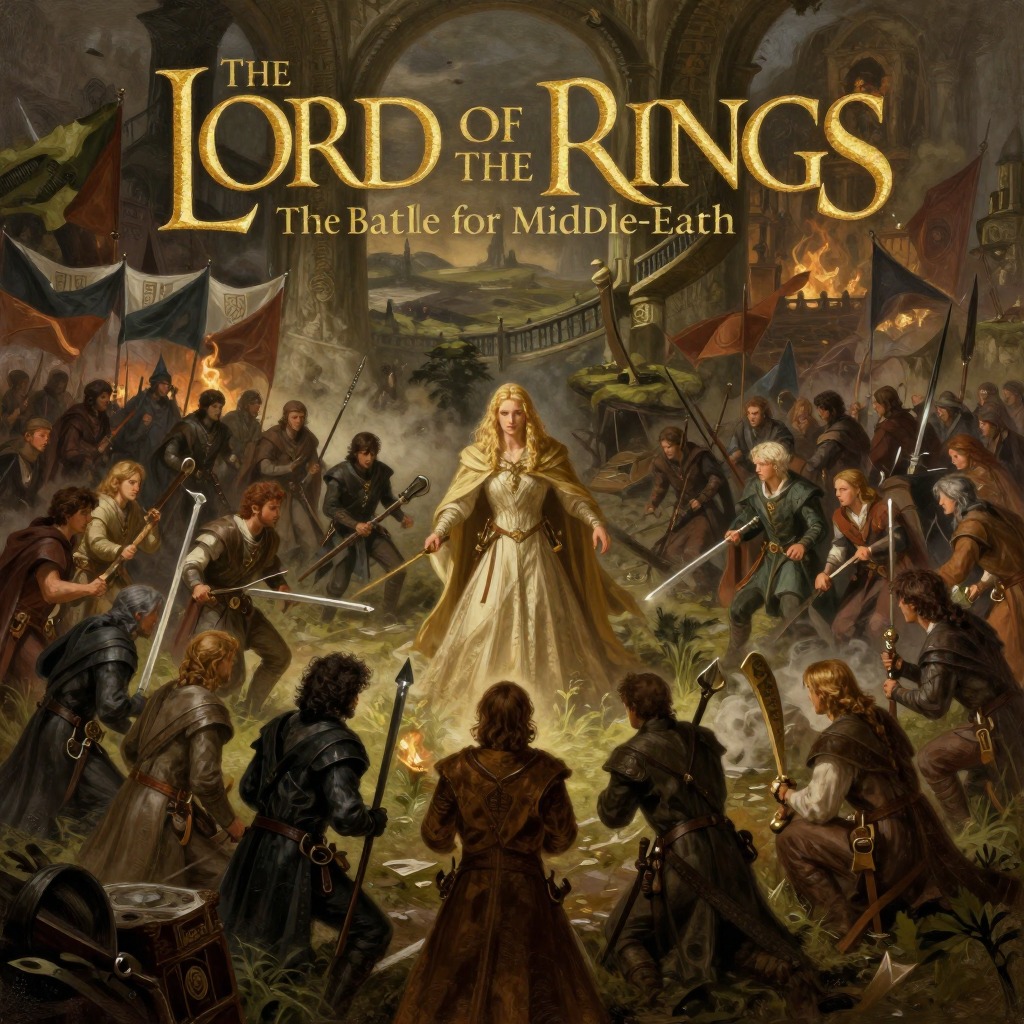 The Battle for Middle-earth
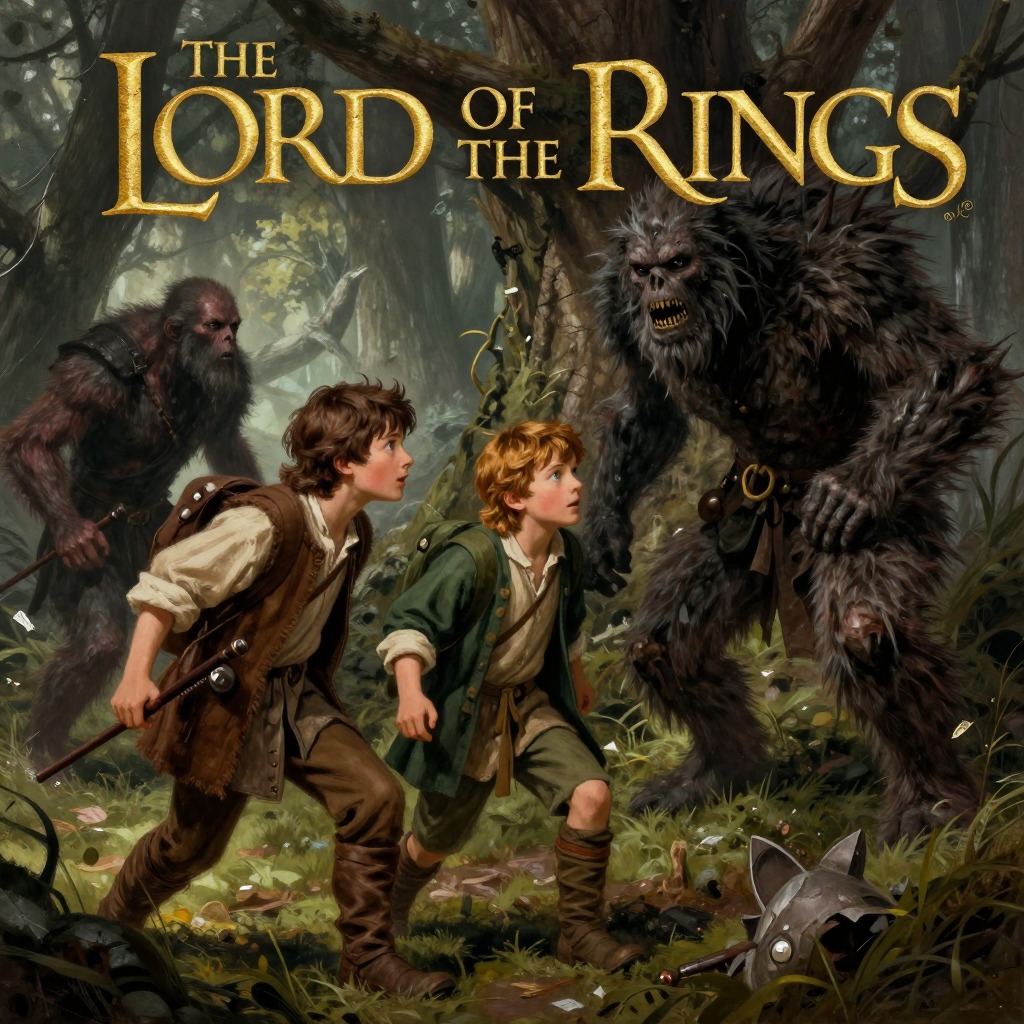 Merry and Pippin's Adventure with the Ents
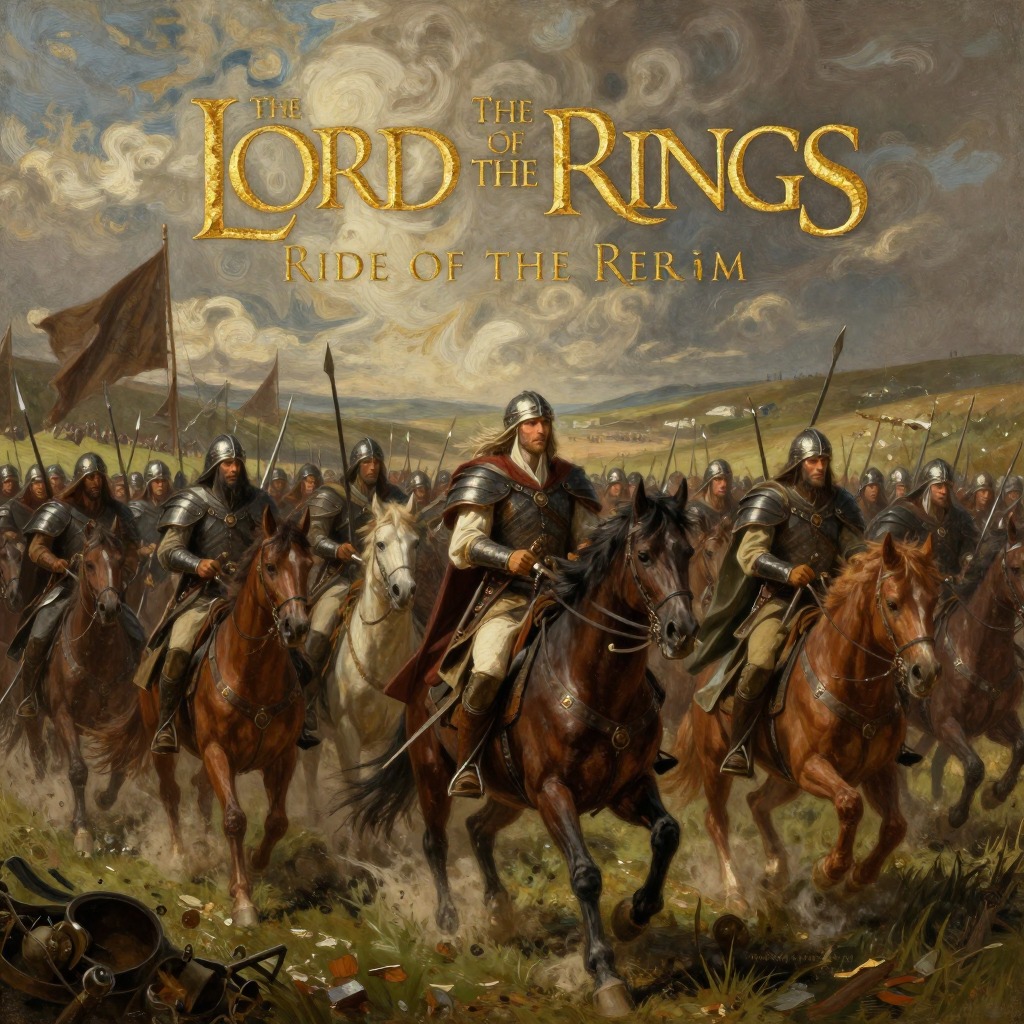 The Ride of the Rohirrim
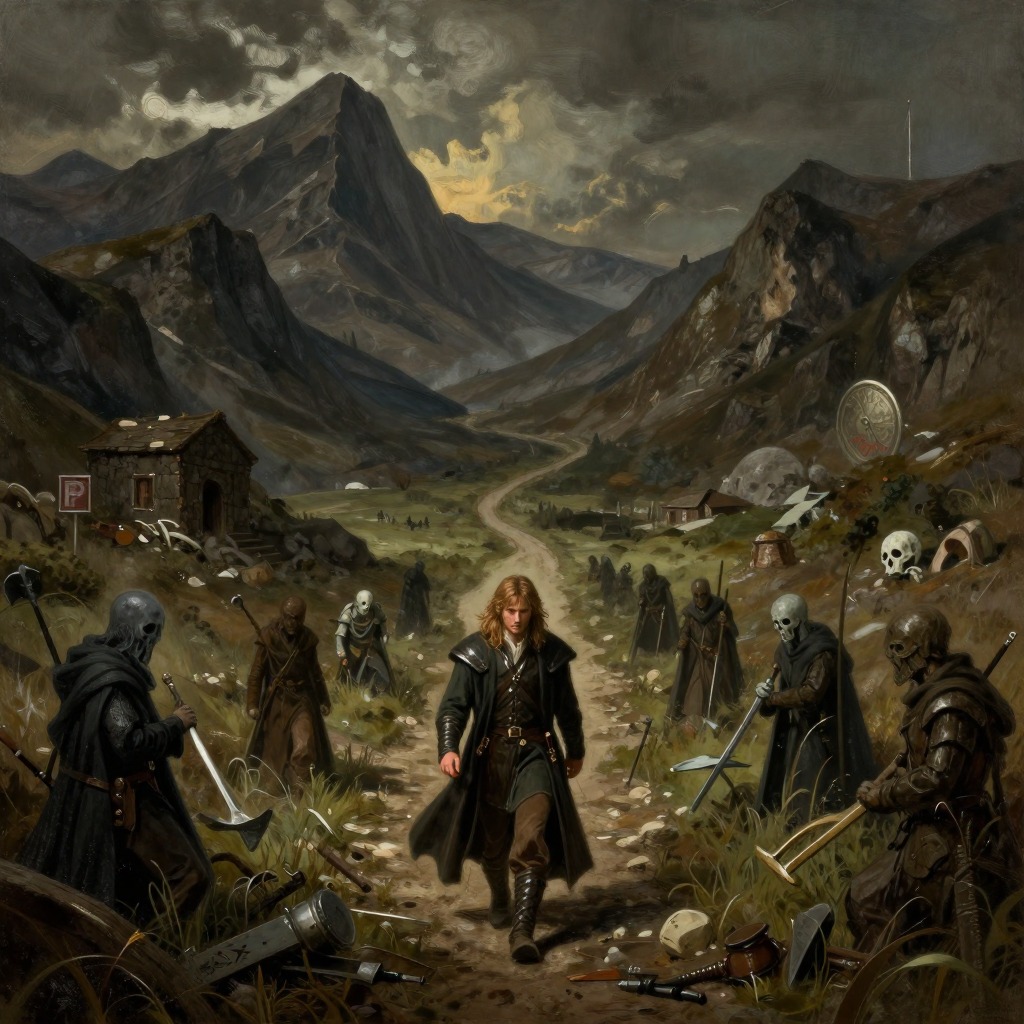 Aragorn's Path through the Paths of the Dead
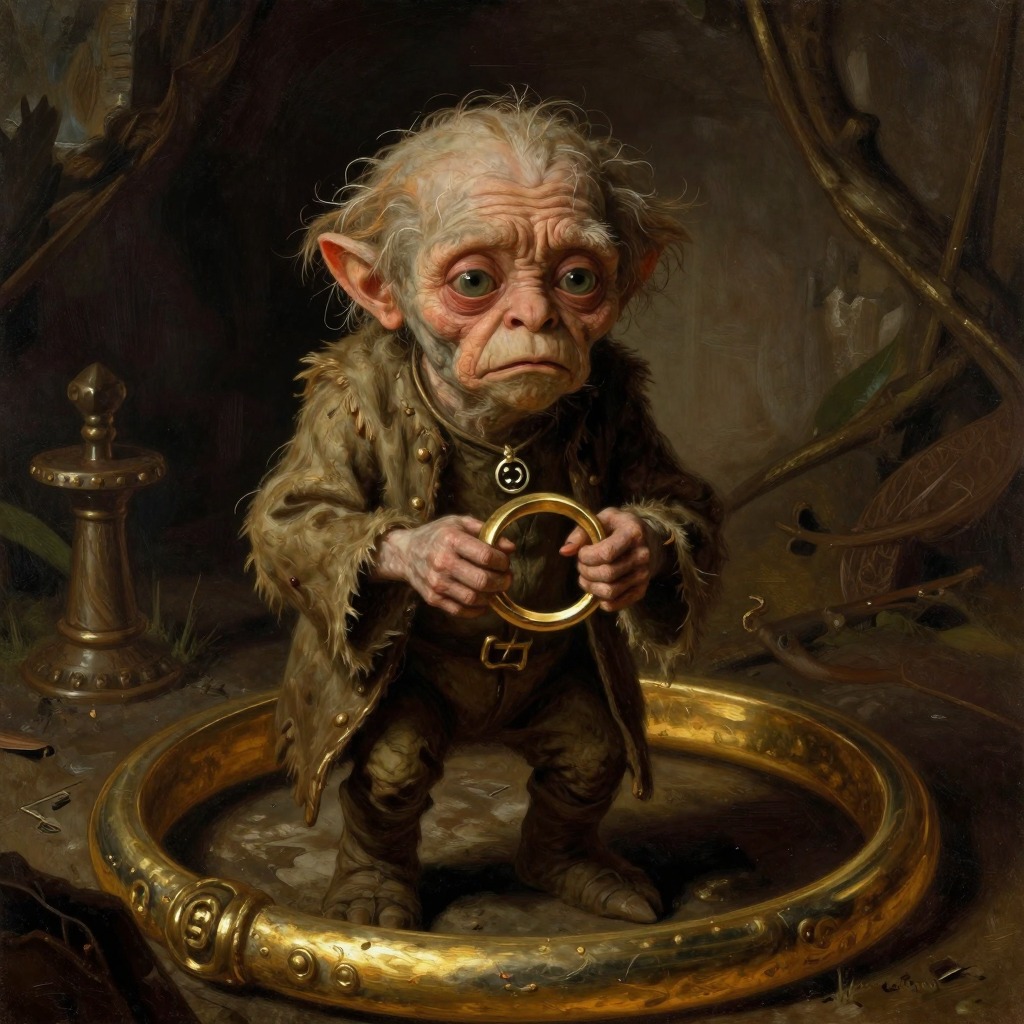 Gollum's Fate
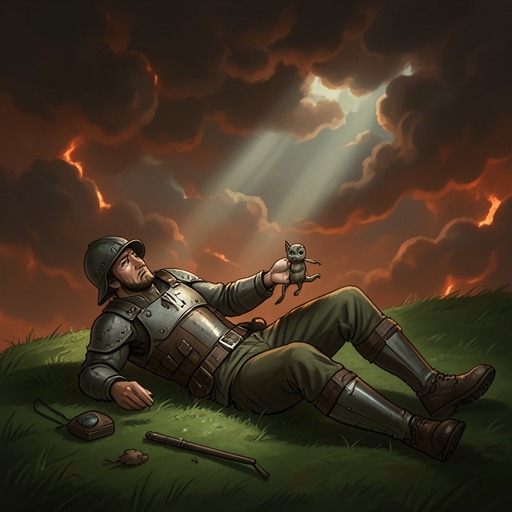 Boromir's Fall and Redemption
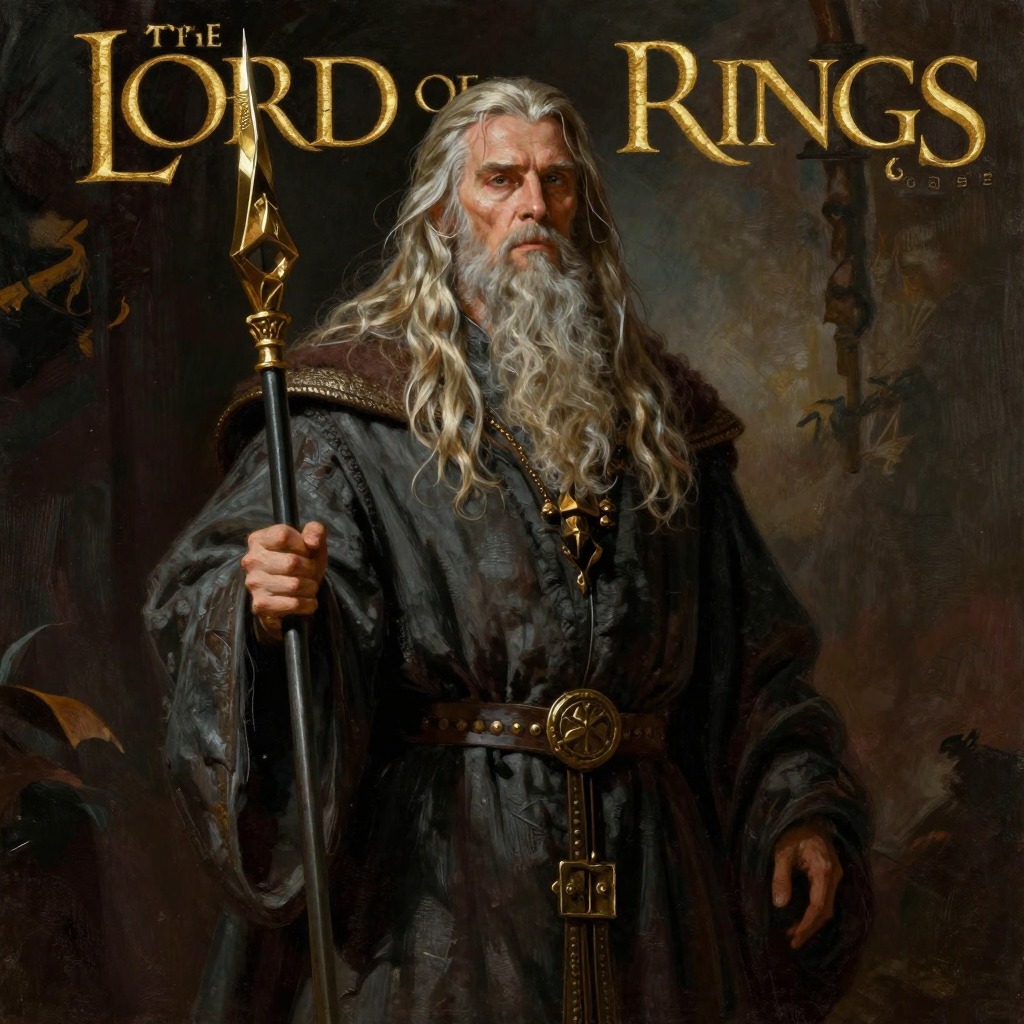 Denethor's Madness and Death
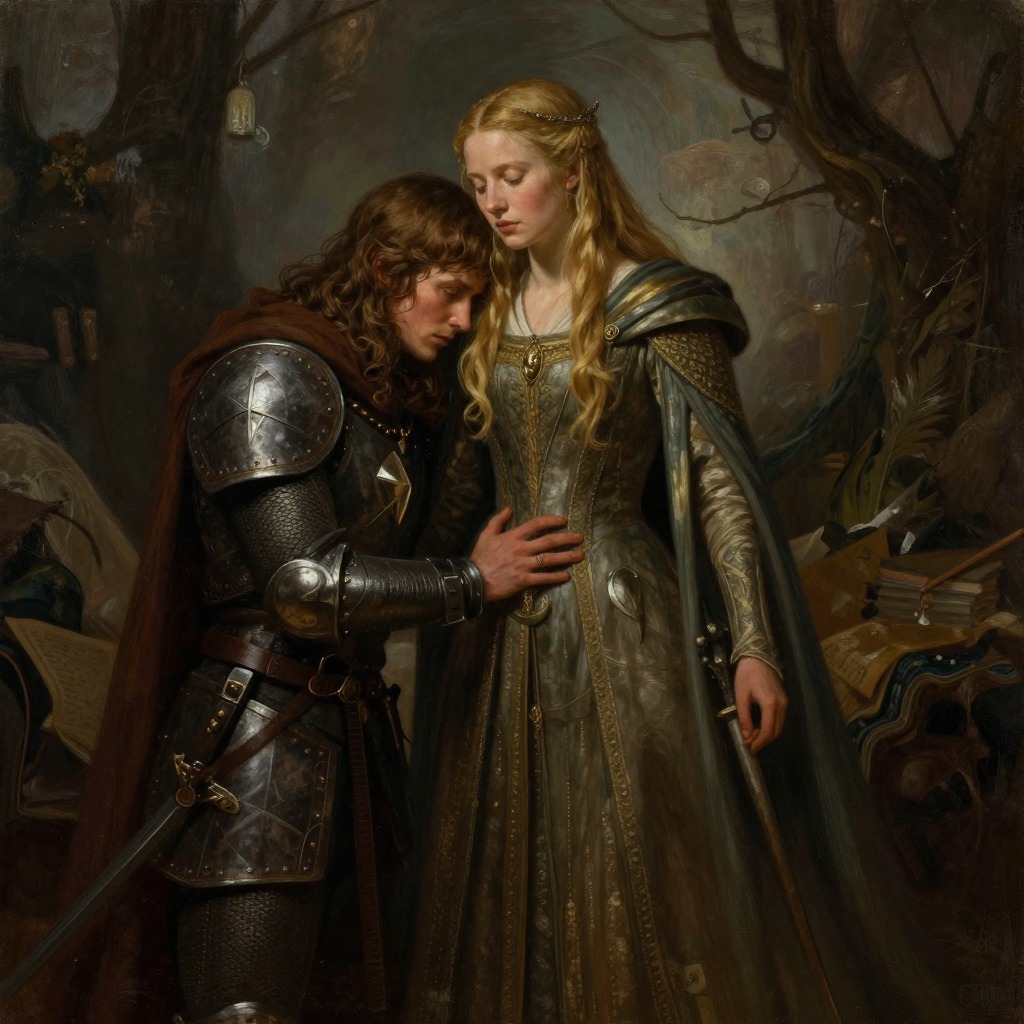 Éowyn's Transformation
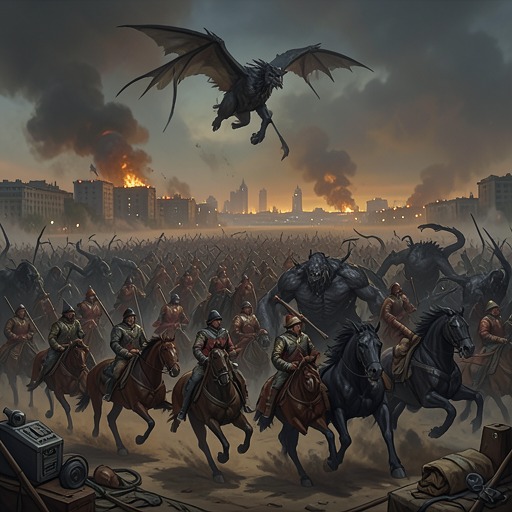 The Battle of the Pelennor Fields
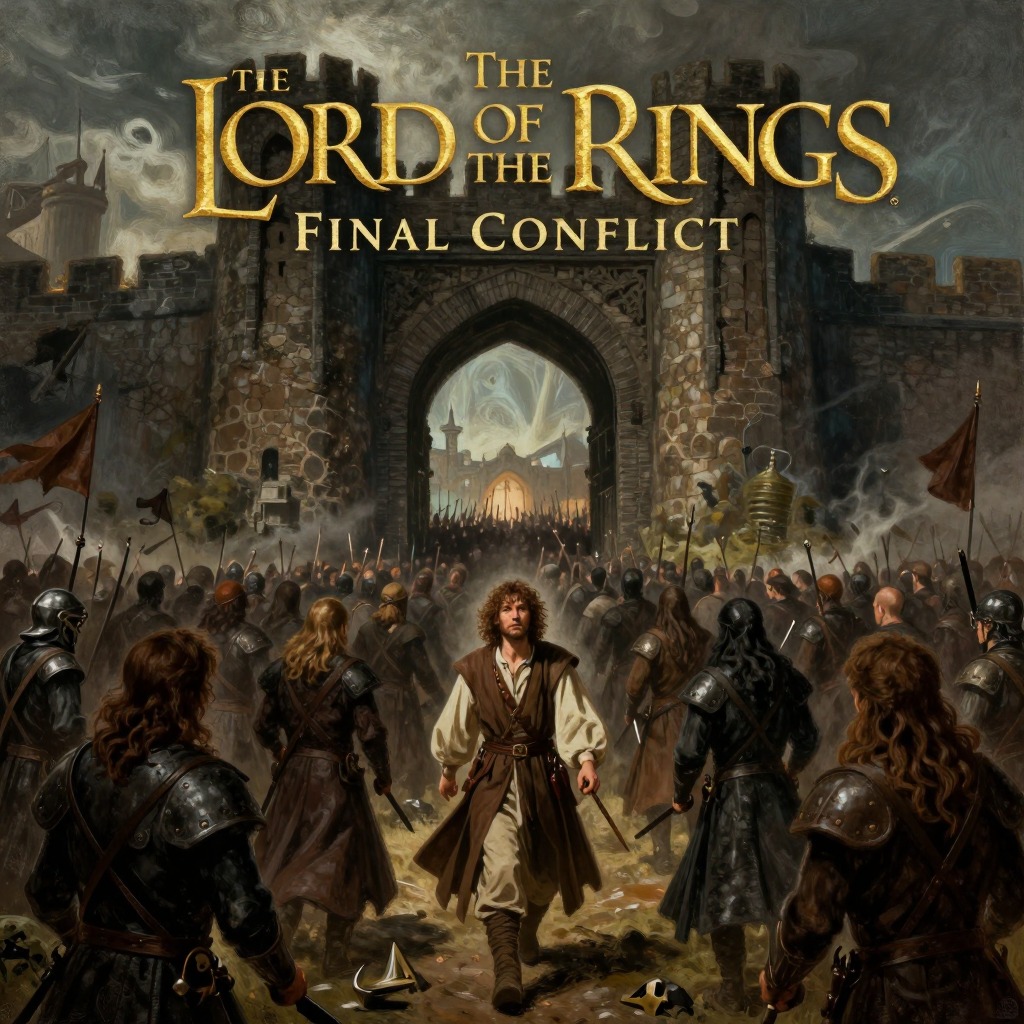 The Final Conflict at the Black Gate
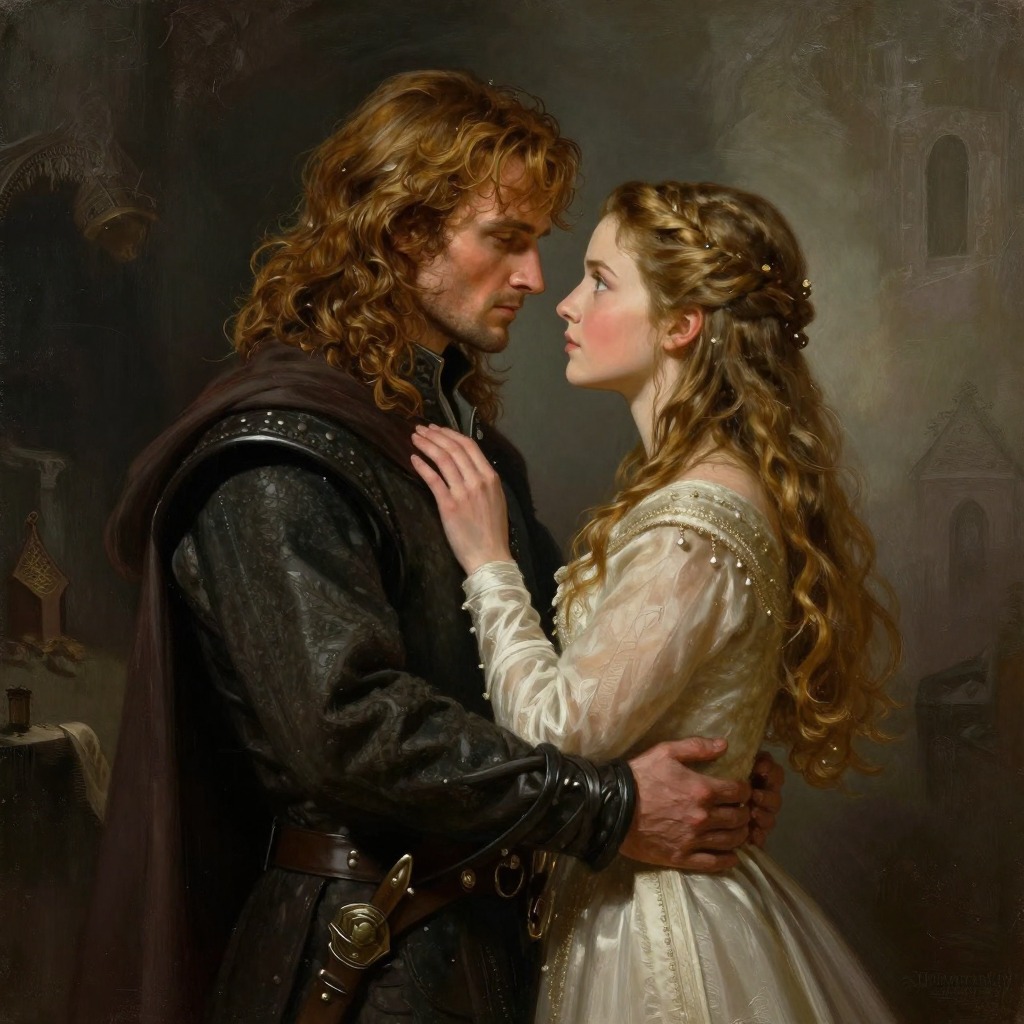 Aragorn and Arwen's Love
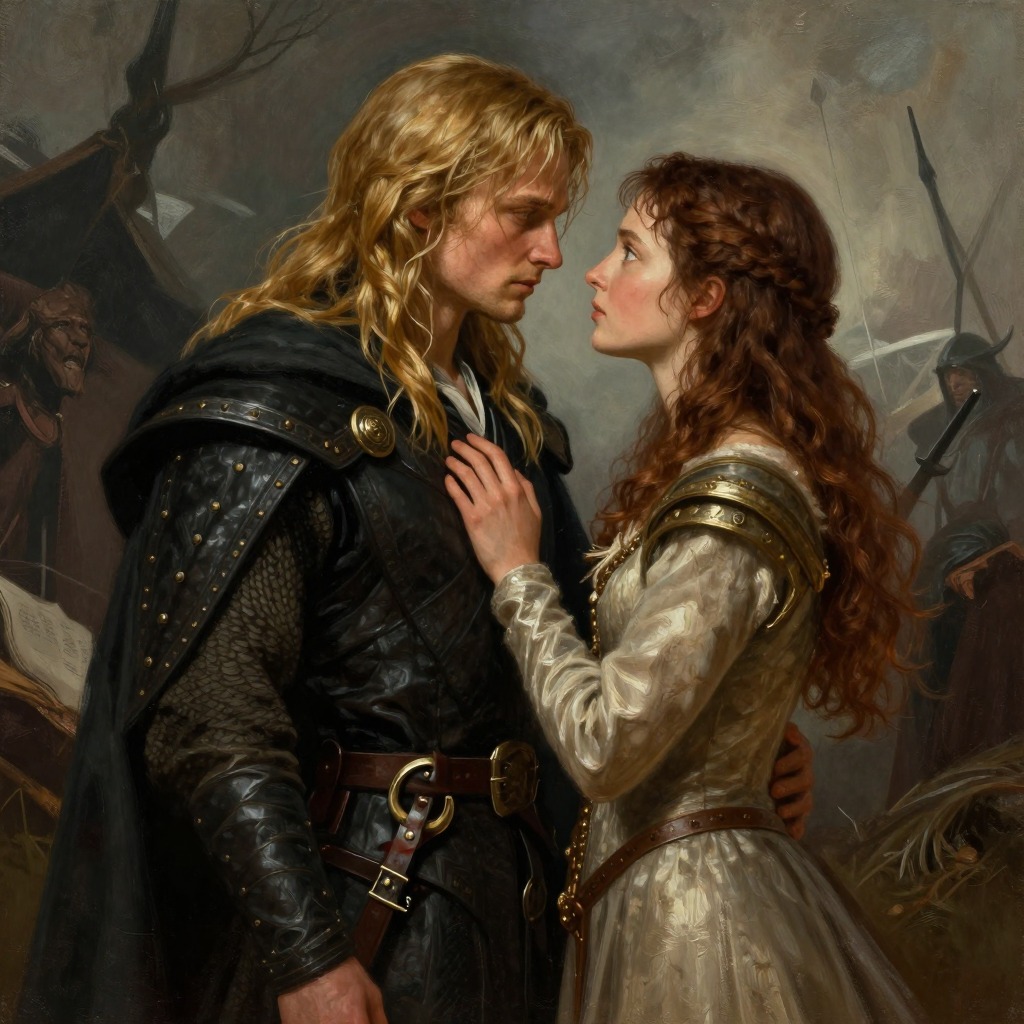 Faramir and Éowyn's Love
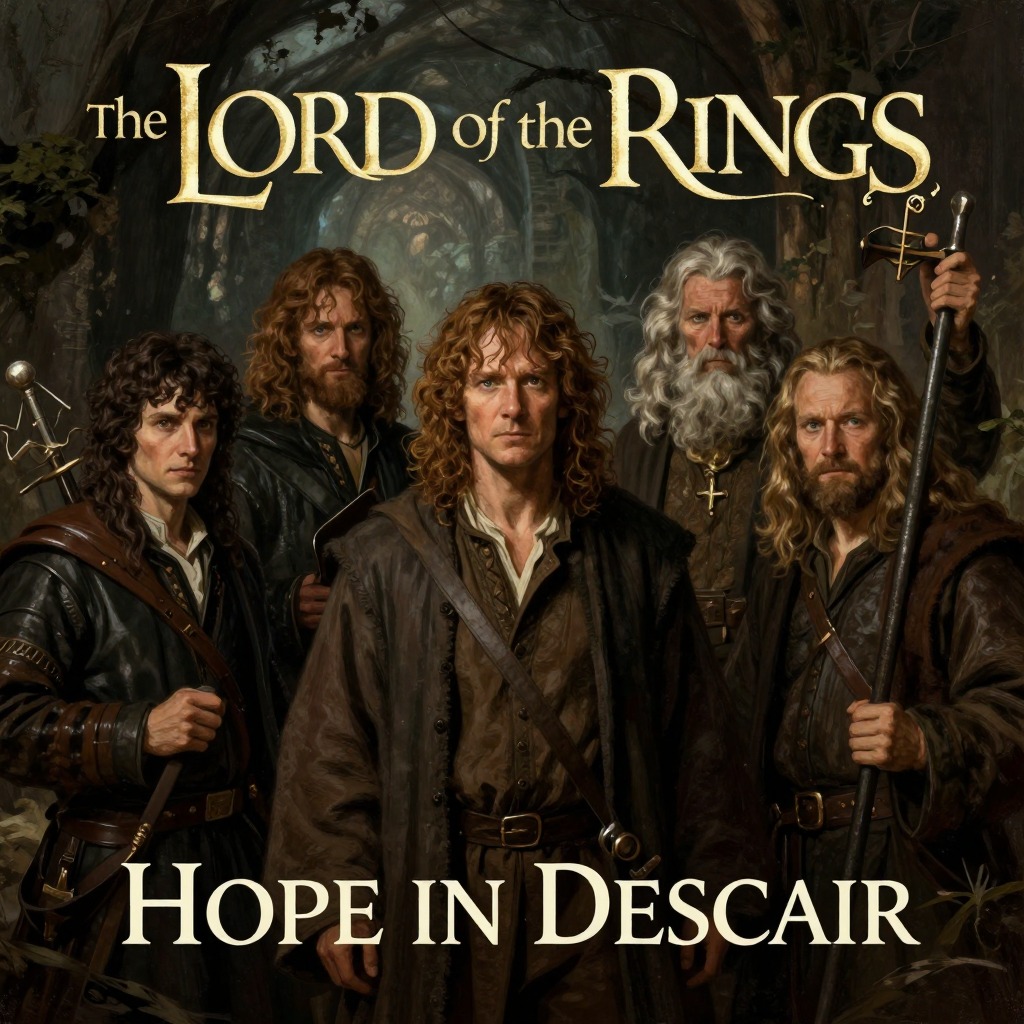 Hope in Despair
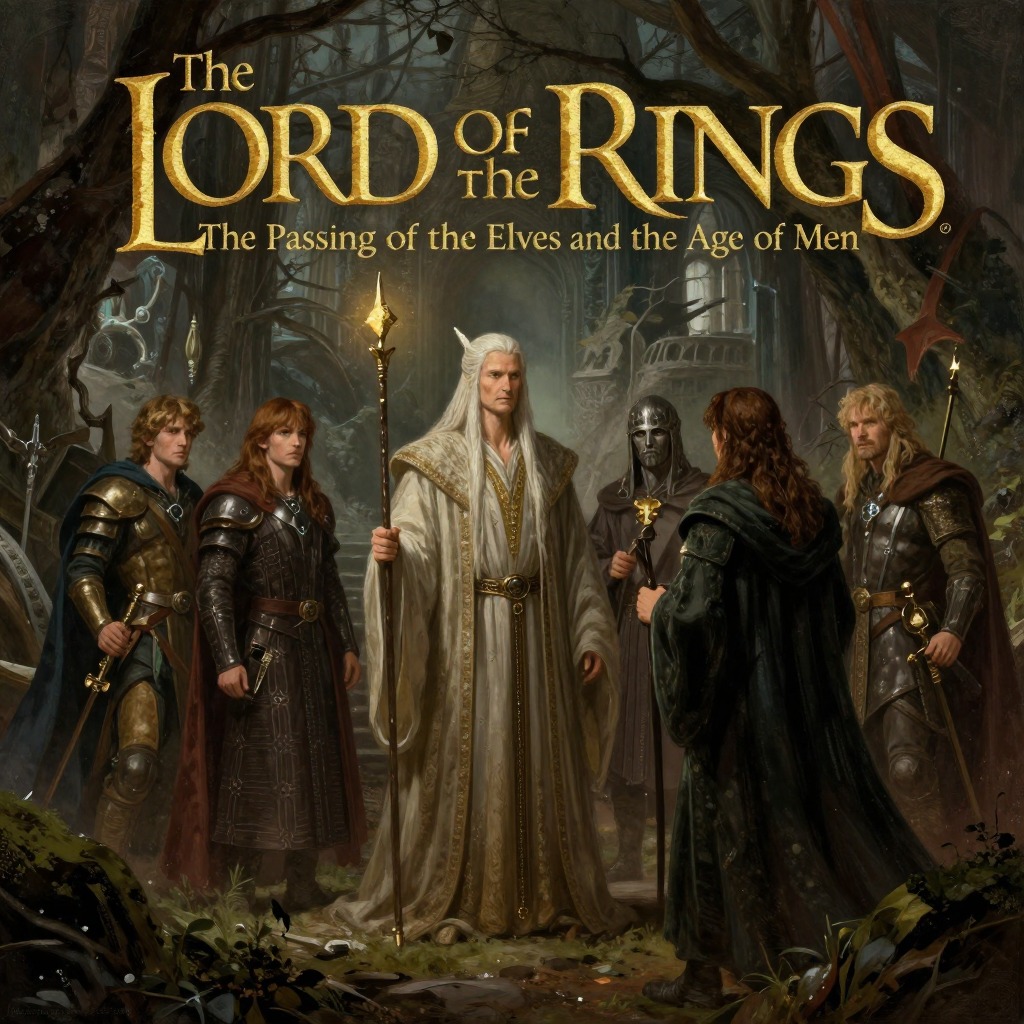 The Passing of the Elves and the Age of Men