Faramir
Faramir, son of Denethor, stands as one of the most quietly heroic figures in the War of the Ring, a Captain of Gondor whose wisdom, restraint, and compassion set him apart in a time of despair. As the younger son of the Steward of Gondor, he carries the weight of a fading realm and a father's favoritism toward his elder brother, Boromir. Yet where others are consumed by pride or the lure of power, Faramir repeatedly demonstrates a clarity of vision and a moral steadfastness that make him a crucial counterpoint to the darker currents of his age. His story, woven through the latter part of the narrative, moves from the shadow of war to a personal renewal that mirrors the larger hope of his people.
Identity and Background
Faramir is introduced as the second son of Denethor, the Steward of Gondor, and the brother of Boromir, the fallen hero of the Fellowship. Unlike his brother, who was favored by their father and celebrated as a warrior, Faramir is portrayed as a man of deeper thought and greater wisdom, one who reads the hearts of men and the signs of the times. His role as Captain of Gondor places him in command of the defense of the realm, particularly in the region of Ithilien, where he leads the Rangers who harry the forces of Mordor. His lineage and position tie him directly to the long history of Gondor's stewardship, a line of rulers who have held the realm in the absence of a king. This background shapes his sense of duty and his understanding of the stakes of the war, as he carries both the pride and the burden of his house.
Life and Plot Trajectory
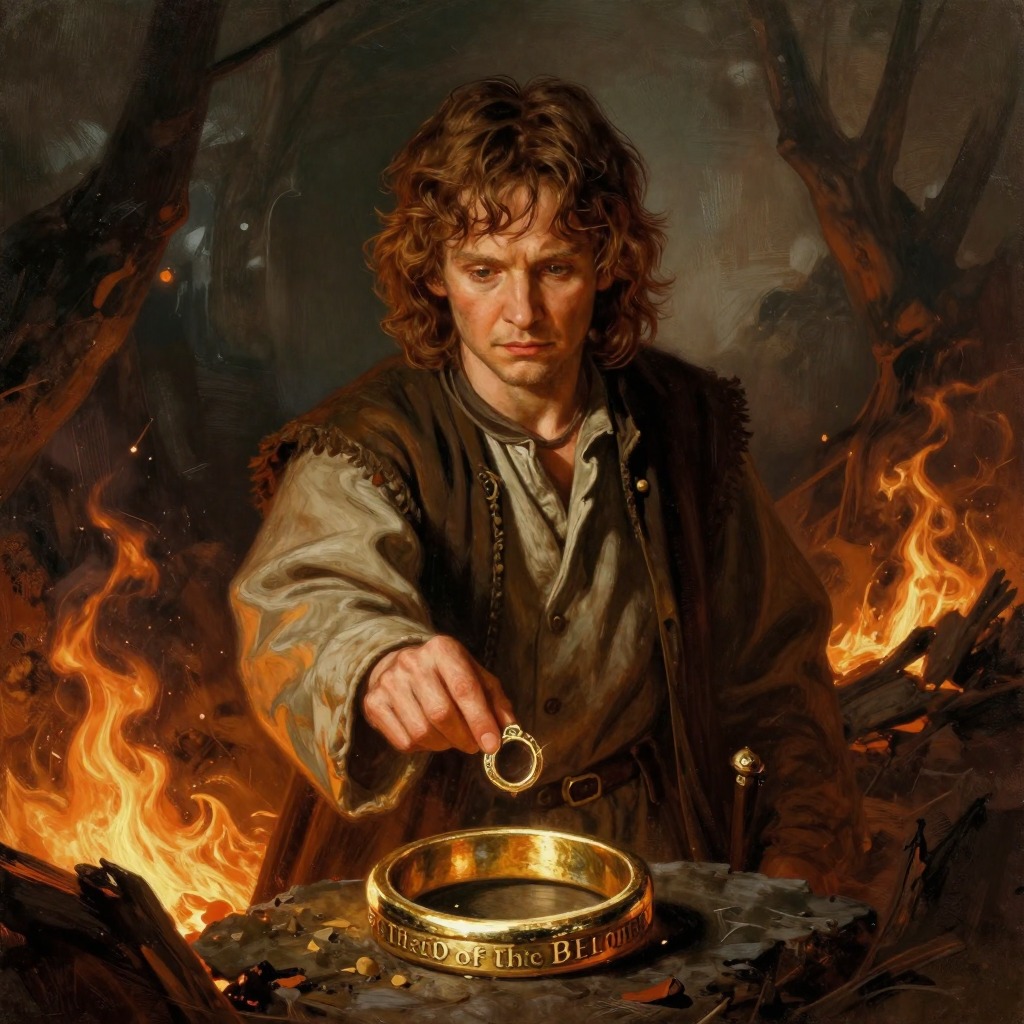
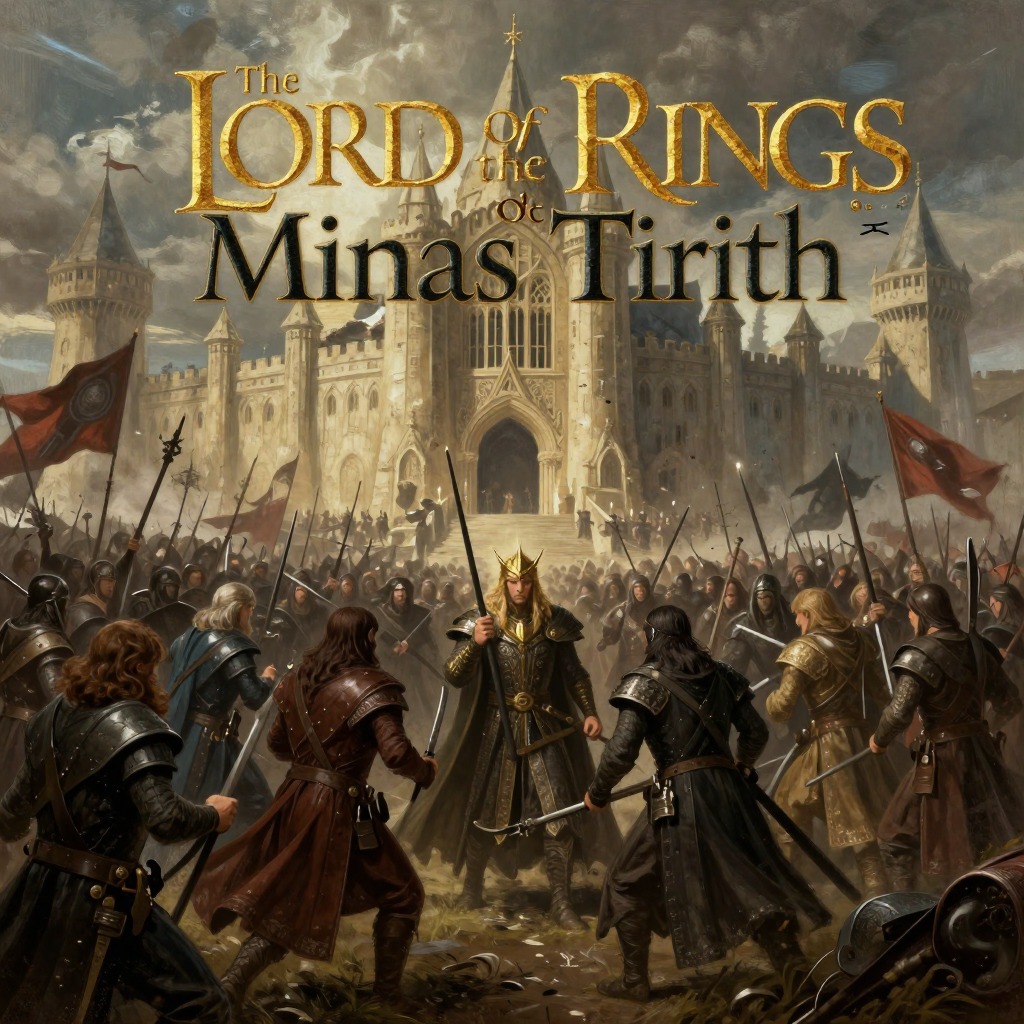
Faramir's path through the narrative is marked by a series of trials that test his character and his loyalty. His most significant encounter comes when he captures Frodo Baggins and Samwise Gamgee in the wilds of Ithilien, a meeting that could have ended in disaster for the quest. Instead of seizing the Ring or succumbing to its allure, Faramir proves himself to be a man of exceptional integrity. He listens to Frodo's account, recognizes the gravity of the mission, and chooses to aid the hobbits rather than exploit them. This decision stands in stark contrast to the temptation that overcame his brother, Boromir, and it establishes Faramir as a figure of moral clarity in a world where the Ring corrupts even the strongest wills. His trajectory then leads him back to Minas Tirith, where he takes up the defense of the city against the overwhelming forces of Sauron. In the siege that follows, he is gravely wounded, struck down while leading a desperate sortie against the enemy. His injury and subsequent fever bring him to the brink of death, and it is in this state that he becomes a focal point for the city's despair and, ultimately, for its healing.
Key Actions and Objectives
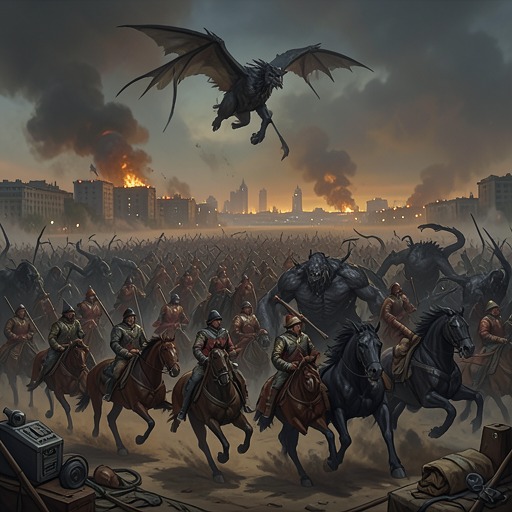
Faramir's primary objective throughout the war is the defense of Gondor and the preservation of his people. This duty drives him to lead the Rangers of Ithilien in their guerrilla campaign against the enemy, and later to command the defense of Osgiliath and the Rammas Echor, the outer walls of Minas Tirith. His actions are characterized by a careful balance of boldness and prudence; he is willing to risk his life in battle, but he also understands the value of patience and strategy. His encounter with Frodo reveals another objective: the protection of the quest itself. By choosing not to take the Ring, Faramir demonstrates that his loyalty to the greater good outweighs any personal ambition. He provides the hobbits with provisions and guidance, sending them on their way with his blessing and his warning about the perils that lie ahead. This act of selflessness is one of the defining moments of his character, showing that he is a man who can be trusted with the most dangerous of secrets.
Relationships and Conflict
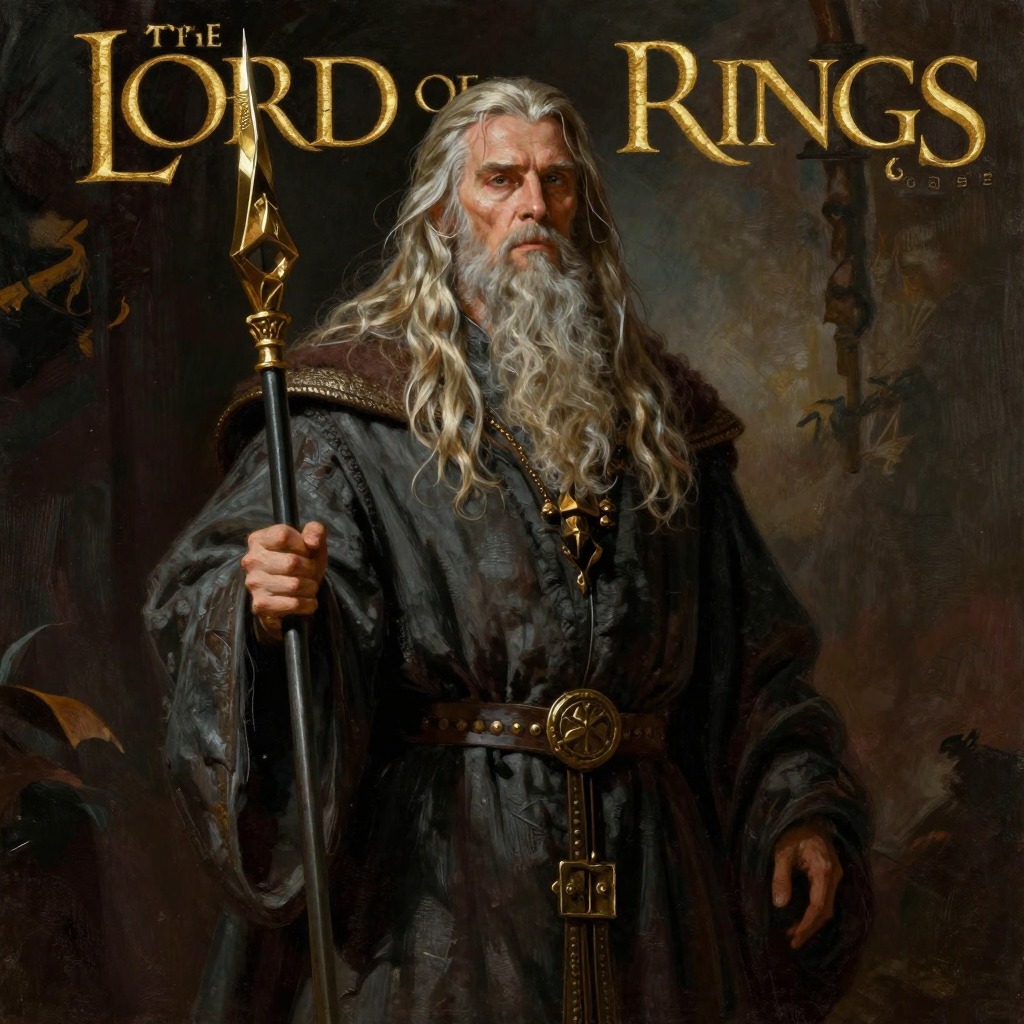
The central conflict in Faramir's life is his relationship with his father, Denethor. The Steward's favoritism toward Boromir is a source of deep pain for Faramir, who is constantly measured against his brother and found wanting in his father's eyes. This dynamic is exacerbated by Denethor's growing despair and his use of the palantír, which corrupts his judgment and drives him to madness. In the midst of the siege, Denethor's grief over Boromir's death and his despair over the war lead him to abandon his duties and to contemplate a terrible end for himself and his remaining son. Faramir, lying wounded and feverish, becomes a pawn in his father's tragic design. Yet even in this darkest hour, Faramir's own character shines through. His relationship with the hobbits, particularly with Frodo, is one of mutual respect and trust, a bond forged in the crucible of war. He also shares a deep connection with the memory of his brother, and his grief for Boromir is genuine, even as he struggles to live up to a legacy that was never truly his.
Change and Ending
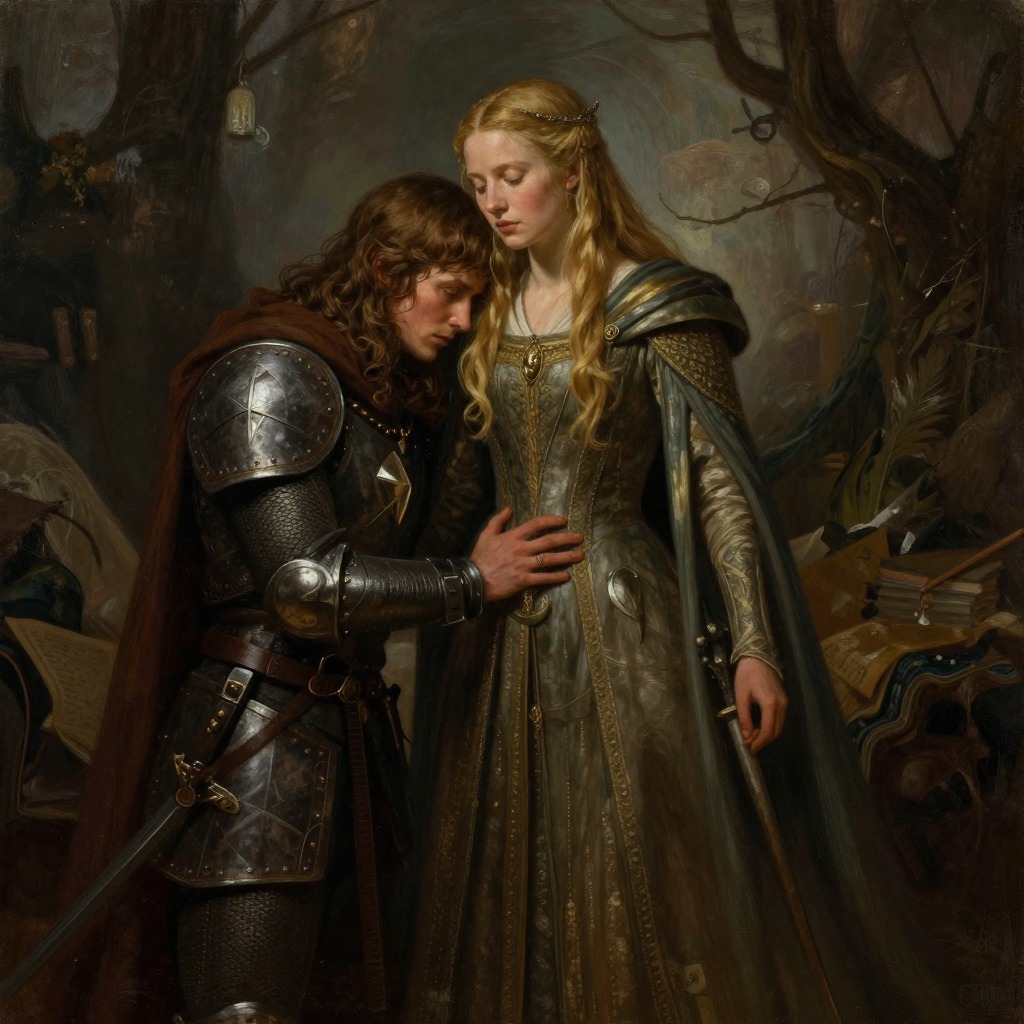
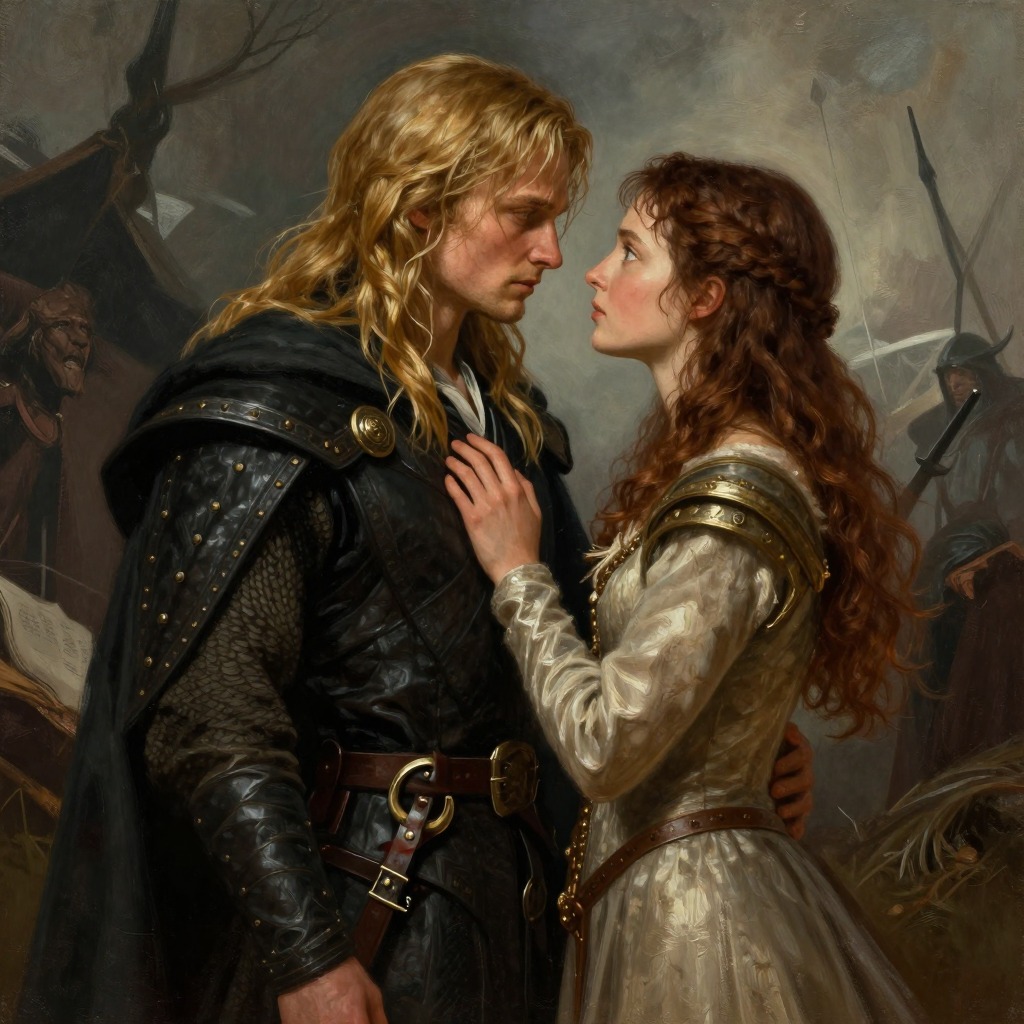
Faramir's arc culminates in a moment of profound transformation. After being wounded in the defense of the city, he lies in the White Tower, drifting in a fever while his father sits beside him, consumed by despair. It is here that Aragorn, the returning king, comes to his aid. Using the healing herb athelas, Aragorn calls Faramir back from the brink of death. As Faramir opens his eyes and sees the king before him, a light of knowledge and love is kindled in his gaze, and he speaks with a newfound clarity. He recognizes Aragorn as his rightful lord, and his words signal a shift in his allegiance from the failing stewardship to the restored monarchy. This moment of healing is not just physical but spiritual; it marks the end of Faramir's long ordeal and the beginning of a new life. He is no longer the overlooked son of a despairing father, but a loyal servant of the king, ready to serve in the new age that dawns after the war.
Narrative Role and Evaluation
Faramir's role in the narrative is to embody the virtues that Gondor needs to survive: wisdom, humility, and unwavering integrity. He serves as a foil to his brother Boromir, whose fall to the Ring's temptation highlights Faramir's own resistance. He also stands in contrast to his father, whose pride and despair lead to ruin, while Faramir's faith and hope point toward renewal. His encounter with Frodo is a crucial test of character, one that he passes with grace, and it cements his place as one of the few figures in the story who can be trusted with the Ring's secret. In the larger tapestry of the war, Faramir represents the possibility of redemption and the endurance of noble ideals in the face of overwhelming darkness. His healing at the hands of Aragorn is a symbolic act, a restoration of the bond between the people of Gondor and their rightful king, and it foreshadows the peace and prosperity of the Fourth Age. Faramir is not a hero of grand gestures or epic battles, but a hero of quiet strength and moral courage, and it is this quality that makes him one of the most admirable characters in the entire legendarium.