Boromir
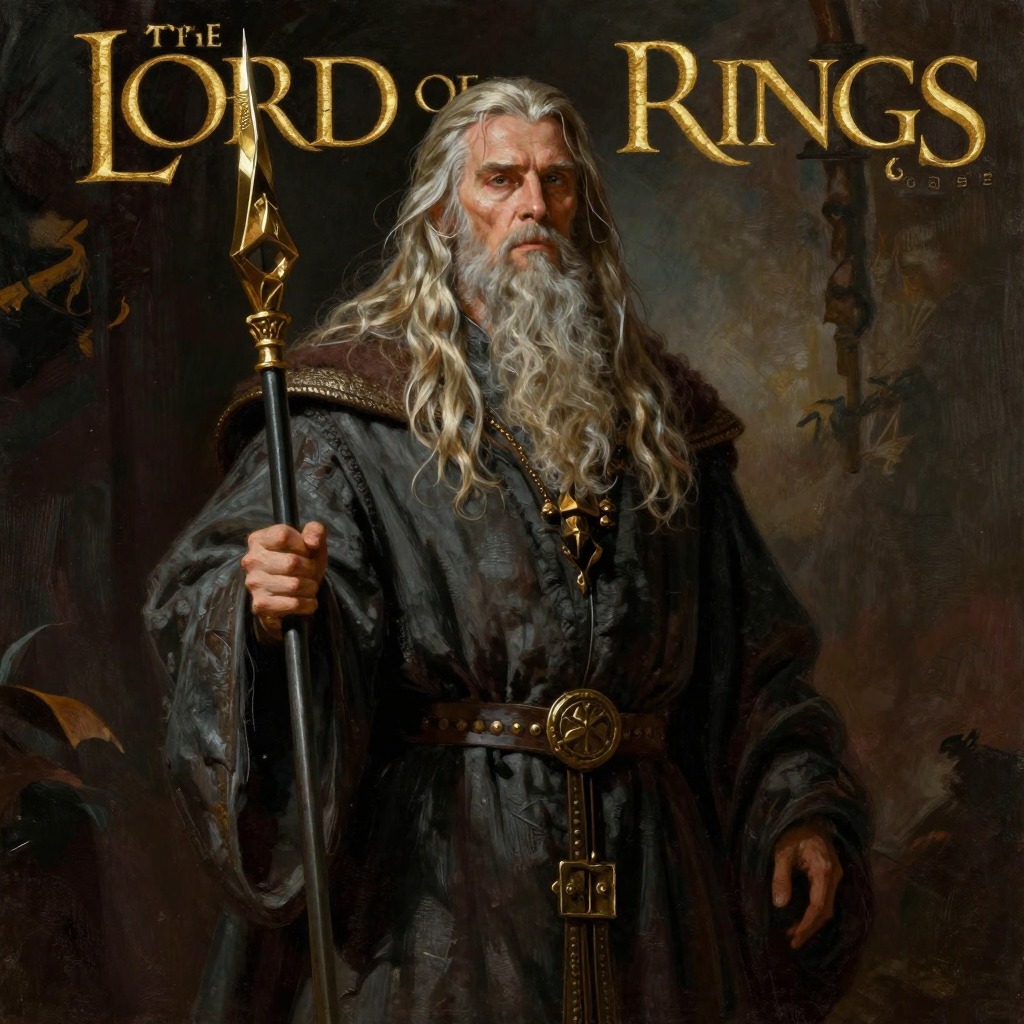
Boromir, son of Denethor, the Steward of Gondor, and elder brother of Faramir, stands as one of the most tragic and pivotal figures in the War of the Ring. As a Captain of Gondor, he represents the martial pride and desperate strength of a realm under siege, yet his encounter with the One Ring exposes a vulnerability that nearly destroys the quest. His story is one of noble intention corrupted by overwhelming temptation, followed by a redemptive sacrifice that reshapes the fate of the Fellowship and the war itself.
Identity and Background
Boromir is introduced as the heir of Denethor, the ruling Steward of Gondor, a position of immense responsibility in a kingdom without a king. His identity is forged in the crucible of Gondor's long conflict with Mordor, and he carries the weight of his people's suffering as a personal burden. He is described as a man of great physical prowess and commanding presence, a warrior whose reputation is built on his deeds in defense of his homeland. His brother, Faramir, shares his lineage but differs in temperament, a contrast that highlights Boromir's more direct and martial approach to the world's problems. Boromir's arrival at the Council of Elrond is driven by a prophetic dream that summons him to seek the answer to Gondor's peril, a quest that leads him to the heart of the Ring's destiny.
The Call to the Quest and the Burden of the Ring
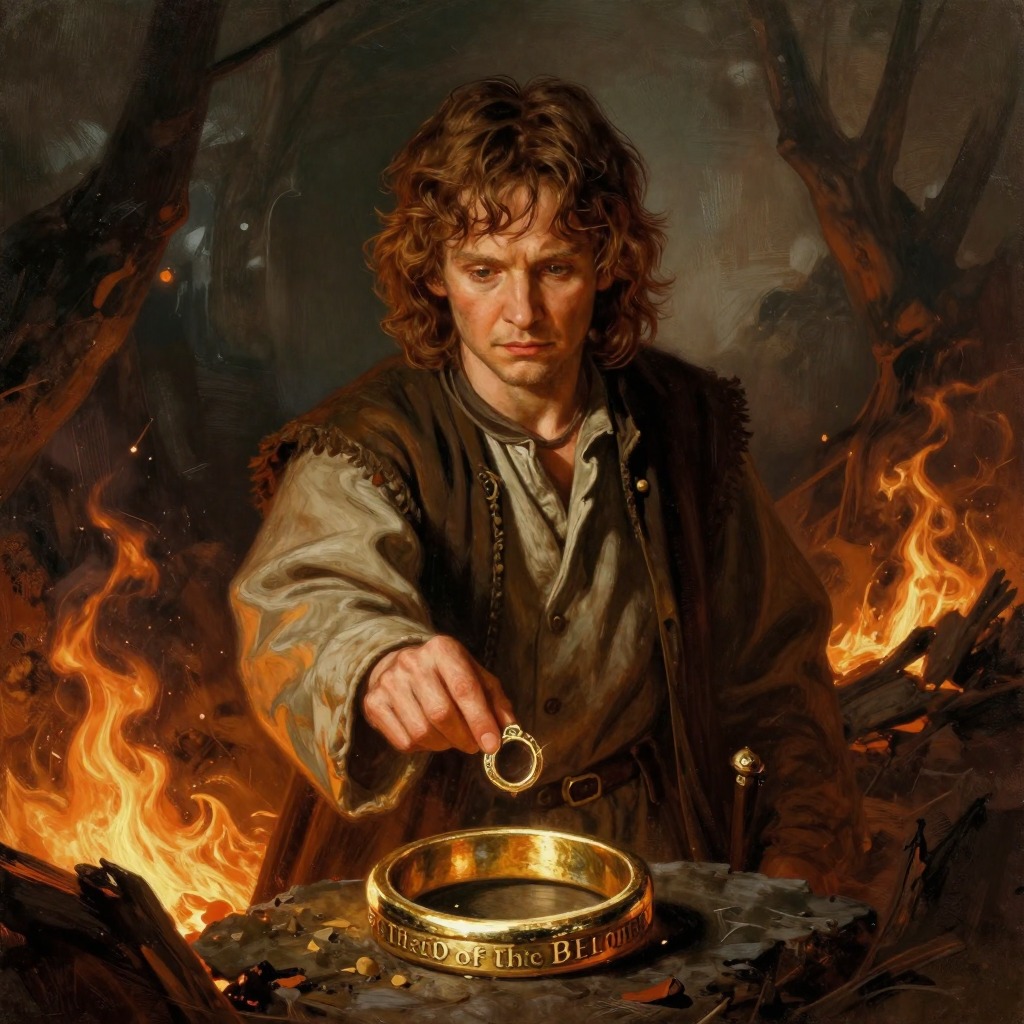
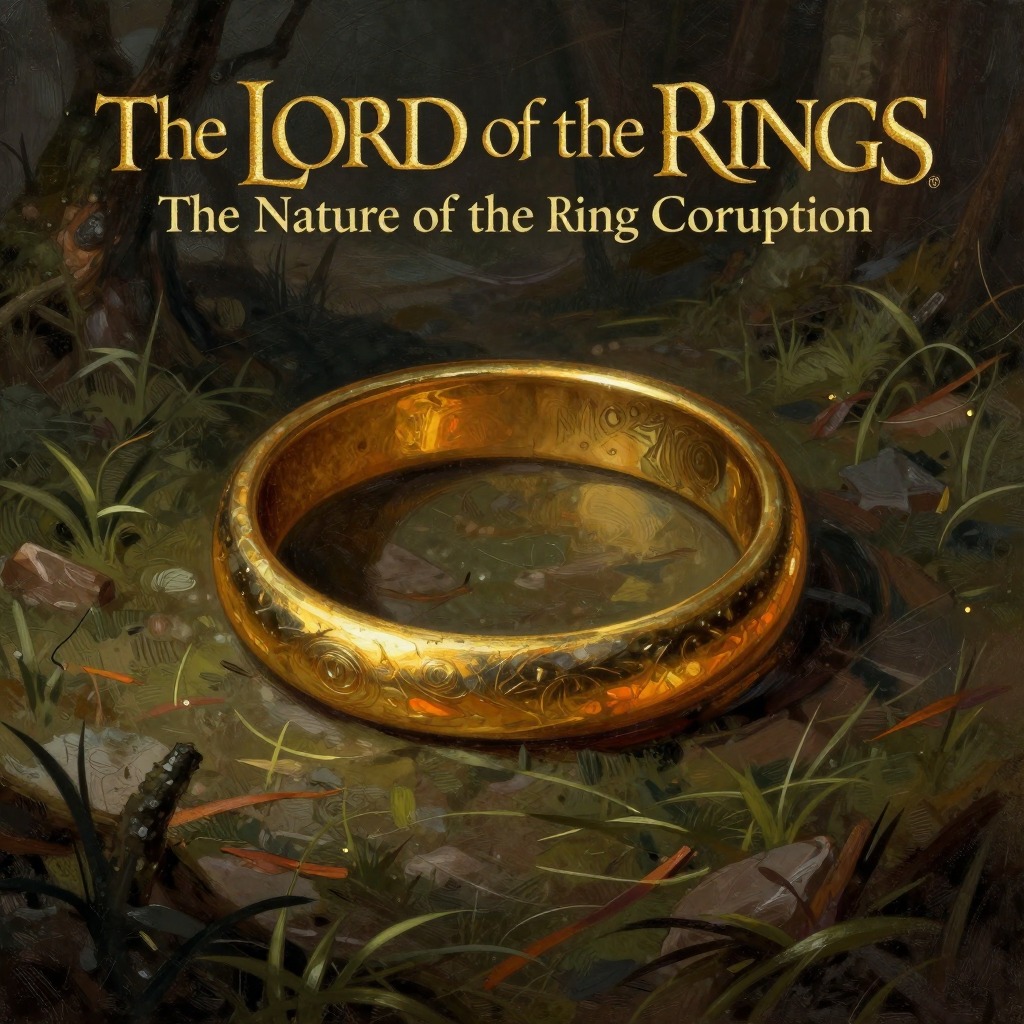
Boromir's participation in the Fellowship is marked by a deep-seated conviction that the Ring should be used as a weapon against the Enemy, a belief that sets him apart from the other members. He sees the Ring not as a corrupting force but as a tool of salvation for his beleaguered people, a perspective born of his desperate love for Gondor. This conviction becomes the seed of his downfall, as the Ring's influence finds fertile ground in his pride and his sense of duty. His growing obsession is a slow poison, visible in his increasing fixation on the Ring and his arguments for its use. The breaking point comes on the banks of the Anduin, where he confronts Frodo, demanding the Ring and ultimately attempting to seize it by force. This moment of betrayal, driven by the Ring's power over him, shatters the Fellowship and forces Frodo to make the fateful decision to continue the quest alone.
The Fall and the Last Stand
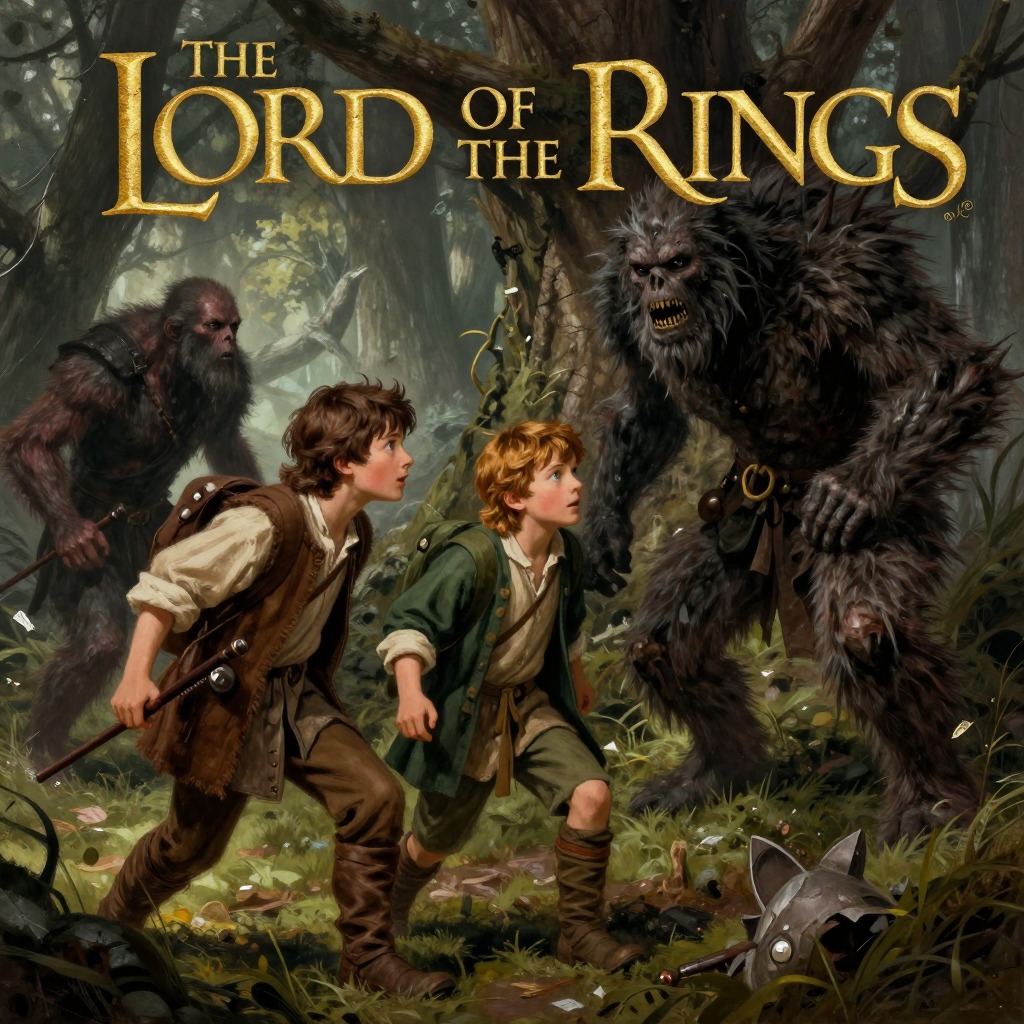
Boromir's assault on Frodo is a moment of profound tragedy, as the noble captain is reduced to a desperate thief by the Ring's influence. Yet, his story does not end in ignominy. After Frodo escapes, Boromir is left with the horror of his own actions, a realization that brings him back to himself. His redemption comes in the form of a final, desperate battle against a company of Orcs who have captured Merry and Pippin. He fights with a fury born of guilt and a desire to atone, defending the hobbits with his life. He is struck down by many arrows, but his sacrifice allows the hobbits to escape, and his last moments are spent with Aragorn, to whom he confesses his failure and his attempt to take the Ring. He dies with honor, having reclaimed his identity as a protector, and his death serves as a powerful reminder of the Ring's corrupting power and the cost of the quest.
Relationships and Conflict
Boromir's relationships are defined by his internal conflict and his role as a man of action in a world of subtle dangers. His bond with Aragorn is complex, marked by mutual respect but also by Boromir's skepticism of Aragorn's claim to the throne of Gondor. He is a natural leader, yet his directness clashes with the more cautious and wise counsel of Gandalf and Elrond. His interactions with the hobbits, particularly Merry and Pippin, reveal a protective and almost paternal side, which makes his betrayal of Frodo all the more devastating. The conflict within him is between his duty to Gondor and his loyalty to the Fellowship, a tension that the Ring exploits to its fullest. His death at the hands of the Orcs is not just a personal tragedy but a strategic blow to the Fellowship, leaving Aragorn to carry the burden of leadership and the guilt of having been unable to save him.
Narrative Role and Thematic Significance
Boromir's arc serves as a crucial narrative and thematic counterpoint within the larger story. He embodies the temptation that the Ring represents, a warning of what could happen to even the most noble and well-intentioned of the Free Peoples. His fall and redemption illustrate the central theme of the corrupting influence of power and the possibility of atonement through self-sacrifice. His death is a catalyst, propelling the story forward by forcing the Fellowship to split and setting the stage for the separate quests of Aragorn, Legolas, and Gimli, as well as the journey of Merry and Pippin. Boromir's legacy is one of tragic heroism, a man who failed in his moment of greatest trial but who redeemed himself through his final, selfless act. His story underscores the idea that even in the face of overwhelming darkness, courage and honor can be reclaimed, and that the choices made in the shadow of despair can define a hero's true worth.